Last updated on January 9th, 2026 at 06:26 am
Program Overview & Institution Identity
Official Program Name & Accreditation
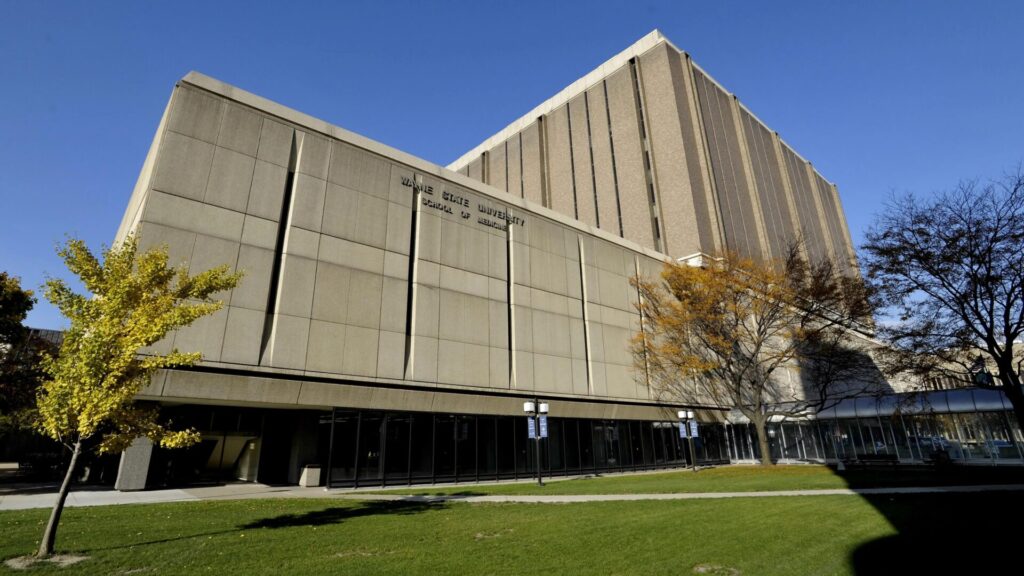
Wayne State University School of Medicine (WSUSOM) is a prestigious public medical institution located in Detroit, Michigan. The MD program is fully accredited by the Liaison Committee on Medical Education (LCME), the nationally recognized accrediting agency for medical education programs leading to the MD degree in the United States. This LCME accreditation ensures that graduates meet all requirements for medical licensure in all 50 states and are eligible to take the United States Medical Licensing Examination (USMLE).
Program Duration & Structure
The Wayne State University School of Medicine offers a comprehensive 4-year MD program structured in three distinct phases:
- Pre-Clerkship Phase: 18 months of foundational education
- Clerkship Phase: 12 months of intensive clinical experience
- Post-Clerkship Phase: 14 months of advanced clinical training and residency preparation
Location & Campus Details
Located in Detroit, Michigan, Wayne State University School of Medicine operates on an urban campus in the heart of one of America’s most dynamic medical environments. The school leverages Detroit’s diverse patient population and extensive healthcare infrastructure to provide students with exceptional clinical training opportunities.
Combined Degree Programs
Wayne State offers several combined degree options for ambitious students:
- MD/MBA: Medicine and Business Administration
- MD/MPH: Medicine and Public Health
- MD/PhD: Medicine and Research
- BS/MD: Direct entry program for exceptional high school students
Rankings & Recognition
- Wayne State ranks among the top 50 safest campuses in the United States
- Approximately 40% of Michigan’s practicing physicians received training at WSU
- The school maintains a 98% residency match rate over the past eight years
- Strong reputation for urban medicine and serving diverse populations
Admission Requirements
Academic Prerequisites
Degree Requirements
All applicants must complete a bachelor’s degree from an accredited institution before matriculation. The degree can be in any field, though a strong foundation in sciences is essential.
Required Coursework
Wayne State requires completion of the following prerequisite courses:
- General Physics: Two semesters with laboratory
- Inorganic Chemistry: Two semesters with laboratory
- Organic Chemistry: Two semesters with laboratory
- General Biology: Two semesters with laboratory
- College Writing/Composition: One semester
Recommended Coursework
While not required, the following courses are strongly recommended:
- Statistics
- Ethics
- Biochemistry
- Additional science courses with laboratory components
GPA Requirements
- Median GPA of admitted students: 3.86
- Successful applicants typically maintain both high overall and science GPAs
- The school uses holistic evaluation, considering the rigor of undergraduate coursework
Standardized Testing
MCAT Requirements
- Median MCAT score: 511
- MCAT scores from 2021 to September 2024 are accepted for the Class of 2030
- No minimum score published, but competitive applicants typically score above the 80th percentile
- Test must be taken no later than September of the application year
Citizenship & Eligibility
Wayne State accepts applications from:
- U.S. citizens
- U.S. permanent residents
- Canadian citizens
- Any student who has completed a degree at Wayne State University, regardless of citizenship
- Out-of-state Canadian applicants (case-by-case basis)
- International students (case-by-case basis)
Extracurricular Requirements
While no specific requirements exist, successful applicants typically demonstrate:
- 85-95% have community service experience
- 85-95% have research experience
- Clinical exposure through volunteering or work
- Leadership activities
- Commitment to serving diverse populations
Application Process & Timeline
Application System
All applicants must apply through the American Medical College Application Service (AMCAS), the centralized application system managed by the AAMC.
Key Deadlines (Class of 2030)
- AMCAS Application Opens: May 28, 2025
- AMCAS Deadline: December 31, 2025
- Final MCAT Test Date: September 13, 2025
- Secondary Application Deadline: February 8, 2026
- Interview Season: August 2025 – February 2026
- Application Decisions: October 15, 2025 to start of classes
- Expected Start of Classes: Early July 2026
Secondary Application
After AMCAS review, qualified candidates receive invitations to complete Wayne State’s secondary application. The school offers a Secondary Application Fee Waiver Policy for qualified applicants, though a standard $100 fee applies otherwise.
Interview Process
Wayne State employs multiple interview formats and typically invites approximately 15% of applicants for interviews based on recent statistics showing:
- 9,159 applications received
- 1,410 interview invitations extended
- 675 admission offers made
Early Decision Program (EDP)
Wayne State offers an Early Decision Program for students who wish to apply exclusively to WSUSOM for the opportunity of early acceptance.
Admission Statistics & Success Rates
Overall Acceptance Rates
Based on recent admissions data:
- Applications received: 9,159
- Interview invitations: 1,410 (15.4% interview rate)
- Admission offers: 675
- Acceptance rate: Approximately 7.4% overall
Class Profile
- First-year class size: 318 students
- Median MCAT: 511
- Median GPA: 3.86
Comparison with Other Schools
Wayne State’s acceptance rate makes it highly competitive among public medical schools. The school’s statistics compare favorably with other Michigan medical schools and reflect the competitive nature of medical school admissions nationally.
Geographic Distribution
Wayne State shows preference for Michigan residents but accepts qualified out-of-state and international candidates on a case-by-case basis.
Tuition & Financial Information
Current Tuition Rates (2024-25)
- Michigan Residents: $42,679 per year
- Out-of-State Students: $69,702 per year
- Student Support Fee: $1,080 annually (nonrefundable once classes begin)
Additional Fees
- Medical School Support Fee: $270 per term
- Student Service Fee: $406 per term
- MD/MBA Additional Tuition: $2,916.66 per term (begins second academic year)
Total Cost of Attendance (Estimated 2025-26)
First Year (M1 – 11 months)
- Living Expenses: $19,792
- Books, Supplies & Equipment: $1,464
- Transportation: $4,228
- Personal Expenses: $3,172
- Loan Fees: $476
Subsequent Years
Costs remain similar with slight variations:
- M2 (11 months): Similar to M1
- M3 (11 months): Similar to M1
- M4 (10 months): Reduced living expenses ($17,992) plus residency application fees ($1,000)
Financial Aid Options
Federal Loan Programs
- Federal Direct Unsubsidized Loans:
- Interest rate: 7.94% (2025-26)
- Annual maximum: $44,944 (11-month enrollment)
- Loan fee: 1.057%
- Federal Direct Grad PLUS Loans:
- Interest rate: 8.94% (2025-26)
- Loan fee: 4.228%
- Credit check required
Scholarship Opportunities
- Wayne Med-Direct Scholarship: For students completing both undergraduate and medical education at Wayne State
- Merit-based scholarships: Available based on academic achievement
- Need-based aid: Federal and institutional programs
- Diversity-focused scholarships: Various programs supporting underrepresented students
Cost Management
- Repeat Course Policy: Maximum $2,500 fee for repeated courses (instead of full tuition)
- Secondary Application Fee Waivers: Available for qualifying students
- Installment Payment Plans: Available through the Bursar’s office
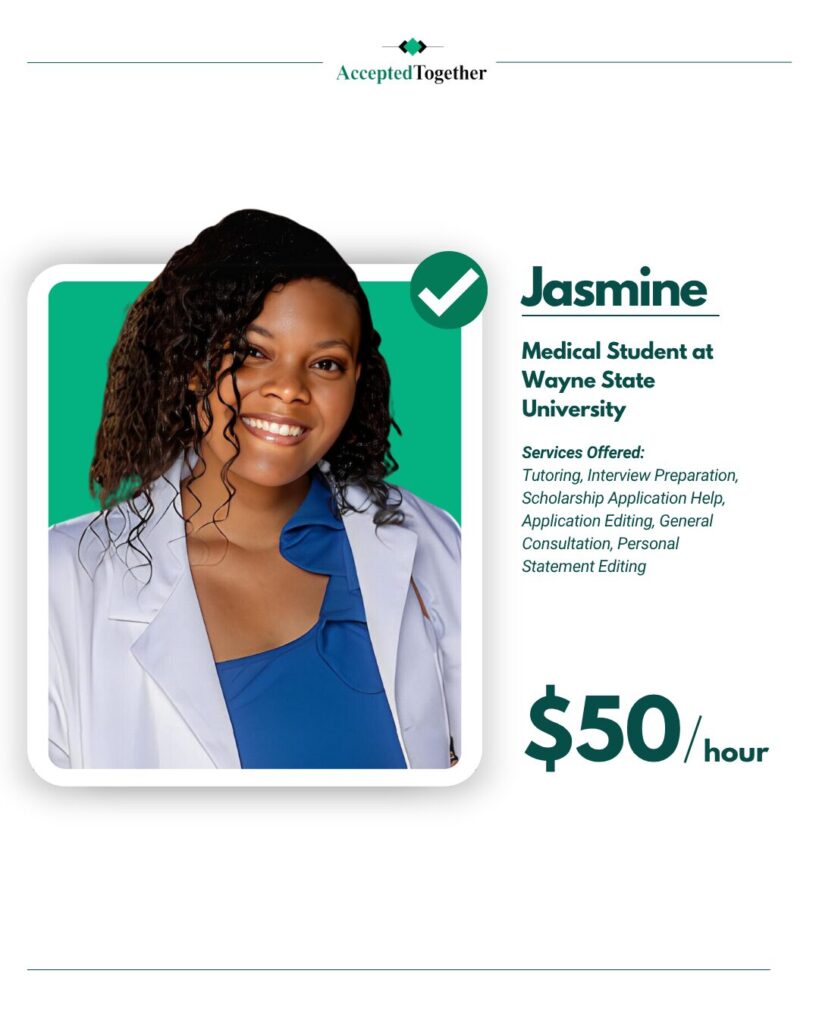
Click To See Hundreds Of Consultants Who Can Mentor You:
Curriculum & Program Structure
Educational Philosophy
Wayne State’s “Highways to Excellence” curriculum emphasizes:
- Organ systems-based learning integrated with clinical experiences from day one
- Active learning methodologies promoting engagement and retention
- Early clinical exposure in Detroit’s diverse healthcare environment
- Continuous integration of basic sciences and clinical practice
Pre-Clerkship Phase (18 months)
The foundational phase establishes:
- Scientific framework for medical practice
- Clinical skills development
- Professional competencies
- Community health awareness
Key features include:
- Organ system-based curriculum
- Integrated basic science and clinical education
- Focused clinical skills courses
- Small group learning and team-based activities
Clerkship Phase (12 months)
Intensive clinical training includes:
- Core rotations in all major medical specialties
- Clinical site partnerships throughout Detroit metropolitan area
- Hands-on patient care experience
- Multidisciplinary team participation
Clinical sites include partnerships with:
- Henry Ford Health System
- Detroit Medical Center
- Corewell Health
- University of Michigan Health System
- Trinity Health
Post-Clerkship Phase (14 months)
Advanced preparation phase featuring:
- Specialty-focused electives
- Research opportunities
- Residency application preparation
- Advanced clinical experiences
- Career mentorship
Special Programs & Tracks
- Research electives: Extensive opportunities in basic science and clinical research
- Community service learning: Integration with Detroit community health initiatives
- International opportunities: Global health experiences
- Teaching experiences: Medical education training
- Rural medicine tracks: For students interested in rural practice
Residency Preparation & Match Results
Match Success Rate
Wayne State demonstrates exceptional residency placement success:
- 2025 Match Rate: 99.4% (compared to 93.5% national average)
- 9-year average: 98%+ match rate
- Class of 2025: 309 total students, 23 specialties represented
Top Specialties Matched (Class of 2025)
- Internal Medicine: Most popular choice
- Anesthesiology: Strong representation
- General Surgery: Competitive placements
Geographic Distribution of Matches
- 50.2% of students matched into Michigan programs
- 30 states represented in match results
- Top 5 states: Michigan, California, Illinois, Ohio, New York
Major Health Systems Where Students Match
- Henry Ford Health System: 51 students
- Detroit Medical Center: 20 students
- Corewell Health: 27 students
- University of Michigan: 28 students
- Trinity Health: 10 students
USMLE Performance
While specific pass rates aren’t published, Wayne State’s high match rates indicate strong USMLE performance among students.
Pre-Medical Preparation Recommendations
Academic Planning
For prospective applicants, consider:
Undergraduate Major Selection
- Any major acceptable: Medicine values diverse academic backgrounds
- Science majors: Biology, Chemistry, Physics provide strong foundation
- Non-science majors: Liberal arts, business, engineering equally valued
- Key factor: Excellence in chosen field plus strong science preparation
Optimal Course Sequencing
- Early foundation: Complete prerequisite science courses early
- Advanced coursework: Take upper-level biology and chemistry courses
- Research experience: Engage in research projects during undergraduate years
- Study abroad: Consider timing with prerequisite completion
GPA Optimization
- Consistent performance: Maintain high grades throughout undergraduate career
- Grade trends: Show improvement over time if early grades were lower
- Course rigor: Balance challenging courses with GPA maintenance
- Science GPA: Pay particular attention to BCPM (Biology, Chemistry, Physics, Math) courses
Clinical Experience Planning
Wayne State values meaningful healthcare exposure:
Types of Valuable Experience
- Hospital volunteering: Direct patient interaction preferred
- Clinical research: Working with physician investigators
- Healthcare employment: CNA, EMT, medical scribe positions
- Community health: Working with underserved populations
- International health: Medical missions or global health projects
Quality vs. Quantity
- Long-term commitments: Better than multiple short-term experiences
- Leadership roles: Progression to supervisory or training positions
- Patient interaction: Direct service preferred over administrative tasks
- Diverse populations: Experience with urban, diverse patient populations valued
Research Experience
Research strengthens applications significantly:
Types of Research
- Basic science: Laboratory research in biological sciences
- Clinical research: Working with physician researchers
- Public health: Community-based health research
- Medical education: Research on teaching and learning methods
- Health policy: Healthcare systems and policy research
Research Outcomes
- Publications: Peer-reviewed publications strengthen applications
- Presentations: Conference presentations demonstrate engagement
- Awards: Research awards and honors
- Long-term projects: Multi-year research commitments valued
Standardized Test Preparation
MCAT Preparation Strategy
- Timeline: Allow 6-12 months for comprehensive preparation
- Practice tests: Take multiple full-length practice exams
- Content review: Ensure mastery of all tested subjects
- Test dates: Plan for potential retakes if needed
- Score goals: Target scores above the median (511+)
Extracurricular Development
Wayne State seeks well-rounded applicants:
Leadership Experience
- Student organizations: Leadership positions in clubs or societies
- Community organizations: Non-profit board positions or volunteer coordination
- Academic leadership: Teaching assistantships, peer tutoring
- Healthcare leadership: Leadership in medical-related organizations
Community Service
- Long-term commitments: Sustained service over multiple years
- Diverse populations: Service to underrepresented communities
- Health-related service: Medical missions, health fairs, free clinics
- Non-medical service: Demonstrates well-rounded character
Application Timeline Planning
Junior Year Activities
- MCAT preparation: Begin studying for MCAT
- Clinical experience: Increase healthcare exposure
- Research involvement: Engage in meaningful research projects
- Letter writers: Identify and cultivate relationships with recommenders
Senior Year Activities
- Application completion: Submit primary application early
- Interview preparation: Practice interview skills
- Final grades: Maintain strong academic performance
- Gap year planning: If needed, plan productive gap year activities
Frequently Asked Questions
Does Wayne State University School of Medicine look at extracurriculars?
Yes, Wayne State uses holistic evaluation considering extracurricular activities equally with academic performance. Typically 85-95% of successful applicants have both community service and research experience. The school values long-term commitments and leadership roles that demonstrate commitment to serving diverse populations.
What is Wayne State School of Medicine’s average GPA and MCAT score?
The median GPA for admitted students is 3.86, and the median MCAT score is 511. These represent the middle 50% of accepted students, with competitive applicants typically exceeding these benchmarks.
How competitive is Wayne State School of Medicine compared to other medical schools?
Wayne State is highly competitive with an overall acceptance rate of approximately 7.4%. With 9,159 applications for 318 seats, it ranks among the more competitive public medical schools nationally. However, Michigan residents have significantly higher acceptance rates than out-of-state applicants.
Does Wayne State School of Medicine prefer Michigan residents?
Yes, as a public institution, Wayne State gives preference to Michigan residents. However, the school accepts qualified out-of-state and international students on a case-by-case basis. Recent data shows the school accepts out-of-state Canadian and international students selectively.
What makes Wayne State School of Medicine different from other medical schools?
Wayne State offers distinctive advantages including:
Urban clinical training in Detroit’s diverse healthcare environment
Early clinical exposure from first year
Strong community partnerships with major health systems
Exceptional match rates (98%+ over nine years)
Emphasis on serving diverse, underserved populations
Strong research opportunities in urban health and clinical care
When should I apply to Wayne State School of Medicine?
Submit your AMCAS application as early as possible after it opens (May 28, 2025 for Class of 2030). The deadline is December 31, 2025, but earlier submission provides advantages. Complete all prerequisites and take the MCAT by September of your application year.
Does Wayne State School of Medicine accept international students?
Wayne State accepts international students on a case-by-case basis. International applicants must demonstrate exceptional qualifications and should be prepared for additional requirements regarding funding and documentation.
What clinical experience do I need for Wayne State School of Medicine?
While no minimum hours are specified, 85-95% of successful applicants have clinical experience. Focus on meaningful, long-term commitments involving direct patient interaction.