
By AcceptedTogether Editorial Team · Last updated October 9, 2026
You got the email. It says Kira Talent, it has a deadline, and it’s not an interview you can prep for by memorizing a script. Here’s what the Kira Talent assessment for medical school actually is, how it works, and how two Ontario schools use it.
TL;DR
- Kira Talent is a third-party platform. Schools use it to collect timed video and written answers.
- At TMU, every applicant completes a six-question Kira assessment before file review. For the 2027 cycle the window is Nov. 19-22, 2026.
- At Western, you submit the Western ABS through Kira after OMSAS closes.
- Kira is not the MMI. At TMU the MMI is a separate, later stage.
- In the real assessment you get one attempt per question. Practice only exists if your school turned it on.
Table of Contents
What is the Kira Talent assessment for medical school?
The Kira Talent assessment is an online admissions assessment run by Kira Talent, a third-party vendor, where applicants answer timed video and written questions. TMU describes its version as a way to see how well you understand and connect with the school’s mission and values, plus your communication, reasoning and problem-solving.
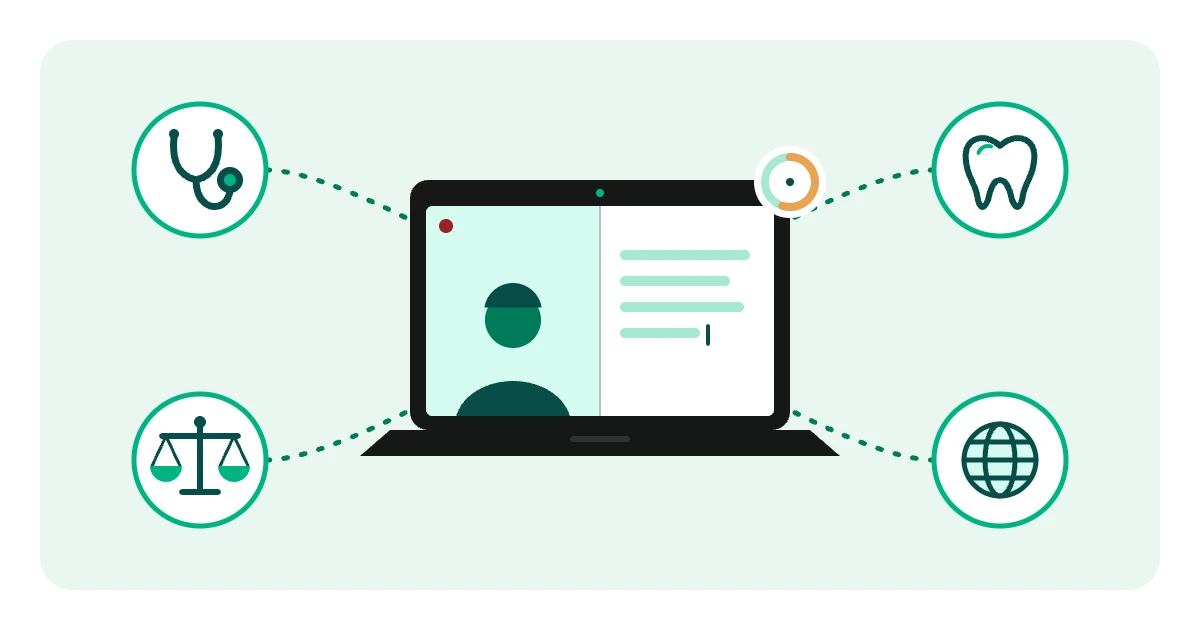
Kira says it works with more than 300 programs worldwide, across fields that include medicine, dentistry and law. So “Kira” is the platform, not one standard test. What you’re asked, and how it’s used, is each school’s call.
How does the Kira assessment work?
You complete the Kira Talent assessment for medical school online with no live interviewer, answering timed questions that are either video or written. Each question has its own response time, and your answer submits automatically when the clock runs out.
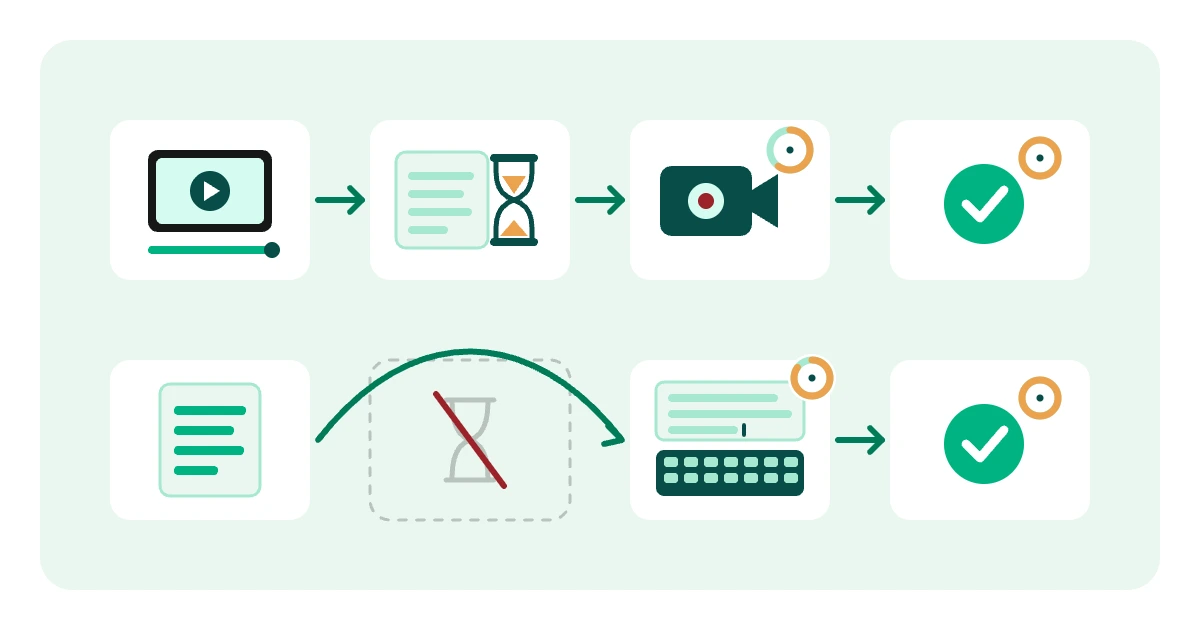
On video questions, the school’s pre-recorded prompt plays once and the question text stays on screen while you prepare and record. Written questions work differently: there’s no video and no prep time, you type, and the response window is often longer. The number of questions and total length depend on the specific assessment, and the Assessment Details slide in your invite shows both. First-timers should also plan 15-30 minutes just for the Kira check-in.
Which medical schools use Kira Talent?
Kira is used by programs all over the world, so your school’s own admissions pages are the only reliable answer. Two Ontario MD programs that publish it are TMU and Western’s Schulich School of Medicine & Dentistry, and they use it very differently.
| School | Where Kira fits | What you complete | What the school publishes |
|---|---|---|---|
| TMU School of Medicine | Second of five stages: after initial screening, before file review | Six timed questions, video and written | Purpose and shortlist role; no scoring details |
| Western (Schulich) | After OMSAS closes, per the OMSAS Western guide | The Western ABS, submitted through Kira | Role in the interview-invite composite; format and time limits not stated on the pages we checked |
One catch: Kira also sells a live interviewing product that covers panel interviews and MMIs. So “Kira” in a school’s email doesn’t always mean the asynchronous assessment. Read the details in your invite.
What does the TMU Kira assessment involve?
TMU asks all applicants to complete a six-question timed assessment, with both video and written responses, on the Kira Talent platform. For the 2027 admissions cycle, the dates page lists invitations on Nov. 12, 2026 and completion between Nov. 19 and 22, 2026.
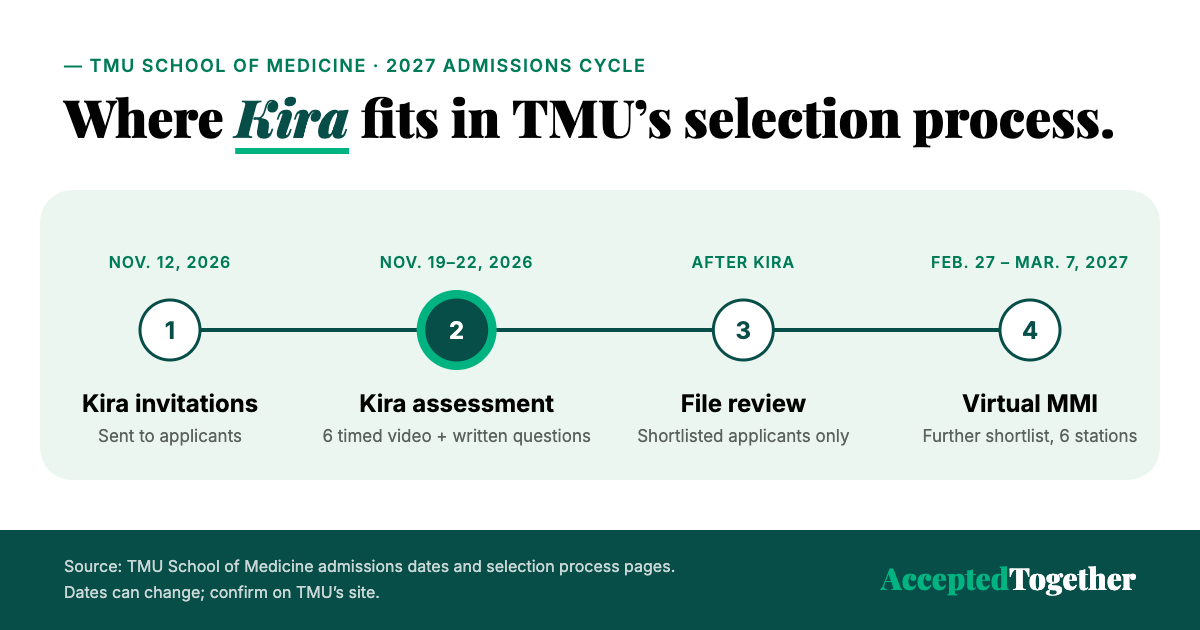
The assessment generates a shortlist, and only shortlisted applicants move on to file review. After that, a further shortlist is invited to a virtual MMI; the same dates page lists interviews on Feb. 27, Feb. 28, Mar. 6 and Mar. 7, 2027. TMU’s FAQ adds that an invitation doesn’t confirm you’ve met every admission requirement. Dates can change, so confirm them on TMU’s site.
Pro tip: Put Nov. 19-22 in your calendar now and run a full tech check a week early. A dead webcam on day one of a four-day window is a bad way to find out.
Want the full TMU picture? Our TMU School of Medicine guide covers requirements and selection in one place.
How does Kira work for the Western ABS?
Western has you complete and submit the Western ABS (autobiographical sketch) through Kira Talent after the OMSAS application closes. Schulich uses the ABS as one part of the composite that decides interview invitations, alongside GPA, MCAT minimums and Confidential Assessment Forms, according to its FAQ.
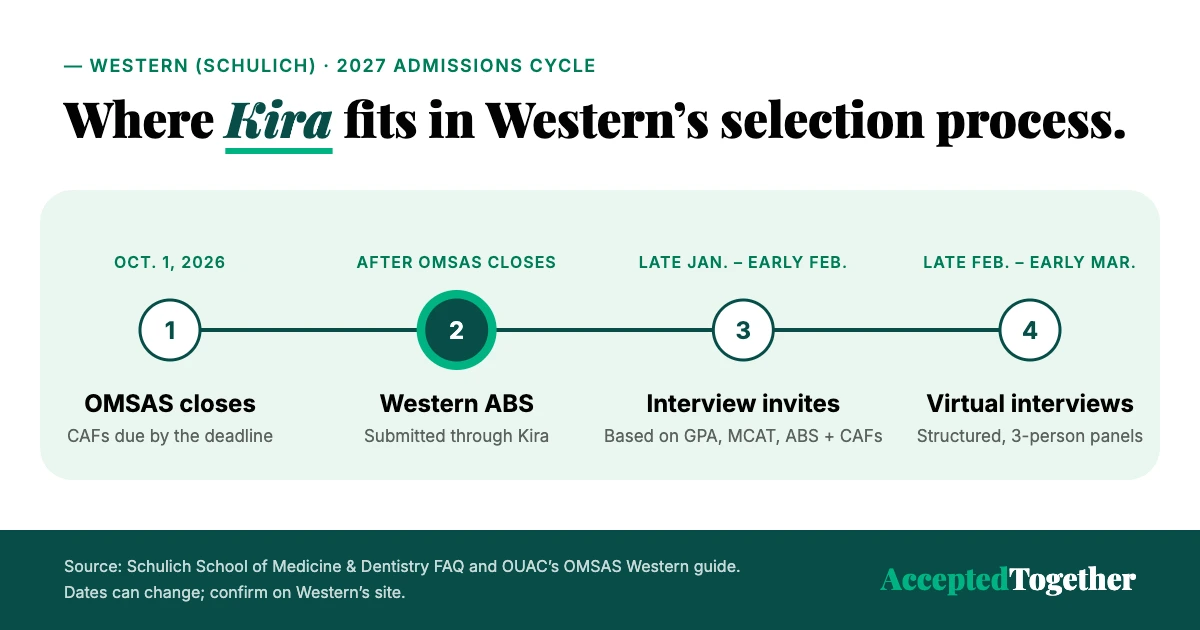
What Schulich doesn’t say, on the pages we checked, is whether the ABS is written or video, or whether it has a time limit. Your Kira invite will show the format on its Assessment Details slide, so check there before you start planning your answers.
Is the Kira assessment the same as the MMI?
No. Kira is the company and platform; the MMI is an interview format. At TMU, the Kira assessment is its own earlier stage, and the virtual MMI comes later with six short, timed stations that look at non-academic attributes and fit with the school’s values.
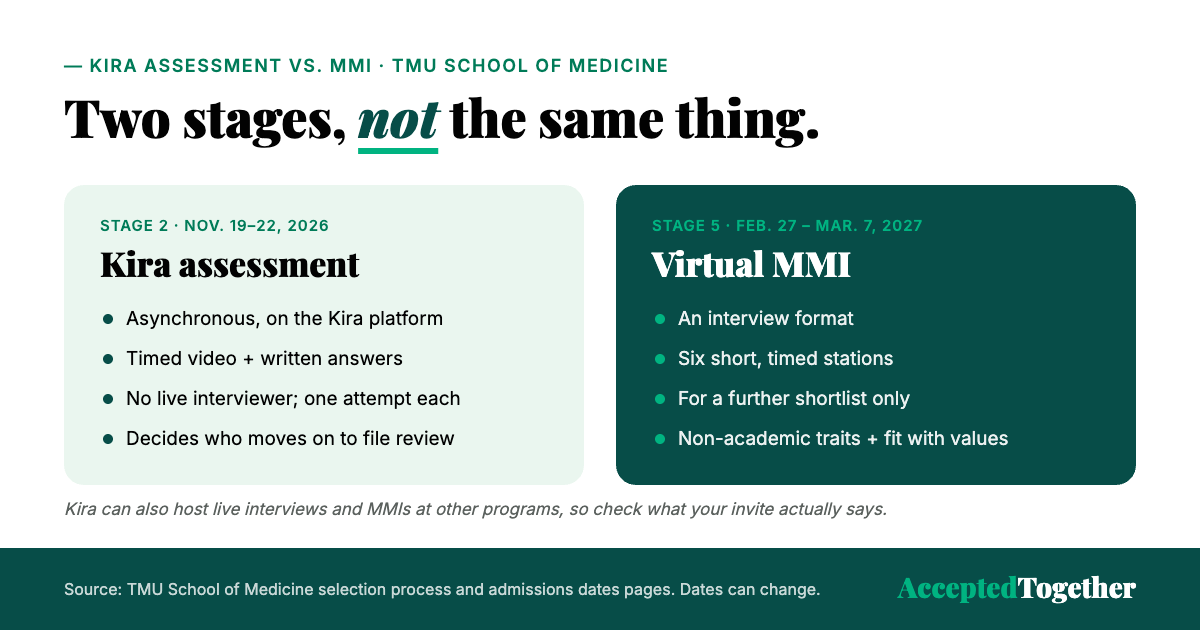
The confusion makes sense, because Kira can host both formats at different programs. If your school says “asynchronous assessment,” that’s the timed video and written format. If it says “MMI,” it’s a separate interview.
Can you practice before the real assessment?
Maybe, because practice depends on how your school set it up. If your Check-In page has a Practice step, you can redo practice questions and replay your answers, and no one but you sees those recordings.
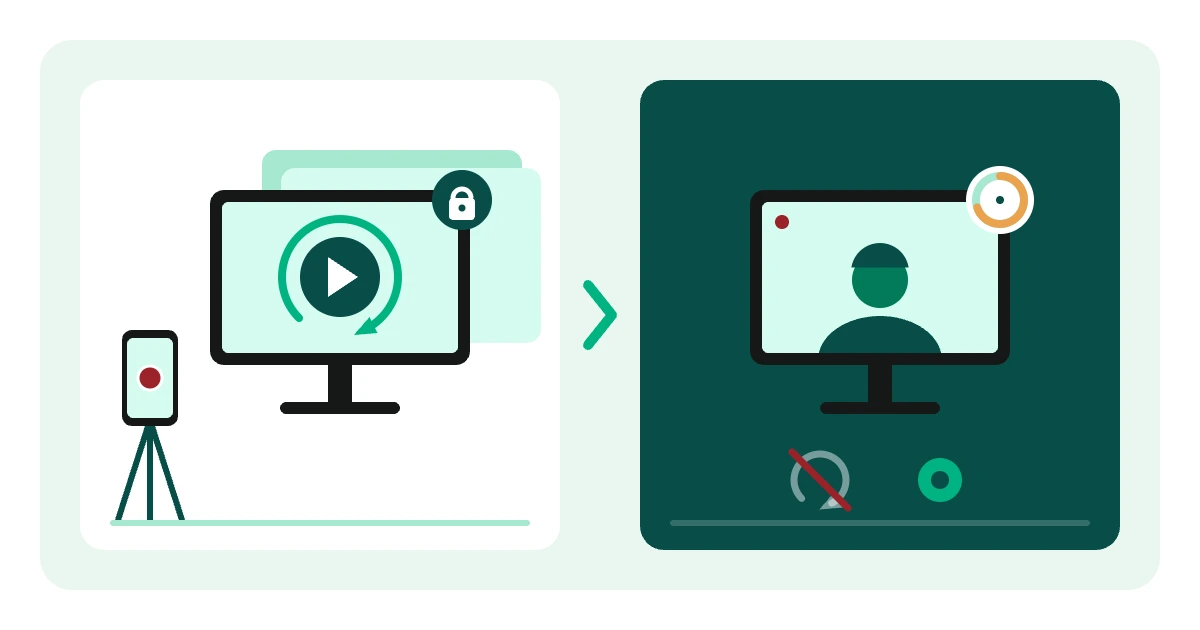
The real thing is different: one attempt per question, no replays. Practice questions may not match the real ones, and the prep and response times can differ. If your school didn’t enable practice, Kira’s advice is to record yourself answering common interview questions and watch it back.
How should you set up and prepare?
Treat the Kira Talent assessment for medical school like a camera interview, because it is one. Update your browser, close other apps, and sit somewhere quiet and well lit with a plain background.

Kira’s own nine tips add a few details people forget: turn off browser extensions like Grammarly and ad blockers, silence notifications on every nearby device, and plug your laptop in. Face your light source and keep your face and shoulders centered in frame. On content, Kira says reviewers want to hear the real you, so skip the recited script, and a longer answer isn’t automatically a better one.
Pro tip: Record one practice answer on the exact device and in the exact spot you’ll use. Then watch it with the sound off. Can you see your face clearly?
What if something goes wrong during the assessment?
Kira can’t grant retakes, reschedule, or extend deadlines. Only your school can, so contact them quickly and explain what happened. Once you’ve submitted, you can’t redo individual questions yourself.
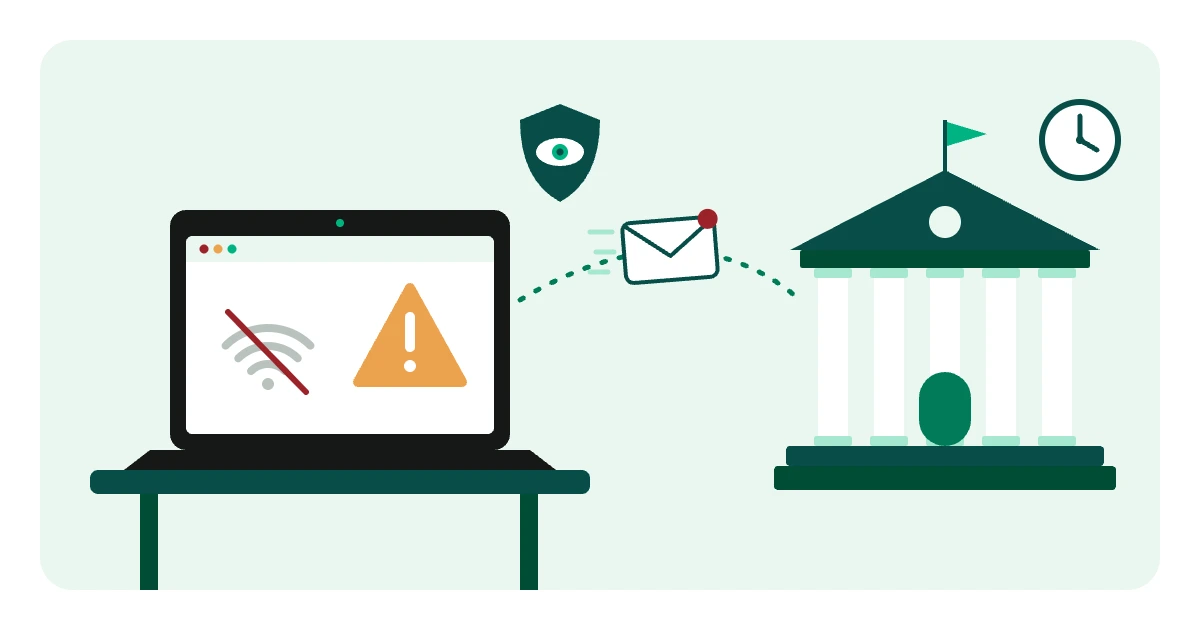
Also know that Kira says it monitors activity and browser behavior during assessments and reports suspicious behavior, and technical issues, to the school. Kira’s advice is to complete it independently, in one sitting where you can, somewhere quiet.
Where can you get help from someone who’s been through it?
You can browse 250+ verified consultants on AcceptedTogether, each a current student or graduate of the programs they advise on, and message them before you book. Every consultant sets their own price, and some offer free trial lessons, so you set your own budget.
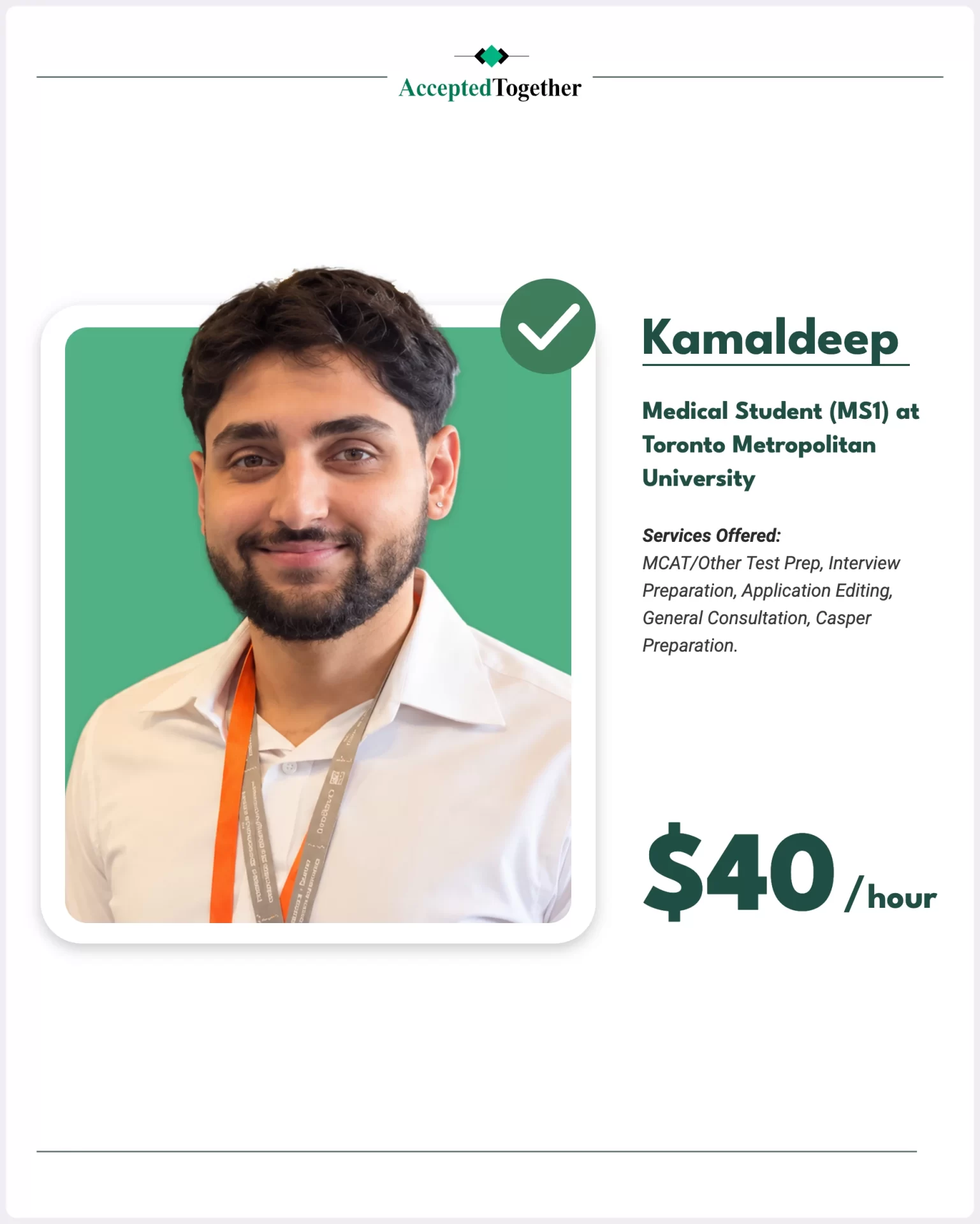
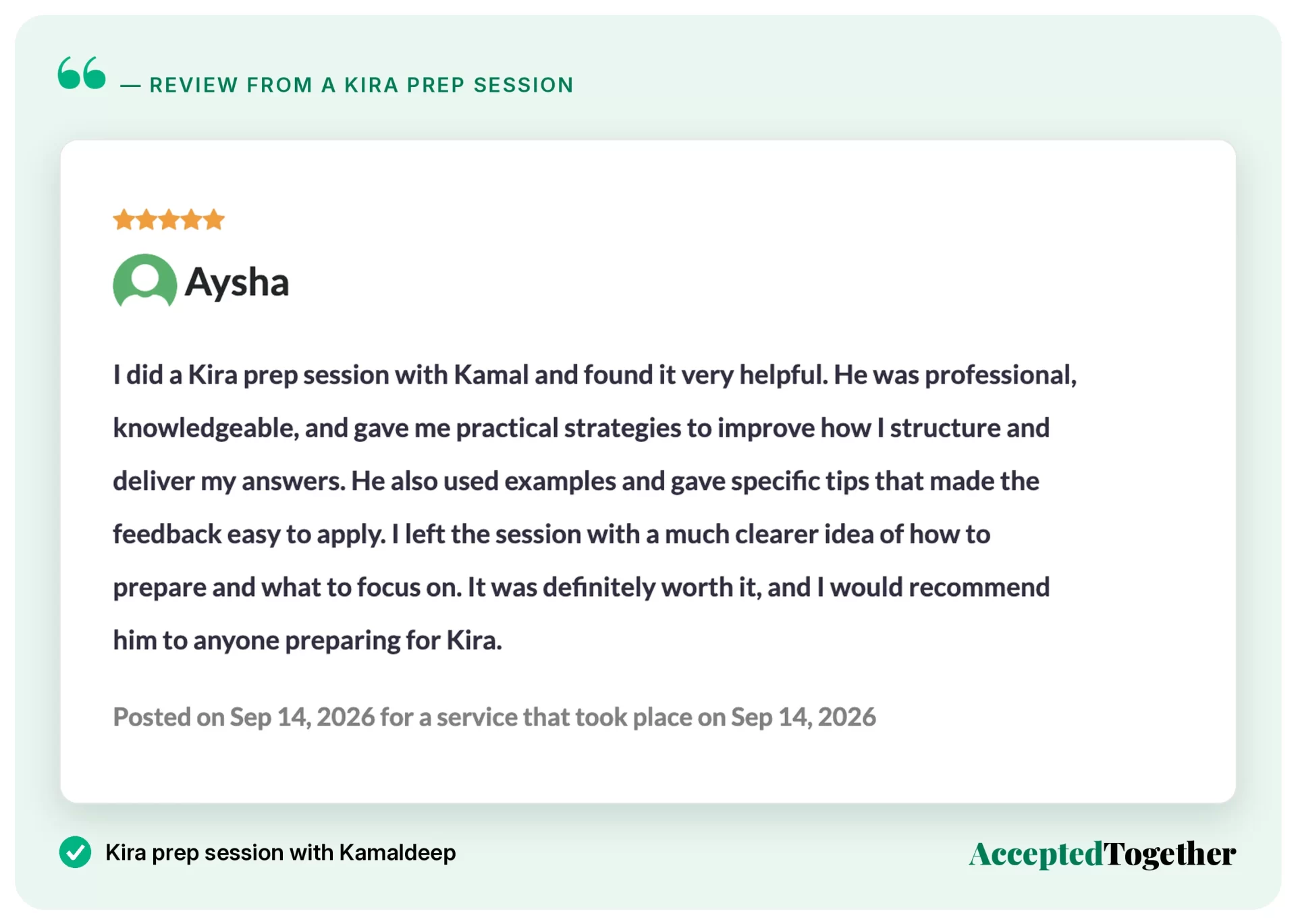
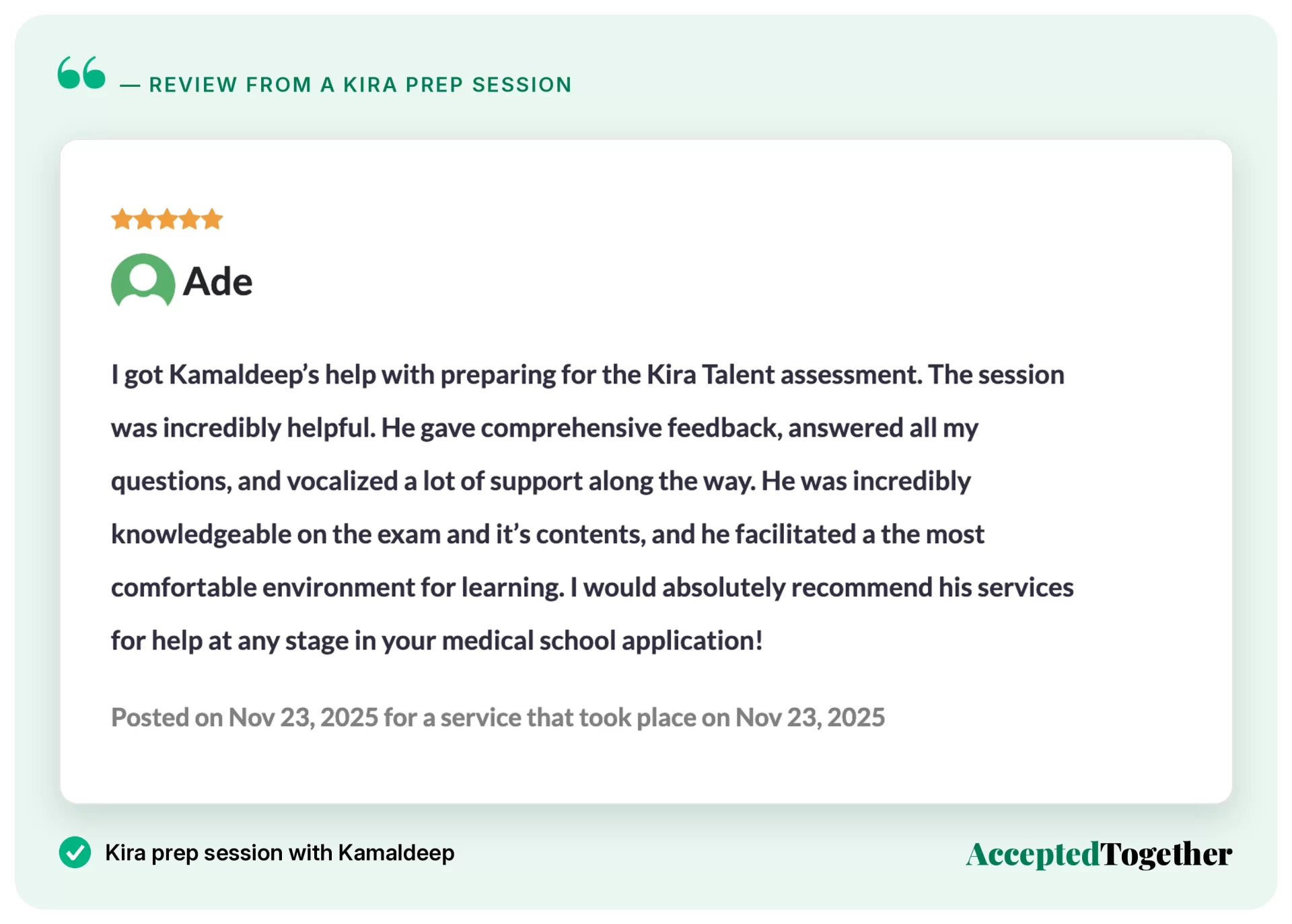
Check each profile for the school and program they list and the experience they describe. Kamal, for example, is an MS1 in TMU School of Medicine’s first class (Class of 2029), accepted on his third application cycle. He lists Kira asynchronous assessment prep among his services, alongside MMI prep and TMU essays, and two applicants who booked Kira sessions with him wrote:
If you’re applying to TMU or Western, look for consultants from those programs and read what past applicants say in their reviews.
What else do applicants ask about the Kira assessment?
Applicants most often ask about the Kira Talent assessment for medical school: who has to take it, where they can take it, how it’s scored and whether accommodations exist. The answers below come from TMU’s own published pages.
Do all TMU applicants have to complete the Kira assessment?
TMU says all applicants are invited to complete the asynchronous assessment on the Kira Talent platform. An invitation doesn’t confirm you’ve met every admission requirement, because initial screening is still under way.
Can I complete the Kira assessment from outside Canada?
Yes. TMU’s FAQ says the Kira Talent platform can be accessed from any country, so applicants abroad aren’t restricted.
Does TMU say how Kira responses are scored?
No. TMU says the assessment produces a shortlist for file review, but its selection process page doesn’t publish how responses are rated or weighted.
Are accommodations available for the TMU Kira assessment?
Yes. TMU says accommodations are available. For the 2027 cycle the request deadline was Oct. 4, 2026 at 11:59 p.m. ET, so if you missed it, contact TMU’s admissions office directly.