Last updated on January 9th, 2026 at 06:27 am
Program Overview & Institution Identity
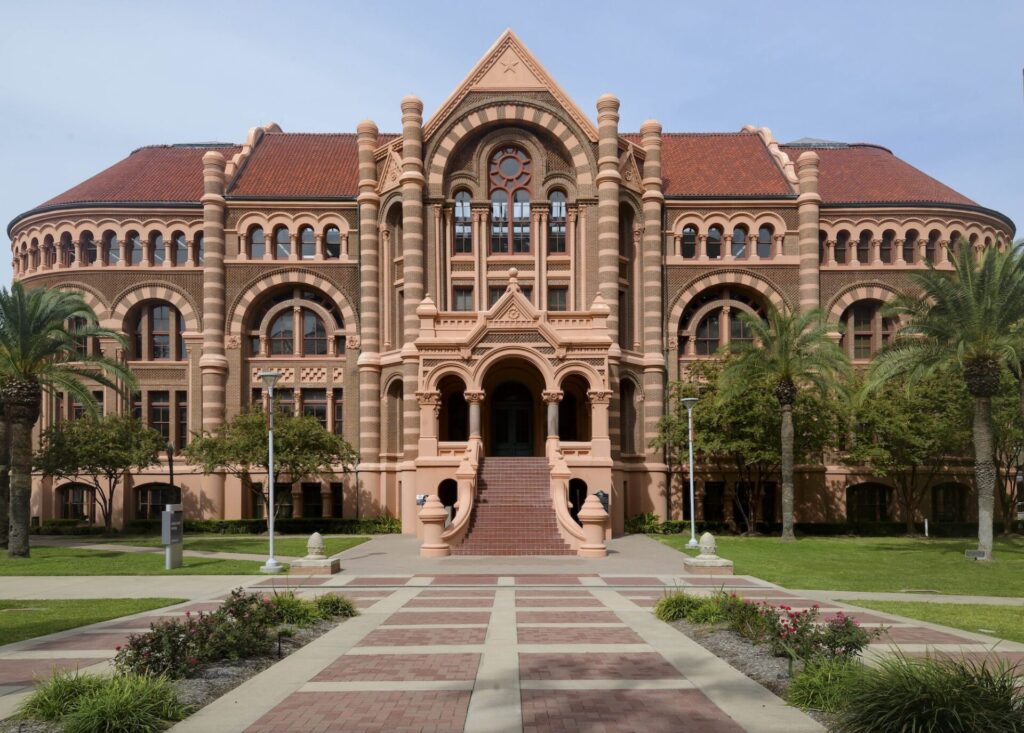
The University of Texas Medical Branch John Sealy School of Medicine (UTMB JSSOM) stands as one of Texas’s premier medical education institutions, located in the historic coastal city of Galveston, Texas. As a public medical school situated on a suburban campus, UTMB has been training physicians since 1881, making it one of the oldest medical schools in Texas.
Official Program Details
- Full Official Name: University of Texas Medical Branch John Sealy School of Medicine
- Program Duration: Traditional 4-year MD program
- Location: Galveston, Texas – Public Institution with Suburban Campus setting
- Accreditation Status: Fully accredited by the Liaison Committee on Medical Education (LCME)
- Class Size: 230 students matriculate annually
- Combined Degree Programs: MD/PhD, MD/MPH, MD/MBA
Distinctive Features
UTMB’s John Sealy School of Medicine operates under the Integrated Medical Curriculum (IMC), which integrates traditional basic science disciplines through interdisciplinary courses utilizing problem-based learning, team-based learning, and case-based learning approaches. The school’s coastal location provides unique training opportunities in disaster medicine and tropical diseases, while its historical legacy spans over 140 years of medical education excellence.
Admission Requirements
Academic Prerequisites
UTMB John Sealy School of Medicine has specific prerequisite course requirements that must be completed before matriculation:
Required Courses with Credit Hours:
- English: 6 semester hours (writing-intensive courses from English departments only)
- Biological Sciences: 14 semester hours (12 lecture + 2 lab hours)
- Mathematics: 3 semester hours of college Calculus or Statistics (Statistics must be from Math department)
- Physics: 8 semester hours (6 lecture + 2 lab hours)
- General Chemistry: 8 semester hours (6 lecture + 2 lab hours)
- Organic Chemistry: 8 semester hours (6 lecture + 2 lab hours)
- Biochemistry: 3 semester hours
Degree Requirements:
- Minimum 90 semester hours of college coursework
- Bachelor’s degree preferred (though not strictly required)
- Minimum grade of C required in each prerequisite course
- All coursework must be completed at a U.S. or Canadian college or university
GPA Requirements
- Minimum GPA: While a minimum of 3.0 is generally expected, competitive applicants have much higher GPAs
- Average GPA of Admitted Students: 3.86-3.87
- Median GPA: 3.86
- Competitive Range: Successful applicants typically maintain GPAs of 3.8 or higher
UTMB calculates GPA using all undergraduate coursework, with particular attention to science GPA performance in prerequisite courses.
Standardized Testing Requirements
MCAT Requirements:
- MCAT Required: Yes, all sections must be completed
- Median MCAT Score: 513
- Average MCAT Score: 513
- National Context: This places admitted students in approximately the 85th percentile nationally
- Minimum Scores: While no official minimum is published, competitive scores are typically 508+ total
- MCAT Validity: Scores must be current and valid at time of application review
CASPer Test:
- CASPer Required: Yes, mandatory for all applicants
- Purpose: Assesses personal and professional characteristics, interpersonal skills
- Deadline: Must be completed by October 17
- Weight: Equally important as academic factors in holistic evaluation
Extracurricular Activities & Experience Requirements
UTMB employs a holistic evaluation system where academic and non-academic factors carry equal importance. The admissions committee evaluates:
Clinical Experience:
- Clinical exposure through shadowing, volunteering, or employment in healthcare settings
- Quality over quantity – meaningful, sustained involvement preferred
- Patient interaction experience highly valued
Research Experience:
- Research background in basic science, clinical, or public health areas
- Publications not required but can strengthen applications
- Sustained involvement more valuable than multiple short-term projects
Leadership and Service:
- Community service and volunteer experiences
- Leadership roles in organizations, athletics, or academic settings
- Unique experiences that demonstrate diverse perspectives and backgrounds
Additional Factors:
- Maturity and motivation demonstrated through life experiences
- Intellectual curiosity reflected in academic honors and achievements
- Interpersonal skills and communication abilities
- Bilingual communication skills valued given Texas’s diverse population
Click To See Hundreds Of Consultants Who Can Mentor You:

Application Process & Timeline
Application System
UTMB John Sealy School of Medicine participates in the Texas Medical and Dental Schools Application Service (TMDSAS), not AMCAS. This is crucial for applicants to understand.
Key TMDSAS Timeline:
- May 1: TMDSAS application becomes available
- May 15: Application submission opens (8:00 AM CST)
- October 1: Primary application deadline (11:59 PM CST)
- October 15: Letters of evaluation deadline
- November 7: Secondary application deadline (8:00 AM CST)
Application Components
Primary Application (TMDSAS):
- Academic history and transcripts
- MCAT scores
- Activities and experiences
- Personal essays
- Letters of evaluation
Secondary Application:
- Additional essays specific to UTMB
- Deadline: November 7 at 8:00 AM CST
- Invitation sent after primary application review
Required Documents:
- Letters of Evaluation: Typically 3-4 letters recommended
- Official Transcripts: All post-secondary institutions
- MCAT Scores: Reported through TMDSAS
- CASPer Scores: Must be completed by October 17
Interview Process
Interview Format:
- Interview Season: August through December
- Mandatory Orientation: Friday before scheduled interview date
- Interview Style: Traditional interviews (not MMI format)
- Location: UTMB campus in Galveston, Texas
Interview Statistics:
- Approximately 5,097 applications received for recent cycle
- Interview invitations sent to qualified candidates based on holistic review
- Interview rate: Selective process with invitations based on competitive metrics
Post-Interview Process:
- Campus Preview Days: December-January (invitation only for interviewed applicants)
- Early offers: October-January for strongest candidates
- TMDSAS Match: February ranking deadline and match results
- Alternate Pool: Non-matched applicants considered for 10-15 additional spots
Admission Statistics & Success Rates
Overall Competitiveness
UTMB John Sealy School of Medicine is highly competitive with an acceptance rate of approximately 4.51% for the 2025 entering class.
Application Volume:
- Total Applications: ~5,097 (TMDSAS applications)
- Matriculated Students: 230
- Overall Acceptance Rate: 4.51%
State Residency Preference
As a Texas public medical school, UTMB has strong preference for Texas residents:
- Texas Residents: ~93% of matriculated students
- Out-of-State Students: Maximum 10% (approximately 23 students)
- Out-of-State Acceptance Rate: Significantly lower than overall rate
Academic Statistics of Admitted Students
GPA Statistics:
- Median GPA: 3.86
- Average GPA: 3.87
- Competitive Range: 3.8+ for realistic consideration
- Science GPA: Generally mirrors overall GPA expectations
MCAT Statistics:
- Median MCAT: 513
- Average MCAT: 513
- Percentile Rank: ~85th percentile nationally
- Competitive Range: 508+ for consideration, 513+ for strong candidacy
Waitlist Information
- Alternate Pool Size: Varies by year
- Waitlist Acceptances: Typically 10-15 students accepted from alternate pool
- Timeline: Alternate pool notifications in February, movement through spring
- Pool Structure: Non-ranked alternate pool reviewed when positions become available
Tuition & Financial Information
Current Tuition Rates
2025-2026 Academic Year:
- Texas Residents: $26,622 per year
- Out-of-State Students: $41,788 per year
- International Students: Same as out-of-state tuition
Additional Fees and Expenses
Estimated Additional Costs (Monthly):
- Off-Campus Housing: $1,200/month
- Food: $600/month
- Transportation: $300/month
- Personal Expenses: $825/month
- Clinical Clothing Allowance: $750/year
- Books and Supplies: Variable based on year
Total Cost of Attendance
4-Year Program Costs:
- Texas Residents: ~$106,488 (tuition only) over 4 years
- Out-of-State Students: ~$167,152 (tuition only) over 4 years
- Total Cost Including Living Expenses: Add approximately $35,100/year for living expenses
Financial Aid Options
Types of Financial Aid:
- Federal Student Loans: Stafford and Grad PLUS loans available
- Need-Based Aid: Federal grants and institutional aid
- Merit-Based Scholarships: Various endowed scholarships available
- Work-Study Programs: Federal work-study opportunities
- Emergency Loans: Short-term assistance available
Notable Scholarship Programs:
- Endowed Presidential Scholarships: For top academic performers
- Need-Based Scholarships: Various donor-funded opportunities
- Specialty-Specific Awards: Targeted scholarships for specific career interests
- Diversity Scholarships: Supporting underrepresented students
Curriculum & Program Structure
Program Duration and Structure
UTMB operates a traditional 4-year MD program structured as follows:
Years 1-2: Pre-Clinical Phase
- Integrated Medical Curriculum (IMC) approach
- Interdisciplinary courses integrating anatomy, physiology, pathology, pharmacology, microbiology, and immunology
- Systems-based learning covering major human body systems
- Teaching Methods: Problem-based learning, team-based learning, case-based learning, supplemental lectures
- Clinical Skills: Longitudinal Doctoring and Clinical Skills Course
- Assessment: Varies by course, including both traditional and competency-based evaluations
Years 3-4: Clinical Phase
- Core Clinical Rotations: Required rotations in major specialties
- Clinical Sites: UTMB hospitals and affiliated clinical partners
- Elective Opportunities: Research electives, specialty exploration, international rotations
- Geographic Distribution: Clinical sites throughout Texas
Educational Philosophy
UTMB emphasizes:
- Problem-based learning for critical thinking development
- Team-based learning for collaborative skills
- Early clinical exposure through longitudinal clinical skills training
- Interdisciplinary education breaking down traditional silos
- Technology integration and simulation-based learning
Combined Degree Programs
Available Options:
- MD/PhD: Research-intensive dual degree program
- MD/MPH: Public health focus with epidemiology and population health training
- MD/MBA: Business and healthcare administration preparation
Residency Preparation and Match Rates
UTMB provides comprehensive residency preparation support:
- Career counseling throughout clinical years
- USMLE Step preparation resources and support
- Residency application guidance through ERAS
- Match support including SOAP assistance if needed
- Specialty-specific mentoring through faculty contacts
Pre-Medical Preparation
Optimal Academic Planning
Undergraduate Major Recommendations:
- Any major acceptable – UTMB welcomes diverse academic backgrounds
- Science majors not required but must complete prerequisites
- Liberal arts backgrounds valued for diverse perspectives
- Focus on prerequisite excellence regardless of major
Course Sequencing Strategy:
- Early prerequisite completion recommended by junior year
- MCAT preparation timeline coordination with coursework
- Advanced science courses can strengthen preparation
- Research opportunities integration throughout undergraduate years
Clinical Experience Development
Recommended Clinical Exposure:
- Physician shadowing across multiple specialties
- Hospital volunteering for patient interaction experience
- Clinical employment (EMT, CNA, scribe) for sustained exposure
- Quality over quantity – meaningful, reflective experiences preferred
Experience Documentation:
- Detailed activity descriptions for TMDSAS application
- Reflection and learning demonstration important
- Long-term commitments preferred over numerous brief exposures
Research Experience Building
Types of Research Valued:
- Basic science research in laboratory settings
- Clinical research with patient populations
- Public health research addressing population health issues
- Community-based participatory research with underserved populations
Research Engagement Levels:
- Publications not required but can strengthen applications
- Sustained involvement more valuable than multiple brief projects
- Presentation experience at conferences or symposiums beneficial
- Mentorship relationships important for development and letters of recommendation
MCAT and CASPer Preparation
MCAT Strategy:
- Target Score: 508+ for consideration, 513+ for competitiveness
- Preparation Timeline: 3-6 months intensive study recommended
- Retake Considerations: Improvement of 5+ points generally worthwhile
- Content Areas: Balanced performance across all sections important
CASPer Preparation:
- Test Format: Scenario-based situational judgment test
- Preparation: Practice ethical reasoning and communication skills
- Timeline: Register early, complete by October 17 deadline
- Weight: Equally important as academic metrics in holistic review
Frequently Asked Questions
What is UTMB’s average GPA and MCAT score?
The median GPA for admitted students is 3.86, and the median MCAT score is 513. These represent highly competitive metrics, placing admitted students in the top 15-20% of medical school applicants nationally.
Does UTMB require research experience?
While research experience is not strictly required, it is highly valued in the holistic evaluation process. The admissions committee considers research background equally with other non-academic factors like clinical experience and community service.
How many letters of recommendation does UTMB require?
UTMB typically expects 3-4 letters of evaluation, preferably including at least one from a science faculty member and one from a physician or healthcare professional. Letters should be submitted through TMDSAS by the October 15 deadline.
When should I apply to UTMB?
The TMDSAS application opens May 1, with submission beginning May 15. The primary application deadline is October 1, and the secondary application deadline is November 7. Early application submission is recommended for optimal consideration.
Does UTMB accept international students?
Yes, UTMB accepts international students, though they compete in the out-of-state pool and pay out-of-state tuition rates. International students must have completed prerequisite coursework at U.S. or Canadian institutions.
Does UTMB offer interviews to all qualified applicants?
No, UTMB uses a holistic review process to select interview candidates from the applicant pool. Interview invitations are competitive and based on overall application strength, including academic metrics, experiences, and personal qualities.
Does UTMB prefer in-state applicants?
Yes, as a Texas public medical school, UTMB has a strong preference for Texas residents. Approximately 93% of matriculated students are Texas residents, with a maximum of 10% out-of-state students accepted annually.
How competitive is UTMB compared to other medical schools?
UTMB is highly competitive with a 4.51% overall acceptance rate. It ranks among the more selective Texas medical schools, particularly for out-of-state applicants who face even more competitive odds.
What makes UTMB different from other medical schools?
UTMB’s distinctive features include its Integrated Medical Curriculum (IMC) with interdisciplinary, systems-based learning; coastal location offering unique training opportunities in disaster medicine; strong clinical partnerships throughout Texas; and historical legacy as one of the oldest medical schools in the state.