
Table of Contents
TL;DR: The 2026-2027 CASPA Essentials
- Opening Date: The portal opens April 30, 2026. Aim to submit by June 1st to beat the verification rush.
- The GPA Rule: CASPA averages all grades (no grade replacement). Your BCP GPA (Biology, Chemistry,Physics) is the most critical metric.
- Verification: This process can take up to 4 weeks. Ensure your transcripts are sent directly from your registrar to avoid “undelivery.”
- Experience: Quality beats quantity. Focus on Patient Care Experience (PCE) that demonstrates clinical decision-making.
The landscape of Physician Assistant (PA) school admissions in 2026 is more competitive than ever before. Recent data indicates that the average PA school acceptance rate is approximately 31% or lower, with many programs reporting a surge in applicants as the profession gains “Best Job in America” accolades. In fact, official Physician Assistant Education Association (PAEA) data previously suggested that the acceptance rate in recent cycles was closer to 36%, making it statistically more difficult to secure a seat in a PA program than it is to get into several MD programs across the United States.
For students navigating this cycle, the Centralized Application Service for Physician Assistants (CASPA) is no longer just a portal; it is a high-stakes gauntlet where a single clerical error or a delayed transcript can end an application cycle before it truly begins. If you are aiming for a seat in a 2027 cohort, you aren’t just competing against other students; you are racing against a clock that favors the proactive.
The 2026-2027 Timeline: Why “Early” is the New “Late”
In the 2026-2027 cycle, the CASPA application portal opens on April 30, 2026. While many programs list deadlines as late as December or January, waiting until the fall is a tactical error.
The majority of top-tier PA programs utilize rolling admissions, meaning they review applications and extend interview invites as they are received. By the time a November deadline rolls around, a program may have already filled a significant portion of its interview slots.
Key Milestones for 2026:
- April 30, 2026: CASPA portal opens. You should aim to have your background information and transcript requests ready to fire on day one.
- June 1, 2026: The “Golden Goal” for submission. Submitting by early June allows for the four-week verification window (PAEA) to conclude before the peak July rush.
- August 1, 2026: Many prominent programs, such as UNC Chapel Hill, set their hard deadline for this date (UNC School of Medicine). All prerequisites and degrees must typically be accounted for by this time.
Decoding the CASPA GPA: BCP vs. Cumulative

One of the most common shocks for applicants is seeing their CASPA-calculated GPA differ significantly from their university transcript. CASPA does not recognize grade replacement policies for repeated courses. If you failed a chemistry class and retook it for an ‘A’, CASPA will average both grades, likely dragging your reported GPA lower than you anticipated.
The BCP Hierarchy
Admissions committees prioritize the BCP GPA (Biology, Chemistry, and Physics) over your cumulative score. In 2026, programs are looking for a BCP GPA of 3.5 or higher to consider a candidate “highly competitive.”
Handling Quarter Hours
If you attended a school on a quarter system, remember that CASPA converts quarter hours to semester hours using a 0.667 ratio. This can occasionally cause confusion when students try to meet a specific “12-semester-hour” prerequisite requirement. Always calculate your converted credits before selecting your school list.
The Verification Gauntlet: Avoiding the Loop
Verification is the process where CASPA staff manually check your self-reported grades against your official transcripts. Verification can take up to four weeks during peak periods (PAEA). If an error is found, your application is “undelivered” back to you, and you lose your spot in the queue.
Professional Transcript Entry (PTE)
To mitigate errors, CASPA offers a Professional Transcript Entry (PTE) service. However, be aware that choosing this service does not bypass the deadline; PTE coursework must also be approved by the program’s deadline date (PAEA Policies). If you are applying close to a deadline, manual entry is often faster—provided you are meticulous.
Common “Verification Killers” to Avoid:
- Omitting Withdrawals: You must report every course, including those with a ‘W’ or ‘P’ grade (Liaison International).
- Missing “Study Abroad” Credits: If you studied abroad through a third-party company, you often need a separate transcript from that institution.
- Mismatched Credits: Entering 3.0 credits for a course that your transcript lists as 4.0 will trigger an immediate rejection of your verification.
Maximizing the “Experiences” Section
In 2026, PA programs are placing a heavier emphasis on the quality of Patient Care Experience (PCE) rather than just the quantity of hours. While most programs require a minimum of 500–1,000 hours, most successful PA students have about three years of healthcare experience (AAPA) before entering a program.
When entering your experiences, use the “Description” box to highlight clinical decision-making. Instead of saying “Took vitals,” use “Assessed patient vitals and communicated critical changes to the supervising provider.” This shift in language aligns with the PA profession’s collaborative but autonomous nature.
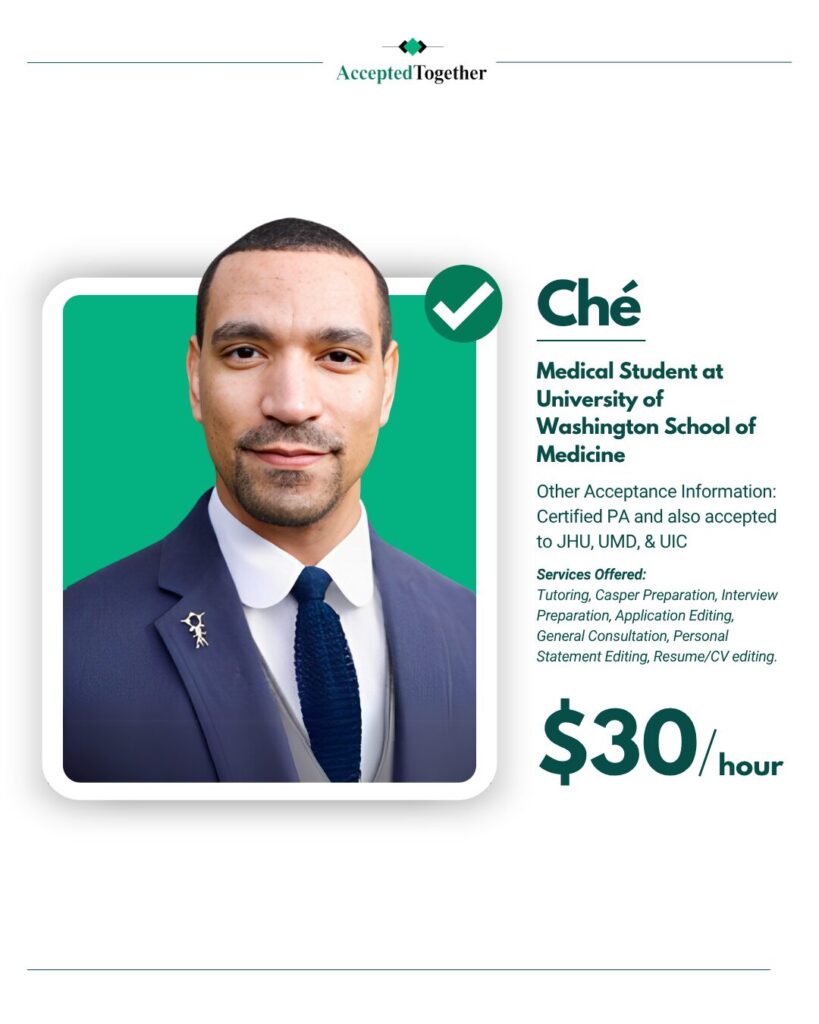
Click to see hundreds of consultants who can mentor you:

Letters of Evaluation (LoE): The 2026 Strategy
You are allowed up to five letters, but CASPA requires at least two letters to be received before your application is considered “Complete” and sent to the verification queue (PAEA).
A “Complete” application in 2026 requires:
- Submission of the application and fees.
- All official transcripts received by CASPA.
- At least two of your evaluations marked as “Completed.”
Pro-Tip: Do not wait for all five letters to submit. If your two strongest letters (preferably one from a PA and one from a professor) are in, hit submit to start the verification clock.
The Rise of the PA-CAT and GRE
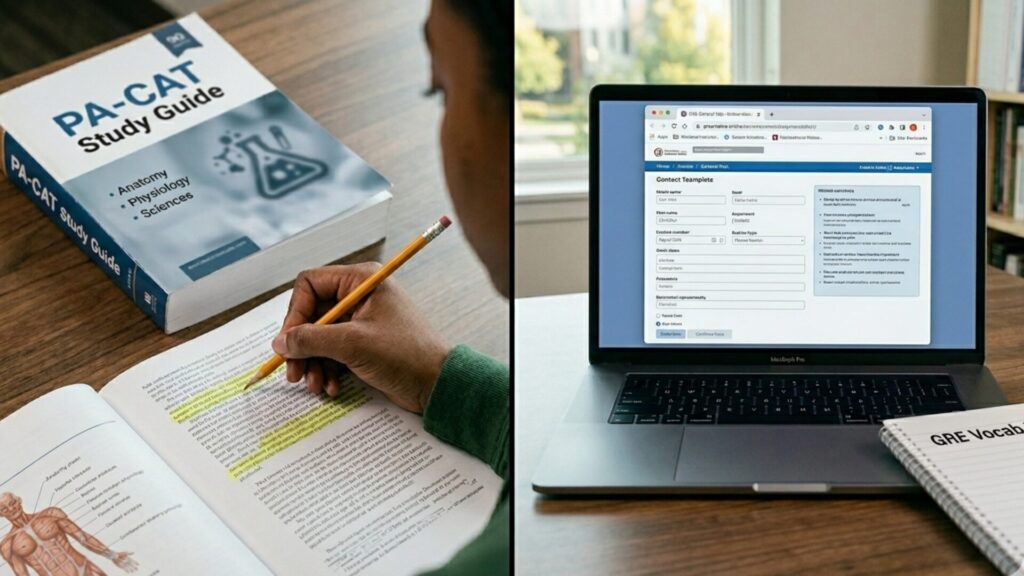
While the Graduate Record Examinations (GRE) remains the standard for the majority of programs, 2026 has seen a significant increase in schools requiring or recommending the Physician Assistant College Admission Test (PA-CAT)(PAEA Program Directory).
Unlike the GRE, which tests general quantitative and verbal reasoning, the PA-CAT is a specialized exam focusing on the sciences (Anatomy, Physiology, Microbiology, etc.). If you are applying to a mix of programs, you may find yourself needing to study for both. Always check the CASPA Program Directory (PAEA) for the most current testing requirements for the 2026-2027 cycle.
Frequently
Asked Questions about
CASPA 2026-2027
Yes, most schools allow “In-Progress” (IP) courses. However, terms containing IP courses cannot be marked as “Complete” until you update them later in the cycle (Liaison International). Be sure to check each program’s specific “outstanding prerequisite” limit (usually no more than 1 or 2).
No. CASPA only accepts transcripts sent directly from the registrar’s office. Any transcript sent by the applicant, even if official and unopened, will be rejected (PAEA).
“Complete” means CASPA has everything they need to start working. “Verified” means they have finished the audit and calculated your GPA. Some programs require you to be “Verified” by their deadline, not just “Complete” (PAEA Policies).
While the profession is transitioning to the title “Physician Associate,” the CASPA portal and many official state documents still use “Physician Assistant.” It is best to use “Physician Assistant” for formal titles and “PA” for general references to avoid confusion with older admissions software.