TL;DR: The 2026 Dental School Selection Summary
- The “Magic Number”: Apply to 12–15 schools to balance cost and acceptance probability.
- ROI Focus: Prioritize In-State Public Schools first; then look at high-volume clinical private schools with lower relative tuition.
- Mission Fit: Categorize schools into Research-Heavy (e.g., Columbia, UCSF) vs. Clinical-Heavy (e.g., Temple, NYU, LECOM).
- OOS Strategy: Only apply to Out-of-State (OOS) schools where the OOS Interview Rate is >15%.
- The Secondary Cost: Budget an average of $100–$150 per school for secondary fees on top of the AADSAS base fee.
The High Stakes of 2026 Dental School Tuition
As we enter the 2026–2027 cycle, the Total Cost of Attendance (COA) at many private dental schools has surpassed the $500,000 threshold. When you factor in the current student loan interest rates, a graduate could easily face a $6,000+ monthly loan payment.
Choosing a school is no longer just about “getting in”; it is about Return on Investment (ROI). We believe a strategic school list is one that minimizes debt while maximizing your specific clinical goals. Before you add a school to your AADSAS portal, you must ask: Does this school’s mission align with my ‘Why Dentistry’ story? If you haven’t defined that story yet, revisit our Dental School Personal Statement Masterclass to identify your core “Pillars of Competency.”
Understanding “Mission Fit”: The Three School Archetypes
Dental schools are not monolithic. They are funded differently and produce different types of clinicians. In the 2026 cycle, schools are using Holistic Review to find students who fit their specific “Mission.”
The Research-Heavy Powerhouses
Schools like Harvard, Columbia, UCSF, and Penn prioritize the “Scientist” pillar.
- Ideal Candidate: High DAT scores (460+ on the new scale), significant research hours, and a desire for specialty training.
- Application Strategy: Ensure your [AADSAS Experience Section Guide] highlights your lab work and publications as “Most Important.”
The Clinical “Super-Clinics”
Schools like Temple, NYU, Midwestern (AZ/IL), and Roseman focus on producing high-volume general dentists.
- Ideal Candidate: Strong Manual Dexterity evidence, high “grit,” and an interest in going straight into private practice.
- Application Strategy: Emphasize your chairside hours and hands-on hobbies. These schools want to know you won’t struggle in the simulation lab.
The Service-Oriented Institutions
Schools like Loma Linda, Meharry, Howard, and AT Still look for the “Advocate” pillar.
- Ideal Candidate: Hundreds of hours of community service with underserved populations and a clear commitment to public health.
- Application Strategy: Your personal statement should lead with your volunteer impact and cultural competence.
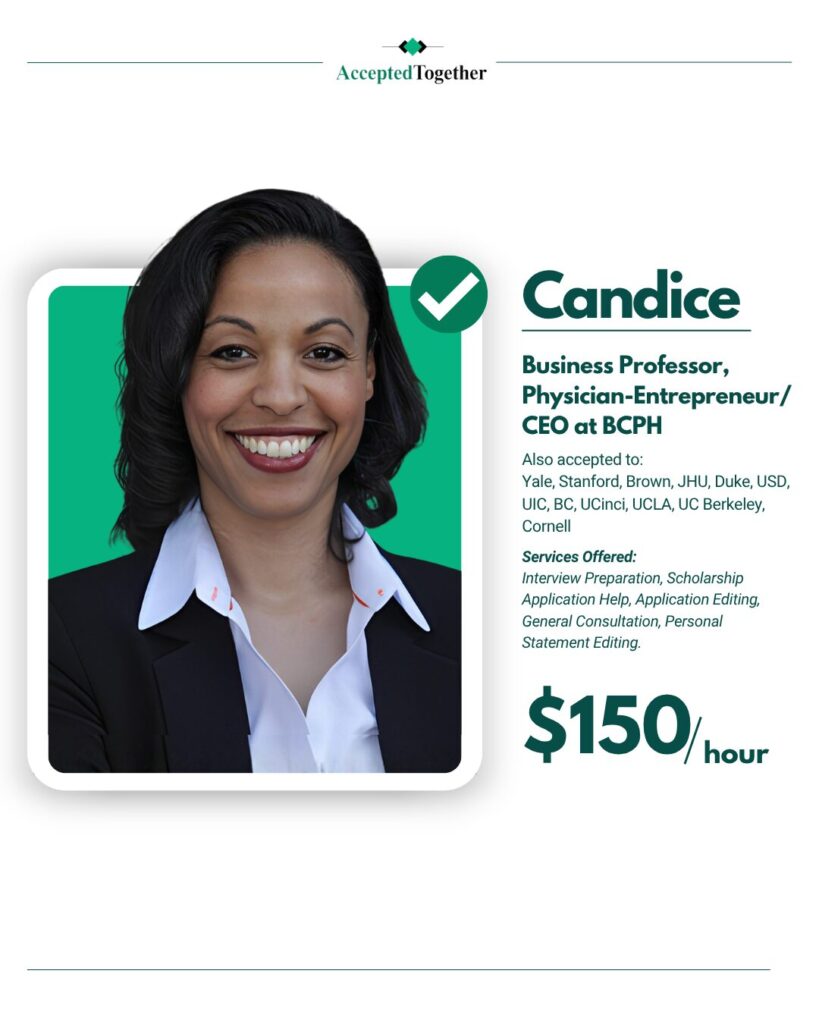
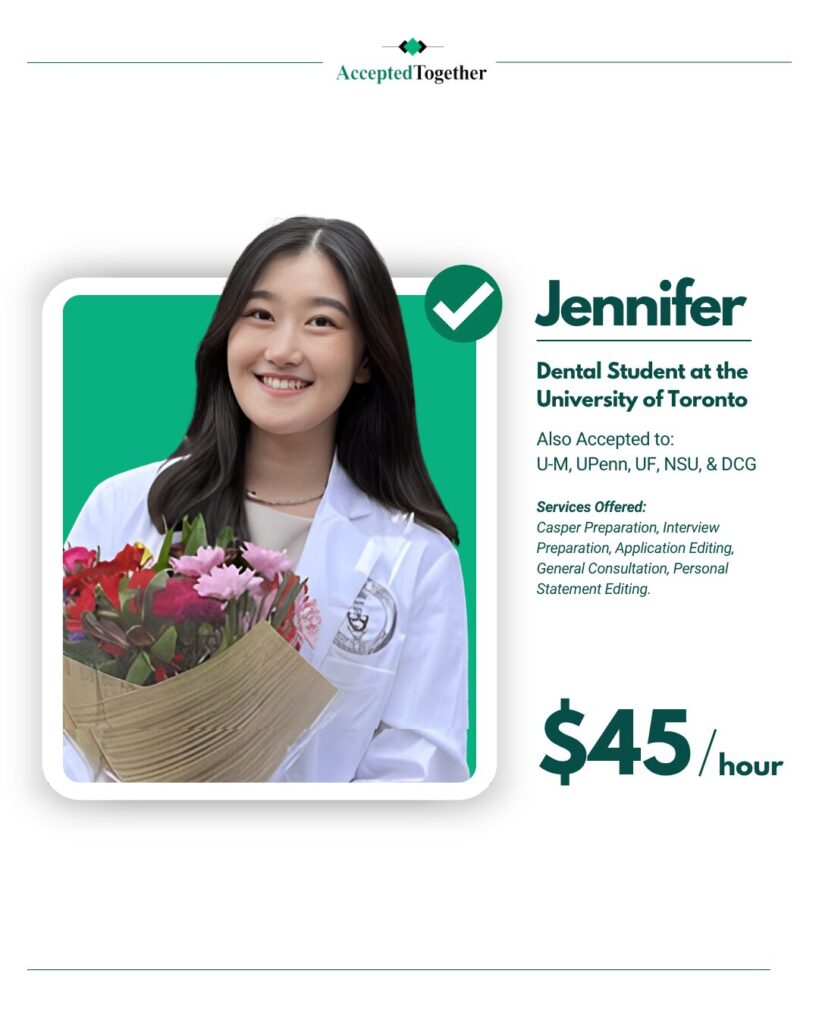
Click to see hundreds of consultants who can mentor you:
The ROI Calculation: Public vs. Private
In 2026, the Debt-to-Income Ratio for new dentists is a primary concern for the ADA.
The In-State Advantage
Your best ROI will almost always be your In-State Public School. For example, a resident attending UT Health San Antonio or the University of Florida will pay significantly less than an OOS student at a private school.
- Fact: In-state tuition is often 40-60% cheaper than private alternatives.
Private Schools with High Clinical Value
If you don’t have a state school, or if your state school is hyper-competitive, look for private schools where the high tuition buys you clinical volume.
- ROI Hack: Schools like LECOM offer a “PBL” (Problem-Based Learning) curriculum that can be more affordable than traditional lecture-based private schools.
The Out-of-State (OOS) Trap: Identifying “OOS-Friendly” Schools
One of the most expensive mistakes you can make is applying to a state school that only accepts 1% of non-residents. You are essentially donating your application fee.
How to Spot an OOS-Friendly School
Check the ADEA Official Guide to Dental Schools for the “OOS Interview Rate.”
- OOS-Unfriendly: Schools like LSU or Georgia have strict residency requirements. Unless you have a massive tie to the state, do not apply.
- OOS-Friendly: Schools like Creighton, Louisville, and Ohio State are known for taking a significant percentage of non-resident students.
Strategic Categorization: The “Reach, Match, Safety” Model
For the 2026 cycle, your list of 15 schools should be broken down as follows:
Safety Schools (3–4 Schools)
These are schools where your new 200–600 DAT score and GPA are in the top 75th percentile of their last entering class. Usually, these are your in-state schools or private schools with slightly lower average stats.
Match Schools (7–8 Schools)
This is the meat of your list. Your stats should align perfectly with the school’s reported averages. Focus heavily on “Mission Fit” here.
Reach Schools (2–3 Schools)
These are the “Dream Schools” (e.g., Harvard, UCLA). Even if your stats are slightly below their 90th percentile, if your Manual Dexterity and Personal Statement are elite, you have a non-zero chance.
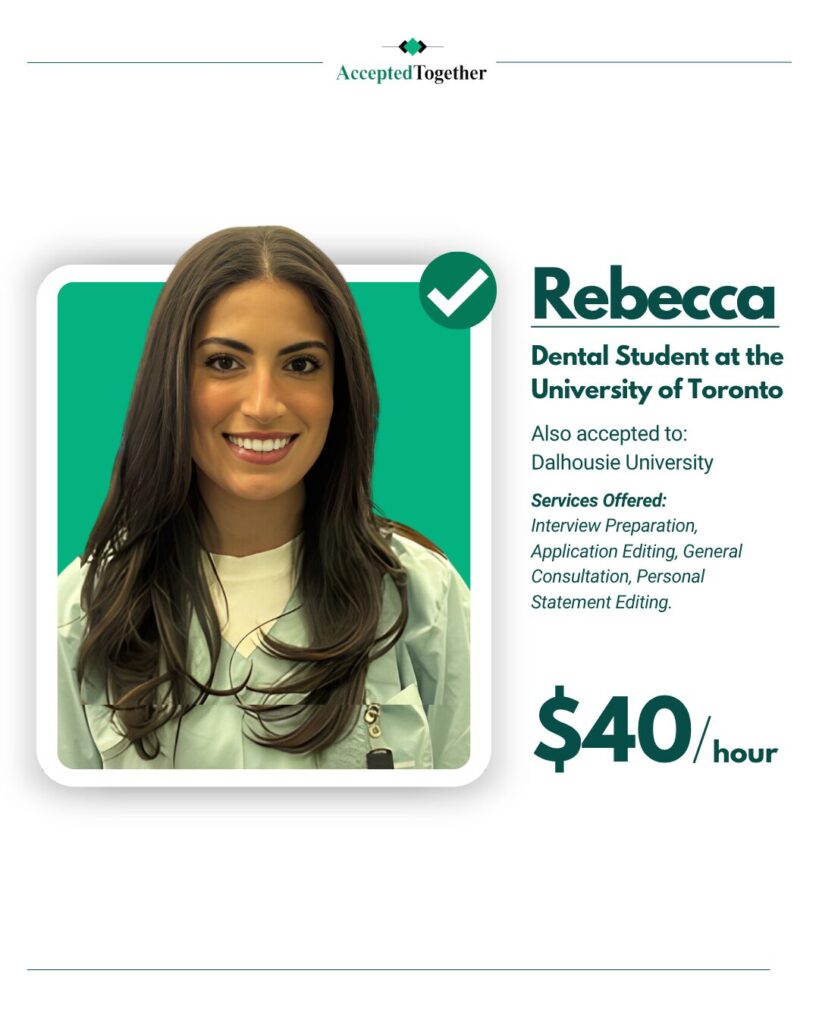
Click to see hundreds of consultants who can mentor you:
Budgeting for the 2026 Cycle
Applying to dental school is an investment before you even pay tuition.
- AADSAS Base Fee: ~$264 for the first school.
- Additional Schools: ~$115 each.
- Secondary Fees: ~$50 to $150 per school.
- CASPer / Altus Suite Fees: ~$100–$150 depending on the number of schools.
Total for 15 schools: Expect to spend $2,800–$3,500 just on the application process. This is why “Mission Fit” is so important—every “bad fit” school is $200 down the drain.
Conclusion: The Final Filter
Your dental school list is the final filter of your hard work. You have mastered the DAT, refined your personal statement, and categorized your experiences. Now, you must be a Strategic Auditor of your own list.
Don’t apply to a school because of its name; apply because its mission matches your hands and its cost matches your future. By balancing ROI with Mission Fit, you ensure that the “Accepted” email you receive this winter is the start of a sustainable, rewarding career.
Frequently
Asked Questions about
Dental School Selection
Yes! You can add schools at any time during the cycle. However, remember that you will still have to complete their secondary applications, which can delay your “Complete” status.
If the school is a “Match” or “Safety,” yes. CASPer (https://takealtus.com/casper/) is becoming more common in 2026 to measure the “Advocate” and “Social Skill” pillars. Do not let a 90-minute test stop you from applying to a great fit.
Absolutely. Because of the 10–14 day DAT score delay, being “Verified” by July 1st is the only way to ensure you are considered for the first batch of interview invites in August.
If you are dead-set on specializing (Orthodontics, Oral Surgery), the ROI of a school like Columbia or UConn is higher because their specialty match rates are among the highest in the country.