
Last updated on January 9th, 2026 at 06:27 am
Program Overview & Institution Identity
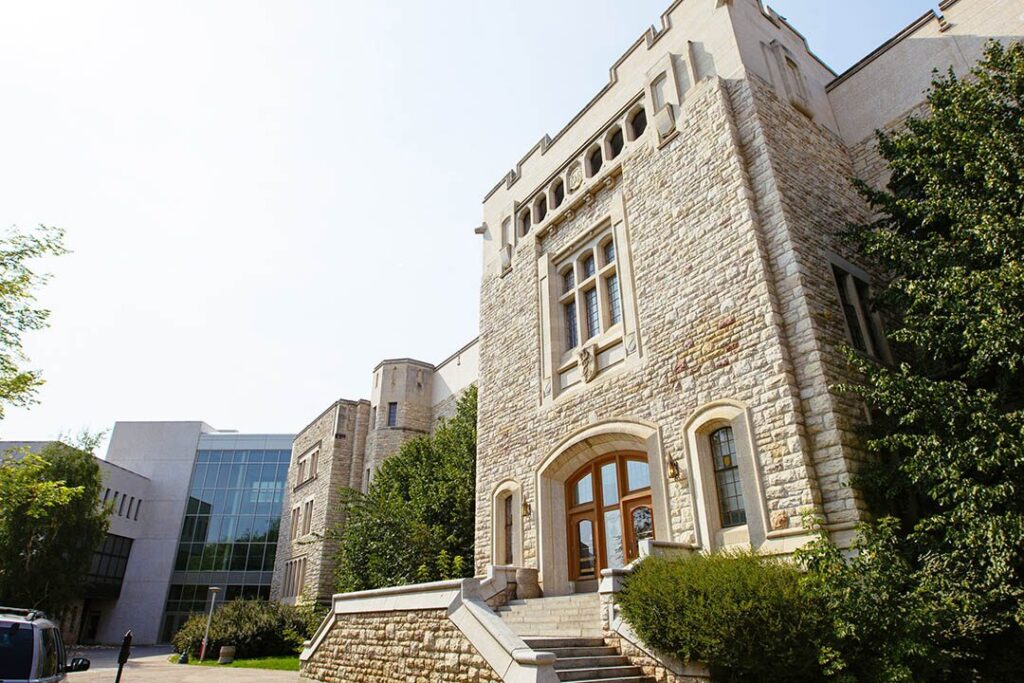
The University of Saskatchewan College of Medicine is a prestigious Canadian medical school located in Saskatoon, Saskatchewan. As the province’s only medical school, it holds a unique position in training physicians to serve the diverse healthcare needs of Saskatchewan and beyond.
Official Program Details
- Official Name: University of Saskatchewan College of Medicine
- Program Duration: 4-year MD program (does not include the required 4-year undergraduate degree)
- Program Type: Full-time, undergraduate medical education (UGME)
- Location: Saskatoon, Saskatchewan, Canada (Urban Campus)
- Additional Campuses: Regina and Prince Albert for clinical rotations
Unique Program Features
The University of Saskatchewan College of Medicine offers several distinctive characteristics:
- Combined Degree Options: MD/MBA program available for students seeking business expertise alongside medical training
- Rural Focus: Strong emphasis on rural and remote healthcare, with clinical experiences throughout Saskatchewan’s rural communities
- Global Health Certification: Opportunities for students to earn Global Health Certification during pre-clerkship years
- Distributed Medical Education: Clinical training occurs across multiple sites including Saskatoon, Regina, Prince Albert, and rural communities throughout Saskatchewan
Accreditation Status
The University of Saskatchewan College of Medicine is fully accredited by:
- CACMS (Committee on Accreditation of Canadian Medical Schools): The primary accrediting body for Canadian medical schools
- LCME (Liaison Committee on Medical Education): Joint accreditation with LCME ensures North American recognition
This dual accreditation ensures that graduates meet the highest standards for medical education and are eligible for residency training across North America.
Recognition and Mission
The college’s mission focuses on improving the health and well-being of agricultural, rural, and remote populations. This unique mandate sets it apart from other Canadian medical schools, emphasizing community service and rural healthcare delivery.
Admission Requirements
Academic Prerequisites
Minimum Degree Requirements
- 4-year baccalaureate degree must be completed prior to entering the MD program
- Minimum of 120 credit units (or equivalent professional degree)
- Degree must be from a recognized and accredited post-secondary institution
GPA Requirements
Saskatchewan Residents (including Indigenous Admissions Pathway and DSAAP):
- Minimum UAA (University Academic Average): 75%
- Competitive Average: The median GPA for admitted students is 90.3%
- Calculation Method: Based on all university-level coursework attempted
Non-Saskatchewan Residents:
- Minimum UAA: 85%
- Competitive Average: Significantly higher than minimum due to limited out-of-province seats
- Out-of-province applicants face much more competitive requirements
Standardized Testing Requirements
MCAT (Medical College Admission Test)
Saskatchewan Residents:
- MCAT required for all applicants
- Median MCAT Score: 510 (for admitted students)
- Minimum Cutoff for Interview: Total score >492 with section minimums:
- BBFL: 123
- CARS: 122
- CPBS: 123
- PSBB: 123
- Only most recent MCAT score considered
- Earliest acceptable test date: January 2018
Non-Saskatchewan Residents:
- Minimum MCAT: 510 total score with minimum 127 in each section to apply
- Interview Cutoff: 521 total score with CARS and UAA used for tie-breaking
- Much higher competitive threshold than Saskatchewan residents
CASPer Test
- Required for all applicants (Saskatchewan and non-Saskatchewan residents)
- Computer-Based Assessment for Sampling Personal Characteristics
- Pass cutoff set by Admissions Committee for interview invitation
- Assesses personal and professional characteristics, ethical reasoning
Extracurricular Activities & Experience Requirements
The University of Saskatchewan College of Medicine uses a holistic evaluation approach that considers:
- Research Experience: Valued but not mandatory; various types accepted (basic science, clinical, public health)
- Clinical Exposure: Direct patient interaction through volunteering, shadowing, or employment in healthcare settings
- Community Service: Volunteer work demonstrating commitment to service
- Leadership Experience: Roles in organizations, clubs, or community initiatives
- Rural/Remote Experience: Particularly valued given the school’s mandate
Special Pathways:
- Indigenous Admissions Pathway (IAP): Special consideration for Indigenous applicants
- Diversity and Social Accountability Admissions Program (DSAAP): Pathway for underrepresented students
- Black Student Admissions Pathway (BSAP): Introduced in 2025 application cycle to increase Black student representation
Application Process & Timeline
Application System
- Application Portal: Direct application through the University of Saskatchewan
- Application Deadline: October 1, 2025 (for 2026 entry)
Required Documents
- Official Transcripts: From all post-secondary institutions attended
- MCAT Scores: Official scores from AAMC
- CASPer Test Results: Completed within application cycle
- References: 3 references from supervisors in research, volunteer, or employment roles
- Personal Essays: Including potential BSAP essay for eligible applicants
- Academic/Non-Academic Misconduct Check
Interview Process
Multiple Mini Interview (MMI)
- Format: Virtual format with multiple stations
- Purpose: Assesses communication skills, ethical reasoning, empathy, and professionalism
- Pass Cutoff: Set by Admissions Committee
Panel Interview (for Saskatchewan residents)
- Following successful MMI completion
- Assesses fit with Saskatchewan’s healthcare needs
- Special Panels: BSAP applicants interviewed by Black physician and Black medical learner panel
Selection Criteria
Saskatchewan Residents:
- 30% UAA + 20% MCAT + 50% MMI = Admission Rank Number (ARN)
Non-Saskatchewan Residents:
- 100% MMI determines final ranking after meeting academic thresholds
Admission Statistics & Success Rates
Overall Competitiveness
- Overall Acceptance Rate: Approximately 12.1% (Class of 2028)
- Total Applicants: 980 applicants for Class of 2028
- First Year Class Size: 108 students
- Interview Invitations: 349 students invited to MMI
- Final Interview Stage: 255 students advanced to panel interviews
Academic Statistics of Admitted Students
- Median GPA: 90.3%
- Median MCAT: 510
- MCAT Range: 495-523 (25th-75th percentile based on recent data)
Demographics and Background
Geographic Distribution (Class of 2028):
- Saskatchewan graduates: 86%
- Western Canada (outside SK): 8%
- Eastern Canada (outside SK): 5%
- Rural background: 19% of accepted class
Academic Background:
- Age Distribution:
- Under 25: 77%
- 25-29: 19%
- Over 29: 4%
- Gender: 60% identify as female
- Diversity: 45% identify as visible minority/racialized person
- Indigenous Students: 5 students (verified through USask Indigenous Truth Policy)
Undergraduate Majors:
- Physical and Applied Sciences: 47 students
- Biological Sciences: 23 students
- Kinesiology: 17 students
- Arts, Humanities, Social Sciences: 9 students
- Other programs: 12 students
Comparison with Other Schools
The University of Saskatchewan College of Medicine’s acceptance rate of 12.1% makes it moderately competitive among Canadian medical schools, with strong preference for Saskatchewan residents and those with rural connections.
Tuition & Financial Information
Medical School Tuition Structure
The University of Saskatchewan College of Medicine follows a fixed annual tuition model for medical students, which differs from the per-credit system used in most undergraduate programs.
Current Tuition Rates (2025-2026)
Note: Specific MD program tuition rates were not explicitly detailed in available sources, but medical programs typically follow professional program pricing structures.
Professional Programs at USask (Reference Point):
- Dentistry (DMD): $42,000+ CAD for in-province students
- Law: $18,309 CAD for domestic students, $88,616 CAD for international students
- Pharmacy (PharmD): $24,145 CAD (Year 1) for domestic students
Estimated Medical School Costs:
Based on similar professional programs, estimated annual costs for the MD program:
- Saskatchewan Residents: Approximately $15,000-25,000 CAD per year
- Out-of-Province Students: Significantly higher (professional programs typically charge premium rates)
- International Students: Substantially higher rates (often 3-5x domestic rates)
Total Program Cost Analysis
4-Year MD Program Estimated Total Cost:
- Saskatchewan Residents: $60,000-100,000 CAD total program cost
- Living Expenses: Additional $15,000-20,000 CAD per year in Saskatoon
- Total Cost of Attendance: $120,000-180,000 CAD over 4 years
Financial Aid Options
University-Based Support
- Guaranteed Entrance Scholarships: Available for high academic achievement:
- 95%+ average: $3,000
- 93-94.9% average: $2,000
- 90-92.9% average: $1,000
- 85-89.9% average: $500
Government Financial Aid
- Saskatchewan Student Financial Assistance
- Canada Student Loans Program
- Provincial loan forgiveness programs for rural practice
Specialized Medical Funding
- Rural Physician Incentive Program: Up to $200,000 for physicians committing to rural practice
- Indigenous health scholarships and bursaries
- Professional program-specific awards
Living Costs in Saskatoon
Saskatoon offers relatively affordable living costs compared to larger Canadian cities:
- Average rent: $800-1,200 CAD/month
- Living expenses: $1,200-1,500 CAD/month total
- Transportation: Public transit and bike-friendly city
Click To See Hundreds Of Consultants Who Can Mentor You:

Curriculum & Program Structure
4-Year Program Timeline
Years 1-2: Pre-Clerkship
Educational Philosophy:
- Integration of basic sciences with clinical application
- Problem-based and case-based learning approaches
- Early patient interaction through standardized patient encounters
Core Components:
- Basic Sciences: Anatomy, physiology, pathology, pharmacology, microbiology
- Clinical Skills: History-taking, physical examination techniques
- Medical Ethics and Professionalism
- Population Health and Epidemiology
- Communication Skills Training
Special Opportunities:
- Research Projects: Students can participate in faculty research
- Global Health Certification: Optional certification program
- Community Health Experiences: Early exposure to community medicine
Years 3-4: Clerkship
Year 3 Core Rotations:
- Internal Medicine
- Surgery
- Pediatrics
- Obstetrics and Gynecology
- Psychiatry
- Family Medicine
- Emergency Medicine
Clinical Sites:
- Urban Centers: Saskatoon, Regina, Prince Albert
- Rural Communities: Extensive network throughout Saskatchewan
- Remote Locations: Northern and Indigenous communities
Year 4 Electives:
- Specialty Exploration: Rotations in chosen specialties
- Away Rotations: Opportunities at other Canadian medical schools
- Research Electives: Extended research projects
- International Electives: Global health opportunities
Educational Innovation
- Rural Immersion: Mandatory rural experiences
- Indigenous Health Focus: Curriculum integrated with Indigenous health perspectives
- Simulation-Based Learning: High-fidelity simulation center
- Interprofessional Education: Collaboration with other health professional students
Assessment Methods
- Pre-Clerkship: Mix of examinations, practical assessments, and portfolio-based evaluation
- Clerkship: Clinical evaluations, oral examinations, standardized patient encounters
- National Benchmarks: Participation in national assessment initiatives
Residency Preparation
Match Rates: University of Saskatchewan graduates have strong match rates in the Canadian Resident Matching Service (CaRMS):
- Overall Match Rate: >95% of graduates successfully match
- Saskatchewan Preference: Many graduates remain in Saskatchewan for residency training
- Rural Medicine: Strong pipeline to rural family medicine and other specialties
Specialty Training Support:
- Academic advising throughout medical school
- Research opportunities to strengthen residency applications
- Interview preparation and support
- Strong alumni network in various specialties
Pre-Medical Preparation
Optimal Undergraduate Planning
Recommended Academic Backgrounds
The University of Saskatchewan College of Medicine accepts students from diverse undergraduate backgrounds. No specific undergraduate major is required, but students should demonstrate:
Strong Academic Foundation:
- Sciences: Biology, chemistry, physics coursework beneficial but not mandatory
- Liberal Arts: Philosophy, ethics, sociology enhance critical thinking
- Mathematics/Statistics: Helpful for research and evidence-based medicine
- Communication Skills: English, writing-intensive courses important
Recent Changes (2026 Admission):
- Indigenous Studies Prerequisite: New requirement for successful completion of Indigenous Studies coursework
- This reflects the school’s commitment to reconciliation and culturally safe healthcare
GPA Optimization Strategies
For Saskatchewan Residents:
- Target GPA: Aim for 85%+ to be competitive (median admitted: 90.3%)
- Consistency: Maintain strong performance throughout degree
- Course Selection: Balance challenging courses with GPA maintenance
- Grade Trends: Upward trajectory preferred if early struggles occurred
For Out-of-Province Applicants:
- Target GPA: Minimum 90%+ required for competitiveness
- Exceptional Performance: Must demonstrate academic excellence consistently
- Unique Experiences: Strong extracurriculars needed to stand out
Standardized Test Preparation
MCAT Preparation Timeline
Recommended Schedule:
- 12-18 months before application: Begin MCAT preparation
- 6-9 months of study: Dedicated preparation period
- Spring/Summer testing: Optimal timing for fall applications
Saskatchewan Residents:
- Target Score: 505+ competitive, 510+ strong
- Section Balance: Ensure all sections meet minimum thresholds
- Retake Consideration: Only most recent score considered
Out-of-Province Applicants:
- Target Score: 515+ for competitiveness
- CARS Emphasis: Critical for tie-breaking with UAA
- Multiple Attempts: Consider early attempt if first score suboptimal
CASPer Test Preparation
- Practice Scenarios: Ethical dilemmas, conflict resolution
- Timing Practice: Quick, thoughtful responses required
- Professional Communication: Clear, empathetic writing style
- Current Events: Stay informed about healthcare issues
Experience Building
Clinical Experience
Types of Valuable Experience:
- Hospital Volunteering: Direct patient interaction preferred
- Healthcare Employment: Nursing aide, medical scribe, EMT roles
- Physician Shadowing: Understanding medical practice
- Long-term Commitments: Depth preferred over breadth
Rural Experience (Particularly Valuable):
- Rural Hospital Volunteering
- Remote Community Service
- Agricultural Community Involvement
- Northern/Indigenous Community Work
Research Experience
Research Types Valued:
- Health Services Research: Population health, policy analysis
- Basic Sciences: Laboratory research in medical fields
- Clinical Research: Patient-oriented research projects
- Community-Based Research: Partnerships with communities
Research Outcomes:
- Publications: Peer-reviewed papers enhance applications
- Conference Presentations: Demonstrate scholarly engagement
- Research Awards: Recognition of research excellence
- Long-term Projects: Sustained involvement preferred
Leadership and Service
Leadership Opportunities:
- Student Government: University or college leadership roles
- Community Organizations: Non-profit board service, volunteer coordination
- Healthcare Settings: Leading volunteer initiatives
- Academic Settings: Teaching assistantships, peer mentoring
Service Focus Areas:
- Healthcare Access: Working with underserved populations
- Rural Communities: Service in small towns or remote areas
- Indigenous Communities: Respectful partnership and service
- Global Health: International development or service learning