Last updated on January 9th, 2026 at 06:27 am
Program Overview & Institution Identity
Official Program Name and Location
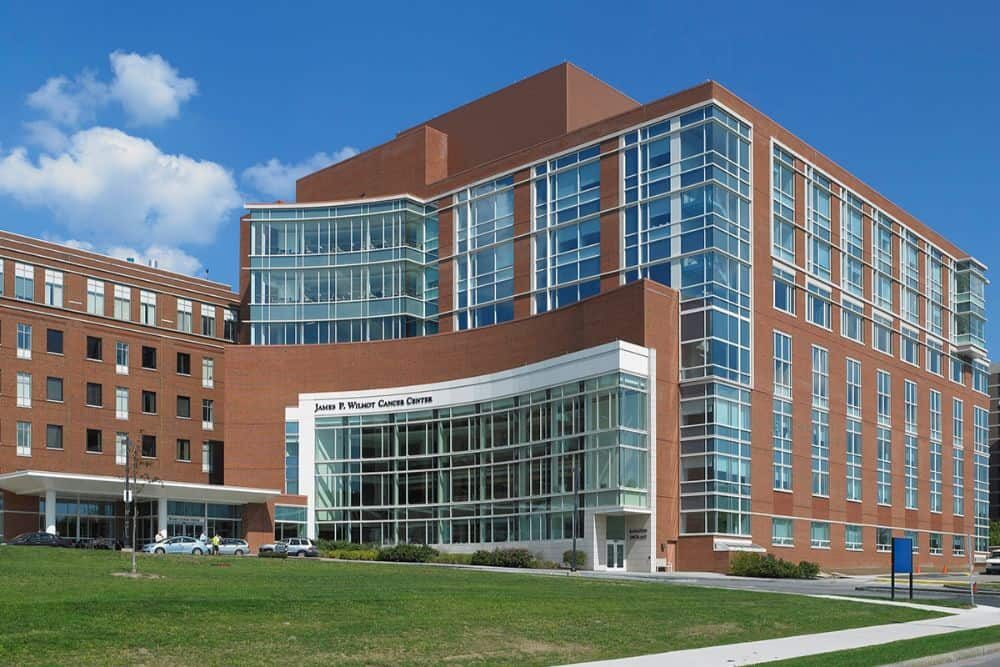
The University of Rochester School of Medicine and Dentistry, located in Rochester, NY, is a prestigious private medical institution that has been training physicians since 1925. Situated on an urban campus alongside the School of Nursing, Eastman Institute for Oral Health, Wilmot Cancer Center, Strong Memorial Hospital, and Golisano Children’s Hospital, the school provides students with extensive clinical training opportunities in a comprehensive academic medical center.
Accreditation and Recognition
The University of Rochester School of Medicine and Dentistry is fully accredited by the Liaison Committee on Medical Education (LCME), ensuring that the MD program meets educational requirements for licensure in all fifty states and the District of Columbia. This prestigious institution ranks #42 among the best medical schools nationally and #20 for highest MCAT scores, reflecting its commitment to academic excellence.
Program Duration and Structure
The University of Rochester offers a 4-year MD program structured around the innovative “Double Helix Curriculum—Translations and Transitions.” This unique curriculum integrates scientific foundations with clinical medicine, emphasizing early clinical exposure while teaching the scientific foundations of medicine across four distinct phases. The school also offers combined degree programs including BS/MD, MD/MPH, MD/MBA, and MD/PhD options.
Distinctive Features
The University of Rochester School of Medicine is guided by the core principle of “Meliora,” meaning “Ever Better.” The school is renowned for pioneering the biopsychosocial model of medical education, which integrates biological, psychological, and social aspects of disease and treatment. This approach ensures that graduates develop into physicians who see not only the disease but the complete person.
Admission Requirements
Academic Prerequisites
The University of Rochester requires all applicants to have completed a bachelor’s degree from an accredited institution. While specific prerequisite courses may vary, the school expects students to have a strong foundation in the sciences, including:
- Biology: Including courses in general biology, cell biology, and molecular biology
- Chemistry: General chemistry and organic chemistry with laboratory experience
- Physics: One year of physics with laboratory
- Mathematics: Including statistics and calculus
- English: One year of English composition or literature
Students are encouraged to pursue diverse academic backgrounds, as the school values applicants from various undergraduate majors including biology, chemistry, neurosciences, psychology, and non-science fields such as business, international studies, and anthropology.
GPA Requirements
The University of Rochester School of Medicine sets high academic standards for its applicants:
- Median GPA: 3.91 overall
- Science GPA: Approximately 3.80
- Competitive Range: Most successful applicants have GPAs above 3.8
While there is no strict minimum GPA requirement, the median statistics reflect the highly competitive nature of admissions. The admissions committee uses a holistic approach that considers academic performance alongside other factors.
MCAT Requirements
All applicants, except those in special programs (Rochester Early Medical Scholars, Early Assurance Program, and Post-bac Linkage Program), must take the Medical College Admission Test (MCAT):
- Median MCAT Score: 518 (94th-95th percentile nationally)
- Score Validity: MCAT scores must be current and valid
- Retake Policy: Multiple attempts are considered, with emphasis on the most recent scores
The high median MCAT score of 518 demonstrates the school’s expectation for excellence across all sections of the exam.
Additional Testing
Currently, the University of Rochester does not require the CASPer test or other supplemental assessments beyond the MCAT for most applicants.
Extracurricular Activities & Experience Requirements
The University of Rochester uses a holistic admissions process that evaluates:
- Clinical Experience: Meaningful exposure to healthcare settings and patient interaction
- Research Experience: 92% of students are involved in research during medical school, indicating strong value placed on research experience
- Community Service: Demonstration of commitment to service and community engagement
- Leadership: Evidence of leadership potential and collaborative skills
- Advocacy: Experience in community advocacy and working with marginalized populations
The school particularly values applicants who demonstrate evidence of curiosity through research and innovation, along with human connection through clinical experiences and community engagement.
Application Process & Timeline
Application System
The University of Rochester School of Medicine participates in the American Medical College Application Service (AMCAS). Here’s the complete application timeline:
Important Deadlines
- AMCAS Opens: May 27, 2025
- Primary Application Deadline: October 15, 2025
- Secondary Application Deadline: November 15, 2025
- Secondary Application Fee: $100 (non-refundable)
- Letters of Recommendation Deadline: November 22, 2025
Application Process Steps
- Primary Application: Submit through AMCAS by October 15th
- Secondary Application: After AMCAS verification, complete the school-specific secondary application through the applicant portal
- Letters of Recommendation: Submit via AMCAS Letter Service — either composite letters from pre-health advisory committees or minimum of 3 individual letters on official letterhead
Interview Process
- Format: All interviews are conducted virtually
- Timeline: September through mid-March
- Selection Criteria: Holistic evaluation considering MCAT, GPA, activities, experiences, letters of recommendation, personal statements, background, undergraduate institution, and mission alignment
- Interview Requirement: Required for admission
Applicants selected for interviews receive email notifications with scheduling instructions and confirmation details.
Admission Statistics & Success Rates
Overall Competitiveness
The University of Rochester School of Medicine and Dentistry is extremely competitive:
- Acceptance Rate: Approximately 1.7%
- Applications Received: Approximately 5,669–6,200 completed applications annually
- Class Size: 102 students (with additional students from special programs)
- Interview Rate: Approximately 711 interviews conducted for 105 class positions
Class Demographics (Class of 2026)
- Gender Distribution: 49 women, 54 men, 7 non-binary students
- Average Age: 24 years (45% are 24 or older)
- Age Range: 21–32 years
- Diversity: 64 students identify as non-Caucasian, 16 considered historically underrepresented in medicine
- Geographic Distribution: Students from 26 different states, with New York, Massachusetts, and California representing the largest groups
- International Students: 17 students born outside the United States
- Languages Spoken: 34 different languages including American Sign Language
Academic Profile of Admitted Students
- Undergraduate Institutions: 57 different colleges and universities represented
- Major Distribution:
- 30% Biology or related majors
- 24 Chemistry or Biochemistry majors
- 13 Neuroscience majors
- 6 Psychology majors
- Various non-science majors including business, international studies, political science, history, and anthropology
- Academic Recognition: Most graduates earned Latin Honors and many received departmental, university, and national honors society recognitions
Waitlist Information
Specific waitlist statistics are not publicly disclosed, but the school follows standard medical school practices for waitlist management and communication throughout the admissions cycle.
Tuition & Financial Information
Tuition and Fees (2025-2026)
- Tuition: $74,659 per year (same for all students regardless of residency status)
- Private Institution: No in-state/out-of-state tuition differential
- Additional Fees: Technology fees, student services, health insurance, laboratory fees, and clinical rotation fees apply
Total Cost of Attendance
The total cost of attendance includes tuition, fees, living expenses, and other educational costs. Students should budget for:
- Room and board in Rochester, NY
- Books and supplies
- Transportation costs
- Personal expenses
- Equipment and technology needs
Financial Aid Overview
The University of Rochester School of Medicine provides substantial financial assistance:
- Students Receiving Aid: 81% of medical students rely on financial assistance beyond family resources
- Loan Recipients: 71% use student loans
- Scholarship Recipients: Approximately 66% of borrowers also receive scholarship assistance from the school
- Need-Based Aid: 63% of students finance their education through low-cost student loans, with 54% of borrowers also receiving scholarships
Types of Financial Aid
Need-Based Scholarships
- The majority of financial assistance is awarded based on demonstrated financial need
- Determined through comprehensive family financial analysis including student, spouse, and parental resources
- Funded through donor gifts, endowed funds, and annual contributions
- Recipients may be asked to write thank-you notes to scholarship donors
Merit-Based Scholarships
- Limited number of merit-based scholarships available
- Awarded at admission based solely on academic strength
- Guaranteed for all four years with satisfactory academic progress
- No separate application required
Federal Loan Programs
- Unsubsidized Federal Direct Stafford Loan: Primary loan source ($42,722–$47,166 annually)
- Federal Direct PLUS Loans: Additional funding if needed
- Loan counseling: Comprehensive guidance provided by Financial Aid Office
Application Process for Financial Aid
Financial aid applications must be completed annually.
For Loans Only:
- FAFSA
- University Application
- Required verification/documentation forms
For Scholarships:
- All loan application materials
- CSS Profile
- Parent and student/spouse tax returns and W-2s
- Any additional verification documents requested
Click To See Hundreds Of Consultants Who Can Mentor You:

Curriculum & Program Structure
Double Helix Curriculum—Translations and Transitions
The University of Rochester’s innovative curriculum spans four years and teaches scientific foundations alongside clinical medicine. The curriculum emphasizes:
- Early Clinical Exposure: Students begin clinical experiences from the first day of medical school
- Integrated Learning: Scientific foundations include basic, social, and informational sciences
- Technology Integration: iPad delivery platform with various instructional methods
- Flexible Elective Time: Opportunities to tailor experiences to educational and career goals
Educational Philosophy
The curriculum is guided by Rochester’s Biopsychosocial Model, developed by Dr. George Engel, which integrates:
- Scientific and objective methods of understanding disease
- Human and relational aspects of patient care
- Broader social, cultural, societal, and environmental contexts
- Social justice, equity, and inclusion principles
Curriculum Phases
Phase One (Year 1)
Human Structure and Function (HSF) — 14-week integrated course covering gross anatomy, histology, embryology, and physiology.
Introduction to Clinical Medicine (ICM) — 18-week course teaching patient interview and physical examination skills using the biopsychosocial model.
Mastering Medical Information (MMI) — Course covering biostatistics, epidemiology, translational medicine, clinical testing, and population health.
Molecules to Cells (MTC) — 10-week course providing foundations in biochemistry, genetics, and cell biology.
Skills in Complete Patient Evaluation (SCOPE) — 10-week clinical course beginning in January, exposing students to patients across the lifespan.
Clinical Training
- Early Clinical Integration: Clinical experiences begin on the first day and continue throughout the curriculum
- Primary Care Clerkship: Completed by end of second year
- Diverse Clinical Settings: Urban, rural, ambulatory, and inpatient experiences
- Hospital Partnerships: Strong Memorial Hospital, Golisano Children’s Hospital, and affiliated clinical sites
Assessment Methods
- Problem-Based Learning (PBL)
- Team-Based Learning (TBL)
- Large and small group skills sessions
- Standardized patient encounters
- Simulation-based learning
- Traditional examinations
Special Features
Meliora in Medicine Thread
A four-year curriculum thread including:
- Medical Humanities
- Collaborative Practice
- Technology in Medicine
- Professional Identity Formation
Research Opportunities
- 92% of students participate in research during medical school
- Extensive opportunities across basic science, clinical, and translational research
- MD/PhD Medical Scientist Training Program available
Combined Degree Programs
- BS/MD: Eight-year Rochester Early Medical Scholars Program
- MD/PhD: NIH-funded Medical Scientist Training Program
- MD/MBA: Combined business and medical training
- MD/MPH: Public health integration
- Specialized Programs: OMFS residency/MD combination program
Student Outcomes & Career Preparation
USMLE Performance
- USMLE Step 1 Pass Rate: 99% (3-year average)
- Match Rate: 99% (3-year average)
- Strong preparation for board examinations and residency training
Residency Placement
University of Rochester graduates successfully match into residencies across the country:
- Wide variety of specialties represented
- Strong placement in competitive residencies
- Many graduates pursue fellowship training (approximately two-thirds of internal medicine residents enter subspecialty fellowship training)
Career Outcomes
Graduates pursue diverse career paths including:
- Academic medicine
- Rural medicine
- Research
- Administration
- Community advocacy
- Private practice
Advisory Dean Program
The school provides comprehensive support through its Advisory Dean program:
- Academic and career counseling
- Wellness and resilience support
- Professional development guidance
- Specialty-specific competencies training
- Capstone course preparation
Pre-Medical Preparation
Undergraduate Planning Recommendations
Prospective applicants should focus on:
- Strong Academic Foundation: Maintain competitive GPA while completing prerequisite courses
- Diverse Academic Background: Rochester values students from various majors, not just traditional science fields
- Research Experience: Given that 92% of students engage in research, early research involvement is valuable
- Clinical Exposure: Meaningful patient interaction and healthcare experience
- Community Service: Demonstrated commitment to service and working with underserved populations
- Leadership Development: Opportunities to develop and demonstrate leadership skills
Extracurricular Development
Successful applicants typically demonstrate:
- Long-term Commitment: Sustained involvement in activities showing dedication
- Meaningful Impact: Quality over quantity in extracurricular involvement
- Diverse Experiences: Exposure to different populations and healthcare settings
- Global Perspective: Study abroad and international experiences are valued
- Language Skills: Multilingual abilities are particularly appreciated given Rochester’s diverse patient population
Application Timeline Planning
- Junior Year: Begin MCAT preparation, research planning, and clinical experience
- Senior Year: Take MCAT, complete applications, continue meaningful experiences
- Gap Years: 69% of admitted students take at least one gap year, using time for additional experience, research, or advanced degrees
Frequently Asked Questions
Does the University of Rochester look at extracurriculars?
Yes, the University of Rochester uses a holistic admissions process that heavily weighs extracurricular activities including clinical experience, research, community service, and leadership. The school particularly values evidence of curiosity through research and human connection through community engagement.
What is the University of Rochester’s average GPA and MCAT score?
The median GPA is 3.91 overall with a science GPA of approximately 3.80. The median MCAT score is 518, which places successful applicants in the 94th–95th percentile nationally.
How competitive is the University of Rochester compared to other medical schools?
The University of Rochester is extremely competitive with an acceptance rate of approximately 1.7%, making it one of the most selective medical schools in the country. It ranks #42 nationally among medical schools and #20 for highest MCAT scores.
Does the University of Rochester prefer any type of applicant?
The University of Rochester accepts out-of-state, Canadian, and international students on a case-by-case basis. There is no residency preference as it is a private institution. The school values diversity and actively seeks students from various backgrounds, majors, and geographic regions.
What makes the University of Rochester different from other medical schools?
Rochester is unique for its pioneering biopsychosocial model, innovative Double Helix curriculum, early clinical exposure starting from day one, strong research emphasis (92% student participation), and comprehensive approach integrating medical humanities with clinical training.
When should I apply to the University of Rochester?
The AMCAS application opens May 27, 2025, with a deadline of October 15, 2025. The school recommends applying as early as possible to maximize chances of admission. Secondary applications are due November 15, 2025.
What clinical experience do I need for the University of Rochester?
While there are no specific hour requirements, Rochester values meaningful clinical exposure that demonstrates genuine interest in healthcare and patient interaction. Quality and depth of experience matter more than quantity.
Does the University of Rochester require research experience?
Research is not explicitly required but is highly valued. With 92% of students participating in research during medical school, having prior research experience demonstrates alignment with the school’s academic mission.
How many letters of recommendation does the University of Rochester require?
Rochester requires letters submitted via AMCAS Letter Service. This can be either a composite letter or pre-health advisory committee letter from your school, or a minimum of 3 individual letters on official letterhead.
What is the University of Rochester’s curriculum like?
The Double Helix Curriculum integrates basic sciences with clinical medicine from day one. It features early clinical exposure, problem-based learning, team-based learning, standardized patients, and simulation experiences.