Last updated on January 9th, 2026 at 06:27 am
Program Overview & Institution Identity
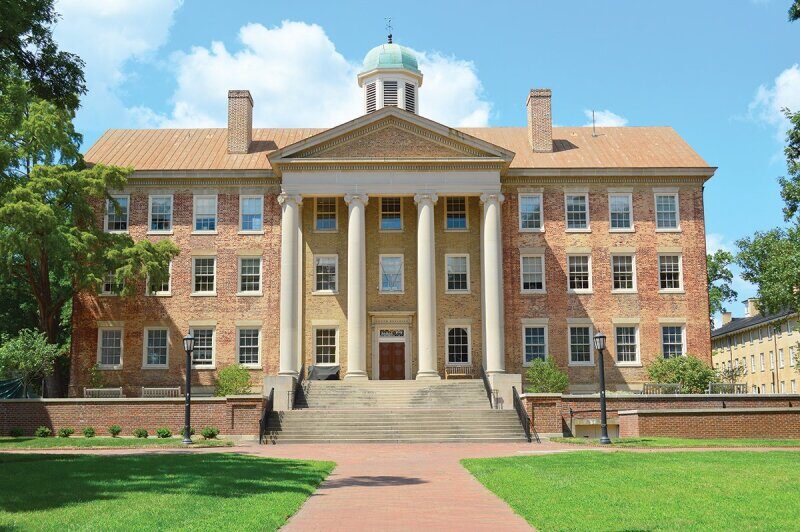
The University of North Carolina at Chapel Hill School of Medicine stands as one of the premier public medical schools in the United States, located in Chapel Hill, North Carolina. Founded in 1879, this LCME-accredited institution operates on a vibrant suburban campus and serves as the state’s largest medical school, graduating over 200 new physicians annually.
Program Structure and Duration
UNC School of Medicine offers a traditional 4-year MD program featuring the innovative Translational Education at Carolina 2.0 (TEC 2.0) curriculum launched in August 2023. This curriculum is structured in three distinct phases:
- Foundation Phase (18 months): Integrates basic, clinical, and social sciences
- Application Phase (12 months): Core clinical clerkships across six North Carolina locations
- Individualization Phase (14 months): Specialized training and electives aligned with career goals
Unique Features and Distinctions
The school offers MD/PhD dual degree programs and features a distinctive Community Health Training Program with both 3-year and 4-year pathway options. Students benefit from early clinical exposure, with longitudinal patient care experiences beginning in the first year through half-day weekly clinic sessions.
Location and Campus Network
The medical school operates across six clinical training locations: Chapel Hill (Central), Asheville, Charlotte, Greensboro, Raleigh, and Wilmington, providing diverse geographical and clinical experiences throughout North Carolina.
Accreditation and Recognition
UNC School of Medicine holds full LCME accreditation through 2027 and achieved Tier 1 rankings in both Research and Primary Care categories in U.S. News & World Report’s 2025 “Best Graduate Schools” rankings—making it one of only two medical schools in the country to achieve this distinction.
Admission Requirements
Academic Prerequisites
Degree Requirements:
- Bachelor’s degree from an accredited U.S. or Canadian institution
- For international degrees: Master’s degree or postbaccalaureate work in the U.S./Canada with at least 30 hours of AMCAS-designated BCPM coursework
Required Coursework:
- Minimum 30 credit hours of AMCAS-designated BCPM (Biology, Chemistry, Physics, Mathematics) coursework with letter grades
- One Biochemistry course (required)
- Two upper-level biology courses (required)
- Statistics course (recommended)
- Humanities coursework (recommended)
- In-person classwork strongly preferred over online courses
GPA Requirements
Academic Expectations by Residency Status:
North Carolina Residents:
- Competitive BCPM GPA: Over 3.2
- Overall undergraduate GPA: Competitive range varies
- Median GPA of matriculants: 3.87
Out-of-State Applicants:
- Overall undergraduate GPA: 3.59 or higher
- BCPM GPA: Over 3.49
- Median GPA of matriculants: 3.87
The school’s matriculants average BCPM GPA ranges from 3.6-3.7, with the overall median at 3.87.
Standardized Testing Requirements
MCAT Requirements:
- Median MCAT score of admitted students: 515 (recent data shows average of 512)
- Minimum competitive scores:
- North Carolina residents: 500 or higher
- Out-of-state applicants: 514 or higher
- MCAT scores must be completed within 3 years of matriculation
- For 2026 admission cycle: Scores from January 1, 2023, to September 13, 2025, are accepted
Extracurricular Activities & Experience Requirements
UNC School of Medicine uses a holistic evaluation process that considers:
Required/Highly Valued Experiences:
- Direct patient contact experience (one-on-one caregiving in healthcare settings)
- Research experience (basic science, clinical, or public health)
- Significant volunteer service and community engagement
- Leadership activities and roles
- Healthcare system exposure and understanding
Selection Criteria:
- Rigorous and successful academic record
- Competitive MCAT scores
- Commitment to service
- Research experience
- Healthcare experience (caring for patients one-on-one)
- Extracurricular activities
- Life and work experiences
- Strong letters of recommendation
- Excellent communication skills
- Contribution to diversity
Application Process & Timeline
Application System and Deadlines
Primary Application:
- System: AMCAS (American Medical College Application Service)
- Application Deadline: October 1, 2025
- Application Fee: $68
Secondary Application:
- Sent after primary application review
- Deadline: October 3, 2025 (recommended submission within 2 weeks of invitation)
Required Documents
Letters of Recommendation:
- Three letters required (up to five total accepted)
- Pre-Health Committee letter can count as all three required letters
- Must be submitted through AMCAS Letter Service by August 31st
- Letters must be on official letterhead and signed
Additional Requirements:
- Official transcripts through AMCAS
- Personal statement
- Work and activities descriptions
- Secondary application essays
Interview Process
Interview Format:
- Virtual interview day format
- Includes multiple components:
- Traditional interviews
- Multiple Mini Interviews (MMI)
- Group interviews
- Representatives from various School of Medicine community members participate
Interview Timeline:
- Interview invitations: September through January
- Interview status updates: All applicants receive updates by end of December
- Decision timeline: Varies by interview date
- September-November interviews: Status update by end of December
- November-January interviews: Final notification by early April
Admission Statistics & Success Rates
Acceptance Rates and Competitiveness
Overall Statistics:
- Acceptance Rate: Approximately 3.42%
- Applications received annually: ~6,000
- First-year class size: 204 students
Residency-Based Acceptance Rates:
- North Carolina residents: 8-10% (approximately 88% of matriculants are in-state)
- Out-of-state applicants: 1-2% (highly competitive with limited seats)
Academic Profile of Admitted Students
MCAT Statistics:
- Median MCAT: 515
- Average MCAT: 512
- Competitive range varies by residency status
GPA Statistics:
- Median GPA: 3.87
- BCPM GPA range: 3.6-3.7
- Science vs. overall GPA both heavily weighted
Class Composition
Geographic Distribution:
- 88% North Carolina residents
- 12% out-of-state and international students
- Accepts out-of-state, Canadian, and international applicants
Class Size and Capacity:
- 204 students per incoming class
- Clinical training capacity distributed across six locations:
- Chapel Hill (Central): 114 students
- Asheville: 35 students
- Raleigh: 30 students
- Wilmington: 30 students
- Greensboro: 12 students
- Charlotte: 9 students
Tuition & Financial Information
Tuition Rates by Residency Status
Current Annual Tuition (2024-2025):
- North Carolina residents: $34,932
- Out-of-state students: $63,258
- International students: $63,258
Additional Costs and Fees
Estimated Additional Expenses:
- Student fees and technology costs
- Health insurance requirements
- Laboratory and equipment fees
- Clinical rotation expenses (varies by location)
- Room and board: Varies by location (Chapel Hill area average)
Total Cost of Attendance
4-Year Program Total Estimated Costs:
- In-state students: ~$140,000 (tuition only over 4 years)
- Out-of-state students: ~$253,000 (tuition only over 4 years)
- Additional living expenses vary significantly by clinical training location
Financial Aid Options
Available Financial Support:
- Federal loan programs (Stafford Loans, GradPLUS)
- Need-based financial aid through FAFSA
- Merit-based scholarships and awards
- Work-study opportunities
- Special scholarship support for Community Health Training Program participants interested in primary care in rural North Carolina areas
Financial Aid Timeline:
- FAFSA completion: October annually
- Award notifications: March
- Loan entrance counseling required before disbursement
Click To See Hundreds Of Consultants Who Can Mentor You:

Curriculum & Program Structure
TEC 2.0 Curriculum Philosophy
The Translational Education at Carolina 2.0 (TEC 2.0) curriculum launched in 2023 is designed to:
- Train adaptive, collaborative physicians who can navigate healthcare innovation
- Foster lifelong, self-directed learning capabilities
- Promote belonging through small learning groups and clinical reasoning development
- Integrate basic science and clinical skills throughout the program
Three-Phase Structure
Foundation Phase (18 months):
- Integrated basic, clinical, and social sciences
- Courses include Patient Centered Care, Social and Health Systems, and Medical Science
- Multiple learning modalities: small-group learning, seminars, workshops, clinical experiences, and lectures
- Early patient panel assignment and weekly half-day clinic experiences
Application Phase (12 months):
- Core clinical clerkships in:
- Family Medicine
- Internal Medicine
- Obstetrics and Gynecology
- Pediatrics
- Psychiatry
- Surgery
- Available at six locations across North Carolina
- Eight-week rotation blocks
- Standardized objectives and assessments across all sites
Individualization Phase (14 months):
- Focus on career-specific interests and skills
- Research electives and scholarly projects
- International rotation opportunities
- Specialty exploration rotations
- Preparation for residency applications
Special Programs and Pathways
Community Health Training Program:
- Available in both 3-year and 4-year pathways
- Enhanced clinical exposure from year one
- Focus on rural and underserved medicine
- Dedicated mentorship and faculty apprenticeship
- Immersive summer clinical experiences in rural settings
Combined Degree Options:
- MD/PhD programs available
- MD/MBA opportunities
- MD/MPH programs
- Additional research time options
Assessment and Advancement
- USMLE Step 1: 8 weeks dedicated study time
- Pass/fail grading in certain components
- Competency-based advancement criteria
- Board exam preparation integrated throughout curriculum
Pre-Medical Preparation
Academic Planning Recommendations
Undergraduate Major Selection:
- No preferred major for admission
- Equal consideration for science and non-science majors
- Emphasis on intellectual challenge and personal interest
- Strong foundation in required sciences essential
Course Sequencing Strategy:
- Complete prerequisite courses with letter grades
- Focus on upper-level biology and biochemistry
- Include statistics and humanities coursework
- Maintain strong performance in BCPM courses
- Avoid excessive reliance on online coursework
Experience Development
Clinical Experience Requirements:
- Direct patient contact essential – described as “of critical importance”
- One-on-one caregiving within healthcare settings
- Quality and depth valued over quantity of hours
- Understanding of healthcare system challenges required
- Diverse clinical exposures beneficial
Research Experience Expectations:
- Both basic science and clinical research valued
- Public health research also considered
- Publication experience helpful but not required
- Research experience enhances application competitiveness
- Long-term commitment preferred over brief exposures
Extracurricular Development
Service and Leadership:
- Significant volunteer service expected as “part of the foundation of a successful application”
- Long-term commitment to specific causes preferred
- Leadership roles in various contexts valued
- Community engagement and impact demonstrated
- Service learning integration beneficial
Professional Development:
- Healthcare shadowing and mentorship
- Medical mission trips or global health experiences
- Healthcare policy involvement
- Professional organization participation
- Interprofessional collaboration experiences
Standardized Test Preparation
MCAT Preparation Strategy:
- Target score: 515+ for competitive standing (out-of-state)
- North Carolina residents: 500+ minimum competitive score
- Allow adequate preparation time (3-6 months typically)
- Consider retake if initial score below target range
- Plan test date allowing for potential retake before deadline
Test Timeline Planning:
- Take MCAT by September 13, 2025, for 2026 admission cycle
- Allow time for score improvement if needed
- Balance test preparation with academic obligations
- Consider taking during planned lighter academic periods
Frequently Asked Questions
Does UNC Chapel Hill School of Medicine look at extracurriculars?
Yes, UNC uses a holistic evaluation process that heavily weighs extracurricular activities, particularly direct patient contact experience, research, and volunteer service. These experiences are described as “part of the foundation of a successful application.”
What is UNC Chapel Hill School of Medicine’s average GPA and MCAT score?
The median GPA for admitted students is 3.87, and the median MCAT score is 515. The average MCAT is 512, and BCPM GPA typically ranges from 3.6-3.7.
How competitive is UNC Chapel Hill School of Medicine compared to other medical schools?
UNC is highly competitive with a 3.42% overall acceptance rate. It ranks among the top medical schools nationally with Tier 1 status in both Research and Primary Care, achieved by only two schools in the country.
Does UNC Chapel Hill School of Medicine prefer in-state applicants?
Yes, approximately 88% of matriculants are North Carolina residents. In-state applicants have an 8-10% acceptance rate compared to 1-2% for out-of-state applicants, making residency status a significant factor.
When should I apply to UNC Chapel Hill School of Medicine?
Submit your AMCAS application as early as possible after it opens in June, with the deadline being October 1st. Complete your secondary application within 2 weeks of receiving the invitation, with a final deadline of October 3rd.
What makes UNC Chapel Hill School of Medicine different from other medical schools?
UNC offers the innovative TEC 2.0 curriculum with early clinical exposure, training across six North Carolina locations, strong emphasis on primary care and rural medicine, and exceptional value as a public institution with relatively low debt burden for graduates.
Does UNC Chapel Hill School of Medicine accept international students?
Yes, UNC accepts international students, though they must pay out-of-state tuition ($63,258 annually). International students with non-U.S./Canadian degrees must complete additional U.S./Canadian coursework.
What clinical experience do I need for UNC Chapel Hill School of Medicine?
Direct patient contact experience through one-on-one caregiving in healthcare settings is “of critical importance.” This should demonstrate understanding of healthcare demands and patient interaction skills.
Does UNC Chapel Hill School of Medicine require research experience?
While not explicitly required, research experience significantly enhances applications. Both basic science and clinical research are valued, and research is listed as one of the key selection criteria.
How many letters of recommendation does UNC Chapel Hill School of Medicine require?
Three letters are required, with up to five total accepted. A Pre-Health Committee letter can fulfill all three required letters if available from your institution.
How much does UNC Chapel Hill School of Medicine cost?
Annual tuition is $34,932 for North Carolina residents and $63,258 for out-of-state students. Total 4-year costs are approximately $140,000 (in-state) and $253,000 (out-of-state) for tuition alone.
What financial aid is available at UNC Chapel Hill School of Medicine?
Financial aid includes federal loans, need-based aid through FAFSA, merit scholarships, and special support for Community Health Training Program participants interested in rural primary care in North Carolina.
What is UNC Chapel Hill School of Medicine’s curriculum like?
The TEC 2.0 curriculum features three phases over 4 years: Foundation Phase (18 months of integrated sciences), Application Phase (12 months of clinical rotations), and Individualization Phase (14 months of specialized training). Early clinical exposure begins in year one.
Where do UNC Chapel Hill School of Medicine graduates match for residency?
Historical data shows 84% of graduates matched with one of their top three residency choices, with 53% entering primary care fields and 30.6% choosing programs within North Carolina. Current match rates and detailed specialty breakdowns are available through the school.
Does UNC Chapel Hill School of Medicine offer interviews to all qualified applicants?
No, interviews are selective. All applicants receive interview status updates by the end of December.