Last updated on January 9th, 2026 at 06:28 am
Program Overview & Institution Identity
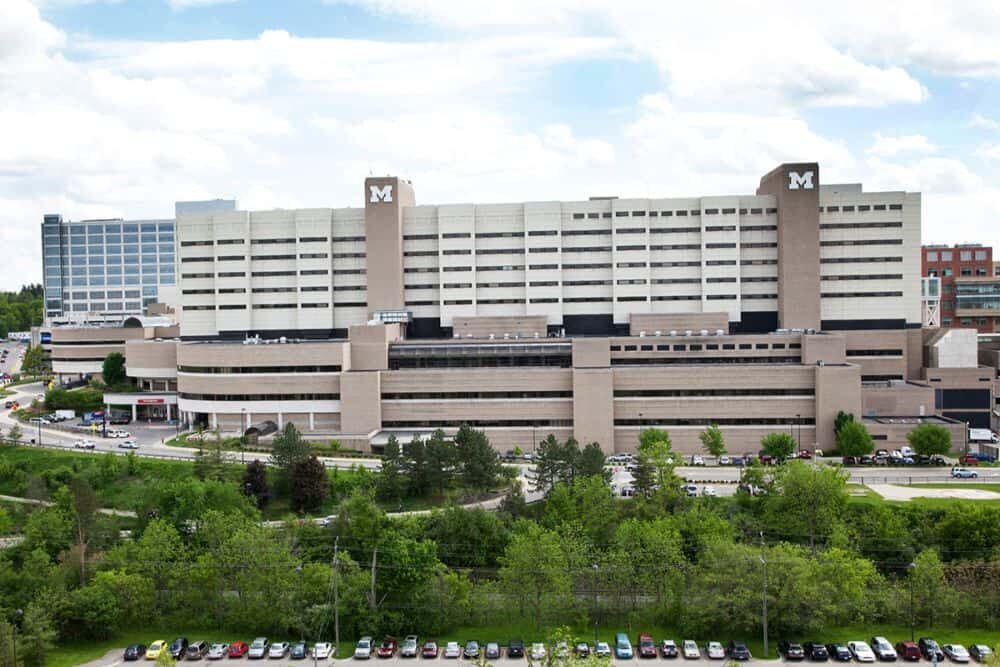
University of Michigan Medical School stands as one of the most prestigious public medical institutions in the United States, located in Ann Arbor, Michigan on an urban campus. The medical school is part of the University of Michigan system, a highly regarded public research university.
Program Duration and Structure
The University of Michigan Medical School offers a 4-year MD program following the traditional medical education model. The program is LCME accredited, ensuring students meet all requirements for medical licensure and residency training in the United States.
Mission and Values
The school’s mission is “To transform health through bold and innovative education, discovery and service.” This mission emphasizes the institution’s commitment to producing physicians who will not only practice medicine but also drive innovation and positive change in healthcare.
Rankings and Recognition
- #17 in Research according to U.S. News & World Report
- #20 in Primary Care
- #30 in Best Medical Schools overall ranking
- Consistently ranked among the top public medical schools nationwide
Campus and Location
The medical school is situated in Ann Arbor, Michigan, a vibrant college town known for its excellent quality of life, cultural activities, and proximity to major healthcare systems. The campus features state-of-the-art facilities and is integrated with the University of Michigan Health System.
Admission Requirements
Academic Prerequisites
Minimum Degree Requirements: Applicants must complete a bachelor’s degree from an accredited institution before matriculation.
Required Coursework: While specific prerequisite courses are not mandated, the University of Michigan Medical School expects applicants to demonstrate a strong foundation in:
- Biological sciences
- Chemistry (including organic chemistry)
- Physics
- Mathematics
- English/Writing
- Social sciences and humanities
GPA Requirements:
- Median GPA: 3.92
- Successful applicants typically maintain GPAs well above 3.7
- The school uses a holistic review process, considering both overall and science GPAs
Standardized Testing
MCAT Requirements:
- Median MCAT Score: 517
- All four sections of the MCAT are evaluated
- Scores are typically valid for 3 years
- The middle 50% of accepted students score between 514-520
- Retake policies allow for multiple attempts, with the highest score generally considered
Extracurricular Activities & Experience Requirements
The University of Michigan Medical School takes a holistic approach to admissions, evaluating:
- Clinical experience: Hands-on patient care or clinical exposure
- Research experience: Both basic science and clinical research valued
- Community service: Demonstrated commitment to serving others
- Leadership roles: Evidence of ability to lead and work in teams
- Diversity of experiences: Unique backgrounds and perspectives
State Residency: As a public institution, University of Michigan Medical School gives preference to Michigan residents, though they actively recruit qualified out-of-state and international applicants.
Application Process & Timeline
Application System
University of Michigan Medical School participates in AMCAS (American Medical College Application Service), the centralized application system for most U.S. medical schools.
Key Deadlines
- AMCAS Primary Application Deadline: September 15, 2025
- Secondary Application Deadline: Typically 2 weeks after receiving secondary invitation
- Interview Season: October through March
- Final Admissions Decisions: Rolling basis through spring
Required Documents
- Transcripts: All undergraduate and graduate coursework
- MCAT Scores: Official scores through AMCAS
- Letters of Recommendation: Typically 3-5 letters from academic and clinical mentors
- Personal Statement: Part of AMCAS application
- Work and Activities: Detailed descriptions of extracurricular activities
Secondary Application
The University of Michigan Medical School secondary application includes several essays (1,500 character limits):
- Impact on medicine and patient care goals
- Personal identity and experiences
- Diversity, equity, and inclusion contributions
- Outside interests and unique qualities
Interview Process
The school uses Multiple Mini Interviews (MMI) format:
- 6-8 stations lasting 8 minutes each
- Scenarios include: Ethical dilemmas, communication skills, critical thinking
- Format: Both virtual and in-person options available
- Selection: Approximately 15-20% of applicants receive interview invitations
Admission Statistics & Success Rates
Overall Competitiveness
- Acceptance Rate: Approximately 3.6%
- Class Size: 171 students per year
- Application Volume: Typically receives 8,000+ applications annually
- Interview Rate: 15-20% of applicants receive interview invitations
Academic Statistics of Admitted Students
- Median GPA: 3.92
- Median MCAT: 517
- GPA Range: 25th-75th percentile typically 3.85-4.0
- MCAT Range: 25th-75th percentile typically 514-520
Demographics and Class Composition
- In-state vs. Out-of-state: Approximately 60% Michigan residents, 40% out-of-state
- Gender Distribution: Approximately 55% female, 45% male
- Age Range: Most students are 22-26 years old
- Undergraduate Majors: Diverse backgrounds, though many have science majors
Waitlist Information
- Waitlist decisions are typically communicated in spring
- Movement from waitlist depends on yield from accepted students
- Waitlisted students should provide updates on academic and extracurricular achievements
Tuition & Financial Information
2025 Tuition Rates
- In-state Tuition: $55,968 per year
- Out-of-state Tuition: $75,822 per year
- International Students: Same as out-of-state rates
Additional Fees
- Technology and Student Services Fees: Approximately $2,000-3,000 annually
- Health Insurance: Required for all students (approximately $3,000-4,000)
- Books and Supplies: Estimated $2,000-3,000 per year
- Clinical Equipment: Required equipment for clinical years
Total Cost of Attendance (Annual)
- In-state Students: Approximately $80,000-85,000 including living expenses
- Out-of-state Students: Approximately $100,000-105,000 including living expenses
Financial Aid Options
- Federal Loans: Stafford and Grad PLUS loans available
- Institutional Scholarships: Merit-based and need-based awards
- Work-Study Programs: Limited opportunities during academic year
- External Scholarships: Various private and professional organization awards
- Loan Forgiveness Programs: PSLF and specialty-specific programs available
Cost of Living in Ann Arbor
Ann Arbor offers moderate cost of living compared to major metropolitan areas:
- Housing: $800-1,500 per month for apartments
- Transportation: Public transportation available, parking fees on campus
- Food: On-campus and local dining options
Click To See Hundreds Of Consultants Who Can Mentor You:
Curriculum & Program Structure
4-Year Program Overview
The University of Michigan Medical School follows a traditional 4-year structure with innovative elements:
Years 1-2: Pre-Clinical Education
- Integrated curriculum: Systems-based approach combining basic sciences
- Clinical exposure: Early patient contact through longitudinal clinical experiences
- Assessment: Mix of pass/fail and honors/pass/fail grading systems
Years 3-4: Clinical Training
- Core clerkships: Internal medicine, surgery, pediatrics, psychiatry, OB/GYN, family medicine
- Clinical sites: University of Michigan Health System and affiliated hospitals
- Electives: Extensive selection of specialty and research electives
Educational Philosophy
- Problem-based learning (PBL)
- Team-based learning (TBL)
- Simulation-based training
- Technology-enhanced learning
Special Programs and Tracks
- Global Health Disparities Path of Excellence
- Leadership in Healthcare Delivery and Policy
- Translational Research Track
- Creating Adventurous and Mindful Physicians (CAMP)
- Medical Education Track
Combined Degree Programs
University of Michigan Medical School offers several dual-degree options:
- MD/PhD: Medical Scientist Training Program (MSTP)
- MD/MPH: Master of Public Health
- MD/MBA: Master of Business Administration
- MD/JD: Juris Doctor
Residency Preparation
- USMLE Step 1: Pass/fail (required)
- USMLE Step 2 CK: Scored exam (required before graduation)
- Match Preparation: Comprehensive residency counseling and support
- Research Opportunities: Extensive basic science and clinical research options
Pre-Medical Preparation
Undergraduate Planning
Major Selection: No specific major required, but strong science foundation recommended
- Science majors: Biology, chemistry, physics provide strong foundation
- Non-science majors: Welcomed if prerequisite knowledge demonstrated
Academic Strategy:
- Maintain high GPA throughout undergraduate career
- Take challenging courses that demonstrate academic rigor
- Balance science courses with humanities and social sciences
Clinical Experience
Types of meaningful clinical exposure:
- Volunteering: Hospitals, clinics, community health centers
- Shadowing: Physicians across various specialties
- Employment: EMT, medical scribe, clinical research coordinator
- International experience: Global health programs
Research Experience
Research opportunities valued:
- Basic science research: Laboratory experience with publications preferred
- Clinical research: Patient-oriented studies and clinical trials
- Community health research: Public health and health policy studies
- Independent projects: Thesis work or independent study
Extracurricular Activities
Leadership and Service:
- Student government and organization leadership
- Community service and volunteer work
- Mentoring and tutoring activities
- Cultural and artistic pursuits
MCAT Preparation
Timing: Take MCAT 12-18 months before intended matriculation
Preparation: Comprehensive review course or self-study recommended
Retakes: Consider retaking if initial score below 510
Gap Years
Productive gap year activities:
- Clinical work or research positions
- Graduate coursework to strengthen academic record
- Unique experiences that add to personal narrative
- Service opportunities (Peace Corps, AmeriCorps, etc.)
Frequently Asked Questions
What is University of Michigan Medical School’s average GPA and MCAT score?
The median GPA is 3.92 and median MCAT score is 517. Successful applicants typically exceed these medians, with competitive ranges being 3.85+ GPA and 514+ MCAT.
Does University of Michigan Medical School look at extracurriculars?
Yes, University of Michigan Medical School uses holistic admissions, heavily weighing clinical experience, research, community service, and leadership activities alongside academic metrics.
Does University of Michigan Medical School require research experience?
While not explicitly required, research experience is highly valued. Most successful applicants have significant research backgrounds, often with publications or presentations.
How competitive is University of Michigan Medical School compared to other medical schools?
University of Michigan Medical School is highly competitive with a 3.6% acceptance rate, ranking among the top 20 medical schools nationally and competing with other elite institutions.
Does University of Michigan Medical School prefer in-state applicants?
As a public institution, University of Michigan Medical School gives preference to Michigan residents (approximately 60% of class), but actively recruits qualified out-of-state students.
When should I apply to University of Michigan Medical School?
Submit your AMCAS application as early as possible (by June) and secondary application immediately upon receipt. Early applications have statistical advantages in rolling admissions.
Does University of Michigan Medical School accept international students?
Yes, University of Michigan Medical School accepts international students, though they face additional visa requirements and typically pay out-of-state tuition rates.
What clinical experience do I need for University of Michigan Medical School?
While no specific number of hours is required, most successful applicants have substantial clinical exposure through volunteering, shadowing, or work experiences demonstrating commitment to patient care.
How many letters of recommendation does University of Michigan Medical School require?
University of Michigan Medical School typically requires 3-5 letters of recommendation, preferably from science faculty, clinical mentors, and other professional references.
Does University of Michigan Medical School offer interviews to all qualified applicants?
No, only 15-20% of applicants receive interview invitations. Interview invitations are sent on a rolling basis from October through February.
What is University of Michigan Medical School’s curriculum like?
The curriculum features integrated systems-based learning in pre-clinical years with early clinical exposure, followed by comprehensive clinical training with extensive elective options.
Where do University of Michigan Medical School graduates match for residency?
Graduates match at top residency programs nationwide, with strong match rates in competitive specialties and excellent board exam pass rates.
How much does University of Michigan Medical School cost?
Annual tuition is $55,968 for in-state and $75,822 for out-of-state students, with total cost of attendance reaching $80,000-105,000 including living expenses.
What financial aid is available at University of Michigan Medical School?
Financial aid includes federal loans, institutional scholarships, work-study programs, and various external funding opportunities. Most students receive some form of financial assistance.
This comprehensive guide provides essential information for prospective applicants to University of Michigan Medical School. For the most current information, always consult the official medical school website and admissions office.