
Last updated on January 9th, 2026 at 06:29 am
Program Overview & Institution Identity
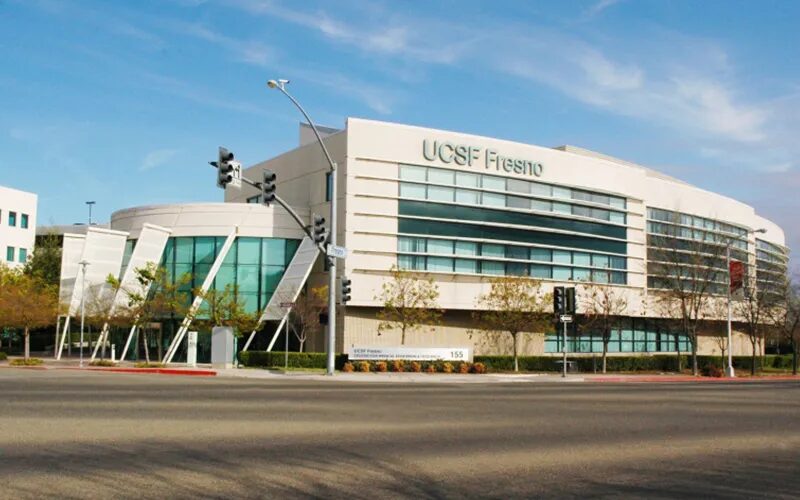
The University of California, San Francisco School of Medicine stands as one of the nation’s most prestigious medical institutions, consistently ranking among the top 5 medical schools for both research and primary care. Located in San Francisco, California, UCSF is a public institution with an urban campus setting, uniquely focused exclusively on health sciences education without undergraduate programs.
Official Program Structure
UCSF School of Medicine offers a 4-year MD program structured through their innovative Bridges Curriculum, launched in 2016. This comprehensive curriculum is designed to educate physicians and leaders committed to advancing health for all, with a strong emphasis on interprofessional collaboration and real-world clinical experience.
Accreditation and Recognition
The school maintains full LCME (Liaison Committee on Medical Education) accreditation, last renewed in 2019 with the next formal review scheduled for 2026-2027. UCSF is consistently ranked in the top 5 nationally by U.S. News & World Report for both research and primary care, with the Department of Medicine ranked #3 in Internal Medicine nationwide.
Unique Features
- The Bridges Curriculum: A three-phase integrated curriculum emphasizing early clinical exposure
- The UCSF 49: Core syndromes and disorders anchoring student learning around Bay Area health needs
- Clinical Microsystems Clerkships: Early integration into interprofessional care teams
- Multiple degree options including BS/MD and MD/PhD programs
Admission Requirements
Academic Prerequisites
Minimum Degree Requirements:
Applicants must pursue a four-year undergraduate curriculum and obtain a baccalaureate degree before entering medical school. A maximum of 105 quarter units can be transferred from a community college.
Required Coursework:
All course requirements must be completed by June of the year of entry:
- Biology: One academic year (2 semesters or 3 quarters) with laboratory work (may include Biochemistry)
- Chemistry: One academic year including at least one semester of Organic Chemistry with laboratory (may include Biochemistry)
- Biochemistry: One semester or 1 quarter of college-level Biochemistry
- Physics: One semester of college-level Physics
Academic Performance Standards
GPA Requirements:
- Median admitted GPA: 3.92
- Average admitted GPA: 3.89
- While no minimum GPA is officially stated, successful applicants typically demonstrate exceptional academic performance well above these medians
Grade Calculation:
UCSF evaluates both overall and science GPA, with most successful applicants having gone beyond the basic prerequisites to demonstrate higher-level academic achievement.
Standardized Testing Requirements
MCAT Requirements:
- Median MCAT Score: 517
- Average MCAT Score: 517
- This places successful applicants in approximately the 95th percentile
- MCAT scores must be from a valid testing period as determined by UCSF admissions
Additional Testing:
Currently, UCSF does not require additional standardized tests like CASPer, though this may be subject to change. Students should verify current requirements through the admissions office.
Extracurricular Requirements
UCSF employs a holistic admissions approach, evaluating candidates on both cognitive and non-cognitive factors including:
- Clinical experience and exposure
- Research experience (over 50% of students have prior research experience)
- Community service and volunteer work
- Leadership activities
- Personal qualities demonstrating capacity for outstanding medical performance
Application Process & Timeline
Application System
UCSF participates in the AMCAS (American Medical College Application Service) centralized application system.
Key Deadlines:
- AMCAS Primary Application Deadline: October 15, 2025
- Secondary Application: Mid-July to November (by invitation only)
- Interview Period: Late September to early February
- Post-Interview Decisions: February to March
Required Application Components
Primary Application (AMCAS):
- Complete AMCAS application
- Official transcripts through AMCAS
- MCAT scores
- Letters of recommendation/evaluation
- Personal statement
- Work and activities descriptions
Secondary Application:
- Invited applicants complete UCSF-specific secondary essays
- Additional supplemental materials as requested
Interview Process:
UCSF conducts interviews for selected candidates, with approximately 525 candidates interviewed out of nearly 9,000 applications (5.9% interview rate).
Admission Statistics & Success Rates
Acceptance Rate and Competitiveness
- Overall Acceptance Rate: 1.82% (2025 admission cycle)
- Applications Received: 9,555
- Students Matriculated: 174
- Interview Rate: 5.95%
This makes UCSF one of the most competitive medical schools in the nation, with an acceptance rate significantly lower than the national average of 4.02%.
Geographic Distribution
- California Residents: 77% of matriculants
- Out-of-State Students: 23% of matriculants
- California residents have a 3.12% acceptance rate vs. 0.76% for out-of-state applicants
Class Demographics
- First-Year Class Size: 174 students
- Average Age at Matriculation: 24 years
- Gender Distribution: 38% male, 59% female matriculants
- Retention Rate: 99%
- Four-year Graduation Rate: 98%
Tuition & Financial Information
Tuition and Fees (2024-2025)
California Residents:
- Annual Tuition and Fees: $50,537
- Breakdown:
- Tuition: $12,762
- Professional Degree Supplemental Tuition: $26,754
- Student Services Fee: $1,254
- Health Insurance: $8,985
- Other fees: $972
Out-of-State Students:
- Annual Tuition and Fees: $62,782
- Includes additional Nonresident Supplemental Tuition: $12,245
Total Cost of Attendance
Estimated Annual Living Expenses (San Francisco):
- Monthly Cost of Living: $3,120
- Food: $633/month
- Shared Housing: $1,950/month
- Transportation: $174/month
- Personal/Miscellaneous: $363/month
Four-Year Total Program Cost:
- California Residents: ~$202,148 (tuition only)
- Out-of-State Students: ~$251,128 (tuition only)
- Total with living expenses: Add approximately $150,000 over four years
Financial Aid Opportunities
- 97% of students receive financial aid through various combinations of scholarships, grants, and loans
- Campus scholarships and professional school scholarships available
- Need-based and merit-based funding options
- Federal loan programs available
- Work-study opportunities through UCSF
Click To See Hundreds Of Consultants Who Can Mentor You:


Curriculum & Program Structure
Bridges Curriculum Overview
The 4-year MD program follows UCSF’s innovative Bridges Curriculum, structured in three phases:
Foundations 1 (18 months):
- Foundational Sciences Blocks
- Clinical Microsystems Clerkship
- Inquiry Curriculum
- Physician Identity weeks
- Early integration of basic sciences with clinical experience
Foundations 2 (14 months):
- Core clinical clerkships
- Clinical Immersion Experiences
- Foundational Sciences in F2 continuation
- USMLE Step 1 preparation and examination
Career Launch (14 months):
- Career-focused electives
- Deep Explore 30-week scholarly project
- Clinical Capstone course
- Residency preparation
Educational Philosophy
- Interprofessional collaboration from the beginning
- Early clinical exposure through Clinical Microsystems Clerkships
- Competency-based assessment with frequent formative feedback
- Assessment FOR learning philosophy promoting continuous improvement
- Integration of basic sciences, clinical skills, and health systems science
Assessment and Grading
- Pass/Fail grading in Foundations 1
- Narrative evaluations and milestone-based assessments
- Coaching system with assigned faculty mentors
- Student Dashboard for performance tracking and reflection
- 100% USMLE Step 1 pass rate (first attempt: 97%)
Residency Outcomes
Match Statistics (2025)
- 100% Match Rate in the National Resident Matching Program (NRMP)
- 176 students matched
- 44 students (24%) matched at UCSF
- 109 students (61%) remained in California
Top Specialties
- Internal Medicine: 33 students (18%)
- Anesthesiology: 22 students (12%)
- Emergency Medicine: 15 students (8%)
- Psychiatry: 13 students (7%)
- Surgery: 9 students (5%)
- Obstetrics & Gynecology: 9 students (5%)
Primary Care vs. Specialty Distribution
- Primary Care: 48 students (27%)
- Other Specialties: 132 students (73%)
Pre-Medical Preparation
Academic Planning
Recommended Timeline:
- Begin prerequisite courses early in undergraduate career
- Maintain consistently high academic performance
- Consider advanced coursework beyond minimum requirements
- Plan for MCAT preparation 6-12 months in advance
Optimal Course Sequencing:
- Complete biology and chemistry sequences in first two years
- Take physics and biochemistry before MCAT
- Consider additional advanced science courses
- Balance science requirements with diverse academic interests
Clinical Experience Requirements
While UCSF doesn’t specify minimum clinical hours, successful applicants typically demonstrate:
- Substantial clinical exposure through volunteering, employment, or shadowing
- Quality over quantity – meaningful, long-term commitments
- Direct patient care experience when possible
- Understanding of healthcare delivery systems
Research Experience
- Over 50% of matriculants have prior research experience
- Basic science, clinical, public health, or health policy research valued
- Publication not required but beneficial
- Long-term research commitments preferred over short-term experiences
Extracurricular Planning
Leadership Development:
- Student government, club leadership, or community organization roles
- Initiative-taking and project management experience
- Teaching, mentoring, or tutoring activities
Community Service:
- Long-term commitments to service organizations
- Health-related volunteer work particularly valued
- Social justice and health equity initiatives aligned with UCSF mission
Frequently Asked Questions
Does UCSF School of Medicine look at extracurriculars?
Yes, UCSF employs a holistic admissions process that heavily weighs extracurricular activities, including clinical experience, research, community service, and leadership activities.
What is UCSF School of Medicine’s average GPA and MCAT score?
The median GPA for admitted students is 3.92, and the median MCAT score is 517, placing successful applicants in approximately the 95th percentile.
How competitive is UCSF School of Medicine compared to other medical schools?
UCSF is among the most competitive medical schools nationally, with a 1.82% acceptance rate, significantly lower than the national average of 4.02%.
Does UCSF School of Medicine prefer in-state applicants?
Yes, as a public institution, UCSF shows strong preference for California residents, who comprise 77% of the entering class and have a significantly higher acceptance rate (3.12% vs. 0.76% for out-of-state).
What makes UCSF School of Medicine different from other medical schools?
UCSF’s unique features include the Bridges Curriculum with early clinical integration, the UCSF 49 framework, exclusive focus on health sciences, and consistent top-5 rankings in both research and primary care.
When should I apply to UCSF School of Medicine?
Applications open through AMCAS in early summer with an October 15 deadline. Begin preparing at least one year in advance to ensure strong academic performance and meaningful extracurricular experiences.
Does UCSF School of Medicine accept international students?
Yes, UCSF accepts international students, though they face additional challenges in the highly competitive admissions process and must demonstrate English proficiency and meet all standard requirements.
What clinical experience do I need for UCSF School of Medicine?
While no minimum is specified, successful applicants typically have extensive clinical exposure through volunteering, employment, or research. Quality and depth of experience matter more than total hours.
Does UCSF School of Medicine require research experience?
Research experience is not required but highly valued, with over 50% of matriculants having prior research experience. Long-term commitments and meaningful contributions are preferred.
How many letters of recommendation does UCSF School of Medicine require?
UCSF follows AMCAS guidelines for letters of evaluation. Specific requirements should be verified through the admissions office, but typically include letters from science faculty and others who can speak to academic and personal qualities.
What is UCSF School of Medicine’s curriculum like?
The Bridges Curriculum is a 4-year, three-phase program emphasizing early clinical exposure, interprofessional collaboration, competency-based assessment, and integration of basic sciences with clinical experience.
Where do UCSF School of Medicine graduates match for residency?
UCSF graduates achieve a 100% match rate, with 24% staying at UCSF, 61% remaining in California, and strong representation in competitive specialties nationwide.
How much does UCSF School of Medicine cost?
Annual tuition and fees are $50,537 for California residents and $62,782 for out-of-state students, with total four-year costs including living expenses exceeding $350,000.
What financial aid is available at UCSF School of Medicine?
97% of students receive financial aid through scholarships, grants, and loans. UCSF offers both need-based and merit-based funding, plus federal loan programs and work-study opportunities.
Does UCSF School of Medicine offer interviews to all qualified applicants?
No, UCSF interviews approximately 525 candidates (5.9% of applicants) out of nearly 9,000 applications, making interview invitations highly selective.
This comprehensive guide provides current information for prospective applicants to the University of California, San Francisco School of Medicine. For the most up-to-date requirements and deadlines, always consult the official UCSF admissions website and speak with admissions counselors directly.