
Last updated on January 9th, 2026 at 06:29 am
Program Overview & Institution Identity
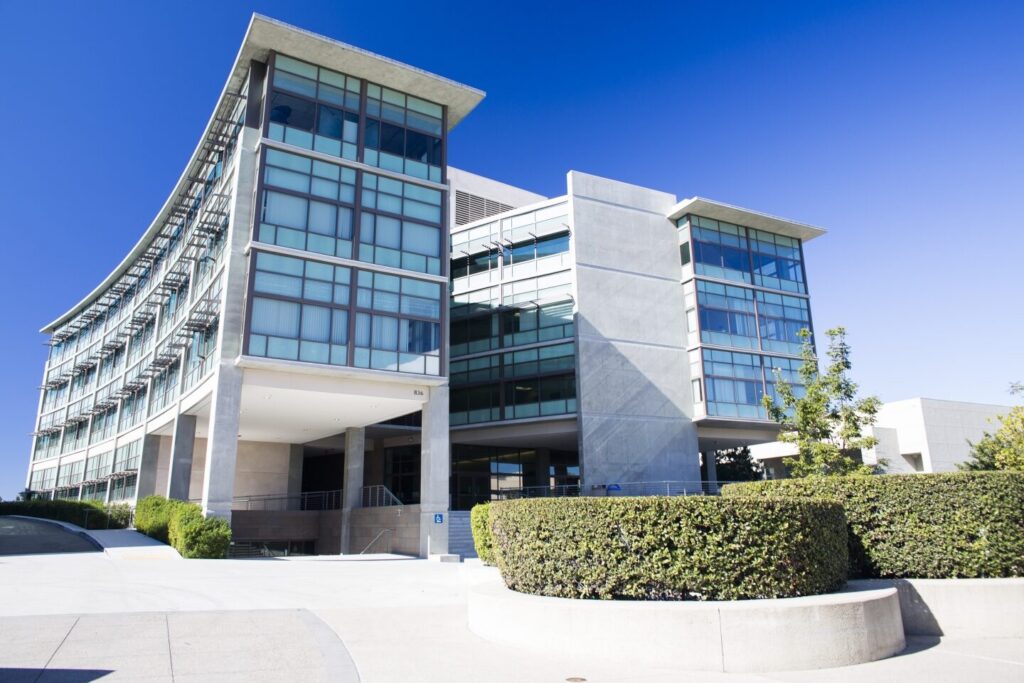
University of California, Irvine School of Medicine is a prestigious public medical school located in Irvine, California, operating on an urban campus in the heart of Orange County. As part of the renowned University of California system, UC Irvine School of Medicine has established itself as a leading institution in medical education, research, and patient care since its founding.
Program Duration and Structure
The UC Irvine School of Medicine offers a traditional 4-year MD program leading to the Doctor of Medicine degree. The school has evolved from a traditional discipline-based curriculum to an innovative systems-organized approach known as iTEACH (Technology-Enhanced, Activity-Coordinated, Humanistic). This forward-thinking curriculum integrates critical opportunities for students to engage in coordinated simulation, ultrasound, and clinical skills modules to increase clinical correlation with basic sciences.
Combined Degree Programs
UC Irvine offers several joint degree programs for students seeking to enhance their medical education:
- MD/MBA – Medical Doctor with Master of Business Administration
- MD/MPH – Medical Doctor with Master of Public Health
- MD/PhD – Medical Scientist Training Program (MSTP)
Location and Campus
The medical school is strategically located in Irvine, California, in Orange County, approximately 10-20 minutes north of the main UCI undergraduate campus in the city of Orange. This prime Southern California location offers year-round beautiful weather, proximity to beaches, and easy access to Los Angeles and San Diego. The area is also home to dozens of healthcare startups, research laboratories, and medical device companies.
Accreditation and Recognition
UC Irvine School of Medicine is fully accredited by the Liaison Committee on Medical Education (LCME), the recognized accrediting body for medical education programs leading to the MD degree in the United States. The school was first accredited in 1961 and received its most recent full eight-year reaccreditation in 2017, with the next survey visit scheduled for January 2025.
Rankings and Recognition
According to US News & World Report rankings, UC Irvine School of Medicine is recognized as:
- Tier 2 for research among medical schools
- Tier 3 for primary care
- Ranked among the top 50 U.S. medical schools for research
Admission Requirements
Academic Prerequisites
Minimum Degree Requirements:
UC Irvine School of Medicine requires applicants to complete a minimum of 90 semester units (equivalent to three years) of undergraduate coursework, including at least one full-time year at an accredited U.S. college or university. Applicants must receive a Bachelor’s degree or equivalent from a U.S. accredited institution by the time of matriculation.
Required Prerequisite Courses:
All prerequisite coursework must be completed by July 15th of the matriculation year:
Biology: 1.5 years (3 semesters/5 quarters)
- Must include one upper-division course taken at an accredited four-year institution
- Does not accept psychobiology, behavior-based courses, evolution, ecology, plant biology, animal biology, or AP credit
Chemistry: 2 years (4 semesters/6 quarters)
- Must include general/inorganic chemistry
- Organic chemistry required
Additional Prerequisites: Physics, Mathematics, and English requirements (specific requirements available through admissions office)
GPA Requirements
While UC Irvine School of Medicine does not publish official minimum GPA cutoffs, competitive applicants typically demonstrate strong academic performance:
- Median Cumulative GPA: 3.9 (from provided data)
- Median Science GPA: 3.89 (from admitted student statistics)
- Competitive Range: Generally, successful applicants have GPAs of 3.3 or higher, with most admitted students significantly exceeding this threshold
Standardized Testing
MCAT Requirements:
- Median MCAT Score: 517 (highly competitive)
- Section Breakdown for Recent Class:
- CARS (Critical Analysis and Reasoning Skills): 127
- CPBS (Chemical and Physical Foundations): 129
- BBFL (Biological and Biochemical Foundations): 129
- PSBB (Psychological, Social, and Biological Foundations): 130
- Validity Period: MCAT must have been taken within three years preceding June 1 of the application year
- Latest Test Date: No later than September 30 of the application year
CASPer Test:
UC Irvine School of Medicine does not require the CASPer assessment, making it more accessible than many other medical schools.
Extracurricular Activities & Experience Requirements
UC Irvine uses a holistic evaluation system that considers:
- Research Experience: Valued but not strictly required
- Clinical Exposure: Healthcare setting involvement
- Community Service: Commitment to service, particularly with underserved populations
- Leadership Activities: Demonstrated leadership potential
- Diversity and Background: Special consideration for applicants from disadvantaged backgrounds and those committed to serving California’s Latino population
Application Process & Timeline
Application System
UC Irvine School of Medicine participates in the American Medical Colleges Application Service (AMCAS). All applicants must submit their primary application through AMCAS between June 1 and November 1 of the year before intended enrollment.
Application Deadlines
- AMCAS Primary Application Deadline: November 1, 2025
- Secondary Application Deadline: 30 days from invitation date
- Letters of Recommendation: Submitted through AMCAS Letter Service
Required Documents
- Transcripts: All undergraduate and graduate coursework
- MCAT Scores: Official scores through AMCAS
- Letters of Recommendation: 3-6 current letters suggested from individuals involved in major activities
- Personal Statement: Through AMCAS application
- Work and Activities: Comprehensive listing of experiences
Secondary Application
Screening Process: Not all applicants receive secondary applications. Approximately 3,500 applicants receive secondary invitations after preliminary review.
Secondary Application Fee: $120 (waived for AMCAS Fee Assistance Program recipients)
2025-2026 Secondary Essay Prompts:
- What personal accomplishment are you most proud of and why? (1,500 characters)
- Please describe a challenge or disappointment you have overcome and what you learned about yourself. (1,500 characters)
- Have you ever had difficulty accessing quality education or healthcare? Describe the impact on you and your community. (1,500 characters)
- For applicants with completed bachelor’s degrees: Clarify your activities since graduation. (1,500 characters)
Interview Process
Interview Statistics:
- Interviews Extended: Approximately 494 candidates (from recent cycle)
- Interview Format: Multiple Mini Interview (MMI) format
- Timeline: Interview invitations typically sent in fall months
- Virtual vs. In-Person: Format may vary based on circumstances
Admission Statistics & Success Rates
Overall Acceptance Rate
UC Irvine School of Medicine is highly competitive with an acceptance rate of approximately 1.65%. In the most recent cycle:
- Total Applications: 7,030
- Secondary Applications Submitted: 4,151
- Interviews Conducted: 494
- Students Accepted: 240
- Students Matriculated: 114
Class Size and Demographics
First-Year Class Size: 114 students
Program Distribution:
- MD Only: 86 students
- MSTP (MD/PhD): 5 students
- PRIME LEAD-ABC: 13 students
- PRIME-LC: 10 students
Geographic Preferences:
UC Irvine shows strong preference for California residents:
- In-State Matriculants: 83.3%
- Out-of-State Matriculants: 16.7%
Diversity Statistics:
- First-Generation College Students: 23%
- Gender Distribution: 63% Women, 35% Men, 2% Other
- Ethnic Diversity: Significant representation across multiple ethnic groups including Asian (49), Black/African American (16), Hispanic/Latino (13), and others
Academic Statistics of Admitted Students
- Median Cumulative GPA: 3.9
- Median Science GPA: 3.89
- Median MCAT Score: 517 (total)
Waitlist Information
While specific waitlist statistics are not publicly available, UC Irvine typically maintains a waitlist and provides updates to waitlisted candidates throughout the cycle.
Tuition & Financial Information
Current Tuition Rates
2025-2026 Academic Year:
- California Residents: $41,764 per year
- Out-of-State Students: $54,009 per year
- International Students: $54,009 per year (same as out-of-state)
Additional Fees
Beyond tuition, students can expect additional costs for:
- Technology fees
- Student services fees
- Health insurance (if not already covered)
- Laboratory fees
- Equipment costs
- Clinical rotation expenses
Total Cost of Attendance
4-Year Program Total Investment:
- California Residents: Approximately $167,056 (tuition only)
- Out-of-State Students: Approximately $216,036 (tuition only)
- Living Expenses: Additional costs for housing, food, transportation, and personal expenses in Orange County
Financial Aid Options
Federal Financial Aid:
- Federal Direct Unsubsidized Loans
- Graduate PLUS Loans
- Work-study opportunities where available
Institutional Support:
- Need-based grants and scholarships
- Merit-based scholarships for exceptional candidates
- HEAL-IM Program: Special financial support including $10,000 senior year scholarships for qualified students
Application Process:
Students must complete the FAFSA (Free Application for Federal Student Aid) using school code 001314 and submit the UCI Financial Aid Form through the ZotAid Portal.
International Students:
International students are not eligible for federal financial aid but may be considered for institutional scholarships and assistantships.
Click To See Hundreds Of Consultants Who Can Mentor You:
Curriculum & Program Structure
Program Duration and Philosophy
The 4-year MD program follows the innovative iTEACH curriculum (Technology-Enhanced, Activity-Coordinated, Humanistic), which has evolved from a traditional discipline-based structure to a systems-organized approach emphasizing:
- Integration of technology in medical education
- Coordinated simulation and ultrasound training
- Clinical skills development from early stages
- Humanistic approach to patient care
Educational Approach
Teaching Methods:
- Systems-based learning rather than traditional subject-based approach
- Early clinical exposure integrated with basic sciences
- Simulation-based training
- Technology integration including iPads and handheld ultrasounds for each student
- Small group learning opportunities
Assessment Philosophy:
- Comprehensive assessment methods aligned with program objectives
- Focus on competency-based progression
- Multiple assessment formats to evaluate different skills
Pre-Clinical Years (Years 1-2)
The first two years focus on building fundamental knowledge through:
- Systems-based curriculum covering all major body systems
- Integration of basic sciences with clinical applications
- Hands-on simulation experiences
- Introduction to clinical skills
- Research opportunities
Clinical Training (Years 3-4)
Third Year – Core Clerkships:
Students complete required clinical rotations in:
- Internal Medicine
- Surgery
- Pediatrics
- Obstetrics and Gynecology
- Psychiatry
- Family Medicine
- Other core specialties
Fourth Year:
- Advanced electives
- Research opportunities
- Interview and residency preparation
- Specialty exploration
Clinical Sites:
Students train at various affiliated hospitals and clinics throughout Orange County and surrounding areas, providing exposure to diverse patient populations and medical conditions.
Special Programs and Tracks
HEAL-IM Program:
- Integrative medicine training track
- Financial support including senior year scholarships
- External training opportunities
- Mentorship with faculty
PRIME Programs:
- PRIME LEAD-ABC: Leadership training
- PRIME-LC: Latino Community focus
- Designed to train physicians for underserved communities
Research Opportunities:
- Scholarly projects required
- Faculty mentorship available
- Access to cutting-edge research facilities
- Publication opportunities
Pre-Medical Preparation
Undergraduate Program Recommendations
Major Selection:
UC Irvine School of Medicine welcomes students from diverse academic backgrounds. While no specific major is required, the school values:
- Strong foundation in sciences (biology, chemistry, physics, mathematics)
- Diverse academic interests beyond sciences
- Demonstrated ability in rigorous coursework
- Critical thinking and analytical skills
Academic Planning Strategies:
- Complete prerequisite courses early to allow time for MCAT preparation
- Maintain competitive GPA while pursuing meaningful extracurricular activities
- Consider research opportunities during undergraduate years
- Plan coursework to meet application timeline requirements
Clinical Experience Development
Healthcare Exposure:
- Quality over Quantity: Focus on meaningful clinical experiences
- Direct Patient Contact: Seek opportunities for patient interaction
- Diverse Settings: Experience different healthcare environments (hospitals, clinics, community health centers)
- Long-term Commitment: Sustained involvement demonstrates dedication
Recommended Clinical Activities:
- Hospital volunteering
- Clinic shadowing
- Medical missions (domestic or international)
- Emergency medical services
- Healthcare-related employment
Research Experience
Research Expectations:
While not strictly required, research experience is highly valued by UC Irvine’s admissions committee:
- Types of Research: Basic science, clinical, public health, translational
- Duration: Long-term commitments preferred over short-term experiences
- Outcomes: Publications beneficial but not required
- Mentorship: Strong faculty relationships important
Extracurricular Planning
Leadership Development:
- Student Organizations: Leadership roles in clubs, honor societies
- Community Service: Sustained service to underserved populations
- Teaching and Mentoring: Peer tutoring, mentorship programs
- Professional Development: Medical societies, pre-health organizations
Service Focus Areas:
Given UC Irvine’s mission, particularly valuable service includes:
- Work with Latino/Hispanic communities
- Healthcare access initiatives
- Educational outreach programs
- Community health promotion
Standardized Test Preparation
MCAT Strategy:
- Timeline: Plan 3-6 months of dedicated study
- Target Score: Aim for scores above median (517+)
- Retake Considerations: Carefully evaluate score improvement potential
- Preparation Resources: Utilize multiple study methods and practice tests
Test Timing:
- Take MCAT in spring junior year for traditional timeline
- Allow time for retake if necessary
- Ensure scores meet application deadline requirements
Application Timeline Planning
Traditional Timeline:
- Junior Year: Complete prerequisites, take MCAT, begin application preparation
- Summer after Junior Year: Submit AMCAS application, complete secondary applications
- Senior Year: Interview season, continue meaningful activities
Gap Year Considerations:
- Beneficial Activities: Research, clinical work, service year programs
- Skill Development: Additional clinical experience, research publications
- Application Strengthening: Address weaknesses in application
- Financial Considerations: Reduce debt burden through work experience
Frequently Asked Questions
What is UC Irvine School of Medicine’s average GPA and MCAT score?
The median GPA for admitted students is 3.9 cumulative and 3.89 science GPA. The median MCAT score is 517, significantly above national averages. However, these are medians, meaning successful applicants have a range of scores above and below these figures.
How competitive is UC Irvine School of Medicine compared to other medical schools?
UC Irvine is highly competitive with an acceptance rate of approximately 1.65%. It ranks as a Tier 2 research medical school according to US News & World Report and is consistently ranked among the top 50 medical schools nationally for research.
Does UC Irvine School of Medicine prefer in-state applicants?
Yes, as a public University of California institution, UC Irvine shows strong preference for California residents. Approximately 83.3% of matriculating students are California residents, compared to 16.7% from out-of-state.
What makes UC Irvine School of Medicine different from other medical schools?
Key distinguishing features include:
iTEACH curriculum: Innovative, technology-enhanced learning approach
Technology Integration: iPads and handheld ultrasounds for every student
Diverse Patient Population: Extensive exposure to Orange County’s multicultural communities
Location: Prime Southern California location with year-round excellent weather
Research Excellence: Strong emphasis on translational and clinical research
When should I apply to UC Irvine School of Medicine?
Applications should be submitted as early as possible after the AMCAS opens on June 1. The final deadline is November 1, but earlier submission provides advantages in the rolling admissions process.