
Last updated on January 9th, 2026 at 06:29 am
Program Overview & Institution Identity
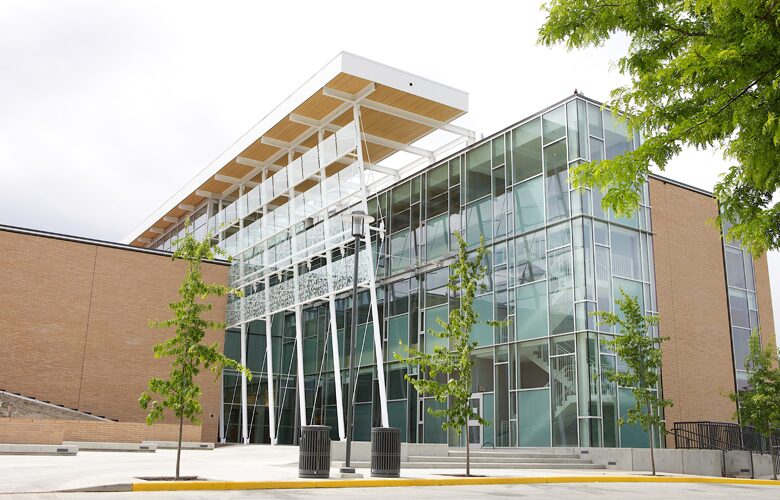
The University of British Columbia Faculty of Medicine stands as Canada’s premier medical institution on the West Coast, offering a comprehensive Doctor of Medicine (MD) program that has been training physicians for over 60 years. Located in the stunning city of Vancouver, British Columbia, UBC Medicine operates as the only medical school in British Columbia and serves as a distributed medical education model with multiple campuses across the province.
The UBC MD program is a 4-year comprehensive medical degree that follows an innovative curriculum designed to address the unique healthcare needs of British Columbians. The program operates across multiple sites including the Vancouver Fraser Medical Program (VFMP), the Island Medical Program (IMP) in Victoria, and the Northern Medical Program (NMP) in Prince George, providing students with diverse clinical experiences from urban to rural settings.
UBC Faculty of Medicine holds full accreditation from the Committee on Accreditation of Canadian Medical Schools (CACMS), ensuring that graduates meet the highest standards for medical education in Canada. This accreditation status means UBC graduates are eligible to apply for residency training programs across Canada and are recognized internationally.
The institution has consistently maintained its reputation as one of Canada’s leading medical schools, known for its innovative curriculum, research excellence, and commitment to training physicians who will serve diverse populations across British Columbia and beyond.
Admission Requirements
Academic Prerequisites
The University of British Columbia Faculty of Medicine maintains specific academic requirements that all applicants must meet before applying:
Minimum Degree Requirements: Candidates must have completed a minimum of 90 graded credits of university-level study, equivalent to three years of full-time undergraduate education. These credits must be completed by April 30 of the year for which admission is sought.
Required Coursework: Unlike many medical schools, UBC has minimal prerequisite course requirements. A full year of English (minimum 6 credits) is the only mandatory prerequisite coursework. However, the following courses are strongly recommended:
- Biology (including cellular and molecular biology)
- General/Inorganic Chemistry
- Organic Chemistry
- Biochemistry
- Physics (recommended for MCAT preparation)
GPA Requirements: The median GPA of admitted students is 88.82% (equivalent to approximately 3.9 on a 4.0 scale). While UBC does not publish a minimum GPA requirement, successful applicants typically maintain GPAs well above 85%. The admissions committee evaluates both overall GPA and academic performance in the most recent two years of study.
Citizenship Requirements: Candidates must be Canadian Citizens, Permanent Residents, or persons with refugee status in Canada. Admission is contingent upon providing proof of permanent residency status two weeks prior to the start of classes for those with refugee status.
Standardized Testing Requirements
MCAT (Medical College Admission Test): All applicants must take the MCAT and request that results be released to UBC. The median MCAT score for admitted students is 514.2, placing successful candidates in approximately the 92nd percentile nationally.
UBC evaluates MCAT scores holistically, considering:
- Overall composite score
- Performance across all sections
- Balance between sections rather than deficiency in any single area
- Multiple attempts (most recent score is typically given greatest weight)
CASPer Test: UBC requires the Computer-Based Assessment for Sampling Personal Characteristics (CASPer) test. This situational judgment test measures personal and professional characteristics that are difficult to assess through traditional application materials. The CASPer evaluates:
- Professionalism
- Ethics and moral reasoning
- Communication skills
- Empathy and compassion
- Problem-solving abilities
Extracurricular Activities & Experience Requirements
UBC employs a holistic evaluation process that considers non-academic achievements as equally important as academic performance. The admissions committee evaluates:
Clinical Experience: While not mandatory, most successful applicants demonstrate significant healthcare exposure through volunteering, employment, or shadowing experiences in hospitals, clinics, or healthcare settings.
Research Experience: Given UBC’s strong research focus, many admitted students have participated in undergraduate research projects, published papers, or presented at conferences.
Community Service: Long-term volunteer commitments that demonstrate leadership, compassion, and dedication to serving others.
Leadership Activities: Evidence of leadership roles in student organizations, community groups, or professional settings.
Diverse Experiences: UBC values applicants with diverse backgrounds and experiences, including cultural activities, athletics, arts, or unique life experiences.
Application Process & Timeline
Application System & Deadlines
UBC Faculty of Medicine operates its own direct application system rather than using OMSAS. The application deadline for the 2025 admission cycle is September 15, 2025.
Key application timeline dates:
- June 2025: Application opens
- September 15, 2025: Primary application deadline
- October-November 2025: Secondary application invitations sent
- December 2025: Secondary application deadline
- January-March 2026: Interview invitations sent
- March-May 2026: Interview period
- May 2026: Final admission decisions released
Required Documents
Primary Application Components:
- Completed online application form
- Official transcripts from all post-secondary institutions
- MCAT scores (released directly from AAMC)
- CASPer test results
- Three letters of reference (preferably from academic and/or healthcare professionals)
- Personal statement and supplemental essays
- Activities and experiences descriptions
- Application fee: $CAD 245
Secondary Application: Invited applicants must complete additional essays and provide updated information on recent activities and grades.
Interview Process
UBC uses the Multiple Mini Interview (MMI) format, which consists of approximately 10-12 stations lasting 8-10 minutes each, plus a 30-minute writing station. The MMI evaluates:
- Ethical reasoning and professionalism
- Communication skills
- Critical thinking and problem-solving
- Empathy and interpersonal skills
- Cultural competency and diversity awareness
- Knowledge of healthcare issues (particularly those affecting British Columbia)
Interview invitations are extended to approximately 800-1000 candidates from the total applicant pool. Interviews are conducted from March through May, with both in-person and virtual options typically available.
Admission Statistics & Success Rates
Overall Competitiveness
The University of British Columbia Faculty of Medicine maintains an overall acceptance rate of approximately 11.15%, making it one of the most competitive medical schools in Canada. With a first-year class size of 325 students, the program receives thousands of applications annually.
Application Volume & Demographics
Recent admission statistics show:
- BC residents comprise 89.8% of admitted students, reflecting UBC’s mandate to train physicians for British Columbia
- Out-of-province students make up approximately 10.2% of the class
- International students are not eligible for admission to the MD program
- Average age of admitted students ranges from 22-26 years
- Gender distribution is approximately 60% female, 40% male
Academic Profile of Admitted Students
GPA Statistics:
- Median GPA: 88.82%
- 25th percentile GPA: ~86%
- 75th percentile GPA: ~91%
MCAT Statistics:
- Median total score: 514.2
- 25th percentile: ~510
- 75th percentile: ~518
Geographic Distribution
While UBC accepts students from across Canada, there is a strong preference for BC residents:
- BC residents: ~90% of seats reserved
- Other Canadian provinces: ~10% of seats available
- Rural and northern BC applicants may receive additional consideration through specialized pathways
Tuition & Financial Information
Tuition Structure by Residency Status
British Columbia Residents:
- Annual tuition: Approximately $20,000-$25,000 CAD
- Total 4-year program cost: $80,000-$100,000 CAD (tuition only)
Out-of-Province Canadian Students:
- Annual tuition: Approximately $40,000-$50,000 CAD
- Total 4-year program cost: $160,000-$200,000 CAD (tuition only)
Additional Mandatory Fees:
- Student fees: ~$1,200 per year
- Medical equipment and supplies: ~$2,000-$3,000 over 4 years
- Clinical rotation expenses: Variable by site and rotation
- CaRMS residency application fees: ~$2,000 in final year
Total Cost of Attendance
Estimated Annual Living Expenses (Vancouver):
- Housing: $12,000-$18,000 CAD
- Food: $4,000-$6,000 CAD
- Transportation: $1,500-$2,500 CAD
- Personal expenses: $2,000-$3,000 CAD
- Books and supplies: $1,500-$2,000 CAD
Total Annual Cost of Attendance:
- BC residents: $40,000-$55,000 CAD
- Out-of-province students: $60,000-$80,000 CAD
Financial Aid Options
Government Financial Aid:
- Canada Student Loans Program
- BC Student Aid Program
- Provincial bursaries and grants
UBC-Specific Financial Support:
- Merit-based scholarships
- Need-based bursaries
- Research assistantships
- Teaching assistantships
External Funding Sources:
- Professional student lines of credit (available up to $350,000)
- Private scholarships and awards
- Indigenous student funding programs
- Rural and northern student support programs
Click To See Hundreds Of Consultants Who Can Mentor You:
Curriculum & Program Structure
Program Duration & Structure
The University of British Columbia Faculty of Medicine offers a 4-year MD program following a traditional structure with innovative teaching methodologies:
Years 1-2 (Pre-Clinical Phase):
- Foundations of Medical Practice
- Integrated systems-based learning
- Small group case-based learning tutorials
- Early clinical exposure
- Research opportunities
Years 3-4 (Clinical Phase):
- Core clinical rotations (Internal Medicine, Surgery, Pediatrics, Obstetrics/Gynecology, Psychiatry, Family Medicine)
- Elective rotations
- Community-based clinical experiences
- Integrated Community Clerkships (optional)
Educational Philosophy & Teaching Methods
UBC employs a multi-modal learning approach that combines:
- Problem-Based Learning (PBL) in small group settings
- Team-Based Learning (TBL) activities
- Simulation-based education using high-fidelity mannequins
- Early clinical exposure starting in Year 1
- Interprofessional education with other healthcare disciplines
Clinical Training Sites
UBC’s distributed medical education model provides clinical training across British Columbia:
Vancouver Fraser Medical Program (VFMP):
- Vancouver General Hospital
- BC Children’s Hospital
- St. Paul’s Hospital
- Richmond Hospital
- Royal Columbian Hospital
Island Medical Program (Victoria):
- Victoria General Hospital
- Royal Jubilee Hospital
- Community clinics throughout Vancouver Island
Northern Medical Program (Prince George):
- University Hospital of Northern BC
- Rural and remote community placements
Special Programs & Pathways
MD/PhD Program: Combined degree option for students interested in physician-scientist careers
Specialized Pathways:
- Indigenous Pathway: Supporting Indigenous students
- Northern and Rural Pathway: Training for underserved areas
- Black Student Pathway: Promoting diversity in medicine
Residency Preparation & Match Rates
UBC graduates achieve excellent residency match rates:
- Overall match rate: >95% in first attempt
- CaRMS first iteration: ~90% of graduates
- Strong placement in competitive specialties
- Graduates practice across Canada with many remaining in BC
Pre-Medical Preparation
Undergraduate Program Planning
Recommended Academic Path:
- Complete a bachelor’s degree in any field of interest
- Maintain high academic performance (aim for >85% average)
- Include recommended science courses even if not in a science program
- Consider courses in ethics, sociology, psychology, and statistics
Timeline Recommendations:
- Year 1-2: Focus on foundational courses and GPA building
- Year 3: Begin MCAT preparation and increase extracurricular involvement
- Year 4: Complete MCAT, finalize application materials, apply to medical school
Experience Building Strategy
Clinical Exposure (2-3 years recommended):
- Hospital volunteering (minimum 6 months commitment)
- Healthcare employment (PSW, EMT, pharmacy assistant)
- Shadowing physicians (various specialties)
- International medical experiences
Research Experience:
- Undergraduate research projects (minimum 1 year)
- Summer research programs
- Publication opportunities
- Conference presentations
- Consider both basic science and clinical research
Leadership Development:
- Student government involvement
- Club executive positions
- Community organization leadership
- Peer tutoring or mentoring programs
- Athletic team captain roles
Community Service:
- Long-term volunteer commitments (minimum 2 years)
- Diverse service experiences
- Direct service to vulnerable populations
- International service learning opportunities
Standardized Test Preparation
MCAT Preparation Strategy:
- Allow 6-12 months for preparation
- Target score: 515+ for competitive application
- Consider prep courses or tutoring if needed
- Plan test date to allow for retakes if necessary
- Most students take MCAT in spring of application year
CASPer Preparation:
- Practice with sample scenarios
- Review ethical frameworks
- Stay current on healthcare issues
- Develop typing skills for efficiency
- Understand the format and timing
Frequently Asked Questions
What is UBC Faculty of Medicine’s average GPA and MCAT score?
The median GPA of admitted students is 88.82% (approximately 3.9/4.0) and the median MCAT score is 514.2. However, UBC uses a holistic admissions process, so competitive scores in both areas are important but not the only determining factors.
Does UBC look at extracurricular activities?
Yes, UBC employs a holistic evaluation process where extracurricular activities, volunteer work, research experience, and leadership roles are weighted equally with academic performance. The admissions committee seeks well-rounded candidates with diverse experiences.
How competitive is UBC compared to other Canadian medical schools?
UBC is among the most competitive medical schools in Canada with an acceptance rate of approximately 11.15%. It’s comparable in competitiveness to other top-tier Canadian medical schools like University of Toronto and McGill University.
Does UBC prefer BC residents?
Yes, approximately 89.8% of positions are reserved for BC residents, reflecting the school’s mandate to train physicians for British Columbia’s healthcare system. Out-of-province applicants compete for approximately 10.2% of available seats.
What makes UBC different from other medical schools?
UBC’s unique features include its distributed medical education model across British Columbia, strong focus on rural and community medicine, innovative curriculum combining PBL and TBL methods, and specialized pathways for Indigenous students and those interested in serving northern/rural communities.
When should I apply to UBC Faculty of Medicine?
Applications open in June with a deadline of September 15. Most successful applicants apply during their final year of undergraduate studies or within 1-2 years of completing their degree.
Does UBC accept international students?
No, UBC Faculty of Medicine only accepts Canadian citizens, permanent residents, and individuals with refugee status in Canada.
What clinical experience do I need for UBC?
While not mandatory, most successful applicants have substantial healthcare exposure through volunteering, employment, or shadowing. Quality and duration of involvement are more important than total hours.
Does UBC require research experience?
Research experience is not mandatory but is common among successful applicants. UBC values research experience as it demonstrates critical thinking, scientific methodology understanding, and commitment to advancing medical knowledge.
How many letters of recommendation does UBC require?
UBC requires three letters of reference, preferably from individuals who can speak to your academic ability, research potential, and personal characteristics relevant to medicine.
What is UBC’s curriculum like?
UBC follows a 4-year program with 2 years of pre-clinical education using integrated, systems-based learning with PBL tutorials, followed by 2 years of clinical rotations across diverse healthcare settings throughout British Columbia.
Where do UBC graduates match for residency?
UBC graduates achieve excellent residency match rates (>95%) and practice across Canada. Many choose to remain in British Columbia, contributing to the province’s physician workforce in both urban and rural areas.
How much does UBC cost?
Annual tuition is approximately $20,000-$25,000 for BC residents and $40,000-$50,000 for out-of-province students. Total cost of attendance including living expenses ranges from $40,000-$80,000 annually depending on residency status.
What financial aid is available at UBC?
UBC offers merit and need-based scholarships, government student loans, professional lines of credit (up to $350,000), and various external funding opportunities. Many students also secure research and teaching assistantships.
Does UBC offer interviews to all qualified applicants?
No, UBC uses a competitive screening process and extends interview invitations to approximately 800-1000 candidates from the total applicant pool base