
Last updated on January 9th, 2026 at 06:30 am
Program Overview & Institution Identity
Official Program Name & Distinctive Features
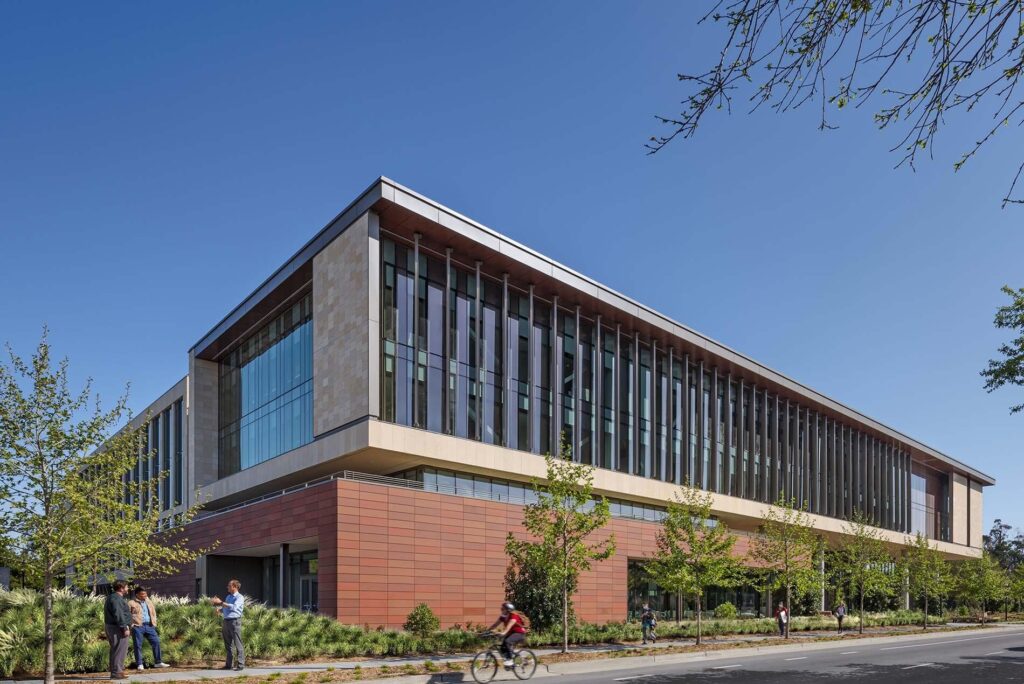
Stanford University School of Medicine stands as one of the nation’s premier medical education institutions, established in 1908 and consistently ranked among the top 10 medical schools in the United States. Located in Stanford, California on a suburban campus in the heart of Silicon Valley, Stanford Medicine operates as a private institution offering unique advantages for aspiring physicians and medical researchers.
Program Duration & Unique Structure
Stanford’s Discovery Curriculum offers a distinctive 4-year MD program with an innovative twist – students can complete their pre-clerkship curriculum in either 2 or 3 years, providing unprecedented flexibility. This unique structure allows students to pursue longitudinal research projects, dual degrees, or other scholarly pursuits while maintaining the same rigorous medical education standards.
Key Program Features:
- Flexible pre-clerkship pathways: 2-year or 3-year options
- Discovery Curriculum: Emphasizing scientific discovery and self-discovery
- Combined degree programs: MD/PhD, MD/JD, MD/MPH, MD/MBA
- Berg Scholars Program and Physician-Scientist Training Program (PSTP)
- Social Justice & Health Equity Curriculum Thread
Location & Campus Details
Stanford Medicine’s campus in Stanford, California offers students access to:
- State-of-the-art medical facilities and research laboratories
- Close proximity to Silicon Valley’s innovation ecosystem
- Multiple clinical training sites including Stanford Hospital, Palo Alto Veterans Hospital, and Santa Clara Valley Medical Center
- Collaborative environment with Stanford University’s other schools
Accreditation & Recognition
Stanford University School of Medicine is fully accredited by the Liaison Committee on Medical Education (LCME), ensuring graduates meet the highest standards for medical education. Previously ranked #5 in U.S. News & World Report’s research rankings (Stanford opted out of rankings in 2024-25), the school maintains its reputation as a leader in medical innovation and research excellence.
Admission Requirements
Academic Prerequisites
Minimum Degree Requirements:
Stanford requires applicants to have earned a U.S. Bachelor’s degree or its international equivalent from a college or university of recognized standing. International degree holders must have studied for at least one academic year in-person at an accredited institution in the United States, Canada, or the United Kingdom prior to applying.
Course Requirements:
Unlike many medical schools, Stanford does not have specific course requirements. Instead, the school recommends coursework that generates depth of knowledge in:
- Biology and life sciences
- Chemistry (general and organic)
- Physics
- Mathematics and statistics
- Behavioral and social sciences
- Communication and writing
- Laboratory or field research experiences
GPA Requirements:
- Median GPA: 3.95 for admitted students
- While Stanford doesn’t specify a minimum GPA, successful applicants typically demonstrate exceptional academic performance
- The school evaluates GPA in context of coursework difficulty and institutional rigor
Standardized Testing
MCAT Requirements:
- Median MCAT Score: 520 for admitted students
- Validity Period: MCAT scores must be from exams taken after January 2022 and before September 5, 2025 (for 2026 admissions cycle)
- Multiple Scores: Stanford accepts multiple MCAT attempts but doesn’t combine scores
- Score Range: Competitive applicants typically score 515 or higher
Additional Testing:
Stanford does not require CASPer or other additional standardized tests beyond the MCAT.
Extracurricular Activities & Experience Requirements
Stanford employs a holistic evaluation process that considers:
- Research experience (basic science, clinical, or public health)
- Clinical exposure and healthcare experience
- Community service and volunteer work
- Leadership roles and achievements
- Unique personal experiences and perspectives
- Demonstrated commitment to medicine and service
The school particularly values applicants who show evidence of originality, creativity, and capacity for independent, critical thinking.
Application Process & Timeline
Application System & Deadlines
Primary Application: AMCAS (American Medical College Application Service)
- Application Deadline: October 1, 2025 (11:59 PM ET)
- Application Opens: Late May 2025
Required Documents
- AMCAS Application: Complete primary application with all sections
- Transcripts: Official transcripts through AMCAS
- Letters of Recommendation: Minimum of 3, maximum of 6 individual letters through AMCAS Letter Service
- MCAT Scores: Automatically sent through AAMC
- Stanford Supplemental Application: School-specific secondary application
Secondary Application
After AMCAS processing, Stanford sends secondary applications to qualified candidates. The secondary includes:
- Additional essays and short-answer questions
- Application fee (fee assistance available through AAMC)
- Deadline typically 2-4 weeks after receiving secondary
Interview Process
Interview Format: Hybrid format combining Multiple Mini Interviews (MMI) with traditional interviews
- Interview Invitations: Sent on rolling basis from August through February
- Interview Season: September through March
- Format Options: Virtual interviews available
- Structure: Combination of MMI stations and traditional one-on-one interviews
Interview Statistics: With approximately 8,998 applications for 90 spots, interview invitations are highly competitive.
Post-Interview Process
- Decision Timeline: January through March
- Deposit Requirements: Required to secure matriculation spot
- Deferral Options: Up to two years with approval
Admission Statistics & Success Rates
Overall Acceptance Rate & Competitiveness
Stanford University School of Medicine has an acceptance rate of approximately 1.0%, making it one of the most competitive medical schools in the nation.
Recent Application Statistics (Class of 2028):
- Total Applications: 8,998
- Matriculated Students: 90
- Class Size: 90 students per year
Demographics of Admitted Students
Gender Distribution:
- Male: 50% (45 students)
- Female: 48% (43 students)
Geographic Distribution:
- California Residents: 37% (33 students)
- Out-of-State: 63% (57 students)
- International Students: Accepted (specific numbers vary annually)
Academic Statistics
Median Academic Metrics:
- GPA: 3.95
- MCAT Score: 520
- Academic Backgrounds: 79% of admitted students majored in sciences
Historical Trends
Application volume has remained consistently high, with slight variations year-over-year:
- 2021-2022: 11,321 applications
- 2022-2023: 8,407 applications
- 2023-2024: 8,837 applications
- 2024-2025: 8,998 applications
Tuition & Financial Information
Current Tuition Rates
2024-2025 Academic Year:
- Tuition: $68,492 (same for all students – Stanford is a private institution)
- Fees: Additional fees for technology, student services, and health insurance
Total Cost of Attendance
While specific total cost of attendance figures vary, students should budget for:
- Tuition: $68,492
- Living Expenses: Estimated $30,000-40,000 (highly variable based on housing choices)
- Health Insurance: Required if not covered by family plan
- Books and Supplies: Estimated $2,000-3,000
- Transportation: Variable based on location and travel needs
4-Year Program Total: Approximately $350,000-400,000
Financial Aid Options
Stanford School of Medicine offers robust financial aid support:
Need-Based Aid:
- Application Required: FAFSA and CSS Profile annually
- International Students: Eligible for Stanford grants and loans (not federal aid)
- Parent Information: Required on CSS Profile regardless of student age
Types of Financial Aid:
- Stanford need-based grants and scholarships
- Federal Direct Loans (U.S. citizens and permanent residents)
- External scholarships and fellowships
- Research assistantships and teaching assistantships
Financial Aid Philosophy:
Stanford is committed to ensuring that financial circumstances don’t prevent qualified students from attending. The school offers competitive aid packages to students with demonstrated financial need.
Living Expenses in Stanford, CA
Living in the Bay Area requires careful financial planning:
- On-Campus Housing: Graduate housing available
- Off-Campus Housing: $2,000-4,000+ per month depending on location and housing type
- Transportation: Public transit, parking, and vehicle expenses
- Daily Living: Food, personal expenses, and entertainment
Click To See Hundreds Of Consultants Who Can Mentor You:
Curriculum & Program Structure
Discovery Curriculum Overview
Stanford’s innovative Discovery Curriculum represents a paradigm shift in medical education, offering multiple learning pathways designed to increase flexibility and support both scientific discovery and personal growth.
Program Structure:
- Total Duration: 4 years
- Pre-Clerkship Options: 2-year or 3-year pathways
- Clerkships: 2 years (consistent across all pathways)
- Flexibility: Substantial open time for longitudinal scholarship in 3-year pathway
Educational Philosophy & Teaching Methods
Core Educational Approaches:
- Problem-Based Learning (PBL) integrated with traditional lectures
- Team-Based Learning (TBL) for collaborative education
- Technology Integration: Advanced simulation and digital learning tools
- Interdisciplinary Approach: Collaboration across medical disciplines
Pre-Clinical Years
Year 1: All students complete identical curriculum at full pace
- Fundamental medical sciences
- Introduction to clinical skills
- Research methodology
Year 2 Options:
- 2-Year Pathway: Accelerated completion of remaining pre-clinical requirements
- 3-Year Pathway: Extended timeline allowing for research, dual degrees, or other scholarly pursuits
Clinical Training
Clerkship Structure:
- Core Rotations: Internal medicine, surgery, pediatrics, obstetrics/gynecology, psychiatry, neurology, and others
- Training Sites:
- Stanford Hospital and Clinics
- Palo Alto Veterans Hospital
- Santa Clara Valley Medical Center
- Various community-based sites
Geographic Distribution: Clinical sites throughout the Bay Area and Northern California
Special Programs & Tracks
Dual Degree Options:
- MD/PhD: Medical Scientist Training Program (MSTP)
- MD/MBA: Combined medical and business education
- MD/MPH: Public health integration
- MD/JD: Medicine and law combination
Specialized Tracks:
- Berg Scholars Program: Research-focused pathway
- Physician-Scientist Training Program (PSTP)
- Primary Care Tracks
- Global Health Opportunities
Residency Preparation & Match Rates
Stanford graduates consistently achieve excellent residency match outcomes:
- Match Rate: Near 100% match rate annually
- Competitive Specialties: Strong placement in dermatology, radiology, orthopedic surgery, and other competitive fields
- Academic Medicine: Many graduates pursue careers in academic medicine and research
- USMLE Performance: Consistently high pass rates on Step 1 and Step 2 CK
Pre-Medical Preparation
Undergraduate Program Recommendations
Academic Majors:
While Stanford doesn’t prefer specific majors, successful applicants come from diverse academic backgrounds:
- Science Majors: 79% of admitted students (biology, chemistry, physics, engineering)
- Non-Science Majors: 21% (humanities, social sciences, arts)
- Interdisciplinary Programs: Encouraged for breadth of perspective
Academic Planning Strategy:
- Strong Science Foundation: Even non-science majors should demonstrate competency in core sciences
- Research Experience: Early involvement in research projects
- GPA Optimization: Maintain high academic performance while pursuing meaningful experiences
- Study Abroad: Can enhance application if integrated thoughtfully
Clinical Experience Requirements
Types of Clinical Exposure Valued:
- Direct Patient Care: Hospital volunteering, clinical assistant roles
- Healthcare Shadowing: Physician shadowing in various specialties
- Community Health: Public health initiatives and community clinics
- Global Health: International healthcare experiences
Quality vs. Quantity:
Stanford values depth and meaningful engagement over extensive hours. Focus on experiences that demonstrate genuine commitment to healthcare and provide insights into patient care.
Research Experience
Research Expectations:
- Not Required but Highly Valued: Strong research background significantly strengthens applications
- Types of Research:
- Basic science research in laboratory settings
- Clinical research and trials
- Public health and epidemiological studies
- Translational research
Research Outcomes:
- Publications: Not required but advantageous
- Presentations: Conference presentations demonstrate engagement
- Long-term Commitment: Sustained research involvement preferred over brief experiences
Extracurricular Planning
Leadership Development:
- Student government and organization leadership
- Community organization involvement
- Healthcare advocacy and policy work
- Entrepreneurial ventures (particularly relevant in Silicon Valley context)
Service and Volunteering:
- Community Service: Long-term commitment to community organizations
- Healthcare-Related Service: Free clinics, health fairs, patient advocacy
- Social Justice Initiatives: Aligned with Stanford’s emphasis on health equity
MCAT Preparation Strategy
Timing Recommendations:
- Traditional Timeline: Take MCAT spring of junior year
- Gap Year Students: Take MCAT by spring before application year
- Retake Policy: Stanford accepts multiple attempts; significant score improvement can strengthen application
Preparation Approaches:
- Self-Study: Using comprehensive review materials
- Prep Courses: Structured learning for comprehensive coverage
- Practice Tests: Extensive practice with timed conditions
- Content Review: Ensure mastery of all tested subjects
Gap Year Considerations
Beneficial Gap Year Activities:
- Research Positions: Full-time research roles
- Clinical Experience: Healthcare work or volunteer positions
- Graduate Education: Master’s programs in relevant fields
- Professional Development: Healthcare-related work experience
Application Timing:
- Traditional Applicants: Apply during senior year
- Gap Year Applicants: Apply 15 months before intended matriculation
Frequently Asked Questions
Does Stanford Medical School look at extracurriculars?
Yes, Stanford uses a holistic admissions process that heavily weighs extracurricular activities, research experience, clinical exposure, leadership, and service. The school seeks candidates who demonstrate originality, creativity, and a commitment to advancing medicine and biomedical sciences.
What is Stanford Medical School’s average GPA and MCAT score?
The median GPA for admitted students is 3.95, and the median MCAT score is 520. These represent some of the highest academic standards among U.S. medical schools.
How competitive is Stanford Medical School compared to other medical schools?
Stanford is among the most competitive medical schools in the nation with an acceptance rate of approximately 1.0%. It consistently ranks among the top 5 medical schools for research and maintains extremely high admission standards.
Does Stanford Medical School prefer California residents?
As a private institution, Stanford doesn’t give preference to in-state applicants. The current class composition is 37% California residents and 63% out-of-state students, reflecting the school’s national and international reach.
What makes Stanford Medical School different from other medical schools?
Stanford’s unique features include the Discovery Curriculum with flexible pre-clerkship pathways (2-year or 3-year options), strong emphasis on research and innovation, location in Silicon Valley, extensive dual-degree programs, and commitment to training physician-leaders who will advance medicine through discovery and innovation.
When should I apply to Stanford Medical School?
Submit your AMCAS application by the October 1st deadline. Start preparing your application materials in spring of your application year, with AMCAS opening in late May.
Does Stanford Medical School accept international students?
Yes, Stanford accepts qualified international students. International applicants must have studied for at least one academic year at an accredited institution in the U.S., Canada, or U.K. They’re eligible for Stanford institutional aid but not federal financial aid.
What clinical experience do I need for Stanford Medical School?
While there’s no minimum requirement, competitive applicants typically have substantial clinical exposure through volunteering, shadowing, research, or work experience. Stanford values depth and meaningful engagement over simply accumulating hours.
Does Stanford Medical School require research experience?
Research is not required but is highly valued. Approximately 79% of admitted students have significant research backgrounds. Stanford particularly values applicants who show evidence of independent, critical thinking and creativity.
How many letters of recommendation does Stanford Medical School require?
Stanford requires a minimum of 3 and accepts a maximum of 6 individual letters of recommendation submitted through the AMCAS Letter Service. Letters should be from individuals who can speak to your academic, personal, and professional qualities.