Last updated on January 9th, 2026 at 06:30 am
Program Overview & Institution Identity
Official Program Name and Recognition
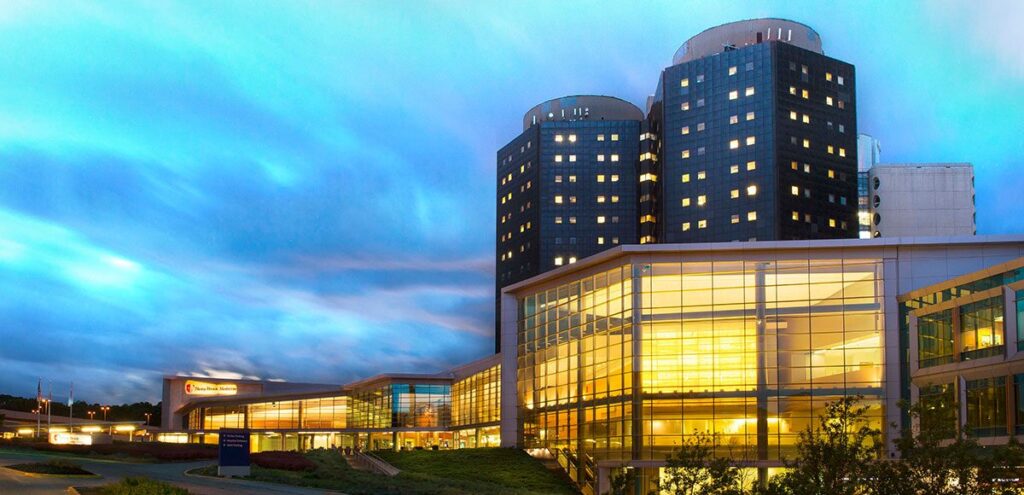
The Renaissance School of Medicine at Stony Brook University, formerly known as the Stony Brook University School of Medicine, is a public medical school that ranks as the #1 public medical school in New York State according to U.S. News & World Report. Located in Stony Brook, New York, this prestigious institution serves as part of the larger Stony Brook Medicine enterprise on a suburban campus.
Program Duration and Structure
Renaissance School of Medicine offers a traditional 4-year MD program, along with accelerated 3-year MD track options and several dual-degree programs. The curriculum follows the innovative LEARN framework (Learning-centered, Experiential, Adaptive, Rigorous, and Novel), designed to prepare students through active learning experiences rather than passive lecture attendance.
Location and Campus Details
Situated on the Stony Brook University campus in Long Island, New York, the medical school benefits from a suburban setting that provides both the resources of a major academic medical center and proximity to New York City. The campus houses 25 academic departments (8 basic science and 17 clinical) and maintains partnerships with seven hospitals, including Stony Brook University Hospital, Stony Brook Children’s Hospital, and the Northport VA Medical Center.
Accreditation Status
Renaissance School of Medicine is fully accredited by the Liaison Committee on Medical Education (LCME), ensuring that graduates are eligible to sit for USMLE examinations and apply for residency programs throughout the United States. The school was originally accredited in 1971, the same year it was founded.
Rankings and Special Designations
As the number one ranked public medical school in New York State, Renaissance School of Medicine has earned recognition for its research contributions, including groundbreaking work in MRI development, PET scans, 3D virtual colonoscopy, and the discovery of Lyme disease etiology. The school receives over $90 million in research funding annually and maintains NIH-sponsored research programs.
Unique Features and History
In 2018, the school was renamed from Stony Brook University School of Medicine to Renaissance School of Medicine in recognition of over $1 billion in philanthropic investments from Renaissance Technologies families. The institution maintains a strategic partnership with Mount Sinai Health System, expanding educational and clinical opportunities for students.
Admission Requirements
Academic Prerequisites
Minimum Degree Requirements:
All applicants must have completed a baccalaureate degree prior to matriculation. While New York State requires a minimum of two years of college, successful applicants typically possess a four-year undergraduate degree.
Required Prerequisite Courses:
- Biology: 2 semesters with laboratory, including one course in cell biology or genetics
- Chemistry: Minimum of 4 semesters including general chemistry, organic chemistry, and biochemistry, with a minimum of 3 semesters of laboratory work
- Physics: 1 semester with laboratory
- English/Writing: 1 semester
- Social Sciences/Humanities: 1 semester of psychology, sociology, logic, ethics, anthropology, or philosophy
- Statistics: 1 semester
Advanced Placement Policy:
AP credit is accepted for scores of 4 or 5, but may not exceed one course per discipline. All prerequisite requirements must be completed with a grade of C or better prior to matriculation.
GPA Requirements
Minimum Standards:
While no official minimum GPA is published, successful applicants typically demonstrate strong academic performance.
Competitive Statistics:
- Median overall GPA: 3.93
- Median science GPA: 3.86
- Average GPA of matriculants: 3.89
The admissions committee evaluates both science and overall GPA, with 85% of enrolled students coming from science majors and 15% from non-science backgrounds.
Standardized Testing
MCAT Requirements:
- Required for all applicants
- Scores must be no more than 3 years old at time of matriculation
- Median MCAT score: 517 (approximately 90th percentile)
- Average total MCAT score: 515-516
CASPer Test:
Renaissance School of Medicine requires the CASPer (Computer-Based Assessment for Sampling Personal Characteristics) test. This situational judgment test evaluates personal and professional characteristics that cannot be measured through traditional academic metrics.
Extracurricular Activities & Experience Requirements
The admissions committee conducts a holistic review, evaluating:
- Clinical exposure and healthcare experience
- Research experience (not required but valuable)
- Community service and volunteer work
- Leadership experiences
- Work experience
- Cultural and personal diversity
The school particularly values applicants who demonstrate commitment to addressing social determinants of health and serving diverse communities.
Application Process & Timeline
Application System and Deadlines
Renaissance School of Medicine participates in the American Medical College Application Service (AMCAS). Key dates include:
- AMCAS Deadline: November 15, 2025
- Supplemental Application Deadline: December 13, 2024
- Early Decision Deadline: August 1 (AMCAS), August 31 (supporting documents)
Required Documents
- Verified AMCAS application
- Renaissance School of Medicine supplemental application
- Letter of evaluation from premedical advisor or two instructors (one in science)
- Official transcripts (submitted through AMCAS)
- MCAT scores
- CASPer test results
Application Fees
- AMCAS fee (standard AMCAS pricing)
- Supplemental application fee: $100 (waived for AMCAS fee waiver recipients)
Secondary Application Essays
The supplemental application includes three 500-word essays:
- Gap Year/Continuous Education: Explain any gaps or describe proudest accomplishment
- Personal Definition: How past experiences and challenges have shaped your identity
- Career Goals or Ethical Dilemma: Choose between describing career goals or handling an ethical/professional challenge
Interview Process
Renaissance School of Medicine uses a traditional interview format rather than Multiple Mini Interviews (MMI). Based on student feedback, interviews are generally low-stress with an impressive atmosphere. The school typically interviews approximately 849 candidates from over 5,400 applications.
Admission Statistics & Success Rates
Overall Acceptance Rate
Renaissance School of Medicine maintains high selectivity with an acceptance rate of approximately 8.2-8.6%, making it highly competitive among medical schools.
Application Volume and Class Statistics
- Total applications (2023): 5,470
- Interviews offered: 849
- Acceptances offered: 468
- Class size: 136 students
- Yield rate: Approximately 29-31%
Demographics of Admitted Students
Geographic Distribution:
- New York State residents: 77%
- Out-of-state residents: 20%
- International students: 3%
Academic Background:
- Science majors: 85%
- Non-science majors: 15%
- Students with advanced degrees: 13 (including 9 Master’s degrees, 9 PhDs)
Diversity Statistics:
- Female: 54%
- Male: 46%
- Underrepresented in medicine: 20%
- Lower socioeconomic background: 25%
- Average age: 23
Program Enrollment Breakdown
- 4-Year MD degrees: 117 students
- 3-Year MD degrees: 5 students
- MD/PhD degrees: 8 students
- MD/MPH degrees: 1 student
- MD/MBA degrees: 1 student
- Scholars for Medicine (BS/MD): 4 students
Tuition & Financial Information
Current Tuition Rates
2024-2025 Academic Year:
- New York State residents: $50,138
- Out-of-state residents: $71,598
- Additional fees: Approximately $4,210
Total Cost of Attendance
The estimated total cost includes tuition, fees, and living expenses. For the Class of 2027:
- Tuition and fees: $49,190 (NY residents)
- Living expenses: Additional costs for housing, food, transportation, and personal expenses
Financial Aid Options
70-80% of students receive financial assistance through federal loan programs:
- Federal Direct Unsubsidized Stafford Loans
- Federal Direct Grad PLUS Loans
- Need-based institutional grants
- Merit-based scholarships
Living Expenses and Housing
Students can choose from on-campus housing or off-campus options in the Stony Brook community. The suburban setting consists primarily of single-family homes that students often share. Access to an automobile is recommended, especially during clinical rotations at dispersed sites, as public transportation is limited.
Click To See Hundreds Of Consultants Who Can Mentor You:

Curriculum & Program Structure
Educational Philosophy: The LEARN Curriculum
Renaissance School of Medicine’s curriculum emphasizes active learning through the LEARN framework:
- Learning-centered
- Experiential
- Adaptive
- Rigorous
- Novel
Pre-Clinical Years (Phase I)
The first 14 months focus on foundational knowledge through:
- Basic Building Blocks of Medicine: The Body, Molecular Foundations, Disease Mechanisms, Pathogens and Defenses
- Systems-Based Pathophysiology courses
- Active learning experiences: Audience response sessions, small group cases, team-based learning
- Clinical Simulation Center activities
- Early clinical exposure: Introduction to Clinical Medicine, Medicine in Contemporary Society
Clinical Training (Phases II & III)
Core Clerkships (Phase II): One year of foundational clinical rotations covering all major specialties
Advanced Clinical Experience (Phase III): Flexibility to explore specialties in greater depth, prepare for residency, and complete elective rotations
Special Programs and Dual Degrees
- MD/PhD Program (MSTP): Medical Scientist Training Program
- MD/MPH: Public Health collaboration
- MD/MBA: Business administration integration
- MD/MA: Bioethics, Compassionate Care and Medical Humanities
- 3-Year MD Track: Accelerated program option
- BS/MD Program: Direct admission from high school (Scholars for Medicine)
Residency Preparation and Match Rates
Renaissance School of Medicine graduates are well-prepared for board examinations and residency matching. The school sponsors 68 ACGME-accredited residency and fellowship programs, providing extensive training opportunities within the Stony Brook Medicine system.
Pre-Medical Preparation
Undergraduate Program Recommendations
Renaissance School of Medicine welcomes students from diverse academic backgrounds, with 15% of the class coming from non-science majors. The school values intellectual diversity and encourages applications from students with varied interests.
Academic Planning Timeline
Junior Year:
- Complete prerequisite courses
- Begin MCAT preparation
- Gain clinical experience
- Establish relationships with faculty for letters of recommendation
Senior Year:
- Take MCAT by spring
- Submit AMCAS application early in cycle
- Complete CASPer test
- Maintain strong academic performance
Clinical Experience Recommendations
While specific requirements aren’t mandated, successful applicants typically demonstrate:
- Direct patient care experience
- Clinical shadowing
- Healthcare volunteering
- Understanding of healthcare delivery systems
Research Experience
Research experience, while not required, is valued by the admissions committee. With over $90 million in annual research funding, the school offers extensive opportunities for student involvement in cutting-edge biomedical research.
Extracurricular Planning
Successful applicants typically demonstrate:
- Long-term commitment to service
- Leadership roles in organizations
- Community involvement
- Cultural competency development
- Addressing social determinants of health
Frequently Asked Questions
Does Renaissance School of Medicine look at extracurriculars?
Yes, Renaissance School of Medicine conducts a holistic review that heavily weighs extracurricular activities, including clinical experience, research, community service, and leadership. Personal and motivational characteristics are major components of the admissions assessment.
What is Renaissance School of Medicine’s average GPA and MCAT score?
The median GPA is 3.93 overall and 3.86 for science courses. The median MCAT score is 517, placing successful applicants in approximately the 90th percentile nationally.
How competitive is Renaissance School of Medicine compared to other medical schools?
Renaissance School of Medicine is highly competitive with an acceptance rate of approximately 8.2%. As the #1 ranked public medical school in New York State, it attracts exceptional candidates nationwide.
Does Renaissance School of Medicine prefer in-state applicants?
Yes, as a public institution, Renaissance School of Medicine shows preference for New York State residents, who comprise 77% of the entering class. However, 20% of students are from out-of-state, and 3% are international students.
What makes Renaissance School of Medicine different from other medical schools?
Key differentiators include the innovative LEARN curriculum emphasizing active learning, strong research opportunities with $90+ million annual funding, strategic partnership with Mount Sinai Health System, and commitment to addressing social determinants of health.
When should I apply to Renaissance School of Medicine?
Applications should be submitted early in the cycle. The AMCAS deadline is November 15, with the supplemental application due December 13. Early Decision applications are due August 1.
Does Renaissance School of Medicine accept international students?
Yes, Renaissance School of Medicine accepts both Canadian and international students, though they comprise a small percentage of the class (3%). International applicants must complete at least one year of study at an American college or university.
What clinical experience do I need for Renaissance School of Medicine?
While no specific clinical hour requirements are mandated, successful applicants typically demonstrate meaningful patient care experience, clinical shadowing, and healthcare volunteering that shows commitment to medicine.
Does Renaissance School of Medicine require research experience?
Research experience is not required but is valued by the admissions committee. Given the school’s strong research focus, applicants with research backgrounds often have an advantage.
How many letters of recommendation does Renaissance School of Medicine require?
The school requires a letter of evaluation from your premedical advisor. If no such official exists, submit letters from two instructors, one of whom must be from a science field. Additional supportive letters are welcome.
What is Renaissance School of Medicine’s curriculum like?
The LEARN curriculum emphasizes active, experiential learning through case-based discussions, simulation center activities, team-based learning, and early clinical exposure. Students spend 14 months in pre-clinical training followed by clinical rotations and electives.
Where do Renaissance School of Medicine graduates match for residency?
Graduates match into competitive residency programs nationwide. The school sponsors 68 ACGME-accredited residencies and fellowships, and students feel well-prepared for board examinations and residency training.
How much does Renaissance School of Medicine cost?
For 2024-2025, tuition is $50,138 for New York State residents and $71,598 for out-of-state students, plus approximately $4,210 in additional fees and living expenses.
What financial aid is available at Renaissance School of Medicine?
70-80% of students receive financial assistance through federal loan programs, need-based institutional grants, and merit-based scholarships. The school works closely with students to ensure financing doesn’t impact academic success.
Does Renaissance School of Medicine offer interviews to all qualified applicants?
No, Renaissance School of Medicine screens applications before offering interviews. Approximately 849 candidates receive interview invitations from over 5,400 applications, making the interview invitation itself competitive.
Renaissance School of Medicine at Stony Brook University continues to build on its legacy of innovation in medical education, research, and clinical care. As the premier public medical school in New York State, it offers exceptional opportunities for students committed to advancing medicine and serving diverse communities.