
Last updated on January 9th, 2026 at 06:32 am
Program Overview & Institution Identity
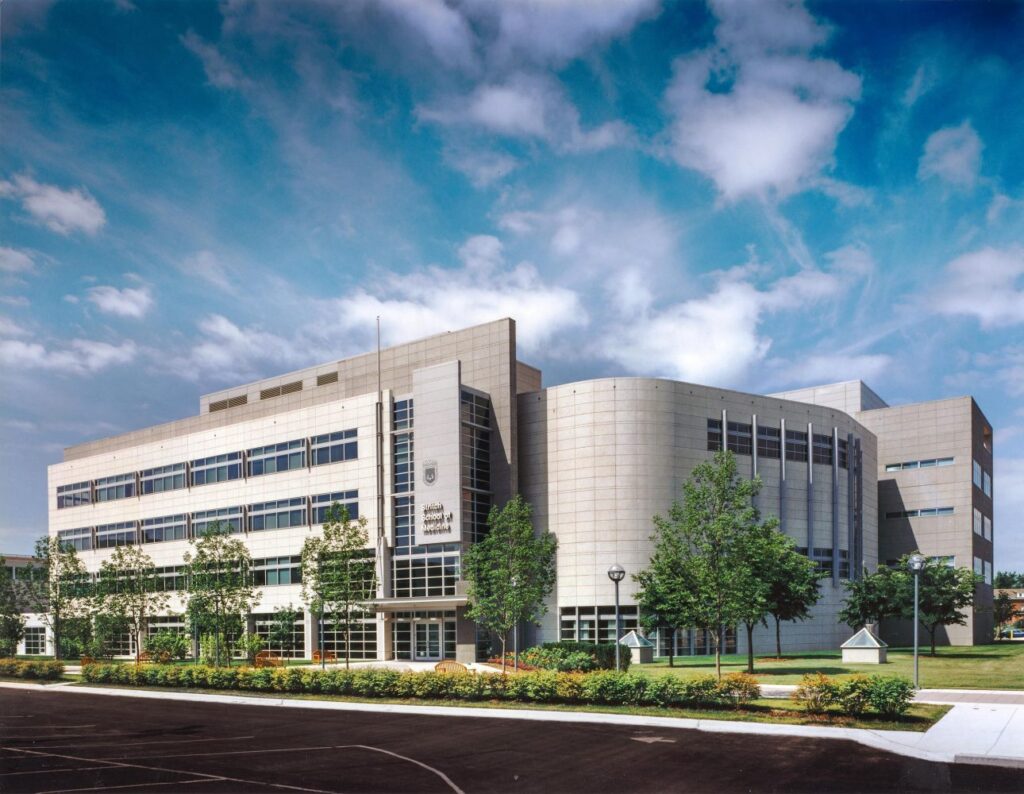
Official Program Name: Loyola University Chicago Stritch School of Medicine
Program Duration: The Stritch School of Medicine offers a traditional 4-year MD program designed to prepare students for careers in medicine and medical research. The curriculum is structured to provide comprehensive medical education grounded in Jesuit Catholic tradition.
Location and Campus Details: Located in Maywood, Illinois, approximately 12 miles west of Chicago, the Stritch School of Medicine operates on Loyola’s Health Sciences campus. This urban campus setting provides students with access to diverse clinical training environments, from leading hospitals to community health clinics.
Accreditation Status: Loyola University Chicago Stritch School of Medicine is fully accredited by the Liaison Committee on Medical Education (LCME), ensuring that graduates are eligible to take the United States Medical Licensing Examination (USMLE) and apply for residency positions throughout the United States.
Ranking and Recognition: As a well-established private medical school founded in 1870, Stritch School of Medicine is recognized for its excellence in clinical education, research opportunities, and commitment to service. The school is particularly noted for its holistic admissions process and commitment to training physicians who serve underserved communities.
Distinctive Features:
- Jesuit Catholic educational philosophy emphasizing service to others
- First medical school to accept DACA (Deferred Action for Childhood Arrivals) students
- Strong emphasis on research with 70-80% of students participating in research activities
- Approximately 30% of students pursue the Research Honors program
- 95% of graduating students engage in more than one humanitarian, volunteer, or service experience
Admission Requirements
Academic Prerequisites
Minimum Degree Requirements: Applicants must be on track to have earned a Bachelor’s degree before matriculation. Those with Master’s degrees are also eligible and encouraged to apply.
Required Courses: While Stritch does not specify exact credit hour requirements, competitive applicants typically demonstrate strong preparation in:
- Biology (including molecular biology and genetics)
- General Chemistry
- Organic Chemistry
- Physics
- Mathematics (including statistics)
- English/Writing
GPA Requirements:
- Median GPA of Admitted Students: 3.85
- While no official minimum GPA is published, competitive applicants typically have GPAs well above 3.5
- For MD/PhD applicants, a GPA of 3.5 or higher is required
- The admissions committee evaluates both overall GPA and science GPA (BCPM)
- Special consideration is given to the academic performance in the most recent academic year
Standardized Testing
MCAT Requirements:
- Median MCAT Score: 513 (approximately 85th percentile)
- All sections of the MCAT are evaluated
- For MD/PhD applicants, MCAT scores should be at or above the 75-80th percentile
- MCAT scores are valid for several years as determined by AAMC guidelines
- Retakes are accepted, and the admissions committee considers all scores
Additional Testing: Stritch School of Medicine does not require CASPer or other additional standardized tests beyond the MCAT.
Extracurricular Activities & Experience Requirements
Holistic Evaluation: Stritch employs a mission-based holistic admissions process that considers:
Service Experience: Given the school’s Jesuit mission, demonstrated commitment to service is crucial. The admissions committee looks for:
- Sustained partnerships with concrete deliverables
- Service to underserved and marginalized communities
- Personal reflections and learning from service experiences
- Substantial service commitments (hours vary by individual circumstances)
Clinical Experience: While specific requirements aren’t mandated, competitive applicants typically have meaningful clinical exposure demonstrating their understanding of healthcare and patient interaction.
Research Experience: With 70-80% of students participating in research, demonstrated research experience is highly valued, though not strictly required.
Leadership and Personal Growth: Evidence of leadership roles, overcoming challenges, and contributions to campus and civic communities.
Application Process & Timeline
Application System: Loyola University Chicago Stritch School of Medicine participates in the American Medical College Application Service (AMCAS).
Application Deadline: November 3, 2025 (for the 2026 entering class)
Required Documents:
- Completed AMCAS application
- Official transcripts from all institutions attended
- MCAT scores
- Letters of recommendation (typically 3-4 letters from science faculty, physicians, or other professional references)
- Personal statement
- Description of activities and experiences
- Secondary application (sent after AMCAS submission)
Application Fees:
- AMCAS primary application fee: Varies by number of schools
- Stritch secondary application fee: Contact admissions office for current fees
Secondary Applications: All applicants who submit a complete AMCAS application receive a secondary application from Stritch. This includes school-specific essays and questions about the applicant’s interest in the school.
Interview Process:
- Format: Traditional one-on-one interviews
- Duration: Typically 45-60 minutes
- Structure: Most interviews are open-file, meaning interviewers have access to the applicant’s application materials
- Number of Interviewers: Usually 2 interviewers per candidate
- Questions Focus: Personal background, motivation for medicine, experiences, and fit with school’s mission
Interview Statistics: Based on historical data, Stritch interviews a selective portion of their applicant pool, with interviews typically conducted from fall through early spring.
Admission Statistics & Success Rates
Overall Acceptance Rate: While specific acceptance rates are not publicly disclosed, Stritch School of Medicine is considered moderately competitive among private medical schools.
Class Size: 170 students are admitted each year to the MD program.
Application Volume: The school receives thousands of applications annually for the 170 available positions.
Academic Statistics of Admitted Students:
- Median GPA: 3.85
- Median MCAT: 513
- MCAT Percentile: Approximately 85th percentile
Residency Match Success: Recent match statistics show strong placement across various specialties:
- 2025 Class: 42% matched in primary care specialties
- Specialty Breakdown: Internal Medicine (20%), Family Medicine (11%), Pediatrics (10%), Emergency Medicine (9%), Psychiatry (7%), Anesthesiology (6%), Obstetrics-Gynecology (5%), General Surgery (5%)
Geographic Distribution: Many graduates remain in the Midwest region, with 53% of the 2023 class matching in Midwest programs. Illinois remains popular with 35% of graduates, while significant numbers also match on the East Coast (15%), South (11%), and West Coast (21%).
Tuition & Financial Information
Current Tuition Rates:
- 2025-2026 Academic Year: $70,998 per year
- Note: As a private institution, tuition is the same for all students regardless of residency status
Tuition Trends: Over the past 5 years, tuition has increased by approximately 10.64%, from $64,171 in 2020-2021 to $70,998 for 2025-2026.
Total Cost of Attendance: The total cost of attendance includes tuition, fees, living expenses, books, supplies, and personal expenses. For medical students, this typically ranges from $90,000-$100,000 annually when including living costs in the Chicago area.
Additional Fees:
- Technology fees
- Student services fees
- Laboratory fees
- Health insurance (if not covered under family plan)
- Board examination fees
Financial Aid Options:
- Federal Aid: Stritch participates in federal student aid programs including Stafford Loans, Grad PLUS Loans, and work-study programs
- Institutional Scholarships: Merit-based and need-based scholarships are available
- FAFSA Required: Students must complete the Free Application for Federal Student Aid (FAFSA) to be considered for aid
- External Scholarships: Students are encouraged to apply for external scholarships and grants
Living Expenses: The Chicago suburban area offers various housing options. Many students live in nearby apartments or share housing to reduce costs.
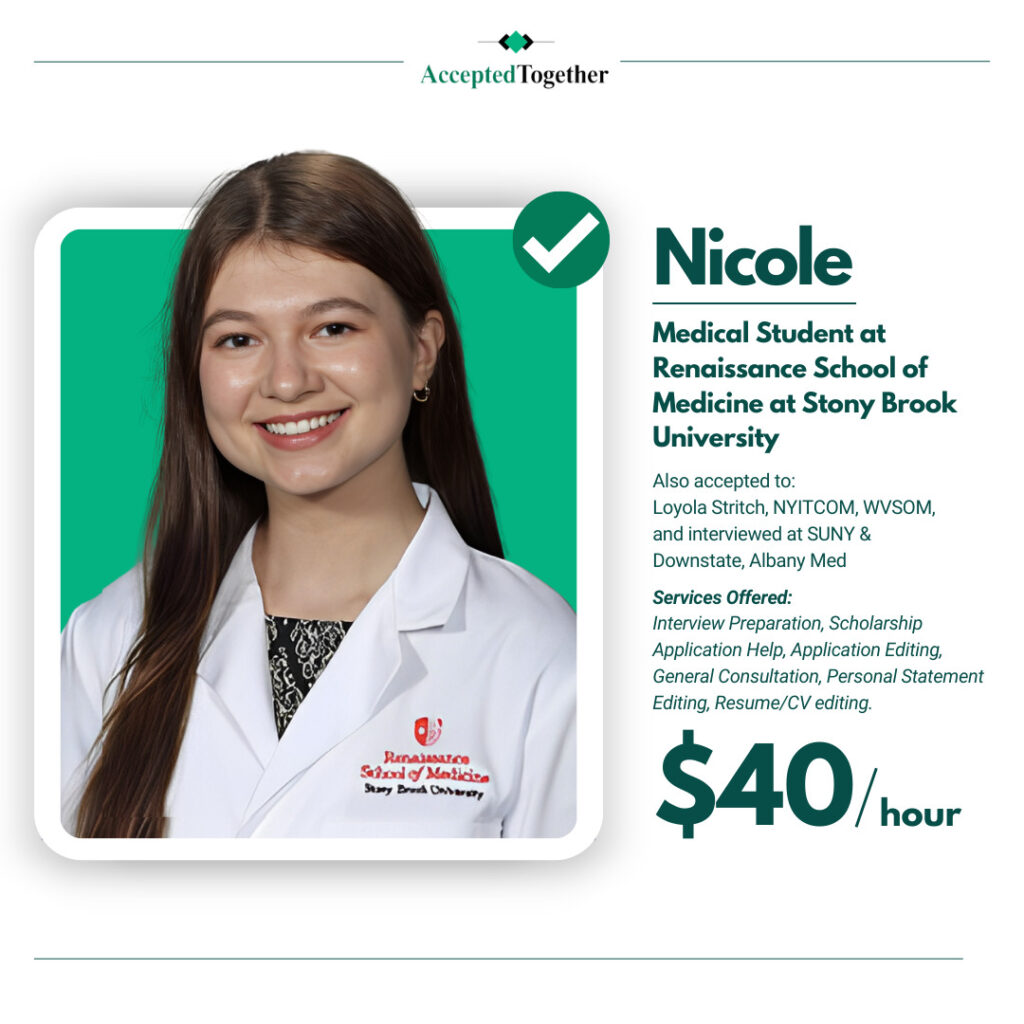
Click To See Hundreds Of Consultants Who Can Mentor You:

Curriculum & Program Structure
Program Duration: 4-year traditional MD program structure
Educational Philosophy: Grounded in Jesuit values, the curriculum emphasizes:
- Development of physicians who treat not only the human body but the human spirit
- Service to underserved communities
- Academic and clinical excellence
- Lifelong learning principles
- Professional formation and wellness
Pre-Clinical Years (Years 1-2):
- Foundation in basic scientific principles
- Integration of clinical skills training early in the curriculum
- Problem-based learning components
- Early patient interaction opportunities
- Research opportunities encouraged
Clinical Training (Years 3-4):
- Core clinical rotations in major specialties
- Sub-internship requirements
- Elective rotations to explore specialty interests
- Clinical training occurs at multiple sites including:
- Loyola University Medical Center (547 beds)
- Hines Veterans Hospital (485 beds)
- Community hospitals and clinics
- Various ambulatory care settings
Special Programs:
- Research Honors Program: Available for approximately 30% of students
- Dual Degree Programs: MD/PhD, MD/MPH, MD/MBA options available
- Service Learning: Extensive opportunities for community service and global health experiences
Assessment Methods: The curriculum employs various assessment methods including traditional examinations, practical assessments, and competency-based evaluations.
Pre-Medical Preparation
Undergraduate Program Recommendations:
- No specific major preference – students from all academic backgrounds are welcome
- Strong foundation in sciences is essential
- Diverse academic experiences are valued
- Emphasis on critical thinking and communication skills
Academic Planning:
- Complete all prerequisite courses with strong performance
- Maintain competitive GPA throughout undergraduate studies
- Consider advanced science courses to demonstrate academic rigor
- Engage in meaningful research experiences
Clinical Experience Requirements:
- While not specifically mandated, clinical exposure is highly recommended
- Volunteer in hospitals, clinics, or healthcare settings
- Shadow physicians in various specialties
- Consider healthcare-related employment or internships
Research Experience:
- Given that 70-80% of students participate in research, prior research experience is valuable
- Can include basic science, clinical, or public health research
- Publications are beneficial but not required
- Focus on learning research methodology and critical analysis
Service and Leadership:
- Demonstrate sustained commitment to service
- Focus particularly on serving underserved or marginalized populations
- Show leadership roles and personal growth through challenges
- Engage in meaningful community involvement
MCAT Preparation:
- Target score around the 85th percentile (median accepted score: 513)
- Allow adequate time for preparation (typically 3-6 months)
- Consider retaking if initial score is below target range
- Take practice tests under timed conditions
Frequently Asked Questions
Does Loyola University Chicago Stritch School of Medicine look at extracurriculars?
Yes, Stritch uses holistic admissions and heavily weighs extracurricular activities, particularly service experiences, clinical exposure, and research involvement.
What is Stritch School of Medicine’s average GPA and MCAT score?
The median GPA for admitted students is 3.85, and the median MCAT score is 513.
How competitive is Stritch School of Medicine compared to other medical schools?
Stritch is considered moderately competitive among private medical schools, with competitive but not impossible admission statistics.
Does Stritch School of Medicine prefer in-state applicants?
As a private institution, Stritch does not give geographic preference to Illinois residents, though many students are from the Midwest region.
What makes Stritch School of Medicine different from other medical schools?
Stritch’s Jesuit Catholic mission, commitment to serving underserved populations, strong research opportunities, and holistic admissions process distinguish it from other schools.
When should I apply to Stritch School of Medicine?
Applications should be submitted through AMCAS as early as possible after the application opens in May, with the final deadline of November 3, 2025.
Does Stritch School of Medicine accept international students?
Yes, Stritch accepts international students on a case-by-case basis, as well as Canadian students. The school notably accepts DACA students.
What clinical experience do I need for Stritch School of Medicine?
While there’s no specific requirement, meaningful clinical exposure through volunteering, shadowing, or healthcare employment is expected.
Does Stritch School of Medicine require research experience?
Research experience is not strictly required but is highly valued, given that 70-80% of students participate in research during medical school.
How many letters of recommendation does Stritch School of Medicine require?
Typically 3-4 letters are recommended, including letters from science faculty, physicians, or other professional references who can speak to your qualifications for medicine.
What is Stritch School of Medicine’s curriculum like?
The curriculum follows a traditional 4-year structure with 2 years of pre-clinical education followed by 2 years of clinical rotations, emphasizing early patient contact and research opportunities.
Where do Stritch School of Medicine graduates match for residency?
Recent graduates have matched across diverse specialties, with 42% in primary care and strong representation in Emergency Medicine, Psychiatry, Anesthesiology, and surgical specialties. Many remain in the Midwest (53%).
How much does Stritch School of Medicine cost?
Tuition for 2025-2026 is $70,998 per year, with total cost of attendance including living expenses estimated at $90,000-$100,000 annually.
What financial aid is available at Stritch School of Medicine?
Financial aid includes federal loans, institutional scholarships, work-study programs, and external scholarship opportunities. All students must complete the FAFSA.
Does Stritch School of Medicine offer interviews to all qualified applicants?
No, interviews are selective and offered to competitive candidates who demonstrate strong academic preparation and alignment with the school’s mission of service and excellence.