Last updated on January 9th, 2026 at 06:33 am
Program Overview & Institution Identity
The Frederick P. Whiddon College of Medicine at the University of South Alabama is a prestigious medical school established in 1973, offering the Doctor of Medicine (M.D.) degree in Mobile, Alabama. The college operates on a suburban campus with state-of-the-art facilities and is fully accredited by the Liaison Committee on Medical Education (LCME).
Program Duration & Structure
The Frederick P. Whiddon College of Medicine offers a traditional 4-year M.D. program with a competency-based curriculum. The educational design follows an integrated organ systems-based approach for the first two years, followed by clinical rotations in the final two years.
Location & Campus Details
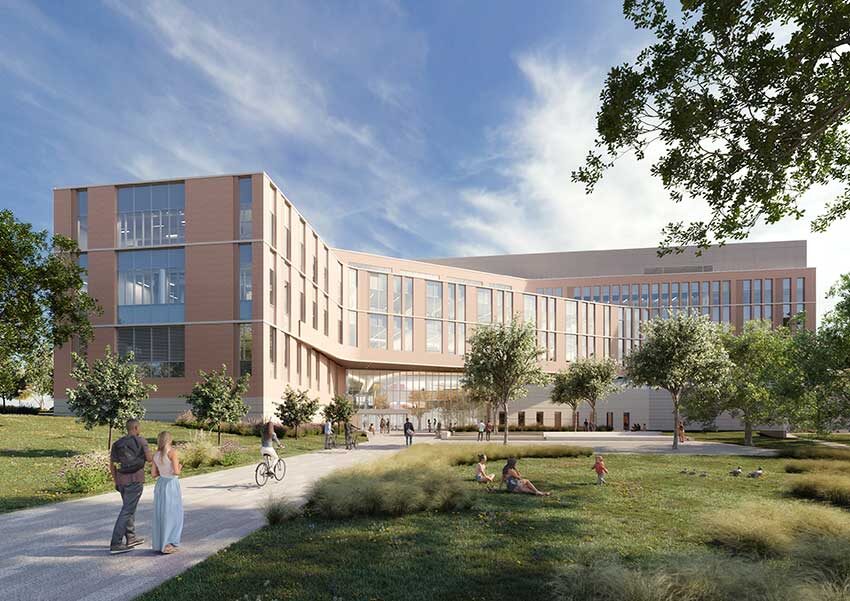
Located in Mobile, Alabama, the college operates as a public institution on the University of South Alabama’s suburban campus. The program is housed in the Medical Sciences Building, the adjacent Small Group Learning Center, and the Health Simulation Building. Clinical training takes place at USA Health hospitals and community physician offices throughout the region.
Distinctive Features
- Primary Care Pathway Program: Enrolls up to 10 students per class for specialized training in community-level primary care medicine
- Combined Degree Options: MD/MBA program available
- Integrated Curriculum: Competency-based education across all four years
- Rural Medicine Focus: 18% of students come from rural Alabama counties
Mission Statement
“Our mission is to provide innovative research, education, and clinical care in a culture of excellence, discovery, and scholarship to the next generation of physicians, scientists, and educators to advance patient-centered and equitable healthcare.”
Accreditation & Recognition
The college is fully accredited by the LCME and is a member of the Association of American Medical Colleges (AAMC). The school is particularly recognized for its commitment to community service and diversity, with a strong emphasis on serving rural and medically underserved communities.
Admission Requirements
Academic Prerequisites
Minimum Degree Requirements
- 90 semester hours from a U.S. regionally accredited college or university (required)
- Bachelor’s degree preferred but not required
- Both science and non-science majors are considered
Required Courses
All prerequisite courses must include laboratory work and be completed at a U.S. regionally accredited institution:
- General Chemistry with Lab: 8 semester hours
- General Biology with Lab: 8 semester hours
- Mathematics: 6 semester hours
- Organic Chemistry with Lab: 8 semester hours (Biochemistry may substitute for Organic Chemistry II)
- General Physics with Lab: 8 semester hours
- Humanities: 3 semester hours
- Behavioral and Social Sciences: 3 semester hours
- English Composition or Literature: 6 semester hours
Recommended Courses
- Statistics
- Immunology
GPA Requirements
- Median GPA: 3.93
- The quality of the undergraduate institution is considered when evaluating GPA
- Both science and overall GPA are evaluated
- Courses taken abroad are generally not counted toward prerequisites
Standardized Testing
MCAT Requirements
- MCAT is required for all applicants
- Median MCAT Score: 508
- Score validity: MCAT scores must be no more than 4 years old
- For 2025 cycle: Earliest acceptable score from 2021, latest from September 2024
- Most recent score is considered if multiple attempts
- No preference between test dates
Extracurricular Activities & Experience Requirements
The Frederick P. Whiddon College of Medicine uses a holistic evaluation system that considers:
- Clinical experience and exposure
- Research experience (both basic science and clinical)
- Community service and volunteering
- Leadership activities
- Diversity of experiences and backgrounds
The admissions committee particularly values applicants who demonstrate:
- Strong motivation for medicine
- Compassion and service orientation
- Cultural sensitivity and readiness for multicultural practice
- Intellectual curiosity
- Communication skills
State Residency Preferences
As a public institution, the college gives priority to Alabama residents. However, they do consider competitive out-of-state applicants with strong ties to Alabama and international students with permanent resident status.
Application Process & Timeline
Application System
- AMCAS (American Medical College Application Service) required
- Secondary application sent to all eligible applicants
- Traditional interview format (not MMI)
Key Deadlines
- AMCAS opens: June 1
- Primary Application Deadline: November 1, 2025
- Secondary Application Deadline: December 1, 2024
Required Documents
- Official transcripts through AMCAS
- MCAT scores
- Letters of recommendation (specific requirements not detailed)
- Personal statement
- Work and activities descriptions
Application Fees
- Secondary Application Fee: $75 (non-refundable)
- FAP Waiver: Students with AMCAS Fee Assistance Program automatically receive secondary fee waiver
Secondary Application
All U.S. citizens and international applicants with permanent resident status receive secondary applications. The secondary includes:
Required Essays:
- Areas of medical interest (200 characters)
Optional Essays:
- Ties to Alabama (2000 characters) – for out-of-state applicants
- Diversity and life experiences (3500 characters)
Interview Process
- Interview Format: Traditional interviews (online via Zoom for 2025-2026 cycle)
- Interview Schedule: Most Wednesdays between September and March
- Interview Invitation: 1-2 weeks notice via email
- Interview Day Structure:
- 8:30-9:00 AM: Sign-in
- 9:00-9:40 AM: Welcome and information session
- 10:00-10:40 AM: First interview
- 11:00-11:40 AM: Second interview
- 12:00-12:40 PM: Student Q&A session
- 12:45-1:00 PM: Closing remarks
Post-Interview Process
Decision notifications and timelines vary. The school conducts interviews through March with rolling admissions decisions.
Admission Statistics & Success Rates
Overall Statistics
- Acceptance Rate: 14% (according to Princeton Review data)
- First Year Class Size: 79 students
- Total Medical School Enrollment: 280 students
- Applications per Year: Approximately 565 applicants for 79 spots (estimated from acceptance rate)
Academic Statistics of Admitted Students
- Median GPA: 3.93
- Average Undergraduate GPA: 3.70 (Princeton Review)
- Median MCAT Score: 508
Class Demographics (Class of 2028)
- Gender Distribution: 36 males, 43 females (54% female)
- Geographic Diversity: 37 hometowns across 18 Alabama counties and 2 other states
- Rural Background: 18% from rural Alabama counties
- Academic Diversity: Degrees from 27 different fields of study from 20 different colleges
Geographic Distribution
The school primarily serves Alabama residents but accepts competitive out-of-state and international applicants with strong ties to the state.
Comparison Data
The median MCAT of 508 places the school at a competitive level among U.S. medical schools, while the median GPA of 3.93 indicates highly academically prepared students.
Tuition & Financial Information
Current Tuition Rates (2024-2025)
Tuition and Fees
- In-State Tuition: $35,155 annually
- Out-of-State Tuition: $69,362 annually
- Difference: $34,207 higher for out-of-state students
Total Cost of Attendance (Living Off Campus)
First Year (M1)
- In-State Total: $67,535
- Out-of-State Total: $101,742
Breakdown:
- Tuition and Fees: $35,155 (in-state) / $69,362 (out-of-state)
- Living Expenses: $16,920
- Books and Supplies: $5,031
- Transportation: $5,735
- Personal Expenses: $4,179
- Loan Fees: $515
Second Year (M2)
- In-State Total: $67,816
- Out-of-State Total: $102,023
- Includes USMLE Step 1 fees in books and supplies
Third Year (M3)
- In-State Total: $71,090
- Out-of-State Total: $105,297
- Higher costs due to clinical rotations and travel
- Includes USMLE Step 2 fees
Fourth Year (M4)
- In-State Total: $66,851
- Out-of-State Total: $101,058
Four-Year Program Cost
- In-State Total: ~$273,292
- Out-of-State Total: ~$410,120
Financial Aid Information
- Students Receiving Aid: 90% of students receive some form of financial aid
- Federal Aid: Federal loan programs available
- Need-Based Aid: Available through federal programs
- Merit Scholarships: Available but specific details not provided
- Work-Study: Opportunities available
Financial Aid Services
The College of Medicine Office of Financial Aid provides:
- Personal budgeting counseling
- Debt management education
- Group classes on financial planning
- One-on-one counseling sessions
Click To See Hundreds Of Consultants Who Can Mentor You:
Curriculum & Program Structure
Program Duration
4-year M.D. program with competency-based curriculum across all years.
Educational Philosophy
The curriculum focuses on “education across the continuum,” designed to move students along the pathway from matriculating student to competent physician and lifelong learner.
Pre-Clinical Years (Years 1-2)
Structure
- Integrated organ systems-based approach replacing traditional discipline-based courses
- Two-year sequence of modules devoted to different organ systems
- Location: Medical Sciences Building, Small Group Learning Center, and Health Simulation Building
Core Competencies
The curriculum integrates six core competencies from the ACGME:
- Medical Knowledge
- Patient Care
- Interpersonal and Communication Skills
- Professionalism
- Practice-Based Learning and Improvement
- Systems-Based Practice
Teaching Methods
- Small group learning
- Simulation-based training
- Problem-based learning components
- Early patient interaction
Clinical Years (Years 3-4)
Location
- USA Health hospitals and care centers
- Community physician offices
- Regional clinical sites
Core Rotations
Clinical rotations expand students’ education in full-time patient care settings, though specific rotation requirements aren’t detailed in available sources.
Special Programs
Primary Care Pathway
- Enrollment: Up to 10 students per class
- Focus: Community-level primary care medicine training
- Target: Students interested in rural and medically underserved communities
Combined Degree Programs
- MD/MBA: Available for students interested in healthcare administration and business
Assessment Methods
- Competency-based milestones designed to achieve national standards
- Continuous assessment across all four years
- Observable behaviors related to each competency
Clinical Training & Residency Outcomes
Clinical Training Sites
- USA Health hospitals and care centers
- Community physician offices throughout the region
- Multiple clinical campuses expanding education opportunities
Residency Match Statistics
Recent Match Rates (Class of 2024)
- Total Graduates: 74 students
- Match Rate: High (specific percentage not provided)
- Geographic Distribution: 24% matched in Alabama, 76% matched out-of-state
Alabama Placement Trends
- 2024: 18 students (24%) in Alabama, 12 at USA Health hospitals
- 2023: 22 students (30%) in Alabama, 10 at USA Health hospitals
- Historical: Generally 24-37% of graduates stay in Alabama
Specialty Diversity
Graduates match into a wide variety of specialties across 16-24 different states annually, indicating strong preparation for diverse career paths.
USMLE Performance
While specific pass rates aren’t provided in the searched materials, the school prepares students for USMLE Steps 1 and 2, with fees included in the cost of attendance for M2 and M3 years.
Career Preparation
The program emphasizes:
- Residency application support
- Career planning assistance
- Match Day celebration and support
- Long-term physician development
Pre-Medical Preparation Guidance
Undergraduate Program Recommendations
Major Selection
- All majors considered: Both science and non-science majors welcomed
- Academic diversity valued: Class of 2028 represents 27 different fields of study
- Strong foundation required: Completion of all prerequisite courses essential
Academic Planning Strategy
Course Sequencing
- Early prerequisite completion: Complete required courses by junior year
- Laboratory emphasis: All science prerequisites must include laboratory components
- U.S. institution requirement: Prerequisites must be completed at regionally accredited U.S. colleges
GPA Optimization
- Target GPA: Aim for 3.7+ overall GPA (median admitted: 3.93)
- Science GPA importance: Strong performance in prerequisite courses critical
- Institution quality matters: Admissions committee considers undergraduate school reputation
MCAT Preparation
Score Targets
- Competitive Range: 508+ (median admitted score)
- Preparation Timeline: Allow 3-6 months for dedicated study
- Retake Considerations: Most recent score considered, plan carefully
Test Timing
- Score Validity: 4-year maximum age
- Multiple Attempts: Most recent score used in evaluation
- Seasonal Preference: No preference between test dates
Extracurricular Development
Clinical Experience
- Direct patient contact essential: Demonstrates commitment to medicine
- Quality over quantity: Meaningful experiences preferred
- Healthcare settings: Hospitals, clinics, volunteering opportunities
Research Experience
- Basic science or clinical research: Both valued
- Publication potential: Publications strengthen application
- Faculty mentorship: Develop relationships with research mentors
Community Service
- Long-term commitment preferred: Sustained involvement shows dedication
- Underserved populations: Aligns with school’s mission
- Leadership roles: Demonstrate initiative and responsibility
Application Timeline Planning
Junior Year
- Complete prerequisites: Finish required coursework
- MCAT preparation: Begin study planning
- Clinical experience: Secure meaningful healthcare exposure
- Research involvement: Establish ongoing projects
Senior Year
- MCAT completion: Take by spring of junior year or fall of senior year
- Application preparation: AMCAS opens June 1
- Letter collection: Secure recommendation letters
- Interview preparation: Practice interviewing skills
Special Considerations for Alabama Ties
Out-of-State Applicants
- Demonstrate connections: Family, education, or work ties to Alabama
- Community service: Involvement in Alabama communities
- Career intentions: Plans to practice in Alabama or serve rural communities
International Applicants
- Permanent residency required: Must have permanent resident status
- U.S. prerequisites: All courses must be from U.S. institutions
- Cultural preparation: Demonstrate readiness for U.S. medical practice
Frequently Asked Questions
What is Frederick P. Whiddon College of Medicine’s acceptance rate?
The Frederick P. Whiddon College of Medicine has an acceptance rate of approximately 14%, making it highly competitive among medical schools. With a first-year class size of 79 students, the school receives hundreds of applications annually.
What are Frederick P. Whiddon College of Medicine’s average GPA and MCAT scores?
The median GPA for admitted students is 3.93, with an average undergraduate GPA around 3.70. The median MCAT score is 508. These statistics indicate that successful applicants typically have strong academic credentials.
Does Frederick P. Whiddon College of Medicine prefer in-state applicants?
Yes, as a public institution, Frederick P. Whiddon College of Medicine gives priority to Alabama residents. However, they do consider competitive out-of-state applicants with strong ties to Alabama and international applicants with permanent resident status.
Does Frederick P. Whiddon College of Medicine accept international students?
The school accepts international applicants with permanent resident status. International students without permanent residency are not considered for admission.