Last updated on January 9th, 2026 at 06:33 am
Program Overview & Institution Identity
Official Program Name: Frank H. Netter MD School of Medicine at Quinnipiac University
Program Duration: The Frank H. Netter MD School of Medicine offers a traditional 4-year MD program, structured with two years of pre-clerkship foundational instruction followed by two years of clinical clerkships, sub-internships, and electives.
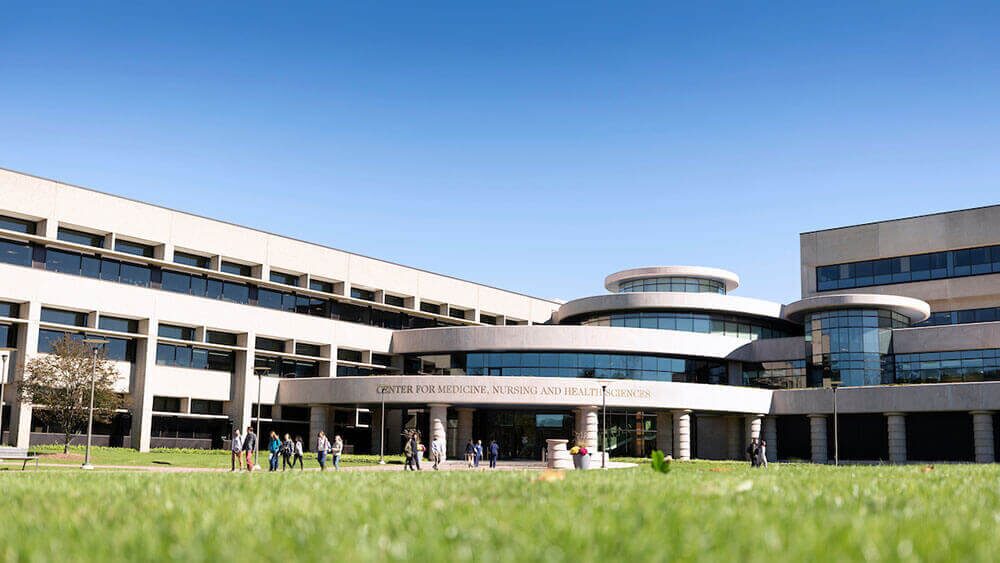
Location and Campus Details: Located on Quinnipiac University’s interprofessional North Haven Campus at 370 Bassett Road, North Haven, Connecticut 06473. The school operates on a suburban campus alongside the Schools of Health Sciences, Nursing, Education, and Law, creating a unique collaborative learning environment for students pursuing various healthcare professions.
Accreditation Status: The Frank H. Netter MD School of Medicine received full accreditation from the Liaison Committee on Medical Education (LCME) in February 2017, ensuring graduates are eligible to sit for USMLE examinations and apply for residency programs throughout the United States.
Ranking and Recognition:
- Ranked #67 in Best Medical Schools by U.S. News & World Report
- Recognized among “Best Medical Schools Serving Rural Areas” by U.S. News & World Report
- Listed among “Most Diverse Medical Schools” by U.S. News & World Report
- Acknowledged for “Most Graduates in Primary Care” by U.S. News & World Report
- #17 in Lowest Acceptance Rate nationally
Unique Program Features: Founded in 2010 with a $100 million investment, the school is named after Frank H. Netter, MD, the renowned surgeon and medical illustrator. The school emphasizes patient-centered medicine and features an innovative Medical Student Home (MeSH) program where first-year students are paired with community physicians for weekly clinical experiences starting in September.
Admission Requirements
Academic Prerequisites
Minimum Degree Requirements: Candidates must have earned a bachelor’s degree from a regionally accredited college or university or an equivalent degree from an international institution of higher education prior to enrolling.
Required Courses: Applicants must complete a minimum equivalent of 32 semester/trimester/quarter hours of prerequisites in biology, chemistry, and physics from an accredited college or university in the United States or Canada:
- General Biology: 2 semesters/trimesters/quarters (with labs)
- General Chemistry: 2 semesters/trimesters/quarters (with labs)
- Organic Chemistry: 1 semester/trimester/quarter (with lab)
- Biochemistry: 1 semester/trimester/quarter
- General Physics: 2 semesters/trimesters/quarters
- College English/Writing Intensive: 2 semesters/trimesters/quarters
- College Math or Statistics: 2 semesters/trimesters/quarters (college algebra or above)
Recommended Coursework: Natural sciences, human physiology, genetics and cell biology, psychology, sociology, ethics, health policy, foreign language, humanities, communications, and computer literacy.
GPA Requirements:
- Median GPA: 3.83 for the Class of 2028
- Competitive GPA Range: While no minimum GPA is specified, successful applicants typically have GPAs well above 3.5
- The school considers both overall and science GPAs in their holistic evaluation
Standardized Testing
MCAT Requirements:
- Median MCAT Score: 512 for the Class of 2028
- Previous Classes: Class of 2027 had a median MCAT of 511, Class of 2026 had a median of 514
- Competitive Range: Successful applicants typically score in the 85th percentile or higher
- No minimum MCAT score is specified, but the median suggests highly competitive standards
Additional Testing:
CASPer Test: Required – Frank H. Netter MD School of Medicine requires CASPer testing to assess personal and professional characteristics that complement academic metrics.
Extracurricular Activities & Experience Requirements
Frank H. Netter MD School of Medicine uses a holistic review process that considers academic promise, meaningful experience and service, scholarship, and extracurricular activities. The admissions committee evaluates candidates based on their:
- Clinical Experience: Exposure to healthcare settings and patient interaction
- Research Experience: Scholarly activities and research participation
- Community Service: Volunteer work demonstrating commitment to service
- Leadership Activities: Positions showing leadership potential
- Diverse Experiences: Activities demonstrating cultural competency and diversity awareness
The school considers the “distance traveled” – recognizing achievements within the context of each applicant’s background and opportunities.
Application Process & Timeline
Application System: AMCAS (American Medical College Application Service)
Application Deadlines:
- Primary Application Deadline: December 1, 2025
- Secondary Application Deadline: Typically December 15th (submitted after receiving secondary invitation)
Required Documents:
- Completed AMCAS primary application
- Official transcripts through AMCAS
- MCAT scores
- Letters of recommendation (specific requirements vary)
- Secondary application essays
- CASPer test results
Application Fees:
- Secondary Application Fee: $100
- FAP Waiver: Full fee waived for Financial Assistance Program recipients
Secondary Applications: The school screens applications before sending secondary invitations. Secondary applications include several essay prompts typically ranging from 200-400 words each.
Interview Process:
- Format: Traditional interview format (not MMI)
- Interview Style: Described by applicants as “very impressive with a low stress level”
- Timeline: Interview invitations typically sent during the fall/winter months
- Acceptance Updates: The school accepts application updates
Admission Statistics & Success Rates
Overall Acceptance Rate: Approximately 1.29%, making Frank H. Netter MD School of Medicine one of the most selective medical schools in the United States (#17 in Lowest Acceptance Rate).
Application Volume and Class Size:
- AMCAS Applications Received: 7,341 for Class of 2028
- Class Size: 95 students per year
- Historical Application Trends: Consistently receives over 7,000+ applications annually
Demographics of Admitted Students (Class of 2028):
- Female: 55 students (58%)
- Male: 40 students (42%)
- Underrepresented in Medicine: 23 students (24%)
Academic Statistics:
- Median MCAT Score: 512
- Median GPA: 3.83
- These statistics demonstrate the highly competitive nature of admission
Geographic Distribution: As a private institution, Netter School accepts both in-state and out-of-state students. The school is considered “Very Friendly” to out-of-state applicants but does not accept international students (except permanent residents and green card holders).
Tuition & Financial Information
Current Tuition Rates (2025-26):
- Tuition: $64,120 (same for all students regardless of residency)
- Fees: $1,570
- Total Tuition and Fees: $65,690
Total Cost of Attendance (2025-26):
First Year:
- Living Off-Campus: $96,425 total
- Living at Parent’s Home: $86,395 total
Components Include:
- Tuition and fees: $65,690
- Living expenses: $17,731 (off-campus) / $11,721 (parent’s home)
- Miscellaneous expenses: $8,831 (off-campus) / $5,916 (parent’s home)
- Transportation: $3,350 (off-campus) / $2,244 (parent’s home)
- Required medical equipment: $395
- Loan fees: $428
Additional Year-Specific Costs:
- USMLE Step 1 Exam: $680 (Year 2)
- USMLE Step 2 CK Exam: Included in later years
- Background Check Fees: $125 (Year 2)
Four-Year Total Program Cost: Approximately $360,000-400,000 depending on living arrangements and year-specific variations.
Financial Aid Options:
- Merit-based scholarships up to full tuition
- Need-based financial aid programs
- Special consideration for disadvantaged backgrounds and primary care interest
- The Weldon Family matching gift campaign providing $10 million in scholarship support
- Federal loan programs
- Foundation scholarships awarded annually
Living Expenses: The North Haven/Connecticut area has moderate cost of living. On-campus housing options are available, and many students choose to live off-campus in the surrounding suburban area.
Click To See Hundreds Of Consultants Who Can Mentor You:


Curriculum & Program Structure
Program Duration and Structure: The 4-year curriculum comprises two years of pre-clerkship foundational instruction and two years of clinical clerkships, sub-internships, and electives.
Educational Philosophy and Teaching Methods: The school employs a patient-centered medical education approach with emphasis on holistic care. The curriculum integrates:
- Problem-based learning components
- Simulation-based learning with high-fidelity mannequins
- Early clinical exposure through the MeSH program
- Interprofessional education with nursing, physical therapy, and other health sciences students
Pre-Clinical Years:
Year 1 Core Courses:
- Coaching for Adaptive Learning: Develops growth mindset and self-regulation skills
- Foundations of Medicine I (FOM I): Foundational medical sciences with organ system blocks
- Clinical Arts and Sciences (CAS): Early clinical training including MeSH program
- Scholarly Reflection and Concentration/Capstone (SRCC): Introduction to research methodology
Year 2:
- Foundations of Medicine II (FOM II): Advanced medical sciences and pathophysiology
- Continued Clinical Arts and Sciences
- SRCC continuation with capstone project development
Clinical Training:
Students begin clinical rotations in Year 3, training at diverse clinical sites including:
- Primary Clinical Partners: Hartford HealthCare’s St. Vincent’s Medical Center (Bridgeport, CT)
- Additional Sites: Community hospitals, urban and suburban settings, and rural locations
- Recent Addition: New academic affiliation with Cooley Dickinson Hospital (Northampton, MA)
Core Clinical Rotations: Standard rotations in internal medicine, surgery, pediatrics, obstetrics/gynecology, psychiatry, and family medicine.
Special Programs:
- Medical Student Home (MeSH) Program: Unique first-year clinical experience pairing students with community physicians
- Scholarly Reflection and Concentration/Capstone (SRCC): Four-year research project culminating in a capstone presentation
- Rural Medicine Focus: Training opportunities in rural and underserved areas
- Primary Care Emphasis: Strong focus on preparing primary care physicians
Residency Match Statistics (Class of 2025):
- Match Rate: High match rate across 20 specialties
- Geographic Distribution: Matched in 18 states plus Washington, D.C.
- Primary Care: 39% of graduates entered primary care specialties
- Specialty Distribution: Graduates matched in anesthesiology, emergency medicine, family medicine, internal medicine, surgery, and various subspecialties
- Notable Matches: Prestigious programs including Yale-New Haven, Mount Sinai, Brown University, and UC Davis
Pre-Medical Preparation
Undergraduate Program Recommendations:
- Science Majors: Biology, chemistry, biochemistry provide strong foundation
- Non-Science Majors: Welcomed and encouraged; demonstrate diverse perspectives
- Balanced Approach: Complete required science courses while pursuing passion areas
Academic Planning:
- Course Sequencing: Complete prerequisite courses early to allow for MCAT preparation
- GPA Optimization: Maintain consistently high performance across all courses
- Advanced Coursework: Consider upper-level science courses beyond requirements
Clinical Experience Requirements:
- Quality over Quantity: Seek meaningful patient interaction experiences
- Diverse Settings: Exposure to various healthcare environments (hospitals, clinics, community health)
- Duration: Long-term commitments preferred over brief experiences
- Documentation: Maintain detailed records of hours and learning experiences
Research Experience:
- Basic Science Research: Laboratory research in biological sciences
- Clinical Research: Patient-oriented research in hospital/clinical settings
- Public Health Research: Community health and epidemiological studies
- Publication Goals: While not required, publications demonstrate sustained scholarly activity
Extracurricular Planning:
- Leadership Roles: Seek positions in student organizations, community groups
- Community Service: Sustained volunteer work demonstrating service commitment
- Diverse Activities: Pursue interests outside medicine to demonstrate well-roundedness
- Cultural Competency: Activities showing ability to work with diverse populations
Standardized Test Preparation:
- MCAT Timeline: Plan to take MCAT by May/June of application year
- Score Goals: Aim for scores above the median (512+) to be competitive
- Retake Considerations: Consider retaking if initial score is below 510
- CASPer Preparation: Practice scenario-based ethical reasoning
Application Timeline Planning:
- Junior Year: Complete prerequisite courses, begin MCAT preparation
- Senior Year: Submit applications, complete interviews
- Gap Year Options: Consider if additional experience or academic strengthening needed
Frequently Asked Questions
What is Frank H. Netter MD School of Medicine’s average GPA and MCAT score?
The median GPA is 3.83 and the median MCAT score is 512 for the most recent class. These represent highly competitive statistics, and successful applicants typically exceed these medians.
How competitive is Frank H. Netter MD School of Medicine compared to other medical schools?
Netter is extremely competitive with an acceptance rate of approximately 1.29%, ranking #17 nationally in lowest acceptance rate. It’s considered one of the most selective medical schools in the United States.
Does Frank H. Netter MD School of Medicine prefer in-state applicants?
As a private institution, Netter does not give preference to Connecticut residents. The school is “Very Friendly” to out-of-state applicants and accepts students from across the United States.
What makes Frank H. Netter MD School of Medicine different from other medical schools?
Key distinguishing features include: early clinical exposure through the MeSH program, patient-centered curriculum emphasis, interprofessional education environment, strong primary care focus, and the four-year capstone research project.
When should I apply to Frank H. Netter MD School of Medicine?
Submit your AMCAS primary application as early as possible (May/June) for the best chance. The primary deadline is December 1st, with secondary applications due approximately two weeks later.
Does Frank H. Netter MD School of Medicine accept international students?
The school accepts permanent residents and green card holders but does not accept international students on temporary visas. DACA students should contact admissions directly.
What clinical experience do I need for Frank H. Netter MD School of Medicine?
While no specific number of hours is required, successful applicants typically have substantial clinical exposure demonstrating genuine commitment to medicine and patient care.
Does Frank H. Netter MD School of Medicine require research experience?
Research experience is not explicitly required but is highly valued. The school’s emphasis on the SRCC capstone project demonstrates the importance placed on scholarly activity.
How many letters of recommendation does Frank H. Netter MD School of Medicine require?
Specific letter requirements should be confirmed with the admissions office, as these may vary based on applicant background (traditional vs. non-traditional students).
What is Frank H. Netter MD School of Medicine’s curriculum like?
The curriculum features early clinical exposure (MeSH program), integrated basic sciences (FOM courses), patient-centered care emphasis, and a mandatory four-year research capstone project.
Where do Frank H. Netter MD School of Medicine graduates match for residency?
Recent graduates matched at prestigious programs nationwide including Yale, Mount Sinai, Brown, and UC Davis across 20 different specialties, with 39% entering primary care.
How much does Frank H. Netter MD School of Medicine cost?
Annual tuition is $65,690 with total cost of attendance ranging from $86,000-96,000 depending on living arrangements. Four-year total costs approach $360,000-400,000.
What financial aid is available at Frank H. Netter MD School of Medicine?
The school offers merit and need-based scholarships up to full tuition, with special consideration for disadvantaged backgrounds and primary care interest, plus federal loan programs.
Does Frank H. Netter MD School of Medicine offer interviews to all qualified applicants?
No, the school screens applications before sending secondary invitations and interview invitations. The process is highly selective given the low acceptance rate.