Last updated on January 9th, 2026 at 06:33 am
Program Overview & Institution Identity
Drexel University College of Medicine is a prestigious private medical institution located in Philadelphia, PA, with an additional campus in West Reading, Pennsylvania. The school draws from the rich history of its pioneering predecessors at Hahnemann University (founded in 1848) and the Medical College of Pennsylvania (formerly Women’s Medical College, founded in 1850), which holds the distinction of being the world’s first medical college for women.
Program Duration and Structure
Drexel offers a 4-year MD program structured around their innovative “Foundations and Frontiers” curriculum, designed to create physicians for the 21st century. The program is divided into three phases:
- Phase One (Years 1-2): Foundations in basic and clinical science
- Phase Two (Year 3): Clinical applications with core rotations
- Phase Three (Year 4): Transitions to professional practice
Location and Campus Details
Students are assigned to one of two campuses:
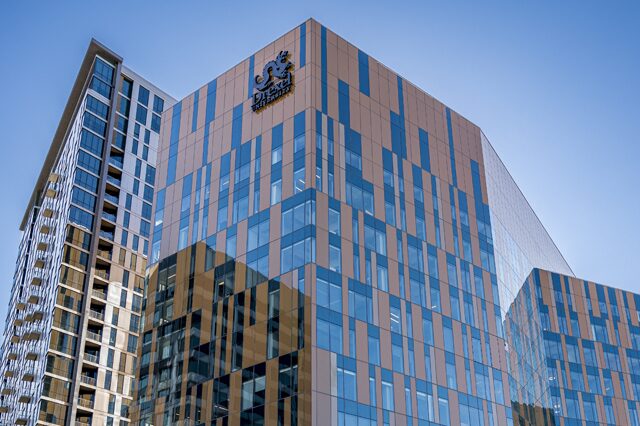
- Philadelphia Campus: Located in University City at the state-of-the-art Health Sciences Building
- West Reading Campus: Located near Tower Health Reading Hospital in close proximity to multiple clinical sites
Accreditation Status
Drexel University College of Medicine is fully accredited by the Liaison Committee on Medical Education (LCME), ensuring the program meets national standards for medical education and that graduates are eligible for medical licensure in all 50 states.
Combined Degree Programs
The school offers several dual-degree options including:
- MD/MPH (Master of Public Health)
- MD/PhD (Doctor of Philosophy)
- BS/MD (Bachelor of Science/Doctor of Medicine)
- MD/MBA (Master of Business Administration)
Admission Requirements
Academic Prerequisites
Minimum Degree Requirements: Applicants must complete a bachelor’s degree from an accredited institution before matriculation.
Required Courses: While specific prerequisite courses are not strictly mandated, Drexel strongly recommends completion of courses that provide a strong foundation in:
- Biology with laboratory
- General Chemistry with laboratory
- Organic Chemistry with laboratory
- Physics with laboratory
- Mathematics (including statistics)
- English/Writing
GPA Requirements:
- Median GPA: 3.82 for admitted students
- While no minimum GPA is specified, successful applicants typically have GPAs of 3.5 or higher
- Both cumulative and science GPAs are considered in the holistic evaluation process
Standardized Testing
MCAT Requirements:
- Median MCAT Score: 512 for admitted students (83rd percentile)
- All four sections of the MCAT are considered
- MCAT scores are valid for three years
- January MCAT scores are not accepted for the same year’s admission cycle
- Multiple attempts are permitted, with the most recent score typically given the most weight
CASPer Test:
Drexel requires applicants to complete the CASPer (Computer-Based Assessment for Sampling Personal Characteristics) test, which evaluates personal and professional characteristics essential for success in medical school and practice.
Extracurricular Activities & Experience Requirements
Drexel employs holistic review in evaluating applicants, considering experiences, attributes, and academic metrics together. The school values:
- Clinical Experience: Direct patient care experience through volunteer work, employment, or shadowing
- Research Experience: Participation in scientific research, though not strictly required
- Community Service: Demonstrated commitment to serving others
- Leadership: Evidence of leadership roles in various settings
- Diversity: The school actively seeks to build a diverse student body and encourages applications from underrepresented groups
Citizenship Requirements
Applicants must be U.S. citizens or permanent residents. International students are not eligible for admission.
Application Process & Timeline
Application System
Drexel participates in the American Medical College Application Service (AMCAS) for primary applications.
Key Deadlines
- AMCAS Application Opens: June 1
- Application Deadline: December 1
- Early Decision Program: Available with earlier deadline
- Secondary Application: Sent to all applicants after primary application verification
Required Documents
- AMCAS Application: Including transcripts, MCAT scores, and personal statement
- CASPer Test Results
- Letters of Recommendation: Minimum requirements vary, but typically include:
- Letters from science faculty
- Letters from clinical experiences
- Committee letter (if available from undergraduate institution)
- Secondary Application: School-specific essays and questions
Interview Process
- Format: Traditional interviews and/or Multiple Mini-Interview (MMI) format
- Timeline: Interview invitations typically sent from October through March
- Virtual Options: Available depending on circumstances
- Approximately 1,506 applicants received interviews in the most recent cycle
Admission Statistics & Success Rates
Overall Acceptance Rate
Approximately 7% – one of the higher acceptance rates for a private medical school
- Out of approximately 11,717 applicants, 811 received acceptance offers
- 303 students enrolled in the first-year class (Class size)
Application Volume and Competitiveness
Despite the relatively higher acceptance rate for a private school, Drexel remains highly competitive due to:
- Large applicant pool (11,000+ applications annually)
- Holistic review process considering multiple factors beyond academics
- Strong median statistics (3.82 GPA, 512 MCAT)
Demographics of Admitted Students
- Gender Distribution: Approximately 53% female, reflecting the school’s commitment to gender diversity
- Geographic Distribution: Accepts out-of-state applicants (no state residency preference)
- Diversity: Strong commitment to enrolling students from various ethnic, racial, and socioeconomic backgrounds
- Non-traditional Students: Actively encourages applications from career changers and non-traditional applicants
Academic Statistics of Admitted Students
- GPA Range: Typically 3.5-4.0 for competitive applicants
- MCAT Range: Generally 505-520 for admitted students
- Age: Welcomes students of various ages, including non-traditional applicants
Tuition & Financial Information
Current Tuition Rates
2024-2025 Academic Year: $72,213 annually
- Important Note: As a private institution, tuition is the same for all students regardless of residency status
- Tuition has increased from $65,692 in 2023-2024 to current rates
Additional Fees and Costs
Year 1 Total Estimated Cost: ~$100,883 including:
- Tuition: $72,213
- University Fees: $1,898
- Books and Supplies: $1,250
- Computer & iPad: $1,190
- Health Insurance: $3,005
- Room & Board: $20,800
- Personal Expenses: $2,310
- Transportation: $3,886
Years 2-4: Estimated costs range from $102,333-$108,108 annually, including USMLE exam fees and clinical rotation expenses.
Living Expenses
Philadelphia Area: Students should budget approximately $20,000-$25,000 annually for living expenses, depending on housing choices and lifestyle.
Financial Aid Options
- Federal Financial Aid: Available through FAFSA (School Code: 003256)
- Institutional Scholarships: Limited merit-based awards available
- Work-Study Programs: Available for qualifying students
- Private Loans: Additional financing options through various lenders
- Financial Planning Services: Full-time financial planner on staff to assist students and families
- Percentage Receiving Aid: Approximately 93% of students receive some form of financial assistance
Click To See Hundreds Of Consultants Who Can Mentor You:
Curriculum & Program Structure
Educational Philosophy
The “Foundations and Frontiers” curriculum emphasizes:
- Early and frequent clinical exposure
- Integrated basic science and clinical education
- Team-based learning
- Technology-enhanced education
- Cultural competence and community engagement
- Professional formation throughout the program
Pre-Clinical Years (Phase 1)
Years 1-2: Foundation courses including:
- Molecules to Organs
- Structure and Function
- Foundations of Disease
- Foundations of Patient Care
- Case-Based Learning
- Health Advocacy Practicum
Teaching Methods:
- Problem-Based Learning (PBL)
- Team-Based Learning (TBL)
- Simulation-based training
- iPad-supported technology integration
Clinical Training (Phases 2 & 3)
Year 3: Core clinical rotations including:
- Internal Medicine
- Surgery
- Pediatrics
- Obstetrics & Gynecology
- Psychiatry
- Family Medicine
- Neurology
Year 4: Sub-internships and electives
- Emergency Medicine sub-internship
- Specialty rotations
- Transition to clinician preparation
Clinical Sites and Partnerships
Drexel maintains partnerships with numerous hospitals and healthcare systems, providing students exposure to diverse patient populations and medical conditions.
Assessment Methods
- Pre-clinical: Mix of traditional exams and competency-based assessments
- Clinical: Shelf exams, clinical evaluations, and direct observation
- USMLE Preparation: Integrated throughout the curriculum
Residency Placement Success
2024 Match Results:
- Match Rate: 96% in the National Residency Matching Program (NRMP)
- Overall Placement: 100% after SOAP (Supplemental Offer and Acceptance Program)
- Primary Care: 33.1% of graduates entered primary care specialties
- Geographic Distribution: Graduates matched nationwide, with strong representation in Pennsylvania (79), New York (35), and California (25)
Top Specialties Matched:
- Internal Medicine: 53 students
- Emergency Medicine: 25 students
- General Surgery: 22 students
- Anesthesiology: 20 students
- Neurology: 15 students
Pre-Medical Preparation
Undergraduate Program Recommendations
While Drexel accepts students from all academic backgrounds, successful applicants typically have:
- Strong foundation in sciences
- Diverse academic interests beyond pre-med requirements
- Evidence of critical thinking and problem-solving skills
Academic Planning Strategy
- Course Sequencing: Complete prerequisite courses early to allow time for MCAT preparation
- GPA Management: Maintain strong academic performance throughout undergraduate studies
- Research Experience: Seek opportunities in basic science, clinical, or public health research
Clinical Experience Development
- Shadowing: Observe physicians in various specialties
- Volunteering: Engage in direct patient care through hospital or clinic volunteering
- Healthcare Employment: Work in healthcare settings when possible
- Quality over Quantity: Focus on meaningful, long-term commitments rather than brief exposures
Leadership and Service
- Community Service: Demonstrate commitment to serving others
- Leadership Roles: Take on leadership positions in organizations, research, or work
- Long-term Commitment: Show sustained involvement rather than brief participation
MCAT Preparation
- Timing: Take the MCAT when fully prepared, typically after completing prerequisite courses
- Preparation Timeline: Allow 3-6 months for dedicated study
- Retake Policy: Multiple attempts permitted, but strong initial performance is preferred
Frequently Asked Questions
Does Drexel University College of Medicine look at extracurriculars?
Yes, Drexel uses holistic review and strongly considers extracurricular activities, clinical experience, research, community service, and leadership roles as essential components of a competitive application.
What is Drexel’s average GPA and MCAT score?
The median GPA for admitted students is 3.82, and the median MCAT score is 512. However, successful applicants typically demonstrate strengths across all areas of their application.
How competitive is Drexel compared to other medical schools?
With a 7% acceptance rate, Drexel is highly competitive, though somewhat less selective than top-tier medical schools. The school’s large applicant pool and holistic review process make it competitive for most applicants.
Does Drexel prefer in-state applicants?
No, as a private institution, Drexel does not give preference to Pennsylvania residents. The school accepts students from all states and welcomes geographic diversity.
What makes Drexel different from other medical schools?
Drexel’s unique features include its innovative Foundations and Frontiers curriculum, strong commitment to diversity and inclusion, early clinical exposure, technology integration, and rich historical legacy from pioneering medical institutions.
When should I apply to Drexel?
Applications open June 1 through AMCAS, with a deadline of December 1. Apply as early as possible, ideally by August or September, as the school reviews applications on a rolling basis.
Does Drexel accept international students?
No, Drexel requires applicants to be U.S. citizens or permanent residents.
What clinical experience do I need for Drexel?
While specific requirements aren’t mandated, successful applicants typically have substantial clinical exposure through volunteering, shadowing, or employment in healthcare settings.
Does Drexel require research experience?
Research experience is not required but is valued. The school appreciates diverse research experiences in basic science, clinical research, public health, or other relevant fields.
How many letters of recommendation does Drexel require?
Specific numbers vary, but applicants should submit letters from science faculty, clinical supervisors, and other mentors who can speak to their qualifications for medical school.
What is Drexel’s curriculum like?
The Foundations and Frontiers curriculum integrates basic sciences with early clinical exposure, emphasizes team-based learning, and incorporates technology throughout the four-year program.
Where do Drexel graduates match for residency?
Drexel graduates match nationwide across all specialties, with 96% matching in their first attempt and 100% ultimate placement after SOAP. Graduates are well-represented in both primary care and specialty programs.
How much does Drexel cost?
Current annual tuition is $72,213, with total costs of attendance ranging from approximately $100,000-$108,000 per year depending on the academic year and living expenses.
What financial aid is available at Drexel?
Drexel offers federal financial aid, limited institutional scholarships, work-study programs, and private loan options. Approximately 93% of students receive some form of financial assistance.
Does Drexel offer interviews to all qualified applicants?
No, interviews are selective. In recent cycles, approximately 1,506 candidates received interviews out of over 11,000 applicants. Strong academic credentials and compelling extracurricular profiles are essential for interview invitations.