
Last updated on January 9th, 2026 at 06:33 am
Program Overview & Institution Identity
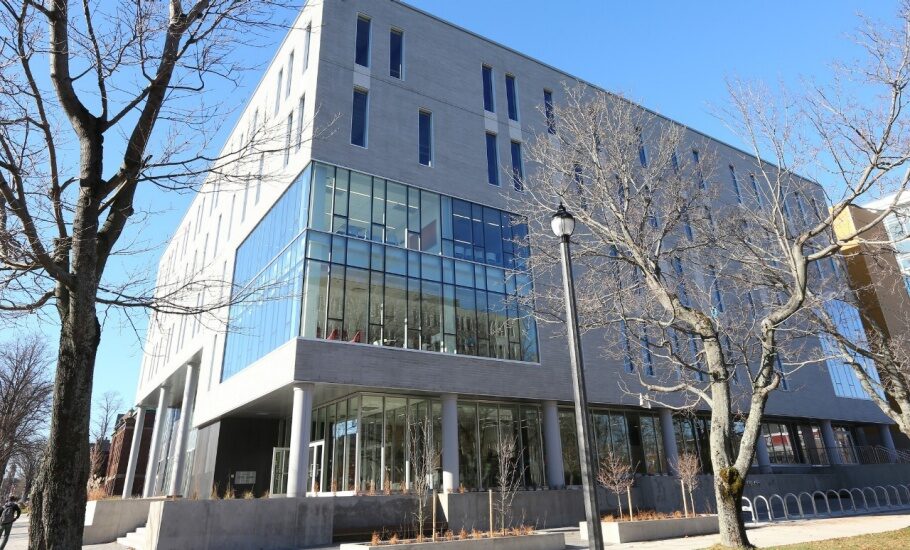
Dalhousie University Faculty of Medicine, located in Halifax, Nova Scotia, is one of Canada’s premier medical schools serving the Maritime provinces of Nova Scotia, New Brunswick, and Prince Edward Island. Established as a leading institution in medical education, Dalhousie Medicine offers a comprehensive 4-year MD program designed to train competent and compassionate physicians for the Maritime region and beyond.
Official Program Identity
- Official Name: Dalhousie University Faculty of Medicine
- Program Duration: 4-year MD program with integrated clinical training
- Location: Halifax, Nova Scotia, Canada (Urban Campus)
- Additional Sites: Cape Breton campus, with clinical training sites across the Maritimes
- Accreditation: Fully accredited by the Committee on Accreditation of Canadian Medical Schools (CACMS) and the Liaison Committee on Medical Education (LCME)
Distinctive Program Features
Dalhousie’s MD program stands out for its unique characteristics:
- Early Clinical Exposure: First-year students begin meeting patients in their first week
- Case-Based Learning: Hands-on, problem-based learning approach throughout all four years
- Maritime Integration: Clinical rotations across Nova Scotia, New Brunswick, and Prince Edward Island
- Regional Focus: Strong emphasis on training physicians to serve Maritime communities
Admission Requirements
Academic Prerequisites
Degree Requirements
- Minimum of 3 years (90 credit hours) of undergraduate study required
- Bachelor’s degree must be completed or in progress by the year of entry
- No specific prerequisite courses required
- No full-time course load requirements, though maintaining full academic schedule is recommended
GPA Requirements
Dalhousie University Faculty of Medicine has different GPA requirements based on residency status:
Maritime Applicants (Nova Scotia, New Brunswick, Prince Edward Island):
- Minimum GPA varies based on MCAT score (sliding scale)
- Average admitted student GPA: 3.8
- Competitive applicants typically maintain GPAs above 3.7
Non-Maritime Canadian Applicants:
- Significantly higher GPA requirements due to limited seats (only 10 positions)
- Minimum GPA requirements are substantially higher than Maritime applicants
- Average admitted student GPA: 3.8+
Standardized Testing
MCAT Requirements
- Median MCAT Score: 505 (Class of 2028)
- Minimum Score: Determined in relation to GPA using a sliding scale
- Validity Period: MCAT scores must be from tests taken on or before August 9, 2025, for the 2025/2026 application cycle
- Retake Policy: Multiple attempts allowed, best score considered
CASPer Test
- Required: Yes, all applicants must complete CASPer
- Purpose: Assesses personal and professional characteristics
- Weight: Significant component of non-academic evaluation
Extracurricular Activities & Experience Requirements
Dalhousie uses a holistic evaluation approach considering:
- Clinical exposure and healthcare experience
- Research experience (valued but not mandatory)
- Community service and volunteering
- Leadership experience
- Diverse life experiences
- Personal statements demonstrating fit with medicine
Application Process & Timeline
Application System
Dalhousie University Faculty of Medicine uses a two-section application process:
Section 1: Opens June 15, 2025; Due July 31, 2025
- Basic applicant information
- Must be completed to access Section 2
Section 2: Supplemental application including:
- Personal statements and essays
- Self-identification for special pathways
- Campus preference ranking (Nova Scotia applicants)
- Supporting documents
Key Deadlines (2025-2026 Cycle)
- June 15, 2025: Section 1 application opens
- July 31, 2025: Section 1 application deadline (11:59 PM Atlantic Time)
- August 9, 2025: MCAT deadline
- September 3, 2025: Transcript submission deadline
- September 18, 2025: CASPer test deadline
Interview Process
- Format: Multiple Mini-Interviews (MMI)
- Invitations: Sent to qualified candidates based on academic and non-academic criteria
- Timeline: Interviews typically conducted in winter/spring
Admission Statistics & Success Rates
Class of 2028 Statistics
- Total Applications: 1,816
- Maritime applicants: 625
- Non-Maritime applicants: 1,165
- Government-sponsored positions: 18
Class Composition (150 total seats)
- Nova Scotia residents: 85 seats
- New Brunswick residents: 40 seats
- Prince Edward Island residents: 6 seats
- Non-Maritime Canadians: 10 seats (limited to Indigenous and Black Learners pathways starting 2025-2026)
- Government-sponsored international: 3 seats
- Other programs: 6 seats
Acceptance Rate Analysis
- Overall acceptance rate: Approximately 8.3% (150 accepted from 1,816 applications)
- Maritime acceptance rate: Approximately 20.8% (131/625 Maritime applicants)
- Non-Maritime acceptance rate: Less than 1% (10/1,165 applications)
Class Demographics (Class of 2028)
- Average Age: 25 years
- Age Range: 20-43 years
- Gender Distribution: 104 females, 46 males
- Average GPA: 3.8
- Average MCAT: 505
Tuition & Financial Information
Tuition Fees (2025-2026)
MD Program Annual Costs:
- Base Tuition: $25,067 CAD
- Mandatory Fees: $1,716 CAD (includes student union, health plan, facilities, recreation, etc.)
- Total Annual Fees: $26,783 CAD
Payment Schedule:
- First installment: $14,250 (due May 20, 2025)
- Second installment: $12,533 (due January 22, 2026)
Total Program Cost
- 4-Year Total: Approximately $107,132 CAD (tuition and fees only)
- Living Expenses: Additional $15,000-20,000 CAD annually (Halifax living costs)
- Total Cost of Attendance: Approximately $140,000-180,000 CAD for the complete program
Financial Aid Options
Merit-Based Awards
- Early Entrance Awards: Based on medical school application, no separate application required
- In-Course Scholarships: Application-based awards available throughout the program
- Application Process: DalMedix application system (available each September)
Need-Based Financial Aid
- University Bursaries: Available for students demonstrating financial need
- Government Student Loans: Federal and provincial loan programs available
- Work-Study Programs: Limited opportunities available
External Funding
- Provincial Student Aid: Available through Nova Scotia Student Assistance
- Federal Student Loans: Canada Student Loans Program
- Professional Line of Credit: Bank programs specifically for medical students
Click To See Hundreds Of Consultants Who Can Mentor You:
Curriculum & Program Structure
Program Duration and Philosophy
Dalhousie’s 4-year MD program follows an integrated, case-based learning approach:
- Educational Philosophy: Hands-on, case-based learning with early clinical exposure
- Teaching Methods: Problem-based learning, small group sessions, clinical skills training
- Integration: Seamless integration of basic sciences with clinical application
Academic Structure
Years 1-2: Pre-Clinical Foundation (Med 1 & Med 2)
- Focus: Human anatomy, physiology, and body systems
- Clinical Integration: Patient encounters begin in the first week
- Assessment: Combination of examinations and practical assessments
- Special Features: Ethics integration and professionalism training
Years 3-4: Clinical Clerkship
- Structure: Core rotations in major specialties
- Locations: Hospitals and clinics across the Maritimes
- Diversity: Urban and rural practice experiences
- Flexibility: Elective rotations for specialty exploration
Clinical Training Sites
- Primary: Halifax hospitals and health centers
- Regional: Clinical sites across Nova Scotia, New Brunswick, and Prince Edward Island
- Variety: Large academic hospitals to small community clinics
- Rural Focus: Strong emphasis on rural and community medicine
Special Programs
- Combined Degrees: Information not extensively detailed in current offerings
- Research Opportunities: Available throughout the program
- International Electives: Options for global health experiences
- Rural Medicine Track: Specialized pathway for rural practice preparation
Residency Preparation
- Match Rates: Strong placement in Canadian residency programs
- Support: Comprehensive career counseling and residency application support
- Specialties: Graduates match across all medical specialties
- Regional Preference: Many graduates remain in Maritime region for residency
Pre-Medical Preparation
Academic Planning
Undergraduate Preparation:
- Major Requirements: No specific major required, diverse backgrounds welcomed
- Course Load: Maintain competitive GPA while pursuing meaningful experiences
- Academic Excellence: Demonstrate ability to handle rigorous medical curriculum
Experience Building
Clinical Experience:
- Importance: Valued component of application but no specific hour requirements
- Quality Focus: Meaningful healthcare exposure preferred over extensive hours
- Variety: Hospital volunteering, clinical shadowing, healthcare employment
Research Experience:
- Value: Appreciated but not mandatory for admission
- Types: Basic science, clinical, public health, or community health research
- Publications: Not required but can strengthen application
Extracurricular Development
Community Service:
- Long-term Commitment: Sustained involvement preferred over short-term activities
- Leadership Roles: Demonstrate initiative and responsibility
- Diversity: Varied experiences showing well-rounded character
Test Preparation
MCAT Strategy:
- Timeline: Plan to take MCAT by August of application year
- Preparation: Adequate study time recommended (3-6 months)
- Retakes: Consider retaking if scores don’t meet competitive thresholds
CASPer Preparation:
- Practice: Familiarize yourself with scenario-based questions
- Authenticity: Focus on genuine responses rather than “correct” answers
- Timeline: Register and complete by September deadline
Application Timeline Planning
Optimal Preparation Schedule:
- Junior Year: Complete prerequisite courses, begin MCAT preparation
- Senior Year: Take MCAT, gain clinical experience, prepare application materials
- Gap Year Considerations: Can be beneficial for experience building and application strengthening
Frequently Asked Questions
What is Dalhousie University Faculty of Medicine’s acceptance rate?
Dalhousie has an overall acceptance rate of approximately 8.3%. However, acceptance rates vary significantly by residency status, with Maritime applicants having acceptance rates around 20.8%, while non-Maritime Canadian applicants face acceptance rates below 1%.
Does Dalhousie University Faculty of Medicine look at extracurriculars?
Yes, Dalhousie uses a holistic evaluation process that considers extracurricular activities, including clinical experience, research, community service, leadership, and diverse life experiences alongside academic metrics.
What are Dalhousie University Faculty of Medicine’s average GPA and MCAT scores?
The average GPA for admitted students is 3.8, and the median MCAT score is 505. These represent the Class of 2028 statistics.
Does Dalhousie University Faculty of Medicine prefer in-province applicants?
Yes, Dalhousie strongly prioritizes Maritime applicants (Nova Scotia, New Brunswick, Prince Edward Island residents), reserving 131 of 140 regular seats for Maritime residents. Starting with the 2025-2026 cycle, the remaining out-of-province seats are limited to Indigenous and Black Learners admission pathways.
When should I apply to Dalhousie University Faculty of Medicine?
The application opens June 15 and is due July 31 for entry the following year. Plan to complete prerequisite courses and MCAT by the spring of your application year.
Does Dalhousie University Faculty of Medicine accept international students?
Dalhousie primarily accepts Canadian residents, with a small number of government-sponsored international positions (currently 3 seats for Saudi and Kuwaiti government-sponsored students).
What clinical experience do I need for Dalhousie University Faculty of Medicine?
While there are no specific hour requirements, meaningful clinical exposure is valued. Focus on quality experiences that demonstrate your understanding of healthcare and commitment to medicine.
Does Dalhousie University Faculty of Medicine require research experience?
Research experience is not required but is valued as part of the holistic evaluation. Any type of research (basic science, clinical, or community health) can strengthen your application.
How many letters of recommendation does Dalhousie University Faculty of Medicine require?
Specific letter of recommendation requirements are handled through the application process. Contact the admissions office for current requirements as these may vary by application cycle.
What is Dalhousie University Faculty of Medicine’s curriculum like?
Dalhousie uses a 4-year, case-based learning curriculum with early clinical exposure starting in the first week. The program emphasizes hands-on learning with integration of basic sciences and clinical training throughout all four years.
Where do Dalhousie University Faculty of Medicine graduates match for residency?
Dalhousie graduates successfully match into residency programs across Canada, with many choosing to remain in the Maritime region. The school offers strong preparation and support for residency applications.
How much does Dalhousie University Faculty of Medicine cost?
Annual tuition and fees total approximately $26,783 CAD. The total 4-year program cost is approximately $107,132 CAD, plus living expenses estimated at $60,000-80,000 CAD for the complete program.
What financial aid is available at Dalhousie University Faculty of Medicine?
Financial aid options include merit-based scholarships, need-based bursaries, government student loans, and professional lines of credit. Awards are administered through the DalMedix application system.
Does Dalhousie University Faculty of Medicine offer interviews to all qualified applicants?
No, interviews are offered to a select number of qualified candidates based on both academic and non-academic criteria. The interview process uses Multiple Mini-Interviews (MMI) format to assess candidates comprehensively.
This comprehensive guide provides detailed information about Dalhousie University Faculty of Medicine admission requirements, program structure, and application process. For the most current information, always consult the official Dalhousie Medicine admissions website.