Last updated on January 9th, 2026 at 06:34 am
Program Overview & Institution Identity
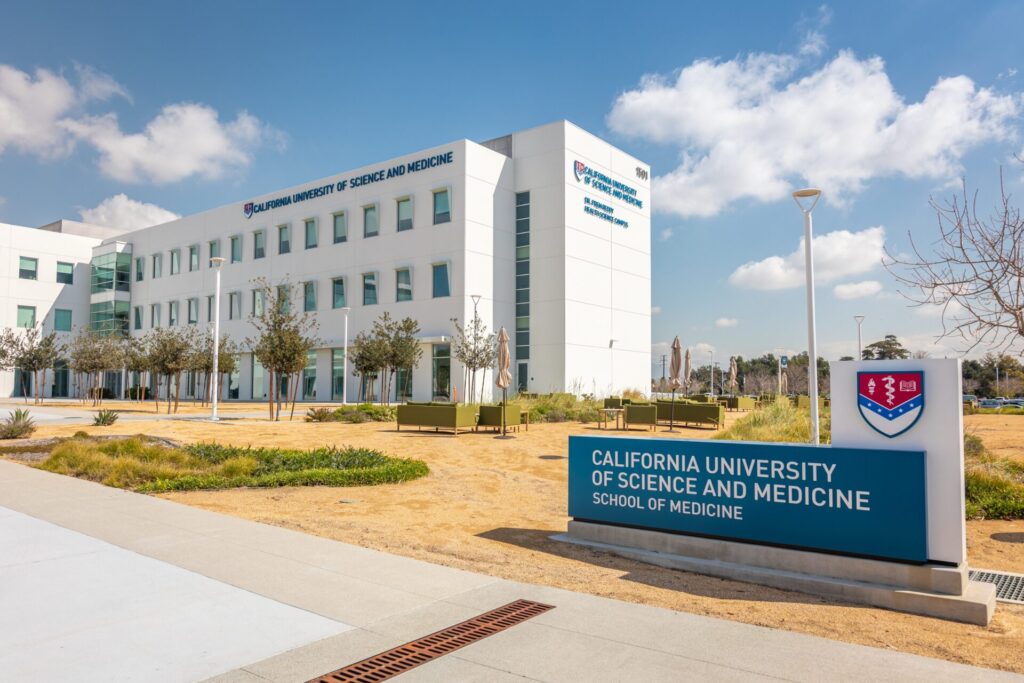
California University of Science and Medicine-School of Medicine (CUSM) is a private medical school located in Colton, California, serving the Inland Empire region. Founded in 2015, CUSM operates on a suburban campus with a clear mission to advance the art and science of medicine through innovative medical education, research, and compassionate healthcare delivery in an inclusive environment that advocates critical thinking, creativity, integrity, and professionalism.
Program Duration and Structure
CUSM offers a traditional 4-year MD program designed to prepare students for careers in healthcare through a comprehensive curriculum that promotes critical thinking, teamwork, and early patient contact. The program facilitates the integration of basic science with clinical problem-solving and stimulates students to develop skills for self-directed learning.
Location and Campus Details
Campus Location: Colton, California
Setting: Suburban campus in the Inland Empire region
Institution Type: Private, not-for-profit health sciences university
Accreditation Status
CUSM is working toward full LCME (Liaison Committee on Medical Education) accreditation. The school is scheduled to undergo a survey visit for full LCME accreditation on September 15-17, 2025. LCME accreditation is recognized by the U.S. Department of Education as the reliable authority for accreditation of medical education programs leading to the MD degree, ensuring graduates are eligible for USMLE examinations and ACGME-accredited residency programs.
Recognition and Unique Features
- Focus on Healthcare Equity: CUSM is committed to ensuring healthcare equity in the Inland Empire of California and all communities nationwide
- Community Integration: Strong emphasis on serving the underserved populations in the Inland Empire region
- Innovative Curriculum: Systems-based, interdisciplinary approach with integrated basic science and clinical problem-solving from day one
- High Match Rates: Achieved a 97% residency match rate in 2025, with 66% of graduates remaining in Southern California
Admission Requirements
Academic Prerequisites
Undergraduate Degree Requirements
Applicants must hold a bachelor’s degree from an institution accredited by a U.S. Department of Education–recognized accrediting body (or equivalent for non-U.S. institutions). Coursework completed at non-U.S. institutions must be accompanied by an evaluation report certified by a NACES-approved foreign educational credentials evaluation service.
Course Requirements
CUSM welcomes diverse curricular backgrounds and does not have specific course requirements. However, the school recommends students work toward a solid depth of knowledge in:
- Biology
- Chemistry and Physics
- Mathematics
- Behavioral and Social Sciences
- Communication
- Laboratory or Field Experiments
GPA Requirements
- Minimum GPA Preference: 3.0 or above (total undergraduate GPA)
- BCPM GPA Preference: 3.0 or above (Biology, Chemistry, Physics, and Mathematics)
- Median GPA of Accepted Students: 3.82 (based on recent data)
- Average GPA Range: Recent incoming classes typically have GPAs in the 3.6-3.8 range
Standardized Testing
MCAT Requirements
- Minimum MCAT Score: 502 composite score
- Median MCAT Score: 512 (recent entering class)
- Average MCAT Score: 510-513 range for recent incoming classes
- Validity Period: Must be taken within three years of intended matriculation
- Testing Window: For 2026 entry, MCAT must be taken between January 2023 and September 2025
Additional Testing
CASPer Assessment: Required for all applicants who receive secondary applications. CASPer is an online assessment tool designed to evaluate non-cognitive skills and interpersonal characteristics essential for program success.
Citizenship and Residency Requirements
- Citizenship: Must be a U.S. citizen or permanent resident
- DACA Status: Applicants with Deferred Action for Childhood Arrivals (DACA) status may apply
- International Students: CUSM does not admit international students and cannot issue I-20 certificates
Letters of Recommendation
Applicants must submit three letters of recommendation through AMCAS. If a Pre-Health Advisory Committee letter of evaluation is available, it may replace the other letters’ requirement.
Application Process & Timeline
Application System
Primary Application: All applications must be submitted through the American Medical College Application Service (AMCAS)
Key Deadlines
- AMCAS Primary Application Deadline: December 1, 2025
- Secondary Application Deadline: December 30, 2025
- Application Fee: $100 (non-refundable)
- Fee Waivers: Available based on AMCAS Fee Assistance Program status
Application Process Steps
- AMCAS Completion: Submit complete primary application by December 1, 2025
- CUSM Review: Admissions office reviews applications and selects qualified applicants for secondary applications
- Secondary Application: Invited applicants complete secondary application with essays, pay $100 fee, and take CASPer assessment
- Committee Review: Admissions committee reviews primary and secondary applications
- Interview Process: Selected candidates participate in virtual interview process
- Final Decision: Admissions decisions communicated via email
Interview Process
CUSM utilizes a virtual interview format that includes:
- Video assessment with pre-recorded questions (30-60 minutes)
- Virtual Q&A session with faculty
- Rolling admissions process with offers made throughout the interview season
Note: CUSM does not accept updates to AMCAS or supplemental applications post-submission.
Admission Statistics & Success Rates
Overall Acceptance Rate
- Overall Acceptance Rate: 2.05% (extremely competitive)
- Applications Received: 6,306 (2025 entering class)
- Students Matriculated: 129-130 per year
- Interview Invitation Rate: 10.26% (550 out of 6,306 applicants)
Geographic Distribution
- California Residents: 97.7% of matriculants
- Out-of-State Students: 2.3% of matriculants
- Strong California Preference: Significantly favors California residents
Academic Statistics of Enrolled Students
- Median GPA: 3.82
- Median MCAT: 512
- GPA Range: Most successful applicants have GPAs between 3.6-3.8
- MCAT Range: Competitive scores typically 510-515
Class Demographics
- Class Size: 130 students per year
- Gender Distribution: Approximately 51.2% female, 48.8% male
- Total Enrollment: ~420 students across all four years
Residency Match Success
- 2025 Match Rate: 97%
- 2024 Match Rate: 98%
- California Residencies: 78% of graduates (2024), 66% (2025)
- Inland Empire Residencies: 33% (2024), 28% (2025)
- Competitive Specialties: Graduates successfully match into highly competitive fields including Anesthesiology, Neurosurgery, ENT, Radiology, Dermatology, and Orthopedic Surgery
Tuition & Financial Information
Current Tuition Rates
- Annual Tuition: $70,200
- Applies to All Students: Same rate for in-state, out-of-state, and California residents
- Four-Year Total Tuition: Approximately $280,800
Comparison to National Averages
CUSM’s tuition of $70,200 places it in line with the national average for private medical schools ($67,145-$68,767 range nationally).
Total Cost of Attendance
While specific living expense estimates weren’t provided in the available data, students should budget for additional costs including:
- Housing and living expenses in the Inland Empire region
- Health insurance (if not already covered)
- Books, equipment, and technology fees
- Transportation costs
- USMLE examination fees
- Residency application costs (fourth year)
Financial Aid Opportunities
- Application Fee Waivers: Available through AMCAS Fee Assistance Program
- Federal Financial Aid: Eligible as LCME-candidate institution
- Need-Based Aid: Standard federal loan programs available
- Specific scholarship information requires direct contact with the financial aid office
Living Costs Context
Located in Colton, California (Inland Empire), students benefit from lower living costs compared to coastal California cities while maintaining access to major metropolitan areas and clinical training sites.
Click To See Hundreds Of Consultants Who Can Mentor You:

Curriculum & Program Structure
Program Duration and Overview
CUSM operates a 4-year MD program structured in distinct phases designed to prepare students for healthcare careers through integrated learning approaches.
Educational Philosophy
The curriculum promotes:
- Critical thinking and teamwork
- Early patient contact
- Integration of basic science with clinical problem-solving
- Self-directed learning skills
- Systems-based, interdisciplinary approach
Phase 1: Orientation (July – 2 weeks)
- Introduction to program, faculty, and fellow students
- White Coat ceremony
- Introduction to small group learning communities
- Team-based learning in flipped classroom model preparation
Phase 2: Pre-Clerkship Phase (First 18 months)
Core Components:
- Systems-Based Learning: Interdisciplinary, organ system-focused curriculum
- Integrated Coursework: Foundational sciences organized by organ systems
- Clinical Skills: Weekly sessions including clinical simulation and standardized patient encounters
- Team-Based Learning: Weekly clinical case presentations promoting application-based learning
- Health Systems and Professional Practice: Health systems science, public health, ethics, professionalism
- CHANGE Program: Community-engaged projects with regional partners
- Academic Research Study: Longitudinal research component (proposal in Year 1, execution in Year 2)
- Medical Spanish: Communication skills and cultural competency for Spanish-speaking patients
Phase 3: Clerkship Phase (12 months)
- Core Clinical Rotations: 12 months of required clerkship rotations
- Primary Teaching Hospital: Arrowhead Regional Medical Center (ARMC)
- Regional Clinical Sites: Multiple affiliated sites providing diverse educational experiences
- Clinical Training Partners: Riverside Community Hospital, Riverside University Health System, Eisenhower Medical Center
Phase 4: Professional Development Semester (6 months)
- Professional Identity Exploration: Opportunity to explore career interests
- Flexible Activities: Distinguishing activities aligned with professional interests
- USMLE Preparation: Dedicated study time for Step examinations
- Residency Preparation: Application and interview preparation
Unique Curriculum Features
- Early Integration: Basic science and clinical disciplines integrated from day one
- Community Focus: Strong emphasis on serving underserved populations
- Research Component: Mandatory longitudinal research experience
- Cultural Competency: Medical Spanish and cultural awareness training
- Regional Healthcare: Deep integration with Inland Empire healthcare system
Pre-Medical Preparation
Undergraduate Program Recommendations
CUSM welcomes students from diverse academic backgrounds and does not require specific undergraduate majors. However, successful applicants typically have:
Academic Foundation
- Strong performance in science courses, particularly biology, chemistry, physics, and mathematics
- Solid grounding in behavioral and social sciences
- Communication skills development
- Laboratory or field research experience
GPA Optimization Strategies
- Minimum Target: Maintain overall GPA of 3.0 or higher
- BCPM Focus: Ensure BCPM (Biology, Chemistry, Physics, Mathematics) GPA of 3.0 or higher
- Competitive Range: Aim for 3.6+ GPA to be competitive with recent entering classes
- Grade Trends: Demonstrate consistent strong performance, particularly in upper-level science courses
Clinical Experience Requirements
While CUSM does not specify minimum clinical experience hours, successful applicants typically demonstrate:
- Clinical Exposure: Direct patient contact through volunteering, shadowing, or employment
- Healthcare Understanding: Clear comprehension of healthcare delivery and challenges
- Service Commitment: History of serving underserved or diverse populations (aligned with CUSM’s mission)
Research Experience
The longitudinal Academic Research Study requirement indicates CUSM values research preparation:
- Research Background: Previous research experience beneficial but not mandatory
- Research Skills: Basic understanding of research methodology and scientific inquiry
- Publication Potential: While not required, research publications strengthen applications
Extracurricular Planning
CUSM’s holistic review process considers:
- Community Service: Particularly service to underserved populations
- Leadership Experience: Demonstrated leadership in various contexts
- Cultural Competency: Experience with diverse populations
- Professional Development: Activities demonstrating commitment to medicine
Standardized Test Preparation
MCAT Preparation
- Target Score: Aim for 510+ to be competitive (recent average: 510-513)
- Minimum Threshold: Score at least 502 to meet minimum requirements
- Timing: Take MCAT within three years of intended matriculation
- Retake Considerations: Multiple attempts acceptable if scores improve
CASPer Test Preparation
- Situational Judgment: Prepare for scenarios testing ethical reasoning and interpersonal skills
- Practice: Utilize CASPer practice materials and sample questions
- Professional Characteristics: Focus on demonstrating empathy, integrity, and problem-solving abilities
Application Timeline Planning
Junior Year (1 year before application):
- Complete prerequisite coursework
- Gain clinical experience
- Participate in research activities
- Take MCAT (spring recommended)
Senior Year (Application year):
- Submit AMCAS application by December 1
- Complete secondary applications by December 30
- Take CASPer assessment when invited
- Participate in interviews (typically winter/spring)
Gap Year Considerations:
CUSM welcomes non-traditional timelines. Productive gap year activities include:
- Clinical work or research
- Additional healthcare experience
- Community service
- Graduate coursework (if needed for GPA improvement)
Frequently Asked Questions
What is CUSM’s average GPA and MCAT score?
CUSM’s median GPA for accepted students is 3.82, with a median MCAT score of 512. Recent entering classes have had average GPAs in the 3.6-3.8 range and MCAT scores of 510-513. While CUSM prefers GPAs of 3.0 or above and has a minimum MCAT requirement of 502, competitive applicants typically exceed these minimums significantly.
How competitive is CUSM compared to other medical schools?
CUSM is extremely competitive with an acceptance rate of only 2.05%, making it one of the most selective medical schools in California. This places it among the most competitive medical schools nationally, with acceptance rates similar to top-tier institutions.
Does CUSM prefer California applicants?
Yes, CUSM shows a strong preference for California residents, with 97.7% of matriculants being California residents and only 2.3% from out-of-state. Out-of-state applicants face significantly more competitive odds.
Does CUSM accept international students?
No, CUSM does not admit international students. The school requires applicants to be U.S. citizens or permanent residents. DACA recipients may apply, but the school cannot issue I-20 certificates for student visas.
What makes CUSM different from other medical schools?
CUSM’s unique features include its mission-driven focus on serving the Inland Empire’s underserved populations, early integration of basic science and clinical training from day one, mandatory longitudinal research component, Medical Spanish curriculum, and strong community partnerships. The school emphasizes healthcare equity and cultural competency throughout its program.
When should I apply to CUSM?
The AMCAS primary application deadline is December 1, 2025, for fall 2026 entry. CUSM operates on a rolling admissions basis, so earlier submission within the cycle is advantageous. Secondary applications are due December 30, 2025.
What clinical experience do I need for CUSM?
While CUSM doesn’t specify minimum clinical experience requirements, successful applicants typically have substantial direct patient contact through volunteering, shadowing, or employment in healthcare settings. Experience with underserved populations aligns particularly well with CUSM’s mission.
Does CUSM require research experience?
CUSM doesn’t require prior research experience, but the curriculum includes a mandatory longitudinal Academic Research Study component. Students develop a research proposal in Year 1 and execute the study in Year 2, so some research background is beneficial.
How many letters of recommendation does CUSM require?
CUSM requires three letters of recommendation submitted through AMCAS. If available, a Pre-Health Advisory Committee letter of evaluation may replace the individual letters requirement.
What is CUSM’s curriculum like?
CUSM’s 4-year curriculum features a systems-based, interdisciplinary approach with early patient contact and integration of basic science with clinical problem-solving from day one. The program includes unique components like Medical Spanish training, community-engaged CHANGE projects, and mandatory longitudinal research experience.