

Last updated on January 9th, 2026 at 06:34 am
Program Overview & Institution Identity
Official Program Name & Institution Details
Baylor College of Medicine is a prestigious private medical institution located in Houston, Texas, on an urban campus within the world’s largest medical complex – the Texas Medical Center. As one of the nation’s most distinguished medical schools, Baylor College of Medicine operates as an independent health sciences university, distinct from Baylor University.
Program Duration & Structure
Baylor College of Medicine offers a 4-year MD program with a unique curriculum structure that begins clinical training early in the second year. The program follows an innovative approach with:
- Foundational Sciences Curriculum: First 15 months focusing on basic science concepts while introducing early patient interaction
- Clinical Training: Beginning in October of the second year, providing extensive exposure to diverse patient populations
- Core Clerkships: Six 8-week blocks covering Internal Medicine, OB/GYN, Neurology, Psychiatry, Pediatrics, Family Medicine, and Surgery
Location & Campus Details
Situated in Houston, Texas, Baylor College of Medicine’s campus is located within the Texas Medical Center, which features:
- 9,200+ patient beds across affiliated hospitals
- 10+ million patient visits annually
- 180,000+ surgeries performed yearly
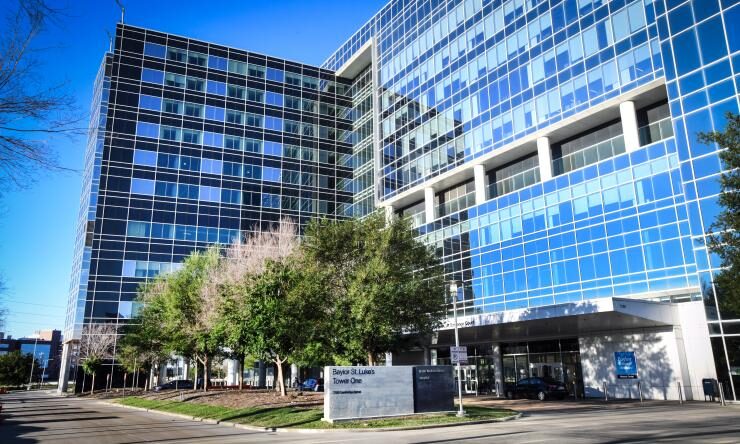
- Access to diverse clinical sites including Baylor St. Luke’s Medical Center, Texas Children’s Hospital, and Michael E. DeBakey Veterans Affairs Medical Center
Accreditation Status
Baylor College of Medicine holds full accreditation from the Liaison Committee on Medical Education (LCME), ensuring the program meets the highest standards for medical education in the United States.
Rankings & Recognition
- Ranked #22 by U.S. News & World Report for Research
- Recognized as the least expensive private medical school in the nation
- 96% residency match rate, demonstrating exceptional graduate placement success
- Students graduate with significantly less debt compared to national averages
Admission Requirements
Academic Prerequisites
Minimum Degree Requirements
Applicants must complete at least 90 undergraduate semester hours (or equivalent quarter hours) at a fully accredited college or university. While a bachelor’s degree is strongly recommended, it is not strictly required if the 90-hour minimum is met.
Required Courses
Baylor College of Medicine requires completion of specific prerequisite coursework, though the exact requirements were being updated for the 2025 admissions cycle. Generally, medical schools require:
- Biology (with laboratory)
- Chemistry (general and organic, with laboratories)
- Physics (with laboratory)
- Mathematics
- English/Writing courses
GPA Requirements
- Median GPA: 3.96 for matriculating students
- No minimum GPA requirement to apply
- Successful applicants typically maintain high academic performance across both science and overall coursework
- The school uses holistic review, considering GPA within the context of course rigor and other factors
Standardized Testing Requirements
MCAT Requirements
- Median MCAT Score: 519 (approximately 95th percentile)
- No minimum MCAT requirement to apply
- MCAT scores accepted from the prior 3 years
- Multiple MCAT attempts are considered, with the school typically focusing on the highest scores
CASPer Test
Baylor College of Medicine requires all applicants to complete the CASPer (Computer-Based Assessment for Sampling Personal Characteristics) test:
- Test window: May through November
- Assesses personal and professional characteristics
- No preparation materials provided; assesses natural responses to ethical scenarios
- Results are considered as part of the holistic application review
Extracurricular Activities & Experience Requirements
Baylor uses a holistic evaluation system that considers:
- Clinical Experience: Direct patient care exposure through volunteering, shadowing, or employment
- Research Experience: Laboratory research, clinical research, or scholarly projects
- Community Service: Long-term volunteer commitments demonstrating service to others
- Leadership Experience: Roles demonstrating ability to guide and influence others
- Diversity of Experience: Unique backgrounds and perspectives that contribute to class diversity
Application Process & Timeline
Application System
Important Change for 2025: Baylor College of Medicine has transitioned to the Texas Medical and Dental Schools Application Service (TMDSAS) for the MD program. This represents a significant change from previous years.
Exception: MD/PhD program applicants continue to use AMCAS.
Application Timeline & Deadlines
Key Dates for 2025 Admissions Cycle:
- May 1: TMDSAS application becomes available (8 a.m. CST)
- May 15: TMDSAS application submission opens (8 a.m. CST)
- June 1: Baylor supplemental application opens
- November 1: TMDSAS application submission deadline (5 p.m. CST)
- November 15: TMDSAS Letters of Evaluation and Baylor supplemental application deadline (5 p.m. CST)
- January 31: Deadline to rank schools in TMDSAS (5 p.m. CST)
- February 14: TMDSAS match results announced
Required Documents
A complete application includes:
- Verified TMDSAS application
- Baylor supplemental application and fee
- Letters of evaluation (specific number and requirements detailed in TMDSAS guidelines)
- MCAT scores
- CASPer test scores
Interview Process
Baylor conducts virtual interviews with the following structure:
Interview Format:
- Two 25-30 minute interviews with faculty and/or student committee members
- Conducted live via Zoom
- Traditional interview format (not MMI)
Interview Day Schedule:
Thursday Evening:
- 6-8 p.m. (CST): Student social event
Friday:
- Welcome presentations and curriculum overview
- 1-3:30 p.m. (CST): Interview sessions
- Student panel Q&A
- Optional campus and Houston tour
Post-Interview Process
- Rolling admissions: Applications reviewed throughout the cycle
- Merit scholarships: Awarded October through May to accepted applicants
- Background checks: Required for all accepted applicants prior to matriculation
Admission Statistics & Success Rates
Overall Acceptance Rate
Baylor College of Medicine maintains one of the most competitive acceptance rates in medical education:
- Overall Acceptance Rate: Approximately 4.0-4.1%
- Total Applications: Over 8,900 annually
- Interviews Conducted: Approximately 800-900
- Acceptances Offered: Around 359
- Matriculating Class Size: 226 students
Geographic Distribution
Strong Texas Preference:
- 87.6% of matriculating students are Texas residents
- 12.4% are out-of-state students
- Limited international student acceptance (case-by-case basis)
Academic Statistics of Admitted Students
- Median GPA: 3.96
- Median MCAT Score: 519
- GPA Range: Typically 3.80-4.00 (25th-75th percentile)
- MCAT Range: Typically 515-523 (25th-75th percentile)
Class Demographics
The entering class represents diverse backgrounds in:
- Undergraduate majors: Science and non-science disciplines welcome
- Age range: Traditional and non-traditional students
- Geographic diversity: Primarily Texas, with national representation
- Research experience: Majority have significant research backgrounds
Waitlist Information
- Waitlist utilization: Varies by year based on yield
- Waitlist communication: Regular updates provided throughout cycle
- Final decisions: Typically by start of academic year
Tuition & Financial Information
Current Tuition Rates
2024-2025 Academic Year:
- Texas Residents: $23,409 annually
- Out-of-State Students: $36,509 annually
- International Students: $36,509 annually
Additional Fees & Expenses
Annual Additional Costs:
- Student Health Insurance: $5,467-$5,772
- Facility Fee: $5,000
- Books and Equipment: $2,000-$3,000 estimated
- Technology/Lab Fees: Various smaller fees
Total Cost of Attendance
Estimated Annual Costs (Houston Campus):
- MS1 (Texas Resident): $68,869.80
- MS2 (Texas Resident): $63,728
- MS3 (Texas Resident): $67,819
- MS4 (Texas Resident): $66,454.58
Cost Comparison & Value
Baylor College of Medicine is recognized as the least expensive private medical school in the nation:
- Public medical school average debt: $197,843
- Private medical school average debt: $222,381
- Baylor College of Medicine average debt: $135,532
Financial Aid Options
Available Programs:
- Federal Student Loans: Stafford and PLUS loans
- Need-based Aid: Based on FAFSA results
- Merit Scholarships: Competitive awards for outstanding applicants
- Work-Study Programs: Limited opportunities available
- Institutional Aid: School-specific financial assistance programs
Application Process:
- FAFSA Required: Submit by March 31 for priority consideration
- Need-based Review: Automatic with FAFSA submission
- Merit Consideration: Based on admissions application strength
Living Expenses in Houston
Houston offers relatively affordable living compared to other major cities:
- Housing: $800-$1,500 monthly (varies by proximity to campus)
- Transportation: $100-$200 monthly
- Food: $300-$500 monthly
- Personal Expenses: $200-$400 monthly
Click To See Hundreds Of Consultants Who Can Mentor You:

Curriculum & Program Structure
Program Duration
Baylor College of Medicine follows a 4-year MD curriculum with innovative features that distinguish it from traditional medical education models.
Educational Philosophy
The curriculum emphasizes:
- Early Clinical Exposure: Patient interaction begins within the first weeks
- Integrated Learning: Basic sciences integrated with clinical applications
- Collaborative Learning: Team-based and problem-based learning approaches
- Research Integration: Opportunities for scholarly activity throughout the program
Pre-Clinical Years (Foundational Sciences)
Duration: First 15 months
- Foundational Sciences Curriculum covering:
- Basic science concepts with clinical correlation
- Research methodology and evidence-based medicine
- Team-based learning and collaboration skills
- Early patient interaction and clinical skills development
Assessment Methods:
- Pass/Fail System: Reduces competitive pressure, encourages collaboration
- Competency-Based Evaluation: Focus on skill mastery rather than ranking
- Regular Feedback: Continuous assessment and improvement opportunities
Clinical Training
Clinical Years Structure:
Year 2 (Spring) through Year 3 (Fall) – Core Clerkships:
Six 8-week blocks including:
- Internal Medicine: 8 weeks
- OB/GYN: 6 weeks + 2-week elective
- Neurology/Psychiatry: 4 weeks each
- Pediatrics: 6 weeks + 2-week elective
- Family & Community Medicine: 4 weeks + 4-week elective
- Surgery: 6 weeks + 2-week course on “Service Learning, Wellness, and Narrative Medicine”
Year 3 (Spring) – Advanced Training:
- Sub-internship: 4 weeks required
- Ambulatory Core Rotation: 4 weeks
- Elective Rotations: Multiple opportunities for specialization
Clinical Training Sites
Training occurs across the Texas Medical Center’s extensive network:
- Baylor St. Luke’s Medical Center
- Texas Children’s Hospital
- Michael E. DeBakey Veterans Affairs Medical Center
- Harris Health System facilities
- Community-based clinics and specialized centers
Elective Opportunities
- Research Electives: Laboratory and clinical research opportunities
- International Rotations: Global health experiences available
- Specialty Exploration: Early exposure to various medical specialties
- Community Health: Public health and underserved population focus
- Rural Medicine: Experience in rural Texas healthcare settings
Special Programs & Tracks
Combined Degree Programs:
- MD/PhD: Physician-scientist training program
- MD/JD: Medicine and law dual degree
- MD/MBA: Healthcare management preparation
- MD/MPH: Public health integration
- BS/MD: Accelerated pathway from undergraduate
Specialized Tracks:
- Primary Care Focus: Enhanced preparation for family medicine, internal medicine, pediatrics
- Research Track: Additional research training and mentorship
- Global Health: International medicine and public health emphasis
- Underserved Populations: Healthcare equity and access focus
Academic Support & Resources
- Academic Success Center: Tutoring and study skills support
- Mentorship Programs: Faculty and peer mentoring throughout the program
- Simulation Center: State-of-the-art training facilities
- Library Resources: Comprehensive medical library and digital resources
- Technology Integration: Advanced learning platforms and clinical tools
Pre-Medical Preparation
Undergraduate Program Recommendations
Optimal Academic Background:
While Baylor accepts students from all undergraduate majors, successful applicants typically demonstrate:
- Strong Science Foundation: Completion of prerequisite courses with high performance
- Diverse Academic Interests: Coursework beyond science requirements
- Critical Thinking Skills: Courses requiring analysis, writing, and problem-solving
- Research Experience: Laboratory or clinical research participation
Recommended Majors:
- Biology/Biomedical Sciences: Traditional preparation with research opportunities
- Chemistry/Biochemistry: Strong foundation in medical sciences
- Neuroscience: Increasingly relevant for medical practice
- Psychology: Valuable for understanding patient behavior and mental health
- Engineering: Problem-solving skills and analytical thinking
- Liberal Arts: Communication skills and cultural competency
- Public Health: Population-based health understanding
Academic Planning Strategy
Course Sequencing:
- Year 1-2: Complete prerequisite science courses
- Year 3: Advanced science courses and MCAT preparation
- Year 4: Application year with continued academic excellence
- Gap Year: Consider if additional experience needed
GPA Optimization:
- Consistent Performance: Maintain high grades throughout undergraduate career
- Upward Trend: Show improvement if early grades were lower
- Course Rigor: Balance challenging courses with GPA maintenance
- Summer Courses: Strategic use for prerequisite completion or GPA improvement
Clinical Experience Requirements
Types of Clinical Exposure:
Essential Experiences:
- Direct Patient Care: Hospital volunteering, EMT work, medical scribe positions
- Physician Shadowing: Observation of various medical specialties
- Clinical Research: Patient-oriented research studies
- Healthcare Volunteering: Free clinics, community health programs
Quality vs. Quantity:
- Depth of Experience: Long-term commitments preferred over short-term exposures
- Leadership Roles: Progression to supervisory or training positions
- Diverse Settings: Exposure to different patient populations and healthcare environments
- Reflection and Growth: Ability to articulate learning and development from experiences
Research Experience
Research Importance:
Baylor College of Medicine highly values research experience:
- 85%+ of matriculating students have significant research backgrounds
- Publication preferred but not required
- Research presentations at conferences valued
- Long-term projects preferred over short-term experiences
Types of Research:
- Basic Science Research: Laboratory-based molecular, cellular, or physiological studies
- Clinical Research: Patient-based studies and clinical trials
- Public Health Research: Population-based health studies
- Healthcare Policy: Health system and policy analysis
- Global Health: International health and development projects
Extracurricular Planning
Leadership Development:
- Student Organization Leadership: Campus clubs, honor societies, student government
- Community Organization Leadership: Volunteer organizations, non-profit boards
- Research Leadership: Leading projects, mentoring other students
- Work Leadership: Supervisory roles in employment
Community Service:
- Healthcare-Related Service: Free clinics, health education programs
- Educational Service: Tutoring, teaching, literacy programs
- Social Justice Service: Advocacy, community organizing, policy work
- Environmental Service: Sustainability, conservation projects
Standardized Test Preparation
MCAT Preparation Strategy:
- Timeline: 3-6 months of dedicated study
- Content Review: Comprehensive coverage of tested subjects
- Practice Testing: Full-length practice exams under timed conditions
- Score Target: Aim for 515+ to be competitive for Baylor
- Retake Consideration: If scoring below 510, consider retaking
CASPer Preparation:
Practice Scenarios: Review sample questions and responses
Understanding Format: Situational judgment scenarios
Ethical Framework Development: Consider various ethical approaches