

Last updated on January 9th, 2026 at 06:26 am
Program Overview & Institution Identity
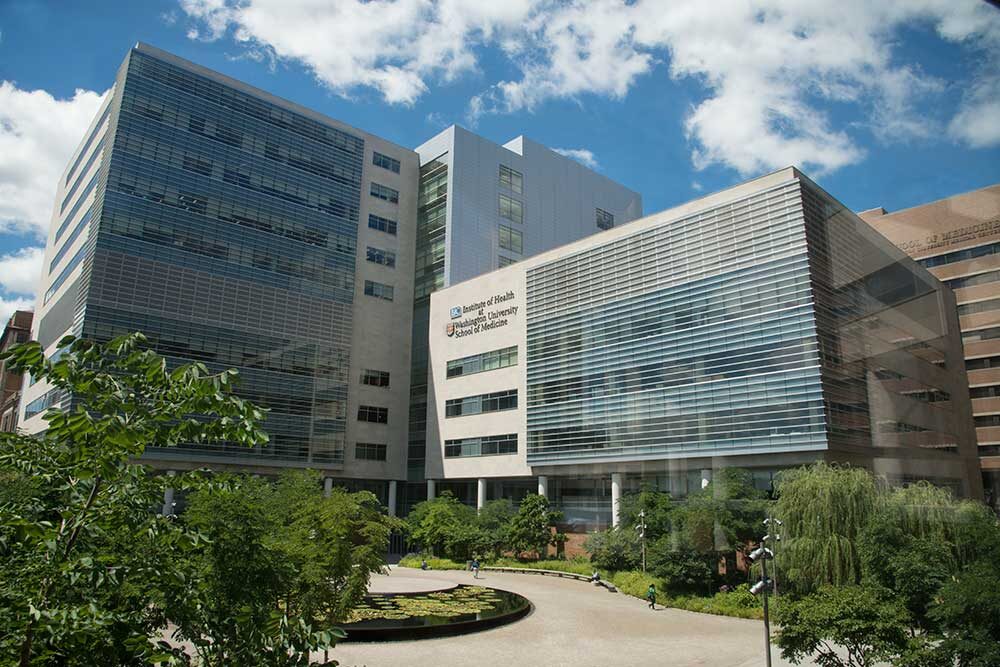
Washington University in St. Louis School of Medicine, commonly known as WashU Medicine, stands as one of the nation’s premier medical institutions, consistently ranked among the top medical schools in the United States. Currently ranked #5 by U.S. News & World Report for research, this prestigious private institution operates from its urban campus in Saint Louis, Missouri.
The school offers a 4-year MD program designed to train the next generation of physicians and physician-scientists. WashU Medicine is fully accredited by the Liaison Committee on Medical Education (LCME), ensuring the highest standards of medical education. The institution is renowned for its innovative Gateway Curriculum, which represents the first complete overhaul of the medical school’s program of studies in more than two decades.
What sets Washington University School of Medicine apart is its emphasis on:
- Mission-driven career development
- World-class research opportunities
- Early clinical experience integration
- Holistic patient care approach
- Strong collaborative learning environment over competition
The school also offers combined degree programs including MD/PhD, MD/MBA, and MD/MPH, providing students with diverse pathways to specialize their medical education according to their career goals.
Admission Requirements
Academic Prerequisites
Minimum Degree Requirements:
Washington University School of Medicine requires applicants to complete a bachelor’s degree from an accredited university or college before matriculation. The Committee on Admissions considers the rigor of an applicant’s curriculum, performance in each class, and grading practices at their respective institutions.
Required Prerequisite Coursework:
While the complete list of specific prerequisites wasn’t fully detailed in the available sources, WashU Medicine follows standard medical school requirements. Courses must be taken through accredited institutions and appear on official transcripts. The school accepts courses taken:
- Pass/fail or pass/no pass (especially accommodating pandemic-related changes)
- At community colleges
- Through summer schools or online programs
- As long as the institution meets accreditation requirements
Important: Prerequisites must be completed by June preceding matriculation (e.g., by June 2025 for the Class of 2025).
GPA Requirements:
- Median GPA of admitted students: 3.96
- Mean GPA of Entering Class 2024: 3.92
The school uses a holistic review process, considering not just grades but the rigor of coursework and institutional grading practices.
Standardized Testing Requirements
MCAT Requirements:
- Median MCAT Score: 521
- Mean MCAT Score (Class of 2024): 519.19 (96th percentile)
- Valid MCAT Dates for 2025-2026 cycle: January 2022 through September 2025
The Medical College Admission Test (MCAT) is required for all applicants. WashU Medicine recommends taking the MCAT in spring of junior year, approximately 18 months before expected enrollment.
Extracurricular Activities & Experience Requirements
Washington University School of Medicine values applicants who demonstrate:
- High character, aptitude, integrity, and motivation suitable for medicine
- Strong communication skills
- Extracurricular accomplishments
- Balanced lifestyle, including hobbies and recreational interests
- Community service and leadership experience
- Research experience (highly valued)
- Clinical exposure and healthcare experience
The school follows AAMC’s holistic review process, using balanced consideration of experiences, attributes, and metrics to evaluate candidates.
Application Process & Timeline
Application System & Deadlines
Primary Application:
- System: AMCAS (American Medical College Application Service)
- School Code: 184
- Deadline: October 17, 2025
Secondary Application:
- Invitation: Sent approximately 3 business days after verified AMCAS application is received
- Deadline: October 31, 2025
- Fee: $100 (waived for AAMC Fee Assistance Program recipients)
- Recommendation: Complete within 2 weeks of invitation
Letters of Recommendation:
- Deadline: November 7, 2025
- Letters must be submitted to the Committee on Admissions on behalf of the applicant
Required Documents
- AMCAS Primary Application with all required sections completed
- Secondary Application (school-specific supplemental application)
- Official transcripts through AMCAS verification
- Letters of recommendation (specific number and requirements detailed on school website)
- MCAT scores (within valid date range)
Interview Process
Students who advance past the initial review stages are invited for interviews. The school conducts both traditional and innovative interview formats, though specific details about Multiple Mini Interviews (MMI) or panel interviews weren’t specified in the available information.
Click To See Hundreds Of Consultants Who Can Mentor You:
Admission Statistics & Success Rates
Overall Statistics (Class of 2024)
- Class Size: 124 students (105 MD students, 19 MD/PhD students)
- Gender Distribution: 65 women, 59 men
- Total Applicants: 5,452 highly qualified applicants
- Interview Invitations: 1,026 students interviewed
- Acceptance Rate: Approximately 18.8% of interviewed candidates (calculated from available data)
Geographic and Academic Diversity
Geographic Representation:
- Students from 27 states and 3 countries
- 65 different undergraduate institutions represented
- The school accepts out-of-state, Canadian, and international students
Undergraduate Institution Diversity (2015-2024 data):
Top contributing institutions include:
- Harvard University (49 students)
- Duke University (45 students)
- Johns Hopkins University (32 students)
- Princeton University (27 students)
- Cornell University (25 students)
- Stanford University (23 students)
- Rice University (21 students)
- Columbia University (20 students)
- MIT (18 students)
Academic Statistics
- Mean GPA: 3.92
- Mean MCAT: 519.19 (96th percentile)
- Median MCAT: 521
- Median GPA: 3.96
Financial Support Statistics
- 67% of students have full tuition funding
- 89% receive merit and/or need-based scholarships
- Students consistently graduate with significantly lower debt than the national average
Tuition & Financial Information
Current Tuition Rates (2025-2026)
Base Tuition: $67,968 (same rate for in-state and out-of-state students as a private institution)
Additional Required Fees:
- General student fee: $1,500
- Student health fee: $5,225
- Total Direct Costs: $74,693
Estimated Additional Expenses:
- Books & supplies: $500
- Medical instruments: $250
- Room & board: $18,756
- Personal/miscellaneous: $3,192
- Transportation: $2,678
- Total Indirect Costs: $25,376
Total Cost of Attendance: $100,069 per year
Unique Financial Features
Tuition Stabilization Plan:
Washington University offers tuition stabilization, meaning your tuition will not increase from year one for up to five consecutive years (allowing one year for research or master’s degree). This provides upfront cost transparency for educational planning.
Financial Aid Options
- Merit-based scholarships awarded by Committee on Admissions
- Need-based scholarships through Office of Student Financial Planning
- Federal loan programs
- Work-study opportunities
- External scholarship opportunities
Major Investment: Washington University committed $100 million to MD scholarships and education, demonstrating their dedication to reducing financial barriers.
Cost of Living
St. Louis consistently ranks among the most affordable cities in the country, providing big city opportunities with lower living costs compared to other major metropolitan areas.
Curriculum & Program Structure
Program Duration and Structure
Washington University School of Medicine offers a 4-year MD program featuring the innovative Gateway Curriculum. This curriculum represents the first complete overhaul of the school’s educational approach in over two decades.
Educational Philosophy: The Gateway Curriculum
The Gateway Curriculum emphasizes:
- Mission-driven career development
- World-class research integration
- Early clinical experience
- Holistic patient care approach
- Competency-based assessment
- Collaborative learning environment
Key Curriculum Features
Innovative Teaching Methods:
- Integration of problem-based learning approaches
- Early patient contact and clinical immersion
- Technology-enhanced learning through platforms like Keystone
- Data dashboard for tracking student progression
- Competency-based assessment system
Research Opportunities:
- Extensive research opportunities across all medical specialties
- More than half of student participants publish their research
- Collaboration with faculty who are leaders in their fields
- Preparation for competitive residency applications
Clinical Training:
- Early clinical exposure integrated throughout curriculum
- Partnerships with top-tier hospitals and medical centers
- Barnes-Jewish Hospital and other Washington University affiliated institutions
- Community-based clinical experiences
Combined Degree Programs
- MD/PhD: 19 students in the current entering class
- MD/MBA: Business administration combined with medical degree
- MD/MPH: Public health focus with medical training
Student Outcomes & Residency Placement
Residency Match Success:
- 2025 Match Rate: 95% (above national average of 93.5%)
- 2024 Match Rate: 97%
- Students consistently match into highly competitive residency programs at top-ranked medical centers nationwide
Top Specialty Matches Include:
- Internal Medicine
- Surgery specialties
- Dermatology
- Anesthesiology
- Radiology
- Emergency Medicine
- Pediatrics
- And many other competitive specialties
Geographic Reach:
Graduates obtain residencies across the United States at prestigious institutions including:
- Major university hospitals
- Top-ranked medical centers
- Competitive specialty programs nationwide
Pre-Medical Preparation
Academic Planning Recommendations
Undergraduate Program Strategy:
- Strong performance in prerequisite courses is essential
- While no specific major is required, diverse academic backgrounds are welcomed
- Maintain high GPA while pursuing intellectually challenging coursework
- Complete prerequisites by June before intended matriculation
GPA Optimization:
Given the median GPA of 3.96 for admitted students, aim for:
- Overall GPA above 3.9
- Strong performance in science courses
- Consistent academic excellence throughout undergraduate career
- Consider retaking courses if necessary to improve science GPA
MCAT Preparation
Target Scores:
- Aim for 520+ to be competitive (median admitted score is 521)
- Consider retaking if initial score is below 515
- Plan 3-6 months of dedicated study time
- Take practice exams under timed conditions
Timing Recommendations:
- Take MCAT in spring of junior year
- Allow time for retakes if necessary
- Ensure scores are valid for your application cycle (January 2022-September 2025 for 2025-2026 cycle)
Experience Building
Research Experience:
- Highly valued for WashU Medicine applications
- Seek opportunities in basic science, clinical, or public health research
- Consider summer research programs
- Aim for meaningful involvement rather than just hours
- Publication opportunities are beneficial but not required
Clinical Experience:
- Essential for demonstrating commitment to medicine
- Volunteer at hospitals, clinics, or healthcare facilities
- Shadow physicians in various specialties
- Consider medical missions or community health programs
- Document hours and reflect on experiences
Leadership and Service:
- Community service demonstrates commitment to helping others
- Leadership roles show ability to guide and inspire others
- Long-term commitments are valued over numerous short-term activities
- Consider starting or leading health-related initiatives
Application Timeline Planning
Junior Year:
- Complete prerequisite courses
- Take MCAT in spring
- Begin research projects
- Increase clinical experience
- Start building relationships with potential letter writers
Senior Year/Gap Year:
- Submit AMCAS application by October 17
- Complete secondary applications promptly
- Prepare for interviews
- Continue research and clinical activities
- Apply for FAP if eligible
Frequently Asked Questions
What is Washington University School of Medicine’s average GPA and MCAT score?
The median GPA is 3.96 and median MCAT score is 521. The mean GPA for the Class of 2024 was 3.92 with a mean MCAT of 519.19 (96th percentile).
Does Washington University School of Medicine require specific prerequisite courses?
Yes, WashU Medicine has established prerequisite coursework requirements. Courses must be completed by June preceding matriculation and can be taken at accredited institutions, including community colleges and online programs.
Does Washington University School of Medicine accept pass/fail courses?
Yes, especially in recognition of pandemic-related changes. However, the majority of classes, especially science courses, should optimally be taken for a letter grade at your primary undergraduate institution.
When should I apply to Washington University School of Medicine?
Submit your AMCAS application by October 17, 2025. Complete your secondary application by October 31, 2025, and ensure letters of recommendation are submitted by November 7, 2025.
How many letters of recommendation does Washington University School of Medicine require?
Specific requirements are detailed on their requirements page. Letters must be submitted to the Committee on Admissions by November 7, 2025.
Does Washington University School of Medicine offer interviews to all qualified applicants?
No. From 5,452 applicants, approximately 1,026 students received interview invitations for the Class of 2024.
Does Washington University School of Medicine accept international students?
Yes, WashU Medicine accepts out-of-state, Canadian, and international students. The Class of 2024 included students from 27 states and 3 countries.
How competitive is Washington University School of Medicine compared to other medical schools?
WashU Medicine is highly competitive, ranked #5 nationally for research by U.S. News & World Report. With median stats of 3.96 GPA and 521 MCAT, it’s among the most selective medical schools in the country.
What clinical experience do I need for Washington University School of Medicine?
While specific hour requirements aren’t stated, WashU values meaningful clinical exposure that demonstrates commitment to medicine and understanding of healthcare environments.
Does Washington University School of Medicine require research experience?
Research experience is highly valued and can strengthen your application significantly. More than half of research participants publish their work, and the school offers extensive research opportunities.
What is Washington University School of Medicine’s curriculum like?
WashU features the innovative Gateway Curriculum with early clinical exposure, competency-based assessment, mission-driven career development, and integration of world-class research opportunities.
Where do Washington University School of Medicine graduates match for residency?
Graduates achieve excellent match rates (95% in 2025, 97% in 2024) at top-ranked medical centers nationwide across all specialties, including highly competitive programs.
How much does Washington University School of Medicine cost?
Total cost of attendance is approximately $100,069 per year, including tuition ($67,968), fees, and estimated living expenses. Tuition is stabilized and won’t increase during your enrollment.
What financial aid is available at Washington University School of Medicine?
89% of students receive merit and/or need-based scholarships, with 67% having full tuition funding. The school committed $100 million to MD scholarships and education, resulting in graduates having significantly lower debt than national averages.
Washington University in St. Louis School of Medicine offers world-class medical education with exceptional support for student success. With its innovative Gateway Curriculum, outstanding research opportunities, and strong commitment to reducing financial barriers, WashU Medicine prepares students to become leaders in medicine and healthcare.