Last updated on January 9th, 2026 at 06:26 am
Program Overview & Institution Identity
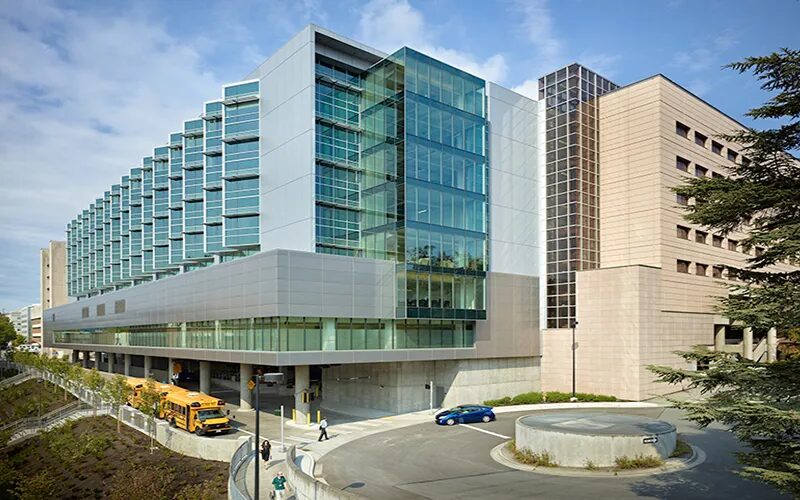
The University of Washington School of Medicine (UWSOM) stands as a pioneering institution in regional medical education, serving the WWAMI states (Washington, Wyoming, Alaska, Montana, and Idaho) through its innovative multi-state medical education program. Located in Seattle, WA, this public institution operates on an urban campus and offers a comprehensive 4-year MD program alongside combined degree opportunities including MD/PhD programs.
Program Duration and Structure
The University of Washington School of Medicine offers a traditional 4-year MD program structured around the unique WWAMI regional medical education model. The program features:
- Phase 1: Foundations Phase (18 months) – Students complete their first 18 months at regional sites including Seattle, Spokane, Anchorage, Bozeman, Laramie, or Moscow
- Phase 2: Patient Care Phase (12 months) – Clinical rotations throughout the WWAMI region
- Phase 3: Explore and Focus Phase (15 months) – Advanced clinical training and specialty exploration
Location and Campus Details
Primary Campus: Seattle, Washington (urban setting)
Additional Training Sites: The WWAMI program extends across five states with clinical training sites in urban and rural locations throughout Washington, Wyoming, Alaska, Montana, and Idaho, providing students with diverse clinical experiences from Level I trauma centers to remote community clinics.
Accreditation Status
The University of Washington School of Medicine maintains full accreditation from the Liaison Committee on Medical Education (LCME), the nationally recognized accrediting authority for medical education programs in the United States and Canada. This accreditation ensures that graduates are eligible to take the USMLE and apply to ACGME-accredited residency programs. As of July 2024, UWSOM remains fully accredited by the LCME.
Ranking and Recognition
The University of Washington School of Medicine consistently ranks among the top medical schools nationally, particularly excelling in:
- Primary Care Training: Recognized by U.S. News & World Report as the nation’s top primary-care training school for 23 consecutive years
- Family Medicine: Top-ranked family medicine program nationally
- Rural Medicine: Leading institution for rural medicine training
- Regional Medical Education: Recipient of the AAMC Outstanding Community Service Award
Admission Requirements
Academic Prerequisites
Minimum Degree Requirements
The University of Washington School of Medicine requires applicants to hold a bachelor’s degree from a regionally accredited institution. While no specific major is required, all entrants in recent years have fulfilled requirements for a bachelor’s degree. The school encourages a broad background in humanities and liberal arts alongside science preparation.
Required Courses
Pre-medical course requirements must be completed before matriculating. The school recommends completing prerequisites before applying. Required courses include:
1. Social Sciences, Humanities, or “Human Condition” Competency
- Demonstrated understanding of social forces affecting health
- Examples: Anthropology, Sociology, Political Science, Economics, Psychology, Religion, History, Philosophy, Literature, Foreign Languages, Art, Music
- Can be fulfilled through coursework, research, service learning, or lived experience
2. Science Prerequisites (specific credit hours vary):
- Biology with laboratory
- General Chemistry with laboratory
- Organic Chemistry with laboratory
- Physics with laboratory
- Mathematics (including statistics)
- English composition
Advanced Placement (AP) credits are acceptable substitutes for prerequisite courses as long as they appear on undergraduate transcripts and are verified through AMCAS.
GPA Requirements
While the University of Washington School of Medicine does not publish minimum GPA requirements, competitive applicants typically demonstrate:
- Median GPA: 3.81 for accepted students
- Competitive Range: Most successful applicants have GPAs of 3.75 or higher
- GPA Calculation: The school evaluates both overall undergraduate GPA and science GPA
- Post-Baccalaureate Work: Applicants with lower undergraduate GPAs who have completed additional coursework and performed well are considered competitively
Standardized Testing
MCAT Requirements
Minimum Requirements:
- Valid Scores: MCAT scores from 2022, 2023, or 2024 are accepted for the 2025 entering class (3-year validity period)
- Test Deadline: Must be taken no later than September 30 of the year prior to matriculation
- Median Score: 511 for accepted students
- Score Reporting: All previous MCAT scores are visible and considered as part of holistic review
Competitive MCAT Statistics:
The school provides detailed acceptance grids showing the combination of GPA and MCAT scores for accepted and non-accepted WWAMI applicants, demonstrating that while median scores provide benchmarks, the school considers applications holistically.
Additional Testing
CASPer Test: The University of Washington School of Medicine does not currently require the CASPer test, unlike many other medical schools. However, applicants should verify current requirements as testing policies can change.
Extracurricular Activities & Experience Requirements
The University of Washington School of Medicine employs a holistic review process, evaluating:
- Clinical Experience: Direct patient contact through volunteering, employment, or research
- Research Experience: While not required, valued across basic science, clinical, and public health domains
- Community Service: Demonstrated commitment to serving others, particularly underserved populations
- Leadership: Evidence of leadership skills in various contexts
- Work Experience: Professional experience demonstrating responsibility and commitment
State Residency Preferences: Approximately 96% of accepted students are WWAMI state residents (Washington, Wyoming, Alaska, Montana, Idaho). Out-of-region applicants face significantly higher competition, with acceptance rates around 3.31% compared to 15.41% for WWAMI residents.
Click To See Hundreds Of Consultants Who Can Mentor You:

Application Process & Timeline
Application System
The University of Washington School of Medicine participates in the American Medical College Application Service (AMCAS) for primary applications. Unlike many medical schools, UWSOM does not automatically send secondary applications to all AMCAS applicants.
Application Deadlines
- AMCAS Primary Application Deadline: October 1, 2025, 11:59 PM Eastern Time
- Secondary Application Deadline: November 15, 2025, 11:59 PM Pacific Time
- Late Applications: Not considered
Application Screening Process
WWAMI Applicants:
- Automated academic screening
- Washington residents complete residence questionnaire
- Secondary application invitation (if passed screening)
Out-of-Region Applicants:
- Academic screening
- Pre-secondary statement submission
- Mission fit evaluation
- Secondary application invitation (if selected)
Secondary Application Requirements
Essay Prompts (250 words each):
- What perspectives, identities, and/or qualities would you bring to enrich the field of medicine?
- What obstacles have you experienced and how have you overcome them?
- How have societal inequities in the U.S. affected you or people you have worked with?
- Describe your competency in understanding social sciences and humanities as they relate to medical practice
Additional Requirements:
- Academic update forms for in-progress coursework
- Official transcripts for any new coursework
- Letters of recommendation (submitted through AMCAS)
Interview Process
Format: Virtual panel interview lasting approximately 30 minutes
Panel Composition:
- One Executive Committee on Admissions (EXCOM) member with access to full application
- Two additional interviewers (faculty, students, community physicians, or community representatives) who review application without grades/MCAT scores
Interview Sites: All applicants interview within their regional cohort:
- Washington residents: Seattle or Spokane cohorts
- Other WWAMI states: State-specific cohorts
- Out-of-region: Seattle cohort only
Timeline: Interviews are conducted from fall through early spring, with invitations sent 3-4 weeks prior to interview dates.
Admission Statistics & Success Rates
Overall Acceptance Rates
Class of 2024 Statistics:
- Overall Applications: 5,077
- Total Matriculants: 275
- Overall Acceptance Rate: 5.42%
By Residency Status:
- WWAMI Residents: 15.41% acceptance rate
- Out-of-Region: 3.31% acceptance rate
Class Size and Distribution
Total Annual Enrollment: 275 students
Seats by State/Location:
- Seattle: 100 seats (including ~10 MSTP seats)
- Spokane: 60 seats
- Alaska: 30 seats
- Montana: 30 seats
- Idaho: 40 seats
- Wyoming: 20 seats
Academic Statistics of Admitted Students
GPA Statistics:
- Median GPA: 3.81
- Competitive Range: Most accepted students have GPAs between 3.75-4.0
MCAT Statistics:
- Median MCAT: 511
- Percentile: Approximately 82nd percentile nationally
Demographics of Class of 2024
Age and Background:
- Age Range: 20-45 years
- Direct from Undergrad: 6.5%
- First-Generation College: 16.4%
- Military Service: 1.8%
- Rural Background: 20%
- Underrepresented in Medicine: 20.7%
Gender Distribution:
- Male: 42.5% (117 students)
- Female: 56.7% (156 students)
Interview Statistics
Class of 2024 Interview Data:
- Applications Received: 5,077
- Secondary Applications Completed: 1,191
- Interview Invitations: 677
- Acceptance Rate from Interview: 53.3%
Tuition & Financial Information
Current Tuition Rates
2024-2025 Academic Year:
- Washington Residents: $56,339 per year
- Out-of-State Residents: $99,399 per year
- Program Length: 4 years
Total Cost of Attendance
Estimated Annual Costs (including tuition, fees, and living expenses):
- In-State Students: Approximately $80,000-$90,000
- Out-of-State Students: Approximately $120,000-$130,000
4-Year Program Total:
- In-State: ~$320,000-$360,000
- Out-of-State: ~$480,000-$520,000
Additional Fees
- Technology and student services fees
- Health insurance (if not covered by family plan)
- Laboratory and equipment fees
- Clinical rotation fees during clerkship phases
Financial Aid Options
Federal Financial Aid:
- Federal Direct Loans (subsidized and unsubsidized)
- Graduate PLUS loans
- Work-study opportunities (limited during medical school)
Institutional Aid:
- Merit-based scholarships available
- Need-based financial aid programs
- WWAMI state-specific scholarship programs
Application Process:
- Complete FAFSA annually (UW School Code: 003798)
- Priority FAFSA deadline: January 15
- Include parental information if applying for institutional scholarships
Cost of Living in Seattle
- Housing: On-campus and off-campus options available
- Transportation: Public transit system available
- Personal Expenses: Seattle cost of living is above national average
Curriculum & Program Structure
Program Duration and Phases
The University of Washington School of Medicine offers a 4-year MD program with a unique regional structure:
Phase 1: Foundations Phase (18 months)
- Location: Regional sites (Seattle, Spokane, Anchorage, Bozeman, Laramie, Moscow)
- Duration: First 18 months of medical school
- Focus: Integrated, interdisciplinary education combining basic, clinical, and social sciences
Phase 2: Patient Care Phase (12 months)
- Clinical rotations throughout WWAMI region
- Core clerkships in various specialties
- Direct patient care experience
Phase 3: Explore and Focus Phase (15 months)
- Advanced clinical training
- Specialty exploration rotations
- Career preparation
Educational Philosophy and Teaching Methods
Innovative Curriculum Features:
- “Flipped” Classroom Approach: More active, student-centered learning
- Early Clinical Immersion: Clinical skills taught from day one
- Integrated Learning: Nine integrated, interdisciplinary block courses
- Community-Based Education: Extensive use of community clinical faculty throughout the WWAMI region
Assessment Methods:
- Pass/fail grading in many courses
- Competency-based evaluation
- Multiple integration weeks for clinical reasoning development
Pre-Clinical Education (Foundations Phase)
Core Components:
- Orientation and Immersion: 2-3 week clinical skills preparation
- Nine Integrated Blocks: Combining basic sciences with clinical applications
- Integration Weeks: Clinical reasoning and professional development
- Longitudinal Topics: Pathology, anatomy/imaging, pharmacology
- Medicine Health and Society: Healthcare systems, ethics, health equity
- Independent Investigative Inquiry (III): Scholarly project requirement
Clinical Training
Geographic Distribution: Students train throughout the five-state WWAMI region, experiencing:
- Urban academic medical centers
- Rural community hospitals
- Community health centers
- Specialty clinics
- International opportunities through Global Health Immersion Program
Clinical Sites Include:
- University of Washington Medical Center (Seattle)
- Harborview Medical Center (Seattle)
- Seattle Children’s Hospital
- Community hospitals throughout WWAMI states
- Rural clinics and critical access hospitals
Special Programs and Pathways
Combined Degree Programs:
- MD/PhD (MSTP): Medical Scientist Training Program
- MD/MPH: Master of Public Health
- MD/MHA: Master of Health Administration
- MD/OMS: Oral and Maxillofacial Surgery
Pathway Programs (11 specialized tracks):
- Community-Focused Urban Scholars Program (CUSP)
- Global Health Immersion Program (GHIP)
- Rural medicine pathways
- Research pathway programs
- Arts and humanities in medicine
- Public health and health policy
Residency Preparation and Match Results
USMLE Performance: The school maintains strong USMLE pass rates, preparing students for successful residency applications.
Match Statistics: University of Washington graduates demonstrate excellent match rates:
- High percentage of graduates match into their preferred specialties
- Strong placement in competitive residencies
- Many graduates remain in the WWAMI region, fulfilling the program’s mission
Career Support:
- Comprehensive career advising services
- Specialty exploration opportunities
- Research and publication support
- Residency application guidance
Pre-Medical Preparation
Undergraduate Program Recommendations
Academic Background:
- No Preferred Major: The University of Washington School of Medicine accepts students from all academic backgrounds
- Broad Education Encouraged: Strong liberal arts and humanities background valued
- Science Foundation: Solid preparation in required science courses essential
- Academic Excellence: Consistent high performance across all coursework
Academic Planning
Course Sequencing:
- Complete prerequisite courses before applying (recommended)
- Maintain strong performance in both science and non-science courses
- Consider post-baccalaureate programs if academic strengthening needed
- Recent science coursework valued for students who have been out of school
GPA Optimization Strategies:
- Focus on understanding rather than memorization
- Seek help early if struggling in courses
- Consider course load balance to maintain quality performance
- Post-baccalaureate work can demonstrate academic growth
Clinical Experience Requirements
Types of Clinical Exposure Valued:
- Direct patient contact through volunteering
- Clinical employment (medical assistant, scribe, etc.)
- Clinical research with patient interaction
- Community health initiatives
- Global health experiences
Quality vs. Quantity: The school values meaningful, sustained clinical experiences over superficial exposure. Depth of involvement and reflection on experiences matter more than hours accumulated.
Research Experience Expectations
Research Opportunities:
- Basic Science Research: Laboratory-based investigations
- Clinical Research: Patient-oriented studies
- Public Health Research: Population-based studies
- Community-Based Participatory Research: Collaborative community projects
Publications and Presentations: While not required, research productivity demonstrates commitment and intellectual curiosity.
Extracurricular Planning
Well-Rounded Application:
- Leadership: Demonstrated leadership in various contexts
- Community Service: Long-term commitment to serving others
- Diverse Experiences: Breadth of interests and activities
- Cultural Competency: Understanding of diverse populations and health disparities
Standardized Test Preparation
MCAT Preparation:
- Timeline: Plan to take MCAT after completing prerequisites
- Score Goals: Aim for scores competitive with median (511)
- Retake Considerations: All scores reported; significant improvement recommended for retaking
- Preparation Resources: Utilize various prep materials and practice tests