Last updated on January 9th, 2026 at 06:27 am
Program Overview & Institution Identity
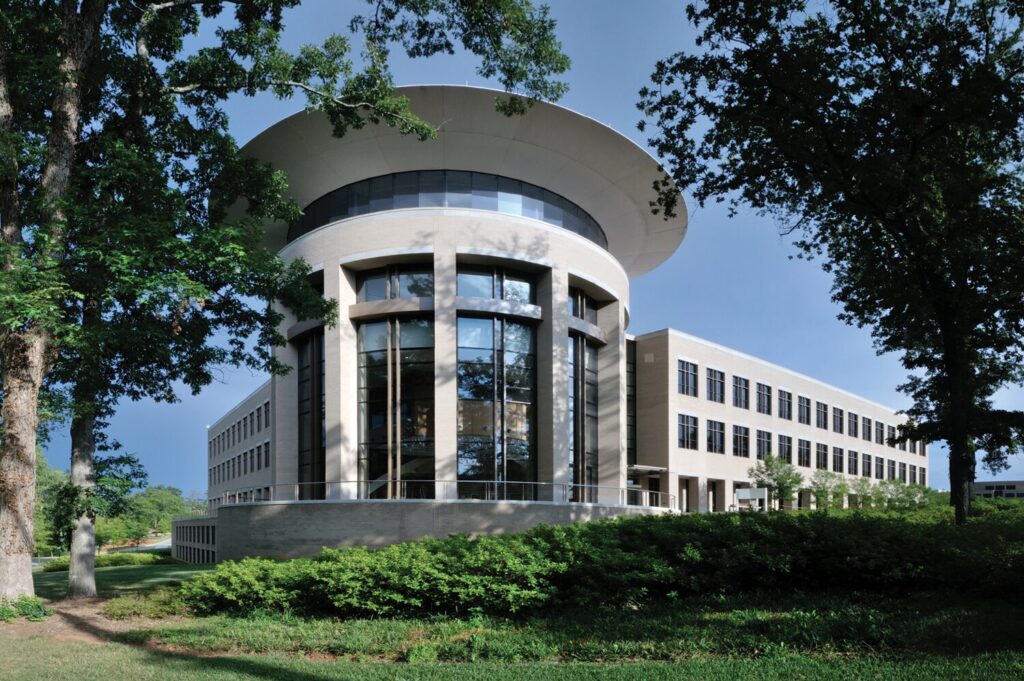
The University of South Carolina School of Medicine Greenville represents a deliberately different approach to medical education. Founded in 2012 and fully accredited by the LCME (Liaison Committee on Medical Education), USC School of Medicine Greenville has quickly established itself as an innovative leader in medical education.
Official Program Structure
The USC School of Medicine Greenville offers a 4-year Doctor of Medicine (MD) program with a systems-based curriculum that launched their “Curricular Refresh” in Fall 2023. This integrated approach allows students to learn foundational sciences followed by immersion in all systems of the human body. The school also offers a Primary Care Accelerated Track (PCAT) – a 3-year accelerated pathway launching in July 2024 for students committed to primary care practice in South Carolina.
Location and Campus Details
Located in Greenville, South Carolina, the school operates as a public institution on an urban campus. Greenville provides an ideal setting for medical education with its growing healthcare infrastructure and partnership with Prisma Health-Upstate, offering students access to diverse clinical training opportunities.
Distinctive Educational Features
USC School of Medicine Greenville was the first U.S. medical school to:
- Integrate EMT training and certification into the first-year curriculum
- Fully incorporate lifestyle medicine across all four years of the MD program
The school also provides yearly personal financial counseling – one of only seven U.S. medical schools to offer this service, resulting in graduates with nearly $27,000 less debt than the national average.
Accreditation and Recognition
The school maintains full LCME accreditation and has been recognized for its innovative curriculum design and community partnerships. The close partnership with Prisma Health-Upstate provides students with exceptional clinical training opportunities throughout the region.
Admission Requirements
Academic Prerequisites
Minimum Degree Requirements
You will receive preference as a candidate if you hold a bachelor’s degree or higher upon enrollment. However, you may be admitted based on at least 90 semester hours of outstanding undergraduate achievement.
Required Prerequisite Courses
The admissions committee requires completion of specific prerequisite courses. While they welcome applicants with preparation in humanities and liberal arts, the following science requirements must be met:
Core Science Requirements:
- General Biology: Two semesters with laboratory
- General Chemistry: Two semesters with laboratory
- Organic Chemistry: Two semesters with laboratory
- General Physics: Two semesters with laboratory
- Biochemistry: One semester (recommended)
- Psychology: One semester (for MCAT preparation)
- Sociology: One semester (for MCAT preparation)
The admissions committee recommends completing more than the minimum requirements in natural sciences to demonstrate readiness for the rigorous curriculum.
GPA Requirements
USC School of Medicine Greenville does not have a minimum GPA requirement. However, successful applicants typically demonstrate strong academic performance:
- Median GPA: 3.91
- Competitive Range: Most successful applicants have GPAs of 3.7-3.75 or higher
- The admissions committee conducts a holistic review considering overall academic trajectory and performance in science courses
Standardized Testing Requirements
MCAT Requirements
The Medical College Admissions Test (MCAT) is required for all applicants:
- Median MCAT Score: 510
- Minimum Score: No specific minimum, but competitive applicants typically score around 509
- Validity Period: MCAT must be taken during or no more than two years prior to the application year
- 2025-2026 Cycle: Accepts scores from 2023, 2024, and 2025
- Retake Policy: New scores accepted through February 2026 (last testing date by January 2026)
- Score Review: The admissions committee considers your highest composite score but reviews all attempts, including section scores and trends
Extracurricular Activities & Experience Requirements
The USC School of Medicine Greenville uses a holistic admissions review process that evaluates:
- Clinical and research experience
- Work and volunteer experience
- Leadership roles and unique accomplishments
- Ability to overcome adversity and long-term goals
- Extracurricular activities demonstrating commitment to medicine
The admissions committee seeks students with diverse backgrounds who exhibit:
- Academic excellence
- Exceptional interpersonal and communication skills
- Integrity, honesty, and empathy
- Propensity for teamwork and maturity
- Emotional stability and leadership
- Strong work ethic and self-direction
- Passion for becoming a doctor
Residency Preferences
USC School of Medicine Greenville accepts out-of-state applicants, with approximately 30% of each class coming from outside South Carolina. Out-of-state students have the option to establish South Carolina residency during their first year, allowing them to pay in-state tuition rates for years 2-4.
International Students: Currently, the school only accepts applications from U.S. citizens and permanent residents.
Application Process & Timeline
Application System and Requirements
USC School of Medicine Greenville participates in the AMCAS (American Medical College Application Service) for both Early Decision and Regular MD admission tracks.
Application Timeline and Deadlines
- Application Deadline: November 1, 2025
- AMCAS Processing: Can take up to 8 weeks for regular decision applicants – apply as early as possible
- Secondary Application: Invitations sent within two weeks of verified AMCAS application receipt
Required Documents
Letters of Recommendation
- Minimum: 3 letters of recommendation
- Maximum: 5 letters
- Committee Letter: Accepted if available from undergraduate institution
- Prohibited: Letters from family members or close friends
- Preferred Sources: Professors, research advisors, supervising physicians who can objectively evaluate academic and clinical abilities
- Submission: Only letters submitted through AMCAS application will be considered
Secondary Application Requirements
After your verified AMCAS application is processed, you’ll receive an invitation through the AMP portal with supplemental application instructions including:
- Processing Fee: $100 (waived for AMCAS fee assistance program participants)
- Essay Questions typically include:
- Personal experiences and challenges (5000 characters)
- Motivation and fit for USC School of Medicine Greenville (5000 characters)
- How you will seek to transform medicine (5000 characters)
- Description of inclusive experiences (5000 characters)
- Additional information for admissions committee consideration
Interview Process
- Format: Multiple Mini Interview (MMI) structure
- Invitations: Sent to select applicants via email
- Timeline: Interview invitations typically sent throughout the fall application cycle
- Options: Both virtual and in-person interview formats may be available
Application Fees
- AMCAS Application: Standard AMCAS fees apply
- Secondary Application: $100 processing fee (waived for fee assistance recipients)
Admission Statistics & Success Rates
Class Size and Application Volume
- First Year Class Size: 110 students
- Total Program Enrollment: Approximately 440 students across all four years
- Acceptance Rate: While specific acceptance rates aren’t published, the school is considered competitive among public medical schools
Academic Statistics of Admitted Students
- Median GPA: 3.91
- Median MCAT: 510
- Typical GPA Range: 3.7-3.75 for successful applicants
- Typical MCAT Range: Around 509 for competitive applicants
Demographics
- Geographic Distribution: Approximately 70% South Carolina residents, 30% out-of-state
- Background Diversity: The school actively seeks students with diverse backgrounds and experiences
- Age Range: Includes both traditional and non-traditional students
Competitiveness Analysis
USC School of Medicine Greenville is moderately to highly competitive among public medical schools. The combination of strong academic requirements, holistic review process, and limited class size makes admission selective.
Tuition & Financial Information
Current Tuition Rates (2025-2026)
Resident Students
- In-state Tuition: $44,532 per year
- Fees: $1,644 per year
- Books and Supplies: $1,131 (including EMT clothing and stethoscope)
Non-Resident Students
- Out-of-state Tuition: $88,794 per year
- Fees: $1,644 per year
- Books and Supplies: $1,131
Total Cost of Attendance Estimates
First Year (M1) – Living Off Campus
- Resident Students: $74,359 maximum aid limit
- Non-Resident Students: $118,621 maximum aid limit
Living Expenses Include:
- Housing: $13,190
- Food: $6,568
- Personal Expenses: $5,534
- Transportation: $3,174
Additional Program Costs
- USMLE Step 1 & 2 Fees: $670 (second year)
- Clinical Rotation Fees: Varies by rotation site
- Technology Fees: Included in annual fees
- Disability Insurance: Included in annual fees
Residency Benefit for Out-of-State Students
Out-of-state students can establish South Carolina residency during their first year, allowing them to pay in-state tuition rates ($44,532 vs. $88,794) for their remaining three years, resulting in significant savings of approximately $133,000 over the program.
Financial Aid and Scholarship Opportunities
Merit-Based Scholarships
- Pillar Scholarship: $45,000/year (4-6 awarded per class)
- Pedestal Scholarship: $15,000/year (40-45 awarded per class – most common award level)
- Youkey Family Scholarship: $45,000/year (awarded every four years)
Financial Aid Application Process
- Automatic Consideration: All incoming M1 students automatically considered for scholarships
- Scholarship Application Deadline: Apply within two weeks of interviewing for full consideration
- Need-Based Aid: Optional supplemental scholarship application available
- Federal Aid: Standard federal loan programs available
Unique Financial Benefits
- Personal Financial Counseling: One-on-one annual counseling with financial aid manager
- Debt Reduction Results: Class of 2021 graduated with nearly $27,000 less debt than national average
- Financial Wellness Programs: Free workshops on topics including loan forgiveness, debt management, budgeting, and home buying
Cost of Living in Greenville, SC
Greenville offers a relatively affordable cost of living compared to many medical school locations:
- Housing Options: On-campus and off-campus housing available
- Transportation: Moderate costs with good public transportation options
- Personal Expenses: Lower than national averages for medium-sized cities
Click To See Hundreds Of Consultants Who Can Mentor You:

Curriculum & Program Structure
Program Duration and Structure
The 4-year MD program follows an innovative systems-based curriculum structure launched in Fall 2023.
Educational Philosophy
USC School of Medicine Greenville emphasizes:
- Patient-centered care focus
- Community health and underserved population care
- Lifestyle medicine integration across all four years
- Hands-on experience beginning with first-year EMT training
Pre-Clinical Years (Years 1-2)
Year 1 Highlights
- EMT Training and Certification: First medical school experience after orientation
- Integrated Practice of Medicine (IPM): Year-long course combining clinical reasoning and skills
- Systems-Based Learning: Foundational sciences integrated with organ systems
- Key Courses: Foundations in Medicine, Anatomy, Cardiovascular, Pulmonary, and other organ systems
Year 2 Structure
- Continued Systems Approach: Advanced organ system studies
- Clinical Skills Development: Enhanced IPM courses with increased clinical exposure
- Early Clinical Opportunities: Students can enter clerkships as early as March of the second year
- USMLE Step 1 Preparation: Integrated throughout curriculum
Clinical Years (Years 3-4)
Core Clinical Rotations
- Internal Medicine: 8 weeks
- Family Medicine: 6 weeks
- Pediatrics: 6 weeks
- Obstetrics and Gynecology: 6 weeks
- Surgery: 6 weeks
- Psychiatry: 4 weeks
- Emergency Medicine: 2 weeks
Clinical Training Sites
- Primary Partner: Prisma Health-Upstate provides majority of clinical training
- Multiple Locations: Training sites throughout Greenville and surrounding areas
- Diverse Patient Populations: Exposure to urban, suburban, and rural healthcare settings
Special Programs and Tracks
Primary Care Accelerated Track (PCAT)
- Duration: 3-year accelerated pathway
- Target: Students committed to primary care in South Carolina
- Financial Benefit: Full tuition reimbursement in exchange for 4-year service commitment
- Residency: Direct transition to 3-year Family Medicine residency
Lifestyle Medicine Integration
- Unique Feature: First U.S. medical school to fully integrate lifestyle medicine across all four years
- Focus Areas: Nutrition, physical activity, behavior change, and self-care
- International Recognition: Serves as international model for best practice
Assessment Methods
- Pre-Clinical: Pass/fail grading system for most courses
- Clinical: Honors/Pass/Fail grading system
- Competency-Based: Focus on demonstrating clinical competencies rather than traditional grades
Research Opportunities
- Research Education Program: Special opportunities for underrepresented students
- Faculty Mentorship: One-on-one research opportunities with faculty
- Scholarly Projects: Required scholarly project component
- Publication Opportunities: Students encouraged to present and publish research
Residency Preparation and Match Rates
- High Match Rate: USC School of Medicine Greenville students consistently match at high rates
- National Placement: Graduates place at residency programs across the United States
- Specialty Diversity: Students match in various specialties including general surgery, pediatrics, emergency medicine, obstetrics-gynecology, family medicine, anesthesiology, and more
- Match Support: Dedicated advising and preparation for residency applications
Pre-Medical Preparation
Undergraduate Academic Planning
Optimal Course Sequencing
Year 1:
- Fall: General Chemistry I + Lab, General Biology I + Lab, Psychology or Sociology
- Spring: General Chemistry II + Lab, General Biology II + Lab
Year 2:
- Fall: Organic Chemistry I + Lab, upper-level biology course, Psychology or Sociology (complete both)
- Spring: Organic Chemistry II + Lab, Cell & Molecular Biology or Biochemistry
Year 3:
- Fall: General Physics I + Lab, Biochemistry (if not taken earlier)
- Spring: General Physics II + Lab, additional upper-level science courses
Recommended Additional Courses
- Advanced Biology: Cell biology, molecular biology, physiology, anatomy
- Behavioral Sciences: Additional psychology and sociology courses for MCAT preparation
- Mathematics: Statistics, calculus (some prerequisites may require)
- English/Writing: Strong communication skills essential
MCAT Preparation Strategy
- Timing: Take MCAT after completing prerequisite courses, typically spring of junior year
- Preparation Timeline: Allow 3-6 months for dedicated study
- Score Goal: Target 509+ based on school’s median score of 510
- Retake Consideration: School reviews all attempts; significant improvement can strengthen application
Clinical Experience Requirements
While no specific minimum is required, competitive applicants typically have:
- Clinical Exposure: Direct patient care experience through volunteering, employment, or shadowing
- Physician Shadowing: Multiple specialties recommended to demonstrate understanding of medicine
- Quality Over Quantity: Meaningful, sustained experiences preferred over brief exposures
Research Experience
- Not Required: But valued for demonstrating scientific inquiry skills
- Types Valued: Basic science, clinical, public health, or community-based research
- Duration: Sustained involvement preferred over brief experiences
- Publications: Helpful but not required for competitive applications
Extracurricular Activities Planning
- Leadership: Demonstrate leadership through organizations, work, or volunteer activities
- Community Service: Sustained commitment to serving others, particularly underserved populations
- Diversity: Experiences that develop cultural competency and understanding of different populations
- Work Experience: Any employment demonstrates responsibility and work ethic
Gap Year Considerations
- When Beneficial: If additional experience, research, or academic improvement needed
- Productive Activities: Research positions, clinical work, volunteer service, advanced coursework
- Application Timing: Plan gap year activities before application submission