
Last updated on January 9th, 2026 at 06:27 am
Program Overview & Institution Identity
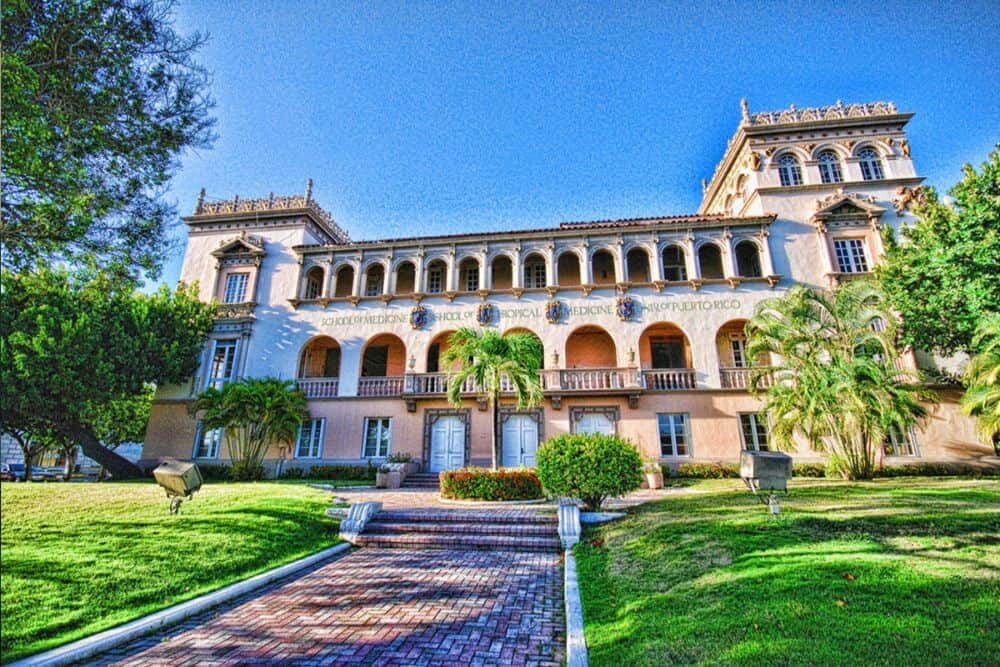
University of Puerto Rico School of Medicine is a prestigious public medical institution located in San Juan, Puerto Rico, established in 1950. As the premier medical school in Puerto Rico, UPR School of Medicine has been training physicians for over 70 years and is fully accredited by the Liaison Committee on Medical Education (LCME), ensuring graduates can practice medicine anywhere in the United States.
The school offers a 4-year MD program with a class size of 102 students annually. The program follows a traditional medical education structure with comprehensive pre-clinical and clinical training. Located on an urban campus in the heart of San Juan’s Medical Center, the school provides students with extensive clinical exposure through its affiliated hospitals, including the Puerto Rico Medical Center, the only supra-tertiary medical facility in Puerto Rico.
Key Program Features:
- LCME-accredited MD program
- 4-year curriculum structure
- Combined degree options: MD/PhD, MD/MPH, MD/JD
- Strong emphasis on bilingual medical education
- Extensive clinical training network
- Research opportunities integrated into curriculum
The University of Puerto Rico School of Medicine stands out for its unique position as a U.S. medical school with strong Latino cultural heritage, providing students with valuable experience serving diverse populations while maintaining full U.S. medical education standards.
Admission Requirements
Academic Prerequisites
Minimum Degree Requirements:
- Bachelor’s degree from a college or university accredited by the Council of Higher Education or corresponding U.S. accrediting agency
GPA Requirements:
- Minimum overall GPA: 3.00 on a 4.00 scale (includes all college/university courses)
- Minimum science GPA: 3.00 on a 4.00 scale (includes Biology, Chemistry, Physics, and Mathematics)
- Competitive averages: Median GPA for admitted students is 3.83
Required Prerequisite Courses:
| Course | Semester Hours | Quarter Hours | Additional Requirements |
|---|---|---|---|
| General Chemistry | 8 | 12 | Beyond basic introductory courses |
| Organic Chemistry | 8 | 12 | Beyond basic introductory courses |
| Physics | 8 | 12 | Beyond basic introductory courses |
| Biology | 8 | 12 | Beyond basic introductory courses |
| Spanish | 12 | 18 | 6 semester hours of Advanced/Honor courses (A, B, or C grades) may substitute |
| English | 12 | 18 | 6 semester hours of Advanced/Honor courses (A, B, or C grades) may substitute |
| Behavioral & Social Sciences | 12 | 18 | Sociology, Psychology, Political Science, Economics, Ethics, or Anthropology |
Important Note: Basic introductory courses cannot substitute for the specific credit hour requirements listed above.
Standardized Testing
MCAT Requirements:
- MCAT is required for all applicants
- Median MCAT score: 504 for admitted students
- Latest acceptable test date: August of the year prior to intended admission
- All sections of the MCAT are considered in the evaluation process
The median MCAT score of 504 is below the national average, making UPR School of Medicine moderately competitive for students with strong overall applications but slightly lower test scores.
Additional Requirements
Language Proficiency:
Given the school’s location in Puerto Rico, proficiency in both Spanish and English is essential for success in the program. The 12 semester-hour Spanish requirement reflects this need, as students will encounter patients and clinical settings where Spanish fluency is crucial.
Extracurricular Activities:
While specific requirements aren’t mandated, competitive applicants typically demonstrate:
- Clinical experience and exposure
- Research involvement
- Community service
- Leadership activities
- Commitment to serving underserved populations
Application Process & Timeline
Application System and Deadlines
Application Method:
- Applications are submitted through AMCAS (American Medical College Application Service)
- Application Deadline: December 1, 2025
- Early Decision Deadline: June 1 (if applicable)
Required Documents
Primary Application Components:
- AMCAS application with academic transcripts
- Personal statement
- Work and activities descriptions
- Letters of recommendation/evaluation
Secondary Application:
The school requires a secondary application with additional essays and school-specific questions. Secondary applications are typically sent to qualified candidates after primary application review.
Interview Process:
- Interviews are required for admission consideration
- Format varies (may include traditional interviews, panel interviews, or virtual options)
- Interview invitations are extended to competitive applicants
- The process evaluates both academic qualifications and personal characteristics
Application Requirements Summary
| Requirement | Status | Details |
|---|---|---|
| MCAT Scores | Required | Median: 504 |
| Personal Statement | Required | Through AMCAS |
| Science GPA | Required | Minimum: 3.00 |
| Non-Science GPA | Required | Minimum: 3.00 |
| Extracurricular Activities | Required | Demonstrated through application |
| Letters of Recommendation | Required | Number varies |
| Interview | Required | Format varies |
Admission Statistics & Success Rates
Competitiveness and Class Profile
Class Size and Selectivity:
- Annual enrollment: 102 students in the first-year class
- Total medical school enrollment: Approximately 408 students across all years
- Acceptance rate: While specific rates aren’t publicly available, the school is considered moderately competitive
Academic Statistics of Admitted Students:
- Median GPA: 3.83
- Median MCAT: 504
- The school accepts students with a range of academic backgrounds, emphasizing holistic review
Geographic and Demographic Information
Residency Preferences:
- Strong preference for Puerto Rico residents and those with ties to the island
- Out-of-state applications: Accepted on a case-by-case basis
- International students: Limited acceptance, primarily for U.S. citizens and permanent residents living abroad
Student Body Characteristics:
- Diverse representation of undergraduate majors
- Strong representation of Hispanic/Latino students
- Many students are bilingual in Spanish and English
- Mix of traditional and non-traditional students
Tuition & Financial Information
Current Tuition and Fees
2024-2025 Academic Year Costs:
| Student Category | Annual Tuition |
|---|---|
| Puerto Rico Residents | $18,200 |
| Out-of-State Students | $35,700 |
Additional Estimated Costs:
- On-campus room and board: ~$4,840
- Books and academic expenses: ~$7,893
- Fees: ~$3,000
- Total estimated cost of attendance: $33,933 (in-state) to $51,433 (out-of-state)
Total Program Investment
4-Year MD Program Total Cost:
- Puerto Rico residents: ~$72,800 in tuition alone
- Out-of-state students: ~$142,800 in tuition alone
- Total cost of attendance: $135,732 (in-state) to $205,732 (out-of-state) over four years
Financial Aid and Scholarships
Available Financial Aid:
- Federal financial aid programs (loans and grants)
- Pell Grants: Available for eligible students
- Federal student loans: Available for qualifying students
- Work-study opportunities: Available on campus
- Merit-based scholarships: Limited institutional scholarships available
Financial Aid Statistics:
- High percentage of students receive some form of financial aid
- Average aid package varies based on need and merit
- International student loan options available for qualifying students
The relatively low tuition costs compared to other U.S. medical schools make UPR School of Medicine an attractive option for students seeking quality medical education at an affordable price.
Click To See Hundreds Of Consultants Who Can Mentor You:

Curriculum & Program Structure
Program Duration and Educational Framework
4-Year MD Program Structure:
The University of Puerto Rico School of Medicine follows a traditional 4-year medical curriculum designed to provide comprehensive medical education with both theoretical knowledge and practical clinical skills.
Educational Philosophy:
- Emphasis on bilingual medical education (Spanish and English)
- Strong focus on serving diverse populations
- Integration of humanities and medicine through the Academy for the Humanities in Medicine
- Community-oriented medical education
- Research integration throughout the curriculum
Pre-Clinical Years (Years 1-2)
First and Second Year Curriculum:
- Foundation Sciences: Anatomy, Physiology, Biochemistry, Pathology, Pharmacology, Microbiology
- Clinical Skills Development: Patient interview techniques, physical examination skills, medical Spanish
- Research Component: Students engage in scholarly projects and research opportunities
- Assessment Methods: Traditional grading system with comprehensive examinations
Unique Features:
- Medical Spanish Integration: Given the patient population, students develop proficiency in medical terminology and patient communication in Spanish
- Arts and Humanities in Medicine: Unique program incorporating humanities into medical education
- Early Clinical Exposure: Opportunities for patient interaction beginning in the first year
Clinical Years (Years 3-4)
Clinical Rotation Structure:
Students complete required core rotations and electives at various affiliated hospitals and clinical sites throughout Puerto Rico.
Core Clinical Rotations Include:
- Internal Medicine
- Surgery
- Pediatrics
- Obstetrics and Gynecology
- Psychiatry
- Family Medicine
- Emergency Medicine
- Radiology
- Anesthesiology
Clinical Training Sites:
- Puerto Rico Medical Center: The only supra-tertiary medical facility in Puerto Rico
- University Hospital (UH)
- Veterans Administration Medical Center
- UPR Hospital at Carolina
- Cardiovascular Center
- Community-based clinical sites throughout Puerto Rico
Special Programs and Opportunities
Combined Degree Options:
- MD/PhD: Medical Scientist Training Program combining medical training with biomedical research
- MD/MPH: Master of Public Health combined with medical degree
- MD/JD: Joint program combining medical and legal education
Research Opportunities:
- Biomedical Sciences Graduate Program integration
- Faculty mentorship in various research areas
- Opportunities for publication and presentation
- Summer research programs
Elective Opportunities:
- Specialty exploration rotations
- International experiences (limited)
- Community health rotations
- Rural medicine experiences
Residency Preparation and Outcomes
USMLE Preparation:
- Structured preparation for USMLE Step 1 and Step 2
- Faculty support and resources
- Practice examination opportunities
Residency Match Statistics:
- Strong match rates in various specialties
- Many graduates remain in Puerto Rico for residency
- Others successfully match in continental U.S. programs
- The school’s affiliated hospitals offer residency programs in most major specialties
Pre-Medical Preparation
Undergraduate Program Recommendations
Optimal Academic Background:
- Any major is acceptable, but students should excel in prerequisite science courses
- Strong science foundation in biology, chemistry, physics, and mathematics
- Spanish language proficiency is highly recommended given the patient population
- Balanced curriculum combining sciences with humanities and social sciences
Academic Planning Strategy:
- Complete prerequisite courses with strong grades (aim for 3.3+ GPA)
- Take advanced science courses to prepare for MCAT
- Develop strong study habits and time management skills
- Consider post-baccalaureate programs if additional coursework is needed
Clinical Experience Requirements
Recommended Clinical Exposure:
- Hospital volunteering: Gain exposure to healthcare environments
- Clinical shadowing: Observe physicians in various specialties
- Patient care experience: Work as CNA, EMT, or similar roles
- Community health involvement: Experience with underserved populations
- Bilingual clinical experience is particularly valuable
Quality vs. Quantity:
- Focus on meaningful, sustained involvement rather than brief exposures
- Demonstrate commitment to healthcare and service
- Show understanding of healthcare challenges in Puerto Rico and similar communities
Research Experience
Types of Valued Research:
- Biomedical research: Laboratory-based investigations
- Clinical research: Patient-oriented studies
- Public health research: Community health projects
- Health disparities research: Studies addressing healthcare inequities
- Bilingual/bicultural health research
Research Expectations:
- Research experience is valued but not strictly required
- Publications are beneficial but not necessary
- Emphasis on learning research methodology and critical thinking
- Summer research programs can provide valuable experience
Extracurricular Planning
Well-Rounded Application Components:
- Leadership roles in student organizations, community groups, or healthcare settings
- Community service demonstrating commitment to service
- Cultural competency experiences, particularly with Hispanic/Latino communities
- Long-term commitments showing dedication and reliability
Gap Year Considerations:
- Productive gap years can strengthen applications
- Consider research positions, clinical work, or public health opportunities
- Fulbright and similar programs in Latin America are viewed favorably
- Use gap time to gain additional Spanish proficiency if needed
MCAT Preparation
Test Preparation Strategy:
- Target score: While median is 504, aim for 510+ for competitive standing
- Content review: Strong foundation in prerequisite sciences
- Practice testing: Multiple full-length practice exams
- Spanish MCAT resources: Consider materials that incorporate Spanish medical terminology
Retake Considerations:
- The school accepts retakes if scores improve significantly
- Multiple retakes may require explanation
- Focus on balanced section scores rather than total score alone
Frequently Asked Questions
Does University of Puerto Rico School of Medicine look at extracurriculars?
Yes, UPR School of Medicine uses a holistic evaluation approach that considers extracurricular activities, clinical experience, research involvement, community service, and leadership roles alongside academic metrics. The school values applicants who demonstrate commitment to serving diverse communities and show cultural competency.
What is University of Puerto Rico School of Medicine’s average GPA and MCAT score?
The median GPA for admitted students is 3.83, and the median MCAT score is 504. While these are the medians, competitive applicants should aim for a GPA above 3.5 and an MCAT score above 500 to be considered seriously.
How competitive is University of Puerto Rico School of Medicine compared to other medical schools?
A: UPR School of Medicine is considered moderately competitive. With a median MCAT of 504 (below the national average of 513) and a median GPA of 3.83, it’s more accessible than highly competitive schools but still maintains rigorous standards. The school’s holistic approach benefits applicants with strong service records and cultural competency.
Does University of Puerto Rico School of Medicine prefer in-state applicants?
Yes, there is a strong preference for Puerto Rico residents. Out-of-state applications are accepted on a case-by-case basis, but the vast majority of accepted students are Puerto Rico residents or have strong ties to the island. The school’s mission focuses on training physicians to serve Puerto Rico’s population.
What makes University of Puerto Rico School of Medicine different from other medical schools?
A: UPR School of Medicine is unique as a bilingual medical education program that prepares students to serve Spanish-speaking populations. Key differentiators include:
Bilingual curriculum (Spanish/English)
Focus on underserved populations
Extremely affordable tuition
Strong community medicine emphasis
Cultural competency training
Academy for Humanities in Medicine
When should I apply to University of Puerto Rico School of Medicine?
Applications open through AMCAS in early May, and the deadline is December 1. It’s recommended to submit applications early (June-July) for the best chance of consideration. Early Decision applications are due June 1.
Does University of Puerto Rico School of Medicine accept international students?
The school primarily accepts U.S. citizens and permanent residents. International acceptance is very limited and typically reserved for exceptional circumstances. DACA recipients may be considered on a case-by-case basis.
What clinical experience do I need for University of Puerto Rico School of Medicine?
While there’s no specific hour requirement, competitive applicants typically have:
Hospital volunteering experience
Clinical shadowing (50+ hours recommended)
Direct patient care experience
Experience with Spanish-speaking populations is highly valued
Community health involvement
Does University of Puerto Rico School of Medicine require research experience?
Research experience is not strictly required but is valued in the application process. The school offers research opportunities through its Biomedical Sciences Graduate Program and encourages student scholarly activity. Quality research experience can strengthen an application significantly.
How many letters of recommendation does University of Puerto Rico School of Medicine require?
The school requires letters of recommendation as part of the AMCAS application. While the specific number isn’t publicly specified, most medical schools require 3-4 letters, typically including science faculty, non-science faculty, and healthcare professionals.