Last updated on January 9th, 2026 at 06:27 am
Program Overview & Institution Identity
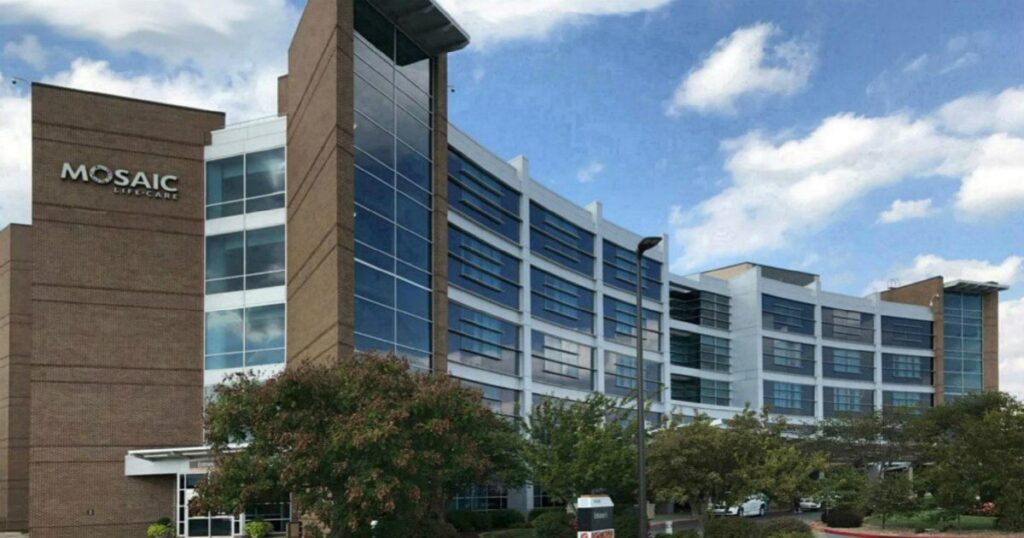
The University of Missouri-Kansas City School of Medicine is a well-established public medical institution founded in 1971, located in Kansas City, Missouri. Operating on an urban campus, UMKC School of Medicine offers both traditional 4-year M.D. programs and an innovative 6-year combined B.A./M.D. program.
Program Duration and Structure
The UMKC School of Medicine offers two distinct pathways:
- Traditional M.D. Program: A 4-year curriculum that begins coursework in January
- B.A./M.D. Combined Program: A 6-year combined bachelor’s/medical degree program
Location and Campus Details
The school operates with campuses in both Kansas City, Missouri (main campus) and St. Joseph, Missouri (regional campus). The Kansas City campus is situated in an urban environment, providing students with exposure to diverse patient populations. The newer St. Joseph campus, which opened its $14.5 million education center in 2025, focuses specifically on rural healthcare training.
Accreditation Status
UMKC School of Medicine holds full accreditation from the Liaison Committee on Medical Education (LCME), the national authority for M.D. programs in the U.S. and Canada. The school received formal notification of full accreditation for eight years in October 2018, with the next comprehensive site visit scheduled for April 2026.
Ranking and Recognition
According to U.S. News & World Report 2024 rankings, UMKC School of Medicine has achieved notable recognition:
- #20 nationally in “Serving Medically Needy Areas”
- #75 in “Most Diverse Medical Schools”
- Tier 3 ranking in both Research and Primary Care categories
- Recognized for excellence in diversity with the Health Professionals Higher Education Excellence in Diversity (HEED) award
Admission Requirements
Academic Prerequisites
Minimum Degree Requirements
Applicants must have earned, or will soon earn, a baccalaureate, master’s, or doctoral degree awarded from a regionally-accredited college or university located in the United States.
Required Courses
UMKC requires completion of the following prerequisite courses with a grade of B or better:
- One semester of biochemistry (upper-level course)
- One semester of genetics
- One semester of cell biology
All prerequisite courses must be completed at a regionally accredited college or university located in the United States.
GPA Requirements
For Missouri and Regional Students (Missouri, Arkansas, Illinois, Kansas, Nebraska, Oklahoma):
- Minimum cumulative undergraduate or graduate GPA of 3.0
- Minimum undergraduate or graduate GPA of 3.0 in AMCAS biology, chemistry, physics and mathematics coursework (BCPM)
For Out-of-State Applicants:
- Minimum cumulative undergraduate or graduate GPA of 3.5
- Minimum AMCAS BCPM GPA of 3.5
The median GPA for admitted students is 3.88, indicating that successful applicants typically perform well above the minimum requirements.
Standardized Testing
MCAT Requirements
- Median MCAT score for admitted students: 511
- For Medical Scholars Program: Minimum combined MCAT score of 495
- Applicants must sit for the MCAT by the end of July to guarantee on-time review
- August MCAT scores will be considered for applicants selected for interviews
Extracurricular Activities & Experience Requirements
UMKC uses an individualized and holistic review process that considers:
- Research experience and scholarly activities
- Clinical exposure and healthcare experiences
- Community service and volunteering
- Leadership experiences
- Diversity of experiences and backgrounds
The school particularly values experiences that demonstrate commitment to serving underserved populations, given their strong mission in this area.
State Residency Preferences
While out-of-state students are welcome to apply, preference and priority consideration is given to:
- In-state students from Missouri
- Regional students from Arkansas, Illinois, Kansas, Nebraska, and Oklahoma
Application Process & Timeline
Application System
UMKC participates in the American Medical College Application Service (AMCAS) for primary applications.
Application Deadlines
- AMCAS Application Deadline: July 1, 2025
- AMCAS Verification Deadline: August 1
- Official Transcripts: Must be received by July 15
- Letters of Recommendation: Must be submitted through AMCAS by August 1
Required Documents
- AMCAS Primary Application
- UMKC Supplemental Application
- Official transcripts (sent directly to AMCAS)
- Letters of Recommendation: Minimum of 3 letters submitted through the AMCAS Letter of Recommendation Service
- Official MCAT scores
Application Fees
The application fee is $50 for UMKC School of Medicine.
Interview Process
The Council on Selection, composed of faculty, administration, and students, screens applications and determines interview invitations. The school uses a holistic review process, and interviews are conducted for selected candidates.
Admission Statistics & Success Rates
Class Size and Application Volume
- First Year Class Size: 121 students
- The school accepts both in-state and out-of-state applicants on a case-by-case basis
Academic Statistics of Admitted Students
- Median GPA: 3.88
- Median MCAT: 511
- Students typically perform significantly above minimum requirements
Match Rate Success
UMKC School of Medicine boasts an impressive nearly 100% match rate, far exceeding the national average. The school’s recent Match Day celebrations showed students securing positions in prestigious residency programs nationwide.
Tuition & Financial Information
Current Tuition Rates
- In-state (Missouri residents): $46,111 per year
- Out-of-state students: $87,965 per year
Financial Aid Options
School of Medicine Scholarships
- Incoming B.A./M.D. Students: $5,000 per semester awards for the first five semesters (total value $25,000) for 15 students in each incoming class, primarily based on high financial need
- Professional-level Students: Multiple $5,000 awards available
- Application Process: Students must complete FAFSA by February 1; scholarship applications open annually from October 1 – March 1
Federal Financial Aid
Students are eligible for federal loan programs and need-based aid through completion of the FAFSA.
Click To See Hundreds Of Consultants Who Can Mentor You:

Curriculum & Program Structure
Program Duration and Structure
Traditional M.D. Program: 4-year curriculum with classes beginning in January
B.A./M.D. Program: 6-year combined program
Educational Philosophy
UMKC’s curriculum leverages patient, peer, and faculty interactions in clinical settings to foster passionate, empathetic future healthcare professionals. The school uses core competencies as the foundation for all educational experiences.
Unique Features
- Docent System: Clinical experience begins from day one through the unique docent team experience where students work with teams of 10-12 students, meeting two hours weekly with a docent at partner hospitals
- Six Hospital Partnerships: The program partners with six area hospitals providing diverse clinical experience
- Advanced Simulation Training: Students participate in cutting-edge simulation-based learning
Pre-Clinical Years
- Fundamentals of Medicine Series (I-IV): Focuses on communication skills, patient-centered interviewing, and professional identity formation
- Human Structure Function Series: Four-course series providing basic science core curriculum
- Interprofessional Learning: Online, asynchronous experience between years 1 and 2
Clinical Training
Clinical rotations are conducted at partner hospitals throughout the Kansas City area and at the St. Joseph campus, providing both urban and rural healthcare exposure.
Special Programs
- Medical Scholars Program: Early admission opportunity for sophomore and junior college students from partner universities
- Rural Medicine Focus: Specialized training through the St. Joseph campus
- Combined Degree Options: B.A./M.D. program available
Pre-Medical Preparation
Undergraduate Program Recommendations
UMKC accepts students from diverse academic backgrounds. While no specific major is required, students must complete the three prerequisite courses with a grade of B or better.
Academic Planning
- Focus on achieving a competitive GPA (median admitted student GPA is 3.88)
- Complete prerequisite courses: biochemistry, genetics, and cell biology
- Maintain strong performance in BCPM coursework
Clinical Experience Requirements
Given UMKC’s mission to serve underserved populations, clinical experiences that demonstrate commitment to vulnerable communities are highly valued.
Research Experience
While not explicitly required, research experience can strengthen applications, particularly given the school’s growing research enterprise.
MCAT Preparation
Plan to take the MCAT by the end of July for on-time review. The median MCAT score for admitted students is 511, indicating the need for strong preparation.
Gap Year Considerations
UMKC’s January start date provides flexibility for students taking gap years or completing additional coursework.
Frequently Asked Questions
Does UMKC School of Medicine look at extracurriculars?
Yes, UMKC uses a holistic review process that considers research experience, clinical exposure, community service, and leadership equally alongside academic metrics.
What is UMKC School of Medicine’s average GPA and MCAT score?
The median GPA for admitted students is 3.88, and the median MCAT score is 511.
How competitive is UMKC School of Medicine compared to other medical schools?
UMKC is moderately competitive, with strong recognition in serving underserved populations and diversity. The school ranks #20 nationally in “Serving Medically Needy Areas.”
Does UMKC School of Medicine prefer in-state applicants?
Yes, preference is given to Missouri residents and regional students from Arkansas, Illinois, Kansas, Nebraska, and Oklahoma, though out-of-state students are accepted case-by-case.
What makes UMKC School of Medicine different from other medical schools?
UMKC’s unique docent system provides clinical experience from day one, and the school has a strong mission focus on serving underserved populations with campuses in both urban and rural settings.
When should I apply to UMKC School of Medicine?
The AMCAS application deadline is July 1, with verification required by August 1. Apply early as applications are reviewed on a rolling basis.
Does UMKC School of Medicine accept international students?
The school requires degrees from regionally-accredited U.S. institutions, which may limit international student eligibility.
What clinical experience do I need for UMKC School of Medicine?
While specific requirements aren’t listed, experiences serving underserved populations align well with the school’s mission and would strengthen applications.
Does UMKC School of Medicine require research experience?
Research experience is not explicitly required but can strengthen applications, especially given the school’s growing research enterprise.
How many letters of recommendation does UMKC School of Medicine require?
A minimum of three letters of recommendation is required, submitted through the AMCAS Letter of Recommendation Service.
What is UMKC School of Medicine’s curriculum like?
The curriculum features early clinical exposure through the docent system, simulation-based learning, and integration of basic sciences with clinical experience from day one.
Where do UMKC School of Medicine graduates match for residency?
UMKC has a nearly 100% match rate with graduates securing positions in prestigious residency programs nationwide.
How much does UMKC School of Medicine cost?
Tuition is $46,111 for in-state students and $87,965 for out-of-state students per year.
What financial aid is available at UMKC School of Medicine?
The school offers various scholarships including $5,000 awards for incoming and continuing students, plus federal aid options.
Does UMKC School of Medicine offer interviews to all qualified applicants?
No, the Council on Selection screens applications and selects candidates for interviews based on holistic review criteria.