Last updated on January 9th, 2026 at 06:29 am
Program Overview & Institution Identity
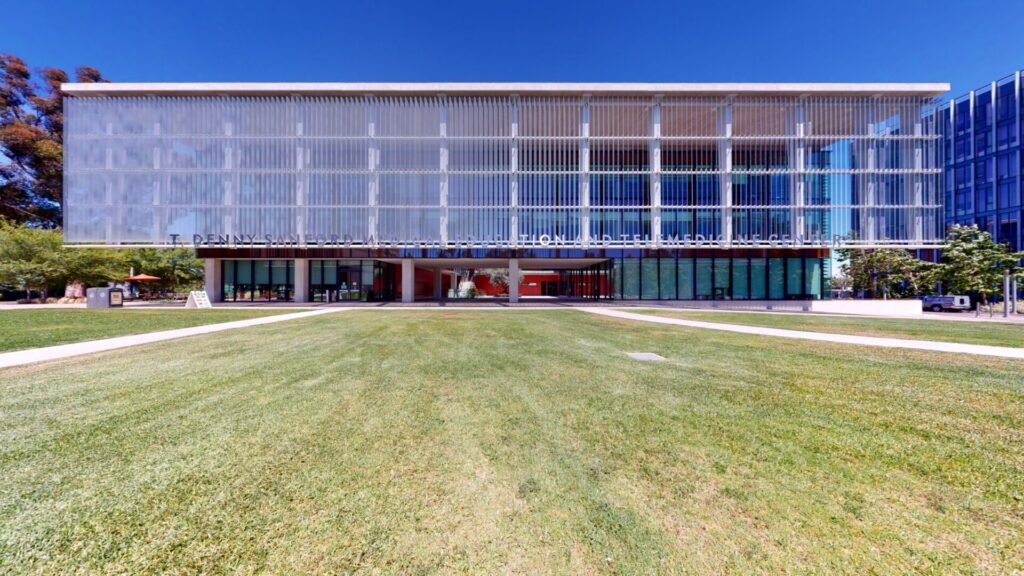
The University of California, San Diego School of Medicine stands as one of California’s premier medical institutions, located in the picturesque coastal city of La Jolla, California. As a public institution situated on a suburban campus, UCSD School of Medicine offers students access to world-class medical education in one of the most desirable locations in the United States.
Program Duration and Structure
UCSD School of Medicine offers a 4-year MD program that follows an innovative Integrated Scientific Curriculum. This comprehensive program combines clinical medicine with medical science, providing students with a robust foundation in both theoretical knowledge and practical application. The program is designed to go beyond the traditional core curriculum, offering extensive opportunities for electives and independent study that foster meaningful interactions with the diverse, multicultural communities of the bi-national San Diego region.
Location and Campus Details
The medical school is situated in La Jolla, California, a coastal community known for its stunning beaches, mild climate, and proximity to major research institutions. The suburban campus provides students with access to UC San Diego Health facilities, including multiple teaching hospitals and clinical sites throughout San Diego County. This strategic location offers students exposure to diverse patient populations and cutting-edge medical technology.
Accreditation and Recognition
UC San Diego School of Medicine holds full accreditation from the Liaison Committee on Medical Education (LCME), ensuring that graduates are eligible to practice medicine throughout the United States. The school consistently ranks among the top medical schools nationally, with US News & World Report ranking it #20 for research in 2024. The institution is particularly renowned for its research funding, consistently ranking first or second in the nation for funding per faculty member.
Distinctive Features
UCSD School of Medicine is distinguished by several unique characteristics:
- Home to the prestigious Ludwig Institute for Cancer Research and Howard Hughes Medical Institute
- Strong emphasis on biomedical research and innovation
- Close proximity to thriving biotechnology companies, offering collaboration opportunities
- PRIME-HEQ (Program in Medical Education – Health Equity) focusing on underserved populations
- Robust research infrastructure with Nobel Prize and Lasker Award recipients on faculty
Admission Requirements
Academic Prerequisites
Minimum Degree Requirements
UCSD School of Medicine requires applicants to complete a minimum of three academic years at an accredited college of arts and sciences, with at least one full year at an accredited 4-year institution in the United States. While the school recommends four years of undergraduate study, students who have attended foreign institutions must complete at least one year of study at a four-year U.S. college prior to applying.
Required Courses
Unlike many medical schools, UCSD does not have strict coursework requirements. However, the following courses are strongly recommended to facilitate application evaluation and prepare students for the MCAT and medical school:
- Biology: One academic year (2 semesters or 3 quarters) of college-level biology
- General Chemistry: One academic year (2 semesters or 3 quarters)
- Organic Chemistry: One academic year (2 semesters or 3 quarters)
- Physics: One academic year (2 semesters or 3 quarters)
- Biochemistry: One term (1 semester or 1 quarter)
- Mathematics: One academic year (2 semesters or 3 quarters) of calculus or statistics
- Laboratory coursework for all courses offering corresponding labs
Important Note: Applicants missing any of these courses will still be considered for admission.
GPA Requirements
While UCSD does not specify a minimum GPA requirement, successful applicants typically demonstrate exceptional academic performance:
- Median GPA: 3.9
- Competitive Range: Most admitted students have GPAs between 3.7-4.0
- California Residents: Minimum 3.0 GPA with no grades below C
- Out-of-State/International: Minimum 3.4 GPA recommended
Standardized Testing
MCAT Requirements
The Medical College Admission Test (MCAT) is required for all applicants:
- Median MCAT Score: 516
- Competitive Range: Most admitted students score between 510-520
- Section Requirements: Strong performance across all sections is expected
- Validity Period: MCAT scores are typically valid for 3 years
- Retake Policy: Multiple attempts are considered, with focus on highest score
Additional Testing
UCSD School of Medicine does not require additional standardized testing beyond the MCAT. The school does not require CASPer or other supplemental assessments.
Citizenship and Eligibility Requirements
UCSD School of Medicine will consider applications from:
- U.S. citizens
- Permanent residents of the U.S. (green card holders)
- DACA recipients
Applicants who do not satisfy one of these three eligibility requirements will not be considered for admission. The school does accept out-of-state Canadian students on a case-by-case basis.
Extracurricular Activities & Experience Requirements
UCSD School of Medicine employs a holistic evaluation process that considers:
- Clinical Experience: Extensive patient care exposure highly valued
- Research Experience: Strong emphasis on research background, particularly in biomedical sciences
- Community Service: Demonstrated commitment to serving diverse populations
- Leadership Experience: Evidence of leadership in various settings
- Volunteer Work: Sustained commitment to community service
- Diversity and Inclusion: Experiences working with underserved populations
Application Process & Timeline
Application System
UCSD School of Medicine participates in the American Medical College Application Service (AMCAS). All applicants must submit their primary application through this centralized system.
Key Deadlines
- AMCAS Primary Application Deadline: October 15, 2025
- Secondary Application Deadline: Typically 30-45 days after receipt of secondary
- Interview Period: October through April
- Final Acceptance Deadline: April 30
Required Documents
Primary Application Components
- Official transcripts from all colleges attended
- MCAT scores (no minimum age requirement)
- Letters of evaluation (specific requirements vary)
- Personal statement
- Work and activities section (up to 15 experiences)
- AMCAS application fee: $170 for first school, $42 for each additional school
Secondary Application
UCSD requires a secondary application for all applicants who meet basic eligibility requirements. The secondary application includes:
- Autobiographical sketch essay (specific prompt provided)
- Additional essays focusing on diversity, research experience, and motivation for medicine
- Secondary application fee: Approximately $120
Letters of Evaluation
UCSD requires letters of evaluation but does not specify a minimum number or specific sources. Recommended letter writers include:
- Science faculty (at least 2-3 letters)
- Non-science faculty (1 letter)
- Clinical supervisors or physicians (1-2 letters)
- Research supervisors (if applicable)
A committee letter from your undergraduate institution is preferred if available, but individual letters are acceptable.
Interview Process
UCSD School of Medicine employs a Multiple Mini Interview (MMI) format:
Interview Structure
- 8-10 stations lasting approximately 7 minutes each
- Diverse scenarios including ethical dilemmas, role-playing, and traditional interview questions
- Standardized format ensuring fairness across all candidates
- Virtual and in-person options available (format varies by year)
Interview Timeline
- Interview invitations: Typically sent October through February
- Interview dates: November through April
- Notification timeline: Rolling admissions decisions
Admission Statistics & Success Rates
Overall Acceptance Rate
UCSD School of Medicine is highly competitive with recent admission statistics showing:
- Acceptance Rate: Approximately 1.6% (152 students admitted from over 9,200 applications)
- Application Volume: Over 9,200 applications received for the 2024 entering class
- Class Size: 152 first-year medical students
Application Volume Trends
Recent application trends show:
- 2024: 9,200+ applications
- 2023: Similar application volume
- Growing competitiveness: Acceptance rate has decreased over recent years
Academic Statistics of Admitted Students
GPA Distribution
- Median GPA: 3.9
- 25th-75th Percentile: 3.7-4.0
- Science GPA: Typically mirrors overall GPA
MCAT Score Distribution
- Median MCAT: 516
- 25th-75th Percentile: 510-520
- Average by section: Balanced performance across all sections expected
Demographics of Admitted Students
UCSD School of Medicine prides itself on diversity:
- Gender Distribution: Approximately 50% male, 50% female
- Underrepresented in Medicine: Approximately 25% of the class
- Geographic Distribution: Primarily California residents with limited out-of-state acceptance
- Age Range: Traditional and non-traditional students welcomed
Waitlist Statistics
- Waitlist size: Several hundred candidates typically waitlisted
- Waitlist acceptance rate: Variable year to year (approximately 10-20%)
- Waitlist movement: Most movement occurs April through August
- Communication: Regular updates provided to waitlisted candidates
Tuition & Financial Information
Current Tuition Rates
2024-2025 Academic Year
- California Residents: $44,575 per year
- Non-Residents: $56,820 per year
- International Students: Non-resident rates apply
Additional Fees and Costs
Beyond tuition, students should budget for:
- Health Insurance: Required for all students (approximately $3,000-4,000)
- Technology Fees: Approximately $500-800 per year
- Laboratory Fees: $500-1,000 per year
- Clinical Supplies: $1,000-2,000 over four years
- Board Examination Fees: $2,000-3,000 total
Total Cost of Attendance
Estimated Annual Costs (California Residents)
- Tuition and Fees: $44,575
- Living Expenses: $25,000-35,000 (varies by housing choice)
- Transportation: $2,000-3,000
- Personal Expenses: $3,000-5,000
- Total Annual Cost: $75,000-85,000
Four-Year Program Total Cost
- California Residents: Approximately $300,000-340,000
- Non-Residents: Approximately $350,000-400,000
Cost of Living in San Diego
San Diego is known for higher-than-average living costs:
- Housing: $1,500-2,500+ per month (varies by location and housing type)
- Food: $400-600 per month
- Transportation: $100-200 per month (public transit available)
- Utilities: $100-200 per month
Financial Aid Options
Federal Financial Aid
- Federal Direct Loans: Available to eligible students
- Graduate PLUS Loans: Additional borrowing for remaining costs
- Work-Study Programs: Limited opportunities available
Institutional Aid
- Merit-based scholarships: Available based on academic excellence and achievements
- Need-based aid: Limited institutional aid available
- Diversity scholarships: Targeted support for underrepresented students
- Research fellowships: Funding available for research-focused students
External Scholarships
Students are encouraged to pursue external funding sources:
- Professional organizations (AMA, specialty societies)
- Community foundations
- Military service programs (HPSP, NHSC)
- State-specific programs
Click To See Hundreds Of Consultants Who Can Mentor You:
Curriculum & Program Structure
Program Duration and Philosophy
The UCSD School of Medicine offers a 4-year MD program built around an Integrated Scientific Curriculum that uniquely combines clinical medicine with medical science from the beginning of medical education. This innovative approach allows students to understand the scientific basis of clinical practice while developing patient care skills.
Educational Philosophy and Teaching Methods
UCSD employs a multi-modal teaching approach:
- Problem-Based Learning (PBL): Small group case discussions
- Team-Based Learning (TBL): Collaborative learning environments
- Traditional Lectures: For foundational science concepts
- Simulation-Based Learning: High-fidelity patient simulators
- Technology Integration: Advanced medical education technology
Pre-Clinical Years (Years 1-2)
Core Curriculum Structure
Year 1 Focus Areas:
- Molecular and Cellular Biology
- Human Anatomy and Embryology
- Physiology and Pathophysiology
- Pharmacology Foundations
- Medical Genetics
- Introduction to Clinical Medicine
Year 2 Focus Areas:
- Pathology and Disease Mechanisms
- Advanced Pharmacology
- Microbiology and Immunology
- Clinical Problem Solving
- Physical Diagnosis Skills
- Medical Ethics and Professionalism
Assessment Methods
- Pass/Fail grading for most courses reduces competitive stress
- Competency-based evaluations ensure skill mastery
- OSCE examinations for clinical skills assessment
- USMLE Step 1 preparation integrated into curriculum
Clinical Training (Years 3-4)
Core Clinical Rotations (Year 3)
Required core rotations include:
- Internal Medicine: 8 weeks
- Surgery: 8 weeks
- Pediatrics: 6 weeks
- Obstetrics and Gynecology: 6 weeks
- Psychiatry: 6 weeks
- Family Medicine: 6 weeks
- Neurology: 4 weeks
Clinical Sites and Partnerships
UCSD medical students train at multiple prestigious hospitals and clinics:
- UC San Diego Medical Center (Hillcrest campus)
- Jacobs Medical Center (La Jolla campus)
- Rady Children’s Hospital
- Veterans Affairs San Diego Healthcare System
- Community-based clinics throughout San Diego County
Elective Opportunities (Year 4)
- 24+ weeks of elective rotations
- Research electives with renowned faculty
- International rotations in multiple countries
- Sub-specialty exploration in all major specialties
- Away rotations at other institutions
- Community service electives
Special Programs and Tracks
Combined Degree Programs
- MD/PhD Program: Intensive research training with NIH funding opportunities
- MD/MPH Program: Public health focus with UCSD’s School of Global Policy and Strategy
PRIME-HEQ Program
The Program in Medical Education – Health Equity (PRIME-HEQ) is designed to train physician leaders who will:
- Address health disparities in underserved communities
- Conduct community-engaged research
- Develop culturally competent care approaches
- Work with Latino, Native American, and other underserved populations
Research Opportunities
UCSD offers exceptional research opportunities:
- Guaranteed research time for interested students
- Summer research programs
- Year-long research fellowships
- International research collaborations
- Clinical research projects
- Basic science research in world-renowned laboratories
Residency Preparation and Match Results
USMLE Performance
UCSD students consistently perform above national averages:
- Step 1: High pass rates with scores above national mean
- Step 2 CK: Excellent performance across all specialties
- Step 2 CS: (When administered) High pass rates
2024 Match Results
UCSD students achieved excellent residency placements:
- Overall Match Rate: >95% of students matched
- Competitive Specialties: Strong representation in dermatology, anesthesiology, radiology, and surgical specialties
- Top Programs: Many students matched at prestigious programs including:
- Harvard/Brigham and Women’s Hospital
- UCLA Medical Center
- Cedars-Sinai Medical Center
- Memorial Sloan Kettering
- UC San Francisco
Popular Specialties for UCSD Graduates
Based on recent match data:
- Anesthesiology: 15+ positions annually
- Internal Medicine: 20+ positions annually
- Radiology: 10+ positions annually
- Surgery and Surgical Subspecialties: 15+ positions annually
- Pediatrics: 10+ positions annually
- Emergency Medicine: 8+ positions annually
Pre-Medical Preparation
Undergraduate Program Recommendations
UCSD School of Medicine welcomes students from diverse academic backgrounds:
Recommended Majors
- Biological Sciences: Traditional preparation but not required
- Physical Sciences: Chemistry, physics, engineering
- Social Sciences: Psychology, sociology, anthropology
- Humanities: English, history, philosophy
- Interdisciplinary Studies: Public health, bioengineering
The admissions committee values academic diversity and does not prefer any specific major, provided students complete recommended coursework and demonstrate strong academic