
Last updated on January 9th, 2026 at 06:29 am
Program Overview & Institution Identity
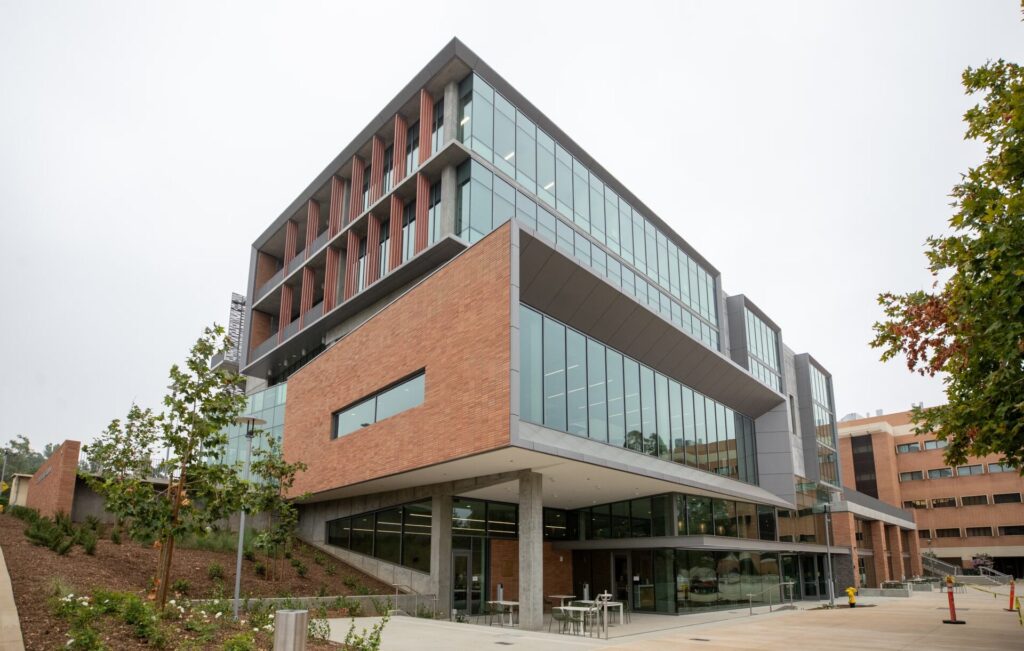
The University of California, Riverside School of Medicine (UCR SOM) stands as a distinctive medical institution dedicated to addressing healthcare disparities in underserved communities. Located in Riverside, California, this public medical school operates on a suburban campus and serves the diverse population of Inland Southern California.
Program Duration and Structure
UCR School of Medicine offers a traditional 4-year MD program designed to prepare physicians specifically for caring for diverse and underserved populations. The program is fully accredited by the Liaison Committee on Medical Education (LCME), ensuring graduates meet the highest standards for medical education.
Location and Campus Details
Situated in Riverside, California, UCR SOM provides students with extensive clinical exposure to a diverse patient population in the Inland Empire region. The suburban campus location offers students unique opportunities to work with medically underserved communities while maintaining access to comprehensive medical training facilities.
Mission and Recognition
The school’s mission centers on increasing the number of physicians serving underserved regions, with a particular focus on Inland Southern California. UCR SOM has established itself as a leader in diversity and social mission, with 90% of students having ties to Inland Southern California and 40% being underrepresented in medicine.
Admission Requirements
Academic Prerequisites
Minimum Degree Requirements
- Bachelor’s degree from a regionally-accredited US institution prior to matriculation
- All undergraduate majors are accepted
- Online bachelor’s degrees are NOT accepted
- Must complete all premedical requirements before beginning medical school (not required at time of application)
Required Courses
UCR School of Medicine requires completion of the following prerequisite courses:
Required Science Core:
- Mathematics: 8 semester hours in calculus and/or statistics
- Physics: 8 semester hours (labs optional)
- General Chemistry, Organic Chemistry, and Biochemistry: 16 semester hours (labs optional)
- Biology: 8 semester hours (labs optional)
Recommended Humanities Core:
The school values broad academic backgrounds and recommends courses in:
- English, writing, composition, logic, or critical thinking
- Culture, ethics, public health, spiritual practices
- Social sciences and the arts
- Foreign language
GPA Requirements
- Median GPA: 3.77 overall
- Average BCPM GPA: 3.66
- The school uses a holistic evaluation approach, considering both academic performance and personal experiences
Standardized Testing Requirements
MCAT Requirements
- Median MCAT Score: 510
- Average MCAT Score: 509
- No specific minimum MCAT score published, but competitive applicants typically score above 505
- MCAT validity period and retake policies follow AAMC guidelines
- All four sections evaluated, with emphasis on balanced performance
Additional Testing
UCR School of Medicine does not require CASPer testing or other additional standardized tests beyond the MCAT.
Extracurricular Activities & Experience Requirements
UCR SOM evaluates applicants holistically, considering:
- Clinical experience with diverse and underserved populations
- Community service and volunteer work
- Research experience (not required but valued)
- Leadership roles and activities
- Cultural competency and understanding of underserved communities
- Evidence of commitment to the school’s mission of serving underserved populations
Residency and Citizenship Requirements
- Must be a US citizen, permanent resident, DACA recipient, or eligible to enroll under California AB540
- International students are NOT accepted
- Out-of-state applicants considered on a case-by-case basis, with preference for those with strong ties to California communities
- Strong preference for California residents, especially those connected to Inland Southern California
Application Process & Timeline
Application System
All applications must be submitted through the American Medical College Application Service (AMCAS).
Key Dates and Deadlines
- Application window opens: May 28, 2025
- Primary application deadline: October 15, 2025
- Letters of recommendation deadline: November 1, 2025
- Transcript deadline: November 1, 2025
- Secondary applications: Sent July through November 2025
- Interviews: September 2025 through March 2026
Required Documents
- Complete AMCAS application
- Official transcripts from all institutions attended
- Letters of recommendation (specific number not specified, follow AMCAS guidelines)
- Personal statement
- Work and activities descriptions
- Secondary application (by invitation only)
Application Fees
Current AMCAS fees plus school-specific secondary application fees apply.
Interview Process
UCR School of Medicine uses the Multiple Mini-Interview (MMI) format:
- Duration: Approximately 3 hours
- Format: Series of interview stations with 2-minute reading time and 6-minute interviews at each station
- Evaluation: Assesses verbal and non-verbal communication skills, readiness for medical school
- Schedule: Held on selected Tuesdays, Thursdays, and Saturdays
- Selection: Only interviewed candidates can be considered for admission
Admission Statistics & Success Rates
Overall Statistics (Class of 2029)
- Total Applicants: 6,508
- Total Enrolled: 90 students
- Acceptance Rate: Approximately 1.4% (highly competitive)
- Class Size: 87 first-year students
Demographics of Admitted Students
- Age Range: 21-30 years old
- Gender Distribution: 35 men / 51 women / 4 no response
- 51% from economically disadvantaged backgrounds
- 40% first-generation college students
- 32% English as a Second Language
- 60% grew up in medically underserved regions
- 90% have ties to Inland Southern California
- 40% underrepresented in medicine
Academic Profile of Admitted Students
- Average MCAT: 509
- Median MCAT: 510
- Average BCPM GPA: 3.66
- Median Overall GPA: 3.77
Comparison with National Averages
UCR School of Medicine is significantly more competitive than national averages, with acceptance rates well below the national average for medical schools. The school’s focus on diversity and mission-fit candidates sets it apart from traditional metrics-focused institutions.
Tuition & Financial Information
Current Tuition Rates
- In-state (California residents): $41,106 per year
- Out-of-state: $53,351 per year
- International students: Not accepted
Total Cost of Attendance
The total cost includes tuition, fees, and estimated living expenses in Riverside, CA. Students should budget for additional costs including:
- Technology and laboratory fees
- Health insurance
- Living expenses in Riverside
- Transportation costs
- Clinical rotation expenses
Financial Aid Options
Merit-Based Scholarships
- Dean’s Mission Scholarship – Merit Program: Up to 100% of mandatory tuition and fees (~$40,000) or 50% coverage ($20,000) for first and second years
- Founders Scholarship Award: For heavily recruited applicants
- Professional Fee Offset Grant: Need-based assistance for professional school fees
Service-Based Awards
- Dean’s Mission Award – Service Program: Covers required university fees for third and fourth year students with service commitment
- IEHP Dean’s Mission Award: Up to $47,000 annually for all four years with commitment to practice in underserved communities
Additional Financial Support
- Federal loan programs
- Work-study opportunities
- External scholarship opportunities
- Need-based aid programs
Living Expenses
Riverside offers a relatively affordable cost of living compared to other California medical school locations, with various housing options near campus.
Curriculum & Program Structure
Program Duration and Structure
UCR School of Medicine follows a traditional 4-year MD program structure:
Years 1-2: Pre-Clinical Education
- 5 instructional blocks in first year focusing on integrated human biological systems
- 4 instructional blocks in second year focusing on disease processes
- Small group learning, laboratories, conferences, and clinical skills workshops
- Case-based learning approach
- Longitudinal Ambulatory Care Experience: 3-year program beginning in Year 1
Years 3-4: Clinical Training
Third Year Core Rotations:
- Internal Medicine
- Surgery
- Family Medicine
- Pediatrics
- Obstetrics-Gynecology
- Psychiatry
- Neurology
- Emergency Medicine
Fourth Year Requirements:
- Two core selectives in critical care medicine
- Sub-internship
- Five one-month elective experiences
- Radiology course
- Transition to residency course
Educational Philosophy
- Integrated curriculum combining basic sciences with clinical applications
- Case-based learning in small group settings
- Community-focused training with emphasis on underserved populations
- Cultural competency development throughout the program
- Early clinical exposure through longitudinal experiences
Clinical Training Sites
Students complete rotations at medical centers and hospitals throughout Inland Southern California, providing exposure to diverse patient populations and healthcare settings.
Special Programs
- Program in Medical Education (PRIME): Focused on African, Black, and Caribbean communities
- Combined degree options may be available (specific programs not detailed)
- Research opportunities throughout the curriculum
Residency Preparation and Match Rates
UCR School of Medicine graduates have strong residency match rates, with many staying in California to serve the state’s healthcare needs. The school provides comprehensive support for residency applications and career planning through the Office of Career & Residency Advising.
Click To See Hundreds Of Consultants Who Can Mentor You:
Pre-Medical Preparation
Undergraduate Program Recommendations
- All majors welcome: UCR SOM accepts students from diverse academic backgrounds
- Broad academic preparation: Including humanities, social sciences, and arts
- Strong foundation in required science courses
- Cultural competency development through coursework and experiences
Academic Planning
- Complete prerequisite courses with strong performance
- Maintain competitive GPA (target 3.7+ to be competitive)
- Consider taking additional courses in ethics, public health, or cultural studies
- Plan coursework to demonstrate commitment to serving underserved populations
Clinical Experience Requirements
- Diverse clinical exposure: Particularly with underserved populations
- Quality over quantity: Meaningful experiences that demonstrate understanding of healthcare disparities
- Community clinic experience: Highly valued given the school’s mission
- Rural or underserved area exposure: Particularly relevant for California communities
Research Experience
While not required, research experience is valued:
- Basic science research: Demonstrates scientific thinking
- Clinical research: Shows understanding of evidence-based medicine
- Public health research: Aligns with school’s community focus
- Health disparities research: Particularly relevant to mission
Extracurricular Planning
- Community service: Long-term commitment to underserved communities
- Leadership roles: Demonstrating ability to create positive change
- Cultural competency: Activities showing understanding of diverse populations
- Language skills: Spanish or other languages relevant to California demographics
MCAT Preparation
- Target score of 510+ to be competitive
- Balanced performance across all sections
- Consider retaking if below 505
- Strong preparation in biochemistry, biology, chemistry, and physics
Frequently Asked Questions
Does UC Riverside School of Medicine look at extracurriculars?
Yes, UCR SOM uses a holistic evaluation approach that heavily weighs extracurricular activities, particularly those demonstrating commitment to serving underserved communities and cultural competency.
What is UC Riverside School of Medicine’s average GPA and MCAT score?
The median GPA is 3.77 overall with an average BCPM GPA of 3.66. The median MCAT score is 510 with an average of 509.
How competitive is UC Riverside School of Medicine?
UCR SOM is highly competitive with an acceptance rate of approximately 1.4% (90 enrolled out of 6,508 applicants), making it one of the most selective medical schools in California.
Does UC Riverside School of Medicine prefer in-state applicants?
Yes, strong preference is given to California residents, with 90% of students having ties to Inland Southern California. Out-of-state applicants are considered on a case-by-case basis and must demonstrate strong connections to California communities.
What makes UC Riverside School of Medicine different from other medical schools?
UCR SOM’s unique mission focuses specifically on training physicians to serve underserved communities, with emphasis on cultural competency, diversity, and community engagement. The school has exceptional diversity statistics and community partnerships.
When should I apply to UC Riverside School of Medicine?
Submit your AMCAS application early in the cycle (opens May 28, 2025) with a deadline of October 15, 2025. Early submission is recommended for competitive consideration.
Does UC Riverside School of Medicine accept international students?
No, UCR SOM does not accept international students. Applicants must be US citizens, permanent residents, DACA recipients, or eligible under California AB540.
What clinical experience do I need for UC Riverside School of Medicine?
While specific requirements aren’t mandated, meaningful clinical experience with diverse and underserved populations is highly valued and essential for demonstrating mission alignment.
Does UC Riverside School of Medicine require research experience?
Research is not required but is valued, especially research focused on health disparities, public health, or community health issues relevant to the school’s mission.
How many letters of recommendation does UC Riverside School of Medicine require?
Follow standard AMCAS guidelines for letters of recommendation. The school does not specify exact requirements but expects strong letters from appropriate sources.
What is UC Riverside School of Medicine’s curriculum like?
The curriculum features integrated, case-based learning with early clinical exposure through the Longitudinal Ambulatory Care Experience beginning in Year 1, emphasizing preparation for serving diverse populations.
Where do UC Riverside School of Medicine graduates match for residency?
UCR SOM graduates have strong match rates, with many staying in California to serve the state’s healthcare needs. The school provides comprehensive residency preparation support.
How much does UC Riverside School of Medicine cost?
Tuition is $41,106 for in-state residents and $53,351 for out-of-state residents, with additional fees and living expenses.
What financial aid is available at UC Riverside School of Medicine?
Multiple scholarship opportunities including the Dean’s Mission Scholarship (up to 100% tuition coverage), service-based awards, need-based grants, and federal loan programs.
Does UC Riverside School of Medicine offer interviews to all qualified applicants?
No, interviews are by invitation only based on complete application review. Only interviewed candidates can be considered for admission, with interviews using the Multiple Mini-Interview format.