Last updated on January 9th, 2026 at 06:29 am
Program Overview & Institution Identity
Official Program Name
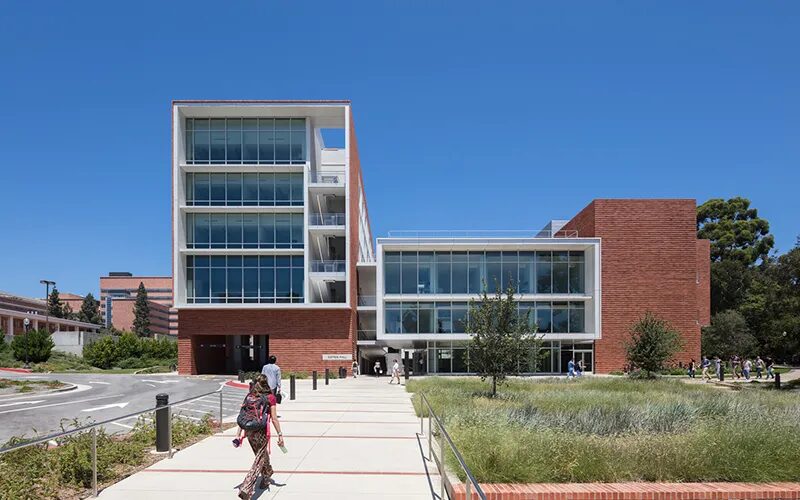
The University of California, Los Angeles David Geffen School of Medicine (DGSOM at UCLA) is one of the most prestigious medical schools in the United States, consistently ranked among the top medical institutions nationally.
Program Duration and Structure
UCLA Medical School offers a traditional 4-year MD program with their innovative HEALS curriculum (Healer, Educator, Advocate, Leader, Scholar). This dynamic educational program is designed to train the next generation of physicians and evolves along with changes in science and medicine.
Location and Campus Details
Located in Los Angeles, California, UCLA Medical School operates on an urban campus in one of the most diverse cities in the world. The school provides students access to world-class medical facilities and training opportunities throughout the greater Los Angeles area.
Accreditation Status
DGSOM at UCLA is fully accredited by the Liaison Committee on Medical Education (LCME), ensuring graduates meet the highest standards for medical education and are eligible for residency training nationwide.
Ranking and Recognition
- US News & World Report: Ranked #19 for research (as of recent rankings)
- Recognized as the “youngest top medical school in the nation”
- Known for its groundbreaking curriculum and commitment to community engagement
- High residency match rate of 98.8%
Unique Features
- HEALS Curriculum: Revolutionary educational approach focusing on five key areas
- Discovery Year: Third-year students receive protected time for scholarly research
- Diverse Combined Degrees: MD/MPH, MD/MBA, and MD/PhD programs available
- Leaders of Tomorrow Scholarship Program: Full-tuition scholarships for select students
- Strong emphasis on structural racism and health equity education
Admission Requirements
Academic Prerequisites
Minimum Degree Requirements
- Bachelor’s degree from a US or Canadian institution with minimum 3 years of undergraduate coursework
- Graduate degree from a US or Canadian institution also acceptable
Required Courses
Based on traditional medical school prerequisites, UCLA requires:
- One year of Biology with lab: Including general biology, genetics, or cell/molecular biology
- One year of Chemistry with lab: Both general/inorganic chemistry and organic chemistry
- One semester of Biochemistry
- One year of Physics with lab
- One year of English composition: Core writing courses or writing-intensive courses
- One year of college mathematics: Including statistics and/or calculus
- Additional coursework in Social Sciences and/or Humanities: Psychology, sociology, anthropology recommended
GPA Requirements
- Median GPA: 3.86 for admitted students
- While no specific minimum is published, successful applicants typically have competitive GPAs well above 3.5
- Both overall GPA and science GPA are considered in holistic evaluation
Standardized Testing
MCAT Requirements
- Required: MCAT scores are mandatory for all applicants
- Median MCAT Score: 515 for admitted students (approximately 94th percentile)
- Validity Period: MCAT scores must be from within the past 3 years
- Competitive Range: Most successful applicants score above 510
Additional Testing Requirements
- AAMC PREview Exam: Required for Traditional MD Program Track applicants beginning 2023 cycle
- PREview Score Deadline: November 20, 2025 for 2025-2026 application cycle
- Exception: PRIME-LA and MSTP tracks don’t require PREview unless applying for dual consideration with Traditional MD
Extracurricular Activities & Experience Requirements
UCLA uses a holistic review process that evaluates:
- Clinical Experience: Shadowing, volunteering in healthcare settings, patient interaction
- Research Experience: Basic science, clinical, or translational research with faculty mentorship
- Community Service: Demonstrated commitment to serving others and addressing community needs
- Leadership: Roles in organizations, projects, or initiatives showing leadership skills
- Diversity of Experiences: Unique backgrounds, perspectives, and experiences valued
Residency and Citizenship Requirements
DGSOM considers applications from:
- U.S. citizens
- Permanent residents
- DACA recipients
- California residents
Note: International students without permanent residency are generally not considered for the Traditional MD program.
Application Process & Timeline
Application System
- Primary Application: AMCAS (American Medical College Application Service)
- Application Deadline: October 1, 2025
- Early Application Recommended: Rolling admissions process favors early submissions
Secondary Application
- Invitation: Selected applicants receive secondary application invitations
- Fee: $100 secondary application fee
- Timeline: Must be completed within 2 weeks of invitation
- FAP Waiver: Full fee waiver available for FAFSA recipients
Required Documents
- Transcripts: All undergraduate and graduate transcripts through AMCAS
- Letters of Recommendation: Submitted through AMCAS (specific number requirements vary)
- Personal Statement: Through AMCAS primary application
- Secondary Essays: School-specific prompts focusing on UCLA’s mission
Secondary Essay Prompts
Recent prompts include:
- Outstanding Physician mission and personal goals (800 characters)
- Leadership, entrepreneurial, or creative activities (800 characters)
- Most important volunteer work (800 characters)
- Most scholarly project details (800 characters)
- COVID-19 pandemic impact (800 characters)
- Gap year activities if applicable (800 characters)
- Optional diversity and marginalization essay (800 words)
Interview Process
- Format: Multiple Mini Interview (MMI) or traditional panel format
- Invitation Timeline: Rolling basis from fall through spring
- Virtual Options: Available depending on circumstances
- Post-Interview: Decisions communicated on rolling basis
Admission Statistics & Success Rates
Overall Acceptance Rate
- Extremely Competitive: Acceptance rate approximately 2.8% (under 3%)
- Application Volume: Receives over 10,000+ applications annually
- Class Size: 177 students admitted per year
Academic Statistics of Admitted Students
- Median GPA: 3.86
- Median MCAT: 515 (94th percentile)
- Competitive Ranges: Most admitted students fall in top 10% of national applicant pool
Geographic Distribution
- In-State Preference: Strong preference for California residents at this public institution
- Out-of-State: Accepts exceptional out-of-state candidates
- International: Very limited acceptance of international students
Demographics and Diversity
UCLA emphasizes diversity and seeks students from various:
- Academic backgrounds (STEM and non-STEM majors)
- Socioeconomic backgrounds
- Ethnic and racial backgrounds
- Geographic regions
- Life experiences and perspectives
Waitlist Statistics
- Rolling Admissions: Decisions made throughout the cycle
- Waitlist Process: Students may be placed on waitlist and considered for admission through summer
- Communication: Regular updates provided to waitlisted applicants
Tuition & Financial Information
Current Tuition Rates by Residency Status
- In-State Tuition: $44,848 per year for California residents
- Out-of-State Tuition: $57,093 per year for non-California residents
- International Students: Same as out-of-state rates
Additional Fees and Costs
- Student Services Fee: Additional fees for technology, health services, and student activities
- Living Expenses: Los Angeles cost of living is above national average
- Clinical Fees: Laboratory fees, equipment costs, and clinical rotation expenses
- Health Insurance: Required for all students
Total Cost of Attendance (Estimated Annual)
- In-State Total: Approximately $70,000-80,000 including living expenses
- Out-of-State Total: Approximately $85,000-95,000 including living expenses
- Four-Year Total Program Cost: $280,000-380,000 depending on residency status
Financial Aid Options
Merit-Based Scholarships
- Leaders of Tomorrow Scholars Program: Full tuition coverage plus $5,000 research stipend
- UCLA Philanthropic Scholarships: Various amounts based on donor criteria
- L.A. Care Scholarships: Full-ride scholarships for students committed to serving vulnerable populations
Need-Based Financial Aid
- “1 and Done” Policy: Financial need analysis performed once during first year
- FAFSA Required: Federal financial aid eligibility determination
- Institutional Grants: UCLA-specific need-based assistance
Loan Programs
- Federal Direct Loans: Subsidized and unsubsidized options
- Grad PLUS Loans: Additional federal lending
- HRSA LDS Program: Loans for disadvantaged students
- Private Loans: Alternative lending options
Living Expenses in Los Angeles
- Housing: On-campus and off-campus options vary widely in cost
- Transportation: Public transit available, many students use cars
- Personal Expenses: Diverse entertainment and cultural options in LA area
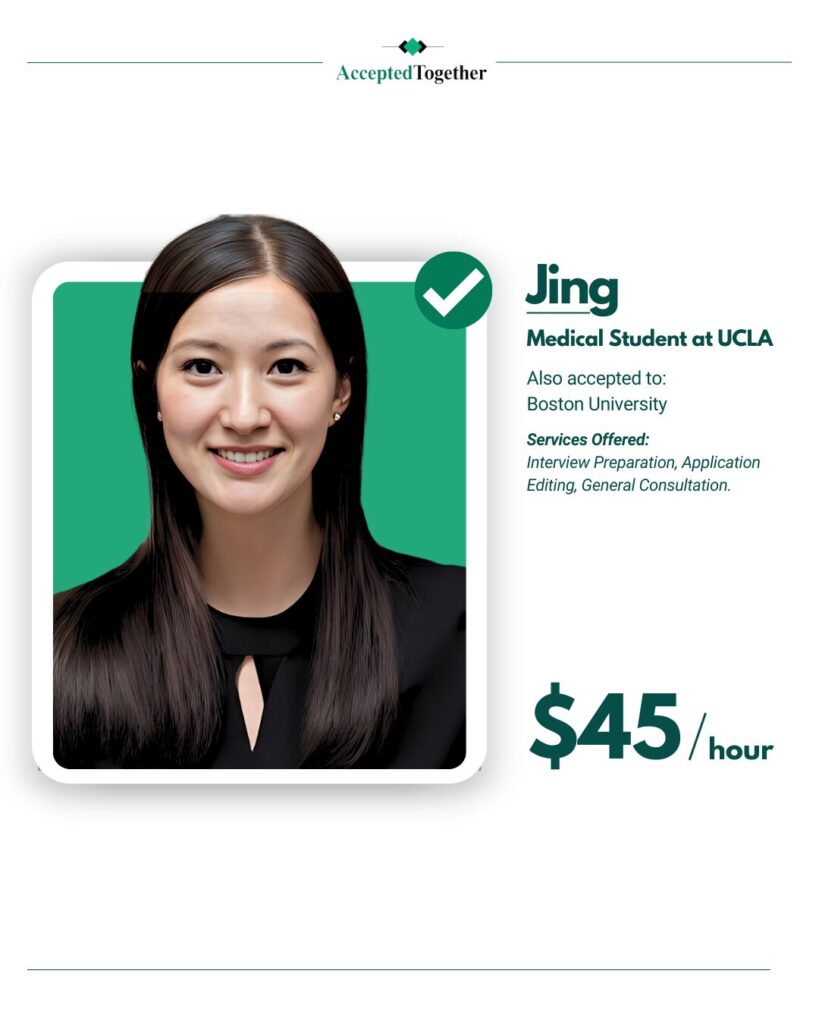
Click To See Hundreds Of Consultants Who Can Mentor You:
Curriculum & Program Structure
HEALS Curriculum Overview
The innovative HEALS Curriculum (Healer, Educator, Advocate, Leader, Scholar) represents a revolutionary approach to medical education designed to:
- Train physicians who are leaders and change agents
- Integrate emerging areas like structural racism and health equity
- Provide flexibility for evolving medical knowledge
- Emphasize interprofessional education and collaboration
Four-Year Program Structure
Year 1 (MS1): Foundations
Focus: Case-based learning and early clinical experiences
Core Courses:
- Base Camp: Pre-matriculation preparation covering social determinants of health, ethics, basic clinical skills
- Scientific Foundations of Medicine: Anatomy, physiology, biochemistry, pharmacology, genetics, microbiology, immunology
- Foundations of Practice: Clinical skills, communication, patient interaction
- Early Authentic Clinical Experience: Real patient encounters from first year
- Structural Racism & Health Equity: Addressing systemic healthcare disparities
- Ethics & Humanities: Professional development and ethical reasoning
Year 2 (MS2): Integration and Assessment
Focus: Advanced pre-clinical learning with continued integration
- Continuation of foundational sciences
- Advanced clinical skills training
- Preparation for clinical rotations
- Board exam preparation
Year 3 (MS3): DGSOM Discovery and Clinical Experience
Unique Feature: DGSOM Discovery – protected time for scholarly work
Discovery Areas of Concentration (AoCs):
- Basic, Clinical, and Translational Research
- Global Health
- Social Science and Medical Humanities
- Innovation and Entrepreneurship
- Public Health and Policy
- Medical Education
- Clinical Care and Quality Improvement
- Community Engagement and Health Equity
Clinical Components:
- Core clerkship rotations
- Longitudinal Clinical Experience: Ongoing patient care responsibilities
Year 4 (MS4): Advanced Clinical Training
Requirements:
- 30 weeks of electives (24 clinical, 6 research/other)
- Residency interview period
- Capstone Course: Preparation for intern year
- Match Day: Residency placement celebration
Special Programs and Tracks
Combined Degree Options
- MD/PhD Program (MSTP): Partnership with Caltech, 8-year program, ~15 students annually
- MD/MPH: Master of Public Health integration
- MD/MBA: Business administration focus
Specialized Tracks
- PRIME-LA: 5-year program focusing on underserved communities, ~18 students annually
- UCLA/Charles R. Drew Program: Joint 4-year MD program, 24 students annually, focus on health equity
- Urban Health Equity Pathway: Optional concentration
- Global Health Equity Pathway: International focus option
Clinical Training and Affiliations
UCLA medical students train at premier healthcare facilities including:
- UCLA Medical Center
- Cedars-Sinai Medical Center
- Veterans Affairs Medical Centers
- Harbor-UCLA Medical Center
- Community clinics throughout Los Angeles
Residency Preparation and Match Results
- Match Rate: 98.8% of graduates match into residency programs
- Match List 2024-2025: Students matched at top institutions nationwide including:
- Stanford Health Care
- UCSF Medical Center
- Massachusetts General Hospital
- UCLA Medical Center
- Cedars-Sinai Medical Center
Popular Specialties: Internal Medicine, Anesthesiology, Emergency Medicine, Surgery, Psychiatry, Pediatrics, and many others
Pre-Medical Preparation
Undergraduate Program Recommendations
- Major Flexibility: DGSOM accepts students from all academic backgrounds
- STEM Majors: Biology, chemistry, physics, engineering
- Non-STEM Majors: Humanities, social sciences, arts – equally valued
- Diverse Perspectives: Unique academic backgrounds can strengthen applications
Academic Planning Strategy
- Early Planning: Begin prerequisite courses in freshman/sophomore years
- GPA Optimization: Maintain strong academic performance throughout college
- Course Sequencing: Plan prerequisites to allow for MCAT preparation
- Study Abroad: International experiences valued but plan carefully around requirements
Clinical Experience Development
Essential Components:
- Shadowing: Observe physicians in multiple specialties and settings
- Volunteering: Hospital, clinic, or community health organizations
- Clinical Employment: Medical scribe, EMT, medical assistant roles
- Patient Interaction: Direct patient care experience preferred
Quality vs. Quantity: UCLA values meaningful, sustained engagement over brief exposures
Research Experience Building
Types of Research Valued:
- Basic Science: Laboratory research in fundamental sciences
- Clinical Research: Patient-oriented studies and trials
- Translational Research: Bench-to-bedside applications
- Public Health Research: Population health and policy studies
- Medical Humanities: Interdisciplinary approaches to healthcare
Getting Started:
- Approach faculty early in undergraduate career
- Seek mentorship and sustained research relationships
- Present findings at conferences when possible
- Consider publication opportunities
Extracurricular and Leadership Development
Leadership Opportunities:
- Student government and organization leadership
- Community service project leadership
- Research project management
- Peer tutoring and mentoring
Community Service Focus:
- Healthcare-related community service
- Addressing social determinants of health
- Working with underserved populations
- Long-term commitment preferred over short-term activities
Standardized Test Preparation
MCAT Preparation Strategy
- Timeline: Begin preparation 6-12 months before test date
- Target Score: Aim for 515+ to be competitive
- Preparation Resources: AAMC official materials, prep courses, practice tests
- Retake Consideration: Only if initial score is significantly below competitive range
PREview Exam Preparation
- New Requirement: Mandatory for Traditional MD applicants
- Deadline: November 20, 2025 for 2025-2026 cycle
- Content: Professional readiness assessment
- Preparation: Review AAMC resources and practice materials
Gap Year Planning
When Gap Years Are Beneficial:
- Strengthening weak application components
- Gaining additional clinical or research experience
- Completing additional coursework
- Personal or family circumstances
Productive Gap Year Activities:
- Research positions or technician roles
- Clinical work (EMT, medical scribe, etc.)
- Public health or non-profit work
- Graduate coursework or post-baccalaureate programs
- International service or clinical work
Application Timeline Planning
Junior Year:
- Complete prerequisite courses
- Take MCAT (spring preferred)
- Develop research and clinical experiences
- Build relationships with potential recommenders
Senior Year/Gap Year:
- Submit AMCAS application (early June)
- Complete secondary applications promptly
- Interview preparation and completion
- Continue meaningful activities
Frequently Asked Questions
Does UCLA David Geffen School of Medicine look at extracurriculars?
Yes, UCLA uses a holistic review process that heavily emphasizes extracurricular activities. The school values clinical experience, research involvement, community service, leadership roles, and unique life experiences. These activities demonstrate your commitment to medicine and your ability to contribute to the UCLA community.
What is UCLA David Geffen School of Medicine’s average GPA and MCAT score?
Median GPA: 3.86
Median MCAT: 515 (94th percentile)
These are highly competitive statistics, and successful applicants typically fall in the top 10% of national medical school applicants.
How competitive is UCLA David Geffen School of Medicine compared to other medical schools?
UCLA Medical School is extremely competitive with an acceptance rate of approximately 2.8% (under 3%). It ranks among the most selective medical schools in the United States, comparable to other top-tier institutions like Harvard, Johns Hopkins, and UCSF.
Does UCLA David Geffen School of Medicine prefer in-state applicants?
Yes, as a public institution, UCLA gives strong preference to California residents. However, exceptional out-of-state candidates are accepted. International students have very limited opportunities for