Last updated on January 9th, 2026 at 06:30 am
Program Overview & Institution Identity
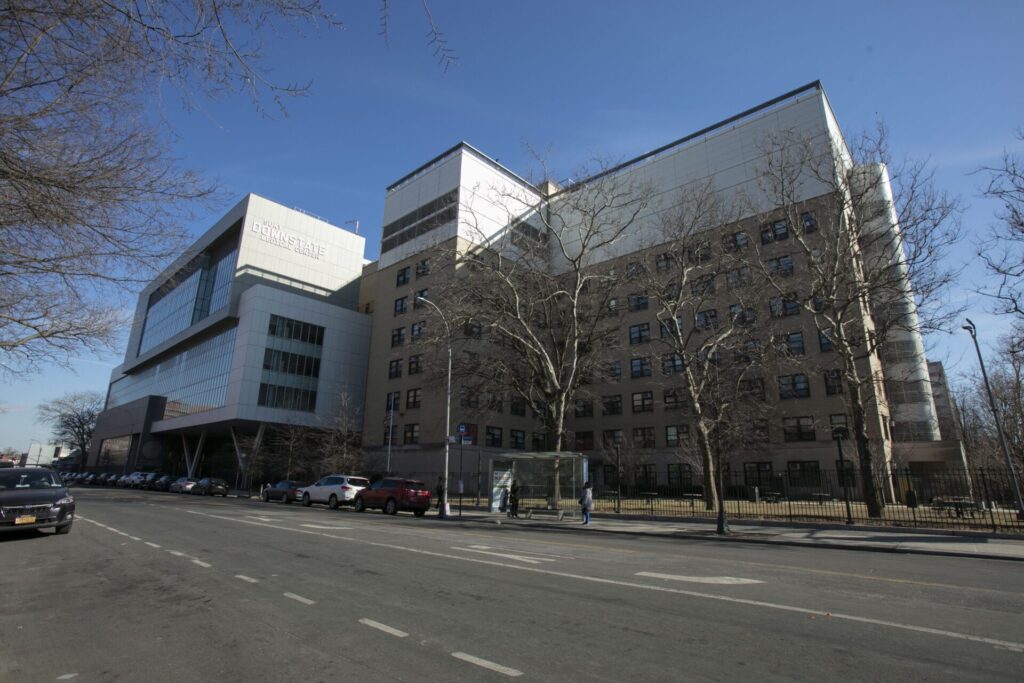
SUNY Downstate Health Sciences University College of Medicine stands as New York State’s only academic health sciences university dedicated exclusively to health education, research, and patient care serving Brooklyn’s 2.6 million residents. Located on an urban campus in central Brooklyn, this institution represents a unique blend of academic excellence and urban healthcare commitment.
Program Duration and Structure
The College of Medicine offers a traditional 4-year MD program designed to graduate excellent physicians prepared for various career paths, including general practice, specialty medicine, research, medical administration, and academic medicine. The comprehensive educational experience ensures students receive the foundational knowledge necessary for medical practice regardless of their ultimate specialization goals.
Location and Campus Details
Situated in Brooklyn, New York, SUNY Downstate operates as the seventh-largest county equivalent in the United States. The urban campus includes:
- College of Medicine
- College of Nursing
- College of Health Professions
- School of Graduate Studies
- School of Public Health
- University Hospital of Brooklyn (UHB)
The University Hospital of Brooklyn operates 24/7 and maintains several satellite health centers throughout the community, providing extensive clinical training opportunities for medical students.
Accreditation and Recognition
SUNY Downstate College of Medicine maintains full accreditation through the Liaison Committee on Medical Education (LCME), ensuring graduates are eligible for medical licensure and residency training throughout the United States. The school’s commitment to serving urban, underserved populations distinguishes it from many other medical institutions.
Combined Degree Programs
The school offers several combined degree options:
- BS/MD Program: 15 positions reserved for students in the partnership with Brooklyn College
- MD/MPH Program: For students interested in public health integration
- Early assurance programs with Queens College and College of Staten Island (5 positions reserved)
Admission Requirements
Academic Prerequisites
Minimum Degree Requirements
Applicants must complete at least 90 semester credits from regionally accredited institutions recognized by:
- Middle States Commission on Higher Education (MSCHE)
- New England Commission on Higher Education (NECHE)
- Higher Learning Commission (HLC)
- Northwest Commission on Colleges and Universities (NWCCU)
- Southern Association of Colleges and Schools Commission on Colleges (SACSCOC)
- Western Association of Schools and Colleges (WASC)
- Accrediting Commission for Community and Junior Colleges (ACCJC)
A baccalaureate degree in any discipline is required from an accredited institution.
Required Prerequisite Courses
Based on the research, SUNY Downstate requires the following prerequisite courses:
- Biology: 8 semester credits with laboratory
- General/Inorganic Chemistry: 8 semester credits with laboratory
- Physics: 8 semester credits with laboratory
- English: 6 semester credits
Strongly Recommended Additional Courses:
- Biochemistry
- Statistics or Biostatistics
- Anatomy, Physiology, Cell Biology, Genetics, Neuroscience
- Social Sciences and Psychology
- Humanities courses
Grade Requirements: A minimum grade of C or better is required in all prerequisite coursework.
GPA Requirements
- Median GPA: 3.84 for accepted students
- Competitive Range: Students typically need a GPA of 3.5 or higher to be competitive
- The school calculates both science GPA and overall GPA during evaluation
- While no absolute minimum is published, successful applicants generally have GPAs well above 3.7
Standardized Testing
MCAT Requirements
- Required: MCAT scores must be from within three years of anticipated enrollment
- Median MCAT: 514 for accepted students
- Competitive Range: Students scoring below 510 face long odds for admission
- Component Evaluation: Each MCAT section score is evaluated individually
- Retakes: Accepted, though multiple retakes may require explanation
Additional Requirements and Preferences
Residency Preferences
- Strong preference given to New York State residents
- Out-of-state acceptance rate: Approximately 0.7%
- In-state acceptance rate: Approximately 7.4%
- Out-of-state applicants are accepted but face significantly higher competition
International Applicants
- Canadian citizens are considered international applicants
- No financial aid available for international students
- Applications reviewed only after U.S. citizens and permanent residents
- The entering class has been filled before international application review for over 22 years
Prerequisites Completion Preferences
- Preference for prerequisite courses completed at four-year U.S. institutions
- Traditional classroom settings preferred over distance learning for science prerequisites
- Study abroad programs not preferred for prerequisite completion
Application Process & Timeline
Application System
SUNY Downstate participates in the American Medical College Application Service (AMCAS). The AMCAS application becomes available in May, with early completion strongly recommended before September 1.
2025-2026 Application Timeline
| Date | Requirement |
|---|---|
| June 1, 2025 | AMCAS application available |
| August 1, 2025 | Early Decision application deadline |
| August 14, 2025 | Early Decision completed application deadline |
| December 1, 2025 | Regular application deadline (AMCAS) |
| January 3, 2026 | Final completed application deadline (12 noon) |
| Early February 2026 | Acceptance letters issued |
| April 15, 2026 | Maximum 3 acceptances allowed per AMCAS rules |
| April 30, 2026 | Deposit deadline |
Required Documents
- AMCAS Application: Primary application through AAMC
- Official Transcripts: From all colleges/universities attended (submitted through AMCAS)
- SUNY Downstate Supplemental Application: Required for all applicants
- Letters of Recommendation: Either a premedical committee letter or letters from two faculty members
- MCAT Scores: Must be current within three years
Supplemental Application
All applicants receive an electronic supplemental application invitation once their verified AMCAS application is received. Completion and payment of processing fees should occur as soon as possible after receiving the invitation.
Interview Process
Interviews are by invitation only. The admissions committee uses a holistic review process considering:
- Academic performance and standardized test scores
- Communication skills and character
- Evidence of altruism through community service
- Health-related experiences
- Clear motivation for medical career
- Life experiences and challenges overcome
Admission Statistics & Success Rates
Overall Competitiveness
- Applications Received: 6,596 for the 2025 entering class
- Students Matriculated: 201
- Overall Acceptance Rate: Approximately 3.05%
Residency-Based Acceptance Rates
- New York State Residents: ~7.4% acceptance rate
- Out-of-State Applicants: ~0.7% acceptance rate
Class Demographics (2024 Entering Class)
- Gender Distribution: 41% Male, 59% Female
- Average Age: 24 years old
- Undergraduate Colleges Represented: 79
Academic Statistics
- Median MCAT: 514
- Median GPA: 3.84
- Geographic Distribution: Students from 15+ states typically represented
State Representation (Recent Classes)
Students have come from: California, Connecticut, Florida, Georgia, Illinois, Maryland, Massachusetts, Michigan, New Jersey, New York, North Carolina, Oregon, Pennsylvania, Texas, Virginia, Washington, Wisconsin
Tuition & Financial Information
Current Tuition Rates (2025-2026)
- New York State Residents: $46,392 per year
- Out-of-State Students: $69,862 per year
- Application Fees: AMCAS fee plus supplemental application processing fee
Total Cost Considerations
The total cost of attendance includes:
- Tuition and fees
- Living expenses in Brooklyn
- Health insurance requirements
- Laboratory and equipment fees
- Clinical rotation expenses
Four-Year Program Investment
- In-State Total: Approximately $185,568 over four years (tuition only)
- Out-of-State Total: Approximately $279,448 over four years (tuition only)
Financial Aid Options
- Federal loan programs available for U.S. citizens and permanent residents
- Merit-based scholarships offered
- Need-based financial aid programs
- Note: No financial aid available for international students
Living in Brooklyn
Brooklyn offers diverse housing options near campus, with costs varying by neighborhood proximity and amenities. The urban setting provides rich cultural experiences while maintaining reasonable living costs compared to Manhattan.
Click To See Hundreds Of Consultants Who Can Mentor You:
Curriculum & Program Structure
Educational Philosophy
The 4-year curriculum focuses on graduating excellent physicians through comprehensive educational experiences. Whether students pursue general practice, specialty medicine, research, or academic careers, the curriculum provides essential foundational knowledge.
Pre-Clinical Training
The curriculum integrates traditional classroom learning with early clinical exposure, preparing students for the transition to clinical rotations. The program emphasizes both theoretical knowledge and practical application.
Clinical Training Opportunities
Students benefit from extensive clinical training through:
- University Hospital of Brooklyn: 24/7 patient care facility
- Multiple satellite health centers
- Community-based clinical sites
- Urban healthcare focus serving diverse populations
Special Features
- Urban Medicine Focus: Unique training in solving urban healthcare challenges
- Underserved Population Exposure: Commitment to serving those with limited healthcare access
- Diverse Patient Population: Experience with Brooklyn’s multicultural community
- Research Opportunities: Integration with graduate studies and research programs
Residency Match Success
2025 Match Statistics
- Total Students Matched: 170 out of graduating class
- Match Rate: Excellent match rate demonstrating program strength
Geographic Distribution
- Staying at SUNY Downstate: 33 students (19.5%)
- Remaining in NYC: 103 students (51.2%)
- New York State Total: 134 students (78.8%)
- Other States: 36 students (21.3%)
Top Specialties (2025)
- Internal Medicine: 33 students (19%)
- Psychiatry: 22 students (13%)
- Anesthesiology: 21 students (12%)
- Emergency Medicine: 12 students (7%)
- General Surgery: 10 students (6%)
- Neurology: 8 students (5%)
Top Residency Programs
Students successfully match at prestigious institutions including:
- SUNY Downstate (33 students)
- Zucker/Northwell Health (25 students)
- NYU Grossman School of Medicine (14 students)
- Mount Sinai Health System (14 students)
- Montefiore/Einstein (11 students)
- New York Presbyterian (9 students)
Primary Care Commitment
- Primary Care (without OB/GYN): 31% of graduates
- Primary Care (with OB/GYN): 33% of graduates
Pre-Medical Preparation Guidance
Optimal Academic Planning
Undergraduate Major Selection
SUNY Downstate welcomes students from any academic discipline. While many successful applicants major in biological sciences, the school values diverse academic backgrounds that demonstrate:
- Strong analytical thinking
- Excellent communication skills
- Cultural competence and social awareness
Course Sequencing Strategy
- Complete prerequisite courses with traditional classroom laboratory components
- Maintain strong performance in science courses
- Balance challenging coursework with extracurricular commitments
- Consider taking biochemistry, statistics, and advanced biology courses
Building Clinical Experience
Valued Clinical Exposures
- Hospital volunteering
- Clinical shadowing across multiple specialties
- Community health center involvement
- Emergency medical services participation
- Research with clinical applications
Quality Over Quantity
SUNY Downstate emphasizes meaningful engagement over extensive hours. Demonstrate genuine commitment through:
- Long-term involvement in clinical settings
- Understanding of healthcare delivery challenges
- Exposure to underserved populations
- Clear articulation of learning experiences
Research Experience Development
Preferred Research Types
- Basic science research
- Clinical research
- Public health initiatives
- Community-based participatory research
- Health disparities research
Research Integration
- Seek opportunities that align with SUNY Downstate’s urban health mission
- Develop presentation and publication skills
- Understand research methodology and ethics
- Connect research experiences to medical career goals
Service and Leadership
Community Engagement
- Long-term commitment to community service
- Leadership roles in healthcare-related organizations
- Advocacy for underserved populations
- Cultural competency development
Professional Development
- Healthcare-related employment
- Teaching or tutoring experience
- Cross-cultural experiences
- Language skills (particularly valuable in Brooklyn’s diverse community)
Frequently Asked Questions
Does SUNY Downstate look at extracurriculars?
Yes, SUNY Downstate uses a holistic admissions process that heavily weighs extracurricular activities, particularly community service, clinical experience, research involvement, and leadership roles. The admissions committee specifically seeks evidence of altruism, service orientation, and commitment to medicine.
What is SUNY Downstate’s average GPA and MCAT score?
The median GPA for accepted students is 3.84, and the median MCAT score is 514. These scores place SUNY Downstate slightly above national averages for medical school matriculants.
How competitive is SUNY Downstate compared to other medical schools?
SUNY Downstate is highly competitive with an overall acceptance rate of approximately 3.05%. For New York residents, the acceptance rate is about 7.4%, while out-of-state applicants face a 0.7% acceptance rate, making it extremely competitive for non-residents.
Does SUNY Downstate prefer in-state applicants?
Yes, SUNY Downstate gives strong preference to New York State residents. Out-of-state applications are welcome, but the acceptance rate is significantly lower. International applications are reviewed only after all U.S. citizen and permanent resident applications.
What makes SUNY Downstate different from other medical schools?
SUNY Downstate’s unique characteristics include:
Only academic health sciences university in Brooklyn
Strong focus on urban healthcare and underserved populations
Diverse clinical training environment
Commitment to solving healthcare challenges in urban settings
Extensive community health partnerships
When should I apply to SUNY Downstate?
Applications open June 1st, with early completion strongly recommended by September 1st. The final AMCAS deadline is December 1st, with supplemental applications due by January 3rd. Early application is crucial given the school’s competitiveness.
Does SUNY Downstate accept international students?
International students may apply, but admission preference is given to U.S. citizens and permanent residents. No financial aid is available for international students, and the entering class has been filled before international application review for over 22 years.
What clinical experience do I need for SUNY Downstate?
SUNY Downstate values quality clinical experience that demonstrates:
Understanding of healthcare delivery
Exposure to diverse populations
Commitment to service
Professional behavior in clinical settings
The school doesn’t specify minimum hours but expects meaningful, sustained involvement.
Does SUNY Downstate require research experience?
Research experience is not strictly required but is highly valued. The admissions committee considers research involvement as evidence of analytical thinking, intellectual curiosity, and scientific understanding. Quality and learning outcomes matter more than extensive publications.
How many letters of recommendation does SUNY Downstate require?
SUNY Downstate requires either a premedical committee letter OR letters from two faculty members. These recommendations must be received through AMCAS for the application to be considered complete.
What is SUNY Downstate’s curriculum like?
The 4-year curriculum emphasizes comprehensive medical education with strong clinical training through the University Hospital of Brooklyn and community partnerships. The program focuses on preparing physicians for various career paths while maintaining special expertise in urban healthcare.
Where do SUNY Downstate graduates match for residency?
SUNY Downstate graduates have excellent match success, with 78.8% staying in New York State and strong placements at prestigious programs including NYU, Mount Sinai, Montefiore, and New York Presbyterian. About 33% enter primary care specialties.
How much does SUNY Downstate cost?
Annual tuition for 2025-2026:
New York residents: $46,392
Out-of-state students: $69,862
Total four-year costs range from approximately $185,568 (in-state) to $279,448 (out-of-state) for tuition alone.
What financial aid is available at SUNY Downstate?
Financial aid options include federal loan programs, merit-based scholarships, and need-based aid for U.S. citizens and permanent residents. International students are not eligible for financial aid.