Last updated on January 9th, 2026 at 06:30 am
Program Overview & Institution Identity
Official Program Name
Rutgers, Robert Wood Johnson Medical School (RWJMS) is officially known as Rutgers, Robert Wood Johnson Medical School, established as part of Rutgers University. The school was originally founded in 1961 as Rutgers Medical School and has undergone several transformations to become the prestigious institution it is today.
Program Duration & Structure
RWJMS offers a traditional 4-year MD program with an innovative competency-based curriculum. The program launched the “5 Cs” Curriculum in 2021, focusing on curiosity, critical thinking, clinical skills, competence, and compassion. The program structure includes:
- 18-month pre-clerkship curriculum (first and second years)
- Third year: Core clinical rotations
- Fourth year: Advanced clinical rotations and electives
Location and Campus Details
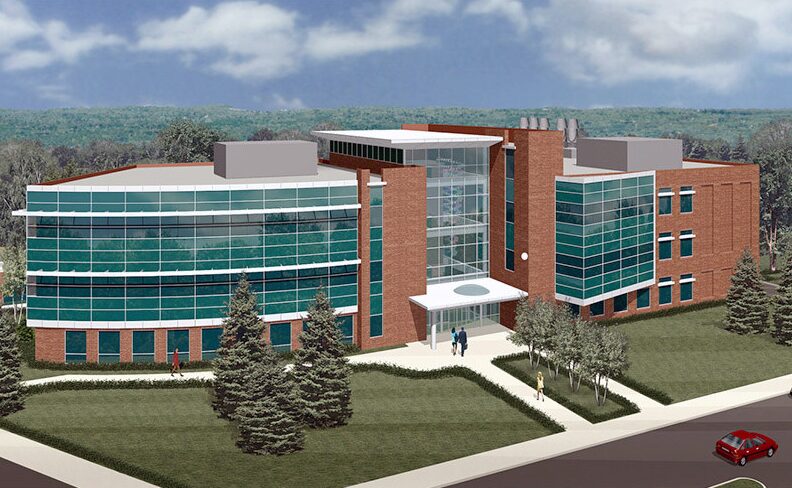
Located in Piscataway, New Jersey, RWJMS operates on a suburban campus with state-of-the-art facilities. The school has two main campuses in Brunswick and Piscataway, with educational programs maintained for over 1,500 students across undergraduate, graduate, and post-graduate levels. The medical school is affiliated with over 34 hospitals and ambulatory care sites throughout the region.
Accreditation Status
RWJMS is fully accredited by the Liaison Committee on Medical Education (LCME), which is the recognized accrediting authority for medical education programs leading to the MD degree in the United States. This accreditation ensures that graduates are eligible to take the USMLE and apply for residency programs.
Ranking and Recognition
While specific US News rankings weren’t provided in the search results, RWJMS is recognized as one of the leading medical schools in New Jersey and is ranked among the top medical institutions in the region. The school is particularly noted for its research excellence, community engagement, and innovative curriculum design.
Admission Requirements
Academic Prerequisites
Minimum Degree Requirements
- Bachelor’s degree required by the time of matriculation
- Minimum of 90 semester hours of college coursework (exclusive of military and physical education)
Required Courses
RWJMS requires the following prerequisite courses:
- Biology or Zoology (with laboratory): 2 semesters
- Inorganic or General Chemistry (with laboratory): 2 semesters
- Organic Chemistry (with laboratory): 1 semester
- Biochemistry: 1 semester
- Physics (with laboratory): 1 semester
- College Mathematics: 1 semester (includes various types of mathematics or statistics/biostatistics)
- English or writing intensive coursework: 2 semesters (must include one semester of college writing course)
Note: AP credit and community college coursework are accepted to fulfill prerequisite requirements
GPA Requirements
- Median GPA: 3.86 (Class of 2025 data)
- Competitive GPA range: Students typically have GPAs significantly above 3.8
- Minimum GPA: While no specific minimum is stated, successful applicants generally have competitive academic records
Standardized Testing
MCAT Requirements
- Median MCAT: 515 (Class of 2025 data)
- MCAT validity: Must be taken within 3 years preceding application
- Latest test date: No later than October of the year of application
- Competitive scores: Students with MCAT scores around 515 or higher are typically competitive
Additional Testing Requirements
CASPer or AAMC PREview: RWJMS requires applicants to complete either:
- CASPer Test (CSP-10111): A situational judgment test assessing personal and professional characteristics
- AAMC PREview: An alternative situational judgment assessment
This requirement reflects the school’s holistic approach to evaluating non-cognitive skills essential for medical practice.
Extracurricular Activities & Experience Requirements
RWJMS values a holistic evaluation system that considers:
- Clinical exposure: Direct patient care experience
- Research experience: Basic science, clinical, or public health research
- Community service: Volunteer work demonstrating commitment to serving others
- Leadership experience: Roles that show initiative and responsibility
- New Jersey connections: Strong preference for applicants with ties to New Jersey
Application Process & Timeline
Application System
RWJMS participates in the American Medical College Application Service (AMCAS) for primary applications. The school does not use TMDSAS and requires the standard AMCAS application process.
Application Deadlines
- AMCAS Primary Application Deadline: December 1, 2025
- Secondary Application Deadline: January 12, 2026
- Early submission strongly encouraged
Required Documents
- AMCAS primary application with all transcripts
- Letters of recommendation through AMCAS Letter Service
- MCAT scores (within 3 years)
- CASPer or AAMC PREview scores
Secondary Applications
- Secondary fee: $80 (AAMC FAP waivers honored)
- Sent to applicants: Who meet baseline academic standards
- Screen-based: Applications are screened before secondary invitations
Interview Process
Interview Format: Seven-station Multiple Mini Interview (MMI) conducted via live video
- MMI stations: Seven different scenarios testing various competencies
- Virtual format: Live video interviews
- Holistic evaluation: Assesses communication skills, ethical reasoning, and professionalism
Admission Statistics & Success Rates
Overall Acceptance Rate
Acceptance Rate: Approximately 2.60% (highly competitive)
- Total applicants: 6,611 (recent cycle)
- Students matriculated: 172
- National comparison: Significantly more competitive than national averages
Class Size and Demographics
- First Year Class Size: 165 students
- State preference: Strong preference for New Jersey residents
- Out-of-state acceptance: Out-of-state Canadian and international students accepted on case-by-case basis
- Geographic diversity: While preferring NJ residents, the school values geographic diversity for exceptional candidates
Academic Statistics
- Median MCAT: 515
- Median GPA: 3.86
- Competitive applicant profile: Students typically exceed these median scores
Comparison Data
RWJMS is among the most competitive medical schools in New Jersey and the region, with acceptance rates significantly lower than national averages for medical schools.
Tuition & Financial Information
Current Tuition Rates
2024-2025 Academic Year:
- New Jersey residents: $47,658 per year
- Out-of-state students: $75,039 per year
Total Cost of Attendance
Estimated Annual Costs:
- In-state total COA: $68,957
- Out-of-state total COA: $96,338
Additional costs include:
- Living expenses: $13,869
- Books & supplies: $3,135
- Personal expenses: $4,268
Program Length Cost Analysis
Total 4-year program cost:
- New Jersey residents: $312,808
- Out-of-state students: $413,396
Financial Aid Options
- Federal financial aid: FAFSA required
- RBHS Financial Aid Application: Additional application required
- Payment plans: Tuition can be paid in installments
- Scholarships: Merit-based and need-based aid available
- External funding sources: New Jersey’s Primary Care Practitioner Loan Redemption Program
Click To See Hundreds Of Consultants Who Can Mentor You:

Curriculum & Program Structure
Program Duration and Structure
RWJMS offers a 4-year MD program with the innovative “5 Cs” Curriculum launched in 2021, emphasizing:
- Curiosity
- Critical thinking
- Clinical skills
- Competence
- Compassion
Educational Philosophy and Teaching Methods
Competency-based curriculum organized around eight core competencies:
- Professionalism and Humanism
- Patient Care and Procedural Skills
- Medical Knowledge
- Practice-Based Learning and Improvement
- Interpersonal and Communication Skills
- Systems-Based Practice
- Social Justice and Health Equity
- Discovery and Dissemination
Teaching methods include:
- Integrated block curriculum combining basic sciences and clinical medicine
- Case-based learning with 33 Core Clinical Conditions
- Standardized patients and simulation technology
- Objective Structured Clinical Examinations (OSCE)
Pre-Clinical Years (18 months)
- Patient Centered Medicine and Health Equity course throughout pre-clerkship
- Early clinical exposure in first year
- Integrated systems courses with clinical correlation
- Research opportunities available
Clinical Training
Clinical training begins early and includes:
- Hospital rotations at Robert Wood Johnson University Hospital
- 34 affiliated clinical sites throughout the region
- Core clinical rotations in third year
- Advanced electives in fourth year
Special Programs
Combined degree options:
- MD/MBA
- MD/MPH
- BS/MD
- MD/PhD
- MD/JD
PACCE Program: Primary care focus track available
Residency Preparation
Match Statistics:
- 2024 Match Rate: 97% (compared to 93.5% national average)
- Top residency programs: Massachusetts General, Stanford, Columbia, Yale, Mayo Clinic
- 24 students remained at Rutgers for residency training
- 36 students stayed in New Jersey for residency
Pre-Medical Preparation
Undergraduate Program Recommendations
RWJMS values a balanced undergraduate education and encourages:
- Liberal arts exposure: Humanities, behavioral sciences, and social sciences
- Diverse academic backgrounds: Applications welcomed from various majors
- Strong foundation in prerequisite sciences
Academic Planning
Optimal preparation includes:
- Complete prerequisite courses with laboratory components
- Maintain competitive GPA (target 3.8+)
- Strong MCAT preparation (target 515+)
- Early MCAT scheduling to meet application deadlines
Clinical Experience Requirements
Valued clinical experiences:
- Direct patient care exposure
- Hospital volunteering
- Clinical research participation
- Healthcare shadowing experiences
Research Experience
RWJMS values research experience in:
- Basic sciences research
- Clinical research projects
- Public health initiatives
- Community health studies
Extracurricular Planning
Important areas for development:
- Community service with sustained commitment
- Leadership roles in various organizations
- New Jersey connections for in-state preference
- Healthcare exposure in diverse settings
Standardized Test Preparation
CASPer/PREview preparation:
- Early registration recommended
- Practice scenarios for situational judgment
- Score delivery timelines consideration
Frequently Asked Questions
Does Rutgers Robert Wood Johnson Medical School look at extracurriculars?
Yes, RWJMS uses a holistic evaluation process that heavily weighs extracurricular activities, including clinical experience, research, community service, and leadership roles. The school particularly values experiences that demonstrate commitment to serving the New Jersey community.
What is Rutgers Robert Wood Johnson Medical School’s average GPA and MCAT score?
The median GPA is 3.86 and the median MCAT score is 515 for the matriculating class. These represent highly competitive statistics, and successful applicants typically meet or exceed these benchmarks.
How competitive is Rutgers Robert Wood Johnson Medical School compared to other medical schools?
RWJMS is highly competitive with an acceptance rate of approximately 2.60%, making it one of the most selective medical schools in New Jersey and significantly more competitive than national averages.
Does Rutgers Robert Wood Johnson Medical School prefer in-state applicants?
Yes, RWJMS gives strong preference to New Jersey residents. However, exceptional out-of-state candidates with strong ties to New Jersey or outstanding credentials are also considered.
What makes Rutgers Robert Wood Johnson Medical School different from other medical schools?
RWJMS distinguishes itself through its innovative “5 Cs” curriculum, strong emphasis on social justice and health equity, extensive clinical affiliations (34+ sites), and commitment to serving New Jersey communities.
When should I apply to Rutgers Robert Wood Johnson Medical School?
The AMCAS primary application deadline is December 1, 2025, with secondary applications due by January 12, 2026. Early submission is strongly encouraged to maximize chances of acceptance.
Does Rutgers Robert Wood Johnson Medical School accept international students?
Yes, but on a case-by-case basis. International applicants must complete at least one year of formal science coursework (about 30 credit hours) in a US-chartered college or university.
What clinical experience do I need for Rutgers Robert Wood Johnson Medical School?
While no specific minimum is required, successful applicants typically have substantial clinical exposure through volunteering, shadowing, employment, or research in healthcare settings.
Does Rutgers Robert Wood Johnson Medical School require research experience?
Research experience is not explicitly required but is highly valued. The school particularly appreciates research that aligns with its mission of improving healthcare for New Jersey communities.
How many letters of recommendation does Rutgers Robert Wood Johnson Medical School require?
Specific numbers weren’t detailed in the sources, but letters of recommendation are required through the AMCAS Letter Service. Applicants should follow standard medical school guidelines for letter requirements.
What is Rutgers Robert Wood Johnson Medical School’s curriculum like?
RWJMS features an innovative competency-based curriculum with integrated basic sciences and clinical medicine, early clinical exposure, extensive use of simulation and standardized patients, and emphasis on social justice and health equity.
Where do Rutgers Robert Wood Johnson Medical School graduates match for residency?
RWJMS has an excellent 97% match rate (2024), with graduates matching at top programs including Massachusetts General, Stanford, Columbia, Yale, and Mayo Clinic. Many graduates also remain in New Jersey for residency training.
How much does Rutgers Robert Wood Johnson Medical School cost?
Annual tuition is $47,658 for New Jersey residents and $75,039 for out-of-state students. Total cost of attendance is approximately $69,000 for in-state and $96,000 for out-of-state students.
What financial aid is available at Rutgers Robert Wood Johnson Medical School?
Financial aid includes federal loans, institutional aid, merit-based scholarships, need-based aid, and special programs like New Jersey’s Primary Care Practitioner Loan Redemption Program. Payment plans are also available.
Does Rutgers Robert Wood Johnson Medical School offer interviews to all qualified applicants?
No, RWJMS screens applications and sends secondary applications only to applicants who meet baseline academic standards. Interview invitations are extended to the most competitive candidates through a holistic review process.