Last updated on January 9th, 2026 at 06:30 am
Program Overview & Institution Identity
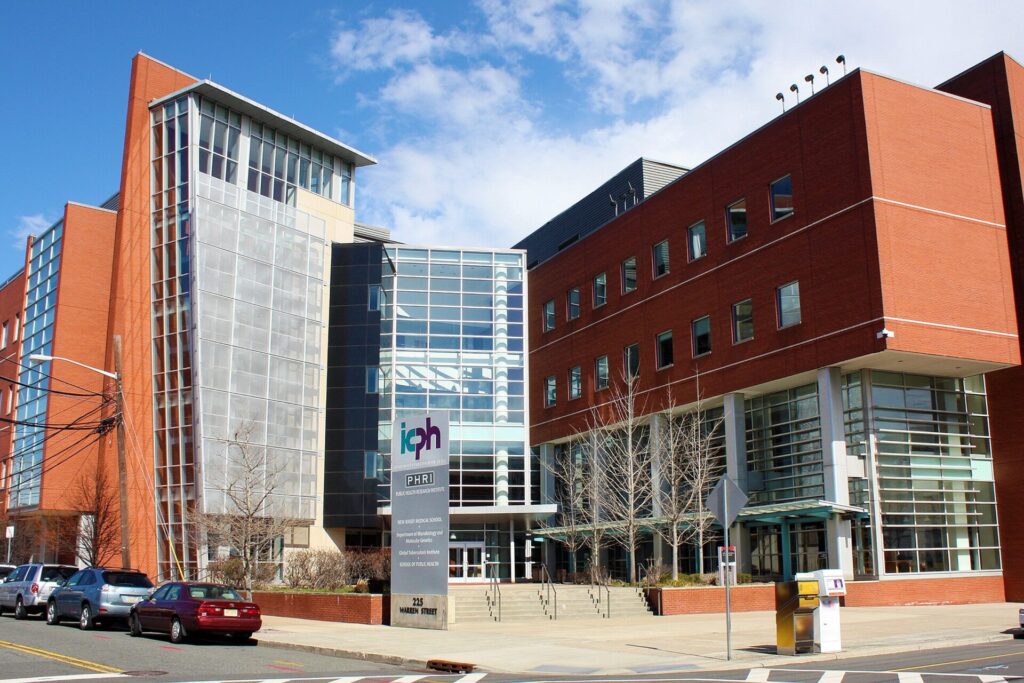
Rutgers New Jersey Medical School (NJMS) is a prestigious public medical institution located in Newark, New Jersey, offering a comprehensive 4-year Doctor of Medicine (MD) program. Founded in 1954, NJMS is part of Rutgers Biomedical and Health Sciences (RBHS) and has established itself as the #1 NIH-funded institution in New Jersey for both basic science and clinical research.
Key Program Features:
- Program Duration: 4-year traditional MD program
- Location: Newark, NJ – Urban campus setting
- Institution Type: Public medical school
- Accreditation: Fully accredited by the Liaison Committee on Medical Education (LCME)
- Class Size: 172 students per entering class
Unique Distinctions:
NJMS stands out for its commitment to humanism in medicine, diversity, and community engagement. The school ranks in the 90th percentile for ethnic diversity among U.S. medical schools and maintains exceptional residency match rates of 99% – significantly above the national average of 93%.
Combined Degree Programs:
- MD/MPH (Master of Public Health)
- BS/MD (Accelerated program)
- MD/PhD (Research-focused)
- MD/MBA (Business administration)
Admission Requirements
Academic Prerequisites
Required Coursework:
- General Biology with lab: 2 semesters
- General Chemistry with lab: 2 semesters
- Organic Chemistry with lab: 2 semesters
- General Physics with lab: 2 semesters
- Biochemistry: 1 semester
- English: 2 semesters (college-level intensive writing courses may substitute)
Recommended Coursework:
- Calculus: 1 semester
- Genetics: 1 semester
- Statistics: 1 semester
- Anatomy: 1 semester
- Physiology: 1 semester
- Sociology and/or Psychology: 1 semester
GPA and MCAT Requirements
Academic Statistics for Admitted Students:
- Median GPA: 3.87
- Median MCAT Score: 515
- Competitive Range: Students typically need a minimum 3.0 GPA and 498 MCAT to receive secondary applications
- Acceptance Rate: 2.6% overall
Residency Preferences
NJMS shows strong preference for New Jersey residents, with over 85% of matriculated students being in-state applicants. Out-of-state acceptance rates drop to below 1%, making geographic location a critical factor in admissions.
Application Process & Timeline
Application System
Rutgers New Jersey Medical School participates in the American Medical College Application Service (AMCAS) for primary applications.
Critical Deadlines:
- Early Decision: August 1 (supporting materials due September 1)
- Regular MD Application: December 1, 2025
- Secondary Application: December 15
- Letters of Recommendation: December 15
- MCAT Deadline: Must take MCAT by October of application year
Application Requirements:
- Verified AMCAS Application
- NJMS Secondary Application with $95 fee (waived for AAMC FAP recipients)
- Letters of Recommendation via AMCAS Letter Service
- MCAT Scores
Note: NJMS does NOT require PREview or CASPer tests.
Secondary Application Essays
The NJMS secondary application includes reflective essays addressing:
- Contribution to NJMS community and commitment to humanism, health equity, and social justice
- Personal challenges and resilience
- Gap year activities (if applicable)
- Re-applicant enhancements (if applicable)
- Additional challenges or institutional actions
Interview Process
NJMS follows a rolling admissions process, with interviews conducted for selected candidates after application screening. The school emphasizes holistic evaluation considering academic excellence, personal growth, resilience, and commitment to service.
Admission Statistics & Success Rates
Competitiveness Analysis:
- Total Applicants: Approximately 6,611 per year
- Students Matriculated: 172
- Overall Acceptance Rate: 2.6%
- In-state vs. Out-of-state: 85% in-state preference significantly affects admission odds
Academic Profile of Accepted Students:
- Average GPA: 3.83-3.87
- Average MCAT: 515
- Geographic Distribution: 22 states represented
- Languages Spoken: 24 languages among student body
- Colleges Represented: 61 different undergraduate institutions
Diversity Statistics:
- Female Students: 61% of class
- Male Students: 39% of class
- First-Generation Medical Students: Significant representation
- Underrepresented in Medicine: Strong commitment to diversity
Tuition & Financial Information
Current Tuition Rates (2024-2025):
- New Jersey Residents: $48,289 per year
- Out-of-State Students: $75,670 per year
- Total 4-Year Cost: $312,808 (in-state) / $413,396 (out-of-state)
Additional Costs:
- Living Costs: $20,960 annually
- Personal Expenses: $3,880 annually
- Application Fees: $80 (AMCAS) + $95 (Secondary)
Financial Aid:
- Federal loan programs available
- Need-based financial aid through FAFSA
- Merit-based scholarships offered
- Work-study opportunities
- AMCAS Fee Assistance Program (FAP) waiver for secondary application
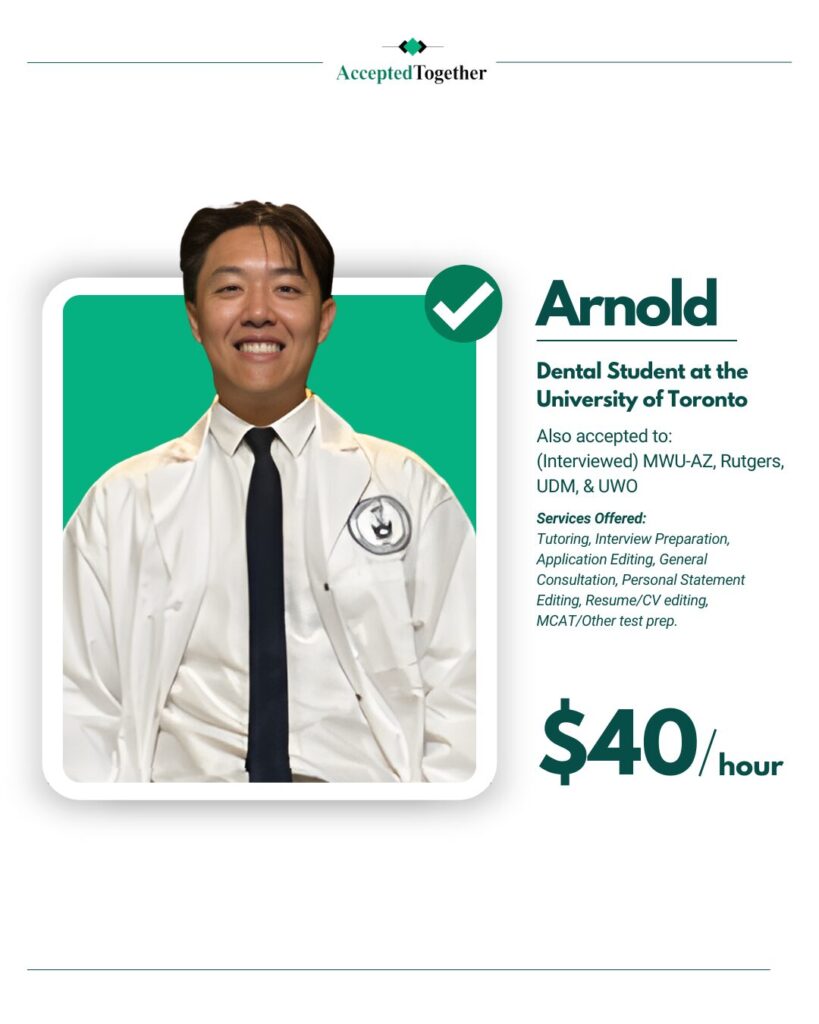
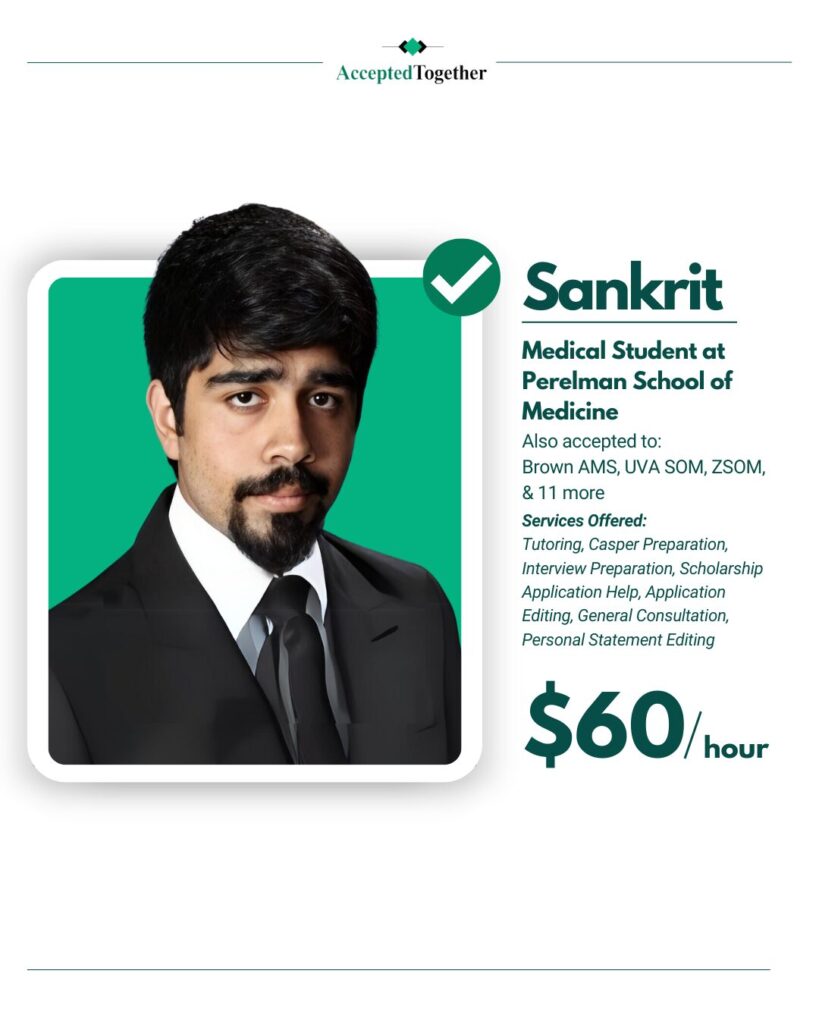
Click To See Hundreds Of Consultants Who Can Mentor You:
Curriculum & Program Structure
Educational Philosophy:
NJMS employs an innovative, integrated curriculum featuring:
- Team-based learning (TBL)
- Podcast lectures
- Small clinical groups
- Four major themes: organ systems, integrated clinical practice, service learning, and professional identity development
Program Structure:
Pre-Clinical Years (Years 1-2):
- Basic sciences foundation
- Anatomy, pathology, and clinical skills training
- Early clinical exposure
- Research opportunities
Clinical Years (Years 3-4):
- Core rotations in major specialties
- Internal medicine, surgery, pediatrics, psychiatry, obstetrics/gynecology
- Elective opportunities
- Specialized research projects
Clinical Training:
- Hospital Partnerships: Multiple teaching hospitals and clinical sites
- Geographic Distribution: Clinical rotations throughout New Jersey
- Community-Based Training: Emphasis on underserved populations
- International Opportunities: Available through electives
Special Programs:
- Accelerated 3-Year MD Program: For qualified students
- Research Distinction Programs: Various specialty focus areas
- Community Health Programs: Newark-based community engagement
- Pipeline Programs: Support for underrepresented students
Residency Match Success
Outstanding Match Results:
- 2025 Match Rate: 99% (vs. 93% national average)
- Pre-SOAP Match Rate: 93%
- Competitive Specialties: Strong placement in dermatology, orthopedic surgery, ophthalmology, otolaryngology
Top Specialties Matched (2025):
- Internal Medicine: 33 students
- Anesthesiology: 18 students
- Emergency Medicine: 12 students
- Psychiatry: 10 students
- Pediatrics: 9 students
- Physical Medicine & Rehabilitation: 8 students
Residency Programs:
Students match at prestigious institutions including:
- Yale-New Haven Hospital
- NYU Grossman School of Medicine
- Columbia University Medical Center
- Johns Hopkins Hospital
- Massachusetts General Hospital
Pre-Medical Preparation
Recommended Timeline:
Junior Year:
- Complete prerequisite courses
- Begin MCAT preparation
- Gain clinical experience
- Establish relationships for letters of recommendation
Senior Year:
- Take MCAT by spring/early summer
- Submit AMCAS application by June
- Complete secondary applications promptly
- Continue clinical and research activities
Essential Experiences:
- Clinical Exposure: Direct patient interaction through volunteering, shadowing, or employment
- Research: Laboratory or clinical research with potential for publication
- Community Service: Long-term commitment to underserved populations
- Leadership: Demonstrated leadership in academic, professional, or community settings
MCAT Preparation:
- Minimum Scores: 498 for consideration
- Competitive Scores: 515+ for strong candidacy
- Preparation Timeline: 6-12 months recommended
- Retake Policy: All MCAT scores considered, no restrictions on retakes
Frequently Asked Questions
Does Rutgers New Jersey Medical School look at extracurriculars?
Yes, NJMS uses holistic evaluation considering research experience, clinical exposure, community service, and leadership equally alongside academic metrics.
What is Rutgers New Jersey Medical School’s average GPA and MCAT score?
The median GPA is 3.87 and median MCAT score is 515 for accepted students.
How competitive is Rutgers New Jersey Medical School compared to other medical schools?
NJMS is highly competitive with a 2.6% acceptance rate, making it moderately to highly competitive nationally.
Does Rutgers New Jersey Medical School prefer in-state applicants?
Yes, over 85% of matriculated students are New Jersey residents. Out-of-state acceptance rates are below 1%.
What makes Rutgers New Jersey Medical School different from other medical schools?
NJMS stands out for its commitment to humanism in medicine, diversity (90th percentile nationally), excellent residency match rates (99%), and status as New Jersey’s #1 NIH-funded medical research institution.
When should I apply to Rutgers New Jersey Medical School?
Apply as early as possible due to rolling admissions. AMCAS applications open in May, with optimal submission by June-July for the best chances.
Does Rutgers New Jersey Medical School accept international students?
Yes, NJMS accepts Canadian and international students, though preference is given to U.S. citizens and permanent residents.
What clinical experience do I need for Rutgers New Jersey Medical School?
While no minimum hours are specified, competitive applicants typically have substantial clinical exposure through volunteering, shadowing, research, or healthcare employment.
Does Rutgers New Jersey Medical School require research experience?
Research is not required but strongly recommended. As the #1 NIH-funded institution in New Jersey, NJMS values research experience highly.
How many letters of recommendation does Rutgers New Jersey Medical School require?
A pre-medical committee packet is preferred. Without a committee letter, minimum requirements are 2 science faculty letters and 1 non-science faculty letter.
What is Rutgers New Jersey Medical School’s curriculum like?
NJMS uses an integrated, innovative curriculum featuring team-based learning, early clinical exposure, and focus on four themes: organ systems, clinical practice, service learning, and professional identity development.
Where do Rutgers New Jersey Medical School graduates match for residency?
NJMS graduates achieve a 99% match rate at prestigious institutions including Yale, NYU, Columbia, Johns Hopkins, and Mass General, with strong placement in competitive specialties.
How much does Rutgers New Jersey Medical School cost?
Tuition is $48,289 for NJ residents and $75,670 for out-of-state students annually. Total 4-year costs are approximately $313,000 (in-state) to $413,000 (out-of-state).
What financial aid is available at Rutgers New Jersey Medical School?
NJMS offers federal loans, need-based aid, merit scholarships, and work-study programs. The AMCAS Fee Assistance Program waives secondary application fees.
Does Rutgers New Jersey Medical School offer interviews to all qualified applicants?
No, interviews are selective following application screening. Strong academic credentials (3.0+ GPA, 498+ MCAT) are typically required for secondary applications and interview consideration.
Rutgers New Jersey Medical School represents an exceptional opportunity for aspiring physicians, particularly those committed to serving diverse communities and pursuing careers in academic medicine or research. With its outstanding match rates, innovative curriculum, and commitment to humanism in medicine, NJMS continues to train the next generation of physician leaders.