Last updated on January 9th, 2026 at 06:30 am
Program Overview & Institution Identity
Oakland University William Beaumont School of Medicine (OUWB) is a prestigious public medical school located in Rochester, Michigan. Established in 2008 as a collaborative effort between Oakland University and what was formerly Beaumont Health (now Corewell Health), OUWB has rapidly earned recognition for its innovative approach to medical education and strong clinical partnerships.
The school offers a comprehensive 4-year Doctor of Medicine (MD) program with an integrated curriculum that combines basic and clinical sciences from the first year. OUWB also offers a combined MD/MPH program for students interested in pursuing dual degrees in medicine and public health.
Location and Campus Details
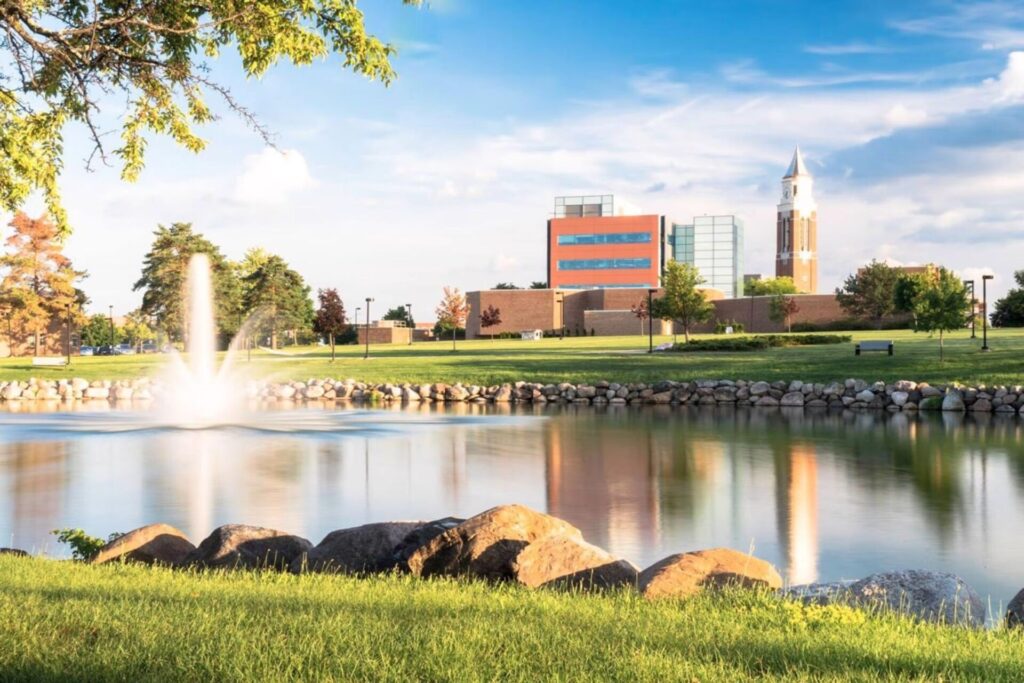
OUWB is situated on Oakland University’s suburban campus in Rochester, Michigan, approximately 25 miles north of Detroit. The medical school benefits from state-of-the-art facilities including advanced simulation labs, research laboratories, and modern classrooms. Students have access to clinical training primarily at Corewell Health William Beaumont University Hospital and other Corewell Health facilities throughout southeastern Michigan.
Accreditation Status
Oakland University William Beaumont School of Medicine is fully accredited by the Liaison Committee on Medical Education (LCME), the national accrediting body for MD-granting institutions in the United States. This accreditation ensures that OUWB meets the highest standards for medical education and that graduates are eligible to apply for medical licensure and residency training programs throughout the United States.
Ranking and Recognition
While OUWB is not currently ranked in the US News & World Report research or primary care rankings, the school has gained recognition for its innovative curriculum, strong match rates, and commitment to training compassionate, community-focused physicians. As a relatively young institution founded in 2010, OUWB continues to build its national reputation through academic excellence and research contributions.
Admission Requirements
Academic Prerequisites
Minimum Degree Requirements: Applicants must possess a bachelor’s degree from an accredited college or university prior to matriculation. There is no specific major requirement, and OUWB welcomes students from diverse academic backgrounds.
Required Prerequisite Courses:
- Biology: 8 semester hours with laboratory
- Chemistry: 8 semester hours with laboratory (including organic chemistry)
- Physics: 8 semester hours with laboratory
- Mathematics: 3 semester hours (including statistics)
- English: 6 semester hours
- Social Sciences/Humanities: 6 semester hours
GPA Requirements
- Minimum GPA: While OUWB does not publish a strict minimum GPA requirement, competitive applicants typically have strong academic records
- Median GPA of accepted students: 3.9
- Competitive Range: Most successful applicants have a cumulative GPA of 3.7 or higher
- Science GPA: Strong performance in science courses is particularly important for demonstrating readiness for medical school coursework
Standardized Testing
MCAT Requirements:
- Median MCAT Score: 511 (based on recent data)
- Competitive Range: Most admitted students score between 508-515
- Section Requirements: No minimum section scores specified, but balanced performance across all sections is recommended
- Validity Period: MCAT scores must be taken within 3 years of planned enrollment
- Retakes: OUWB accepts retaken MCAT scores and considers the highest score
Extracurricular Activities & Experience Requirements
OUWB employs a holistic review process that evaluates candidates based on multiple factors beyond academic metrics:
- Clinical Experience: Demonstrable exposure to healthcare settings through volunteering, shadowing, or employment
- Research Experience: While not required, research experience is valued and can strengthen an application
- Community Service: Evidence of commitment to serving others and community engagement
- Leadership Experience: Demonstrated leadership roles in academic, professional, or volunteer settings
- Diversity and Inclusion: OUWB values applicants who can contribute to the diversity of the student body
Residency Preferences: As a public institution, OUWB welcomes both Michigan residents and out-of-state applicants. The school is “very friendly” to out-of-state students, with no significant preference given to in-state applicants. However, international students are not accepted at this time.
Application Process & Timeline
Application System
OUWB participates in the American Medical College Application Service (AMCAS). All primary applications must be submitted through AMCAS.
Application Deadlines
- Primary Application Deadline: November 15, 2025
- Secondary Application: Sent to selected candidates after primary application review
- Secondary Application Fee: $75
Required Documents
- Official Transcripts: All undergraduate, graduate, and professional coursework must be submitted through AMCAS
- Letters of Recommendation: Minimum requirements vary, but most competitive applicants submit letters from science faculty, healthcare professionals, and other recommenders who can speak to their qualifications
- Personal Statement: Required as part of the AMCAS application
- Secondary Essays: OUWB requires additional essays as part of the secondary application process
Interview Process
- Interview Format: Traditional one-on-one interviews
- Interview Invitations: Typically sent in late fall/early winter
- Interview Process: OUWB screens applications before sending secondary applications, making the process more selective
- Virtual/In-Person Options: The school offers both virtual and in-person interview options
Post-Interview Process
- Acceptance Notifications: Sent on a rolling basis following interviews
- Waitlist: OUWB maintains a waitlist and accepts update letters from candidates
- Deposit Requirements: Accepted students must submit an enrollment deposit to secure their position
Admission Statistics & Success Rates
Overall Acceptance Rate
Oakland University William Beaumont School of Medicine has an acceptance rate of approximately 1.83%, making it highly competitive among Michigan medical schools. With over 7,000 applicants competing for approximately 129 seats, OUWB maintains selectivity comparable to other top-tier medical institutions.
Application Volume and Class Size
- Annual Applicants: Approximately 7,043 applications received
- Class Size: 129 students per entering class
- Total Enrollment: Approximately 516 students across all four years
Academic Statistics of Admitted Students
- Median GPA: 3.9
- Average GPA Range: Most admitted students have GPAs between 3.7-4.0
- Median MCAT Score: 511
- MCAT Score Range: Competitive applicants typically score between 508-515
Demographics and Student Body Composition
According to recent data:
- Gender Distribution: 60.9% female, 39% male, 0.2% other
- Geographic Distribution: OUWB accepts both in-state and out-of-state students with no significant preference
- Age Range: Most students are traditional college graduates, though the school welcomes non-traditional students
- Academic Backgrounds: Students represent diverse undergraduate majors
Comparison with Other Michigan Medical Schools
OUWB’s statistics are competitive with other Michigan medical schools:
- Higher than average GPA compared to many medical schools nationally
- Strong MCAT performance placing it among competitive Michigan institutions
- Low acceptance rate reflecting high applicant interest and selectivity
Tuition & Financial Information
Current Tuition Rates
Unique Tuition Structure: Unlike most public medical schools, Oakland University William Beaumont School of Medicine charges the same tuition for both in-state and out-of-state students.
- In-State Tuition: $60,278 per year
- Out-of-State Tuition: $60,278 per year
- International Students: Not accepted
Additional Fees and Costs
Estimated Additional Costs (2025-2026):
- Living Costs: $20,273
- Books & Supplies: $900
- Personal Expenses: $3,800
- Total Cost of Attendance: $86,457 annually
Total Program Cost
- 4-Year Total Cost: Approximately $345,828
- Total with Living Expenses: Approximately $345,828 over four years
Financial Aid Options
Federal Financial Aid:
- Federal Direct Loans: Available to eligible students
- Federal Work-Study: Limited opportunities available
- PLUS Loans: Available for additional funding needs
Institutional Aid:
- Merit-based Scholarships: Limited scholarships available based on academic achievement and other factors
- Need-based Aid: Financial aid packages evaluated based on FAFSA submissions
- Emergency Assistance: Short-term loans and emergency grants available for qualifying students
External Scholarships:
- Students encouraged to apply for external scholarships from professional organizations, foundations, and community groups
- Military service members may be eligible for military-specific educational benefits
Living Expenses in Rochester, Michigan
Rochester offers a relatively affordable cost of living compared to major metropolitan areas:
- Housing: On-campus and off-campus options available
- Transportation: Public transportation limited; most students have cars
- Healthcare: Student health services available on campus
Click To See Hundreds Of Consultants Who Can Mentor You:

Curriculum & Program Structure
Program Duration and Structure
OUWB offers an innovative 4-year MD program with a vertically integrated curriculum that combines basic and clinical sciences throughout all four years.
Educational Philosophy and Teaching Methods
Integrated Learning Approach:
- Organ Systems-Based Curriculum: Pre-clinical education organized around organ systems rather than traditional subject silos
- Early Patient Contact: Students begin patient encounters and clinical skills training in the first semester
- Team-Based Learning (TBL): Weekly integrative sessions where small student groups apply knowledge to solve clinical problems
- Problem-Based Learning: Emphasis on active learning and clinical reasoning
Pre-Clinical Years (Years 1-2)
Curriculum Structure:
- Organ systems-based approach during M1 and M2 years
- Longitudinal courses in:
- Art and Practice of Medicine
- Medical Humanities and Clinical Bioethics
- Health Promotion and Maintenance
- Personal and Professional Development
- Research Component: Four-year capstone research project begins in Year 1
Assessment Methods:
- Pass/fail grading system for most coursework
- Regular formative assessments
- Standardized patient encounters
Clinical Training (Years 3-4)
Core Clinical Rotations:
- Internal Medicine
- Surgery
- Pediatrics
- Obstetrics & Gynecology
- Psychiatry
- Family Medicine
- Emergency Medicine
Clinical Sites:
- Primary Teaching Hospital: Corewell Health William Beaumont University Hospital
- Additional Sites: Multiple Corewell Health facilities throughout southeastern Michigan
- Community Partnerships: Various community hospitals and clinics
Special Programs and Tracks
Combined Degree Programs:
- MD/MPH Program: Available for students interested in public health
- Research Opportunities: Four-year capstone project required for all students
Unique Programs:
- PRISM Program: Promoting Reflection and Individual growth through Support and Mentoring
- Global Health Initiatives: International rotation opportunities
- EMBARK Program: Pre-medical preparation and support
- Compass Program: Community service and engagement opportunities
Residency Preparation and Match Results
USMLE Performance:
- Strong pass rates on USMLE Step 1 and Step 2 exams
- Comprehensive support for board exam preparation
Match Day Success (Class of 2025):
Recent graduates matched at prestigious institutions including:
- Johns Hopkins Hospital
- University of Massachusetts
- Brown University
- University of Southern California
- Georgetown University
- Case Western Reserve University
- Cleveland Clinic
Popular Residency Specialties:
- Anesthesiology
- Emergency Medicine
- Family Practice
- Internal Medicine
- Neurology
- Orthopedic Surgery
- Pediatrics
- Psychiatry
- Radiology
- General Surgery
Pre-Medical Preparation
Undergraduate Program Recommendations
Major Selection:
- OUWB welcomes students from all academic backgrounds
- No preference given to specific majors
- Science majors (Biology, Chemistry, Physics) provide strong foundation
- Non-science majors encouraged to apply if prerequisite requirements are met
- Diverse academic backgrounds valued for bringing different perspectives
Academic Planning:
- Complete prerequisite courses with strong grades (B+ or higher recommended)
- Maintain overall GPA above 3.7 for competitive consideration
- Consider taking additional advanced science courses
- Develop strong study habits and time management skills
Clinical Experience Requirements
Types of Clinical Exposure Valued:
- Hospital volunteering: Direct patient interaction preferred
- Physician shadowing: Multiple specialties recommended
- Healthcare employment: CNA, EMT, medical assistant, or similar roles
- Community health programs: Public health initiatives and community clinics
Recommendations:
- Minimum 100+ hours of clinical exposure recommended
- Quality over quantity: Meaningful experiences with reflection more important than hours alone
- Longitudinal commitment: Extended involvement demonstrates genuine interest
- Diverse settings: Exposure to different patient populations and healthcare settings
Research Experience
Types of Research Valued:
- Basic science research: Laboratory-based investigations
- Clinical research: Patient-oriented studies
- Public health research: Population health and epidemiology
- Medical education research: Studies on teaching and learning in medicine
Research Opportunities:
- Undergraduate research programs at your institution
- Summer research programs at medical schools and research institutions
- Faculty mentorship for independent projects
- Publication opportunities: First-author papers strengthen applications significantly
Extracurricular Planning
Leadership Development:
- Student organizations: Officer positions in pre-medical clubs, honor societies
- Community organizations: Leadership roles in volunteer groups
- Academic leadership: Tutoring, teaching assistant positions
- Workplace leadership: Supervisory roles in employment
Community Service:
- Healthcare-related service: Free clinics, health fairs, medical missions
- General community service: Food banks, homeless shelters, environmental initiatives
- Long-term commitments preferred over sporadic volunteering
Standardized Test Preparation
MCAT Preparation Timeline:
- Junior Year: Begin preparation 6-12 months before intended test date
- Study Materials: Commercial prep courses, practice tests, review books
- Target Score: Aim for 510+ to be competitive for OUWB
- Retake Considerations: Consider retaking if initial score below 508
Test-Taking Strategy:
- Take MCAT when adequately prepared rather than rushing
- Consider timing relative to application cycle
- Plan for potential retakes if needed
Gap Year Considerations
When Gap Years Are Beneficial:
- Academic improvement needed: Time to strengthen GPA or retake MCAT
- Experience building: Gaining clinical, research, or volunteer experience
- Financial considerations: Working to save money for medical school
- Personal growth: Travel, life experiences, or addressing family obligations
Productive Gap Year Activities:
- Research positions: Full-time research coordinator or assistant roles
- Clinical positions: Medical assistant, EMT, or healthcare support roles
- Graduate coursework: Master’s programs or post-baccalaureate programs
- Volunteer service: AmeriCorps, Peace Corps, or other service programs
Application Timeline Planning
Junior Year:
- Complete prerequisite courses
- Begin MCAT preparation
- Gain clinical and research experience
- Build relationships with potential recommenders
Senior Year:
- Take MCAT (spring recommended)
- Submit AMCAS application (early summer)
- Complete secondary applications promptly
- Prepare for interviews
Application Strategy:
- Apply broadly to appropriate schools
- Balance reach, target, and safety schools
- Consider geographic preferences and ties
Frequently Asked Questions
Does Oakland University William Beaumont School of Medicine look at extracurriculars?
Yes, OUWB uses a comprehensive holistic review process that heavily considers extracurricular activities. The admissions committee evaluates clinical experience, research, community service, leadership roles, and other activities that demonstrate commitment to medicine and service to others. Strong extracurricular involvement can help distinguish applicants in a competitive pool.
What is Oakland University William Beaumont School of Medicine’s average GPA and MCAT score?
The median GPA for admitted students is 3.9, and the median MCAT score is 511. Competitive applicants typically have GPAs above 3.7 and MCAT scores of 508 or higher. However, OUWB’s holistic review process means that exceptional experiences and personal qualities can sometimes compensate for slightly lower academic metrics.
How competitive is Oakland University William Beaumont School of Medicine compared to other medical schools?
OUWB is highly competitive with an acceptance rate of approximately 1.83%. This places it among the more selective medical schools nationally. The combination of high academic standards, limited class size (129 students), and strong applicant pool makes admission challenging but achievable for well-prepared candidates.
Does Oakland University William Beaumont School of Medicine prefer in-state applicants?
No, OUWB is very friendly to out-of-state applicants and charges the same tuition for both in-state and out-of-state students. This unique pricing structure, unusual for public medical schools, reflects the school’s commitment to attracting the best candidates regardless of residency status.