Last updated on January 9th, 2026 at 06:30 am
Program Overview & Institution Identity
Official Program Identity
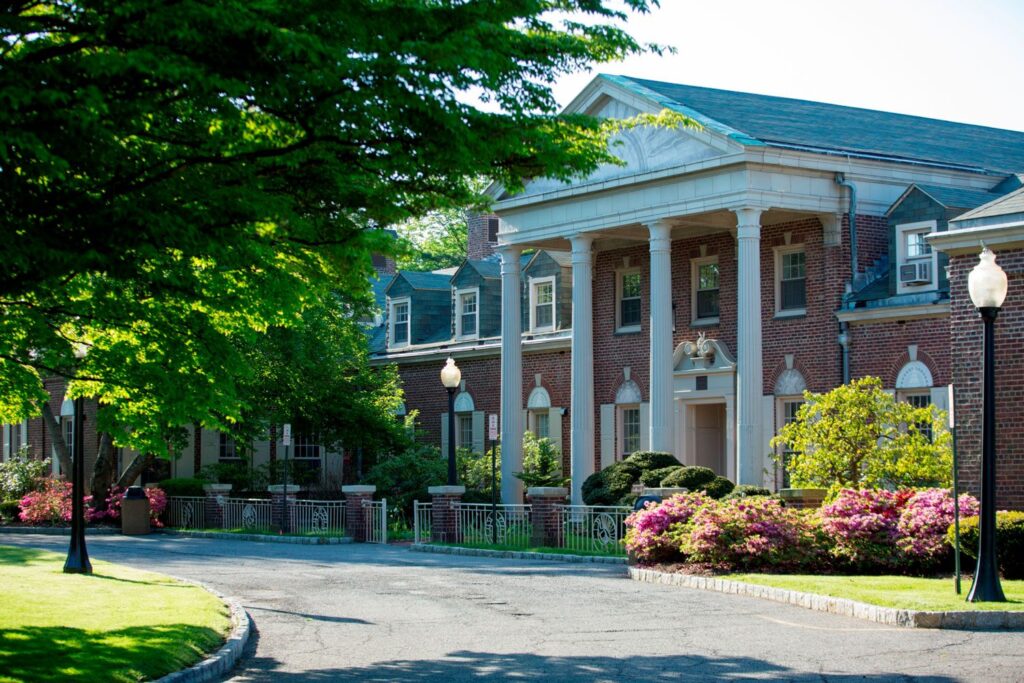
New York Medical College (NYMC) School of Medicine is one of the oldest and largest medical schools in the United States, established in 1860. Located in Valhalla, New York, NYMC is a private institution and member of the Touro College and University System, offering a comprehensive four-year Doctor of Medicine (MD) program.
Program Duration and Structure
The NYMC MD program follows a traditional 4-year curriculum structure divided into three distinct phases:
- Phase One (18 months): Foundational Sciences (Pre-clinical)
- Phase Two: Core Clerkships
- Phase Three: Advanced Practice and Electives
The program also offers combined degree options including:
- MD/MPH (Master of Public Health)
- MD/PhD dual degree program
- Medical Ethics certificate
Location and Campus Details
Campus Location: Valhalla, New York – Suburban campus setting just 20 minutes from New York City
Campus Size: 54-acre campus
Clinical Network: 30+ affiliated clinical sites across seven states (New York, New Jersey, Connecticut, Rhode Island, West Virginia, Arizona, and Florida)
Accreditation Status
New York Medical College is fully accredited by:
- Liaison Committee on Medical Education (LCME) – the official accrediting body for MD-granting medical schools in the US and Canada
- Middle States Commission on Higher Education (MSCHE)
This LCME accreditation ensures graduates are eligible to take USMLE examinations and apply for residency training programs.
Recognition and Performance Metrics
- 99% Average Residency Match Rate – among the highest in the nation
- 95% Average Step 1 Licensing Exam Pass Rate (over three years)
- Faculty of approximately 1,700 members
- Annual enrollment of approximately 219 students per class
- One of 17 medical schools in New York State
Admission Requirements
Academic Prerequisites
Minimum Degree Requirements
- Bachelor’s degree from an accredited college or university is required prior to enrollment
- No specific major requirement – students from diverse academic backgrounds are welcomed
Required Prerequisite Courses
NYMC requires completion of the following courses with laboratory components where specified:
Science Requirements:
- Biology: 1 year with laboratory
- Chemistry:
- 1 semester Inorganic Chemistry with laboratory
- 1 semester Organic Chemistry with laboratory
- 1 semester Biochemistry (laboratory not required)
- Physics: 1 year with laboratory
Non-Science Requirements:
- English: 1 year of college-level English
GPA Requirements
- No minimum GPA requirement officially stated
- Median accepted student GPA: 3.86 (Class of 2029)
- Competitive range: Successful applicants typically have GPAs of 3.7 or higher
- National context: NYMC’s median GPA is above the national average of 3.77 for medical school matriculants
Standardized Testing Requirements
MCAT Requirements
- MCAT required for all applicants
- No minimum score requirement officially stated
- Median accepted MCAT score: 517 (Class of 2029)
- Competitive range: Scores of 510+ are typically competitive
- National context: NYMC’s median MCAT is significantly above the national average of 511.7
MCAT Validity:
- MCAT scores must be from tests taken within recent years (typically 3-4 years)
- Multiple attempts are accepted; highest score typically considered
Additional Testing
- No CASPer test required
- No GRE acceptance – MCAT is the only accepted standardized test
Extracurricular Activities & Experience Requirements
NYMC employs a holistic evaluation approach that considers multiple factors beyond academic metrics:
Clinical Experience:
- Direct patient care experience strongly recommended
- Quality of experience valued over quantity of hours
- Healthcare shadowing, volunteering in clinical settings, or employment in healthcare roles
Research Experience:
- Research background valued but not required
- Publications and presentations encouraged but not mandatory
- Basic science, clinical, or public health research all considered valuable
Community Service:
- Demonstrated commitment to service and community engagement
- Long-term commitments preferred over short-term activities
- Leadership roles in service organizations viewed favorably
Leadership Experience:
- Leadership positions in academic, professional, or community organizations
- Demonstrated ability to work in teams and lead initiatives
Application Process & Timeline
Application System
NYMC participates in the American Medical College Application Service (AMCAS) for primary applications.
Key Application Deadlines
| Application Component | Regular Decision | Early Decision |
|---|---|---|
| AMCAS Primary Application | December 15 | August 1 |
| NYMC Secondary Application | January 31 | August 31 |
| Interview Period | September-March | September |
| Admission Decisions | Rolling basis | By October 1 |
| Program Start Date | Late July | Late July |
Required Application Components
Primary Application (AMCAS)
- Completed AMCAS application
- Official transcripts (submitted through AMCAS)
- MCAT scores
- Letters of recommendation/evaluation
- Personal statement
- Work and activities descriptions
Secondary Application
- NYMC-specific supplemental application
- Additional essays and questions
- School-specific requirements
- Application fee: Current fees apply for both primary and secondary applications
Letters of Recommendation
- Letters of evaluation required (specific number varies)
- Academic references preferred
- Professional references from research supervisors, healthcare professionals, or employers accepted
Interview Process
Interview Format: Multiple Mini Interview (MMI)
- Interview style: MMI format with multiple stations
- Duration: Approximately 45 minutes total
- Content areas: Ethics scenarios, situational judgment, communication skills, and application review
- Interview invitations: Sent from September through March
- Decision timeline: 4-6 weeks post-interview
- Waitlist decisions: Final decisions between April and July
Admission Statistics & Success Rates
Overall Competitiveness
Acceptance Rate: Approximately 2.41% (Class of 2029)
- Applications received: 9,075
- Students matriculated: 219
- Competition level: Highly competitive – only 2-3 out of every 100 applicants are accepted
Class Profile Demographics
Geographic Distribution:
- New York residents: 46.1% of matriculants
- Out-of-state students: 53.9% of matriculants
- International students: Accepted (including Canadian students)
Class Size: 219 students per entering class
Academic Statistics of Accepted Students
GPA Statistics:
- Median GPA: 3.86
- Competitive range: 3.7-4.0
- Science vs. Overall GPA: Both considered in evaluation
MCAT Statistics:
- Median MCAT: 517
- Competitive range: 510-525
- Score distribution: Above 75th percentile nationally
Historical Trends
- Consistent acceptance rates around 2-3%
- Steady increase in application volume
- Rising academic credentials of accepted students
- Strong performance on licensing examinations and residency match rates
Comparison with Peer Institutions
NYMC’s statistics compare favorably with:
- Other private medical schools in New York
- Medical schools with similar research rankings
- Institutions with comparable program sizes
Tuition & Financial Information
Current Tuition Rates
2024-2025 Academic Year:
- Tuition (all students): $66,134 per year
- No in-state/out-of-state differential – same tuition for all students as a private institution
- International student tuition: Same as domestic students
Additional Fees and Expenses
Estimated Additional Annual Costs:
- Technology and student services fees
- Health insurance (if not covered elsewhere)
- Laboratory and equipment fees
- Clinical rotation expenses
- Books and educational materials: $2,000-3,000
- Living expenses in Valhalla, NY area
Total Cost of Attendance
Four-Year Program Total:
- Tuition only: $264,536 (4 years × $66,134)
- Total cost including living expenses: Estimated $350,000-400,000
- Cost comparison: Competitive with other private medical schools in the Northeast
Living Expenses
Valhalla, NY Cost of Living:
- Housing: On-campus and off-campus options available
- Suburban setting: Lower cost than Manhattan, higher than rural areas
- Transportation: Access to NYC public transportation
- Food and personal expenses: Moderate for the region
Financial Aid Options
Need-Based Grants (NBG)
- Eligibility: Based on demonstrated financial need
- Application requirement: FAFSA completion required
- Unit loan requirement: Students must borrow minimum of $63,000 in federal loans to be considered
- Annual application: Must reapply each year
- Award determination: Based on complete financial profile
Merit-Based Scholarships
- Admission scholarships: Limited number awarded based on academic excellence
- Duration: May be awarded for 1-4 years depending on type
- Criteria: Academic achievement, leadership, special skills or backgrounds
- Strategic initiatives: Some scholarships support specific programmatic goals
Federal Financial Aid
- Federal Direct Loans: Unsubsidized Stafford Loans available
- Graduate PLUS Loans: Available for additional funding needs
- Work-study opportunities: Limited positions available
External Funding Sources
- Professional organization scholarships
- State-based medical education loans
- Private foundation grants
- Military health professions scholarships
Click To See Hundreds Of Consultants Who Can Mentor You:

Curriculum & Program Structure
Educational Philosophy
NYMC follows an integrated curriculum approach that promotes:
- Critical thinking and self-directed learning
- Early clinical exposure and patient interaction
- Competency-based medical education
- Training of “exceptional, self-directed, and compassionate physician leaders”
Phase One: Foundational Sciences (18 months)
Curriculum Structure:
- Duration: 18 months (M1 and first half of M2 year)
- Format: Six integrated courses combining basic sciences, clinical applications, and health systems science
- Teaching methods: Large group lectures, small group discussions, laboratory work, standardized patient encounters, and medical simulation
Special Curriculum Components:
- Early clinical exposure from first year
- “The History of Medicine” course examining cultural and scientific evolution
- Thematic curricula including:
- Health Systems Science
- Racism and Bias in Medicine
- Medical Imaging
- Nutrition and Genetics
- Women’s Health
Assessment Methods:
- Competency-based evaluations
- Regular examinations and practical assessments
- Standardized patient encounters
- Professional behavior assessments
Phase Two: Core Clerkships
Transition to Clinical Training:
- Transition to Clerkships course bridges pre-clinical and clinical phases
- Simulation-based procedural skills training
- Communication skills with standardized patients
- Team-based learning and professionalism training
Core Clinical Rotations:
- Internal Medicine
- Surgery
- Pediatrics
- Obstetrics and Gynecology
- Psychiatry
- Family Medicine
- Emergency Medicine
Clinical Sites:
- 30+ affiliated clinical sites across multiple states
- Major medical centers including Westchester Medical Center
- Community hospitals and ambulatory care centers
- Urban academic centers and rural practice settings
Phase Three: Advanced Practice
Advanced Clinical Training:
- Duration: Final year of medical school
- Elective rotations: Wide variety of specialty options
- Research opportunities: Scholarly projects encouraged
- Sub-internships: Acting internship experiences
- International rotations: Available in Japan, Korea, Hungary, and Israel
Special Programs and Tracks
Combined Degree Programs:
- MD/MPH: Combined medical and public health training
- MD/PhD: Research-intensive physician-scientist training
- Medical Ethics Certificate: Specialized training in bioethics
Clinical Focus Areas:
- Primary care emphasis with early community-based training
- Specialty exploration through diverse elective offerings
- Research integration throughout all phases
Residency Preparation
Outstanding Match Performance:
- 99% residency match rate – among the highest nationally
- Strong preparation for competitive specialties
- Comprehensive career counseling and application support
- Alumni network support for residency placement
Licensing Exam Performance:
- 95% USMLE Step 1 pass rate (3-year average)
- Comprehensive board preparation support
- Faculty mentoring for exam success
Pre-Medical Preparation
Undergraduate Program Recommendations
Academic Background:
- No preferred major – NYMC values diverse academic backgrounds
- Science preparation: Strong foundation in prerequisite sciences essential
- Liberal arts integration: Humanities and social sciences valued
- Research experience: Beneficial but not required
Academic Planning Strategy
Course Sequencing:
- Complete prerequisite courses early to allow for MCAT preparation
- Maintain strong GPA throughout undergraduate career
- Consider post-baccalaureate programs if additional science preparation needed
- Study abroad considerations: Can be valuable if properly planned
Building Clinical Experience
Types of Clinical Exposure Valued:
- Direct patient care through volunteering or employment
- Healthcare shadowing across multiple specialties
- Long-term commitments preferred over brief experiences
- Quality over quantity – meaningful engagement more important than hours
Recommended Clinical Settings:
- Hospitals and medical centers
- Community health centers
- Emergency medical services
- Public health organizations
- International healthcare experiences
Research Experience Development
Research Opportunities:
- Basic science research in laboratory settings
- Clinical research with patient populations
- Public health research addressing population health
- Interdisciplinary research combining multiple fields
Research Outcomes:
- Publications in peer-reviewed journals beneficial
- Research presentations at conferences valued
- Long-term research commitments preferred
- Independent research projects demonstrate initiative
Standardized Test Preparation
MCAT Preparation Timeline:
- Junior year preparation typically optimal
- 6-month minimum preparation recommended
- Multiple practice exams essential for success
- Score target: Aim for 515+ to be competitive
MCAT Retake Considerations:
- Retaking scores below 510 often beneficial
- Significant improvement (5+ points) typically required
- Gap year consideration if additional preparation needed
Extracurricular Development
Leadership Opportunities:
- Student government and organization leadership
- Community service leadership roles
- Research team leadership
- Healthcare advocacy and policy involvement
Service Commitment:
- Long-term service preferred over short-term activities
- Meaningful impact more important than prestige
- Diverse service experiences demonstrate broad commitment
- Healthcare-related service particularly valuable
Gap Year Considerations
When Gap Years Are Beneficial:
- Additional clinical experience needed
- MCAT score improvement required
- Research project completion
- Financial preparation for medical school
Productive Gap Year Activities:
- Full-time clinical work (medical scribe, EMT, healthcare roles)
- Research positions with publication potential
- Public health or international health experiences
- Graduate coursework if academic enhancement needed
Application Timeline Planning
Junior Year (3rd year):
- Complete MCAT preparation and testing
- Begin application component preparation
- Secure letters of recommendation
- Continue building experiences
Senior Year (4th year):
- Submit AMCAS application (June)
- Complete secondary applications (summer/fall)
- Interview preparation and attendance
- Final prerequisite completion
Frequently Asked Questions
What is New York Medical College’s average GPA and MCAT score?
For the Class of 2029, the median GPA is 3.86 and the median MCAT score is 517. These statistics place NYMC above national averages and indicate high academic standards for admission.
Does New York Medical College have minimum GPA and MCAT requirements?
NYMC does not publish minimum GPA or MCAT requirements. However, successful applicants typically have GPAs of 3.7+ and MCAT scores of 510+. The holistic review process considers all aspects of an application.
What prerequisite courses does NYMC require?
Required courses include: 1 year biology with lab, 1 semester each of inorganic and organic chemistry with labs, 1 semester biochemistry, 1 year physics with lab, and 1 year English. All science courses must include laboratory components except biochemistry.
When should I apply to New York Medical College?
The AMCAS primary application deadline is December 15 for regular decision and August 1 for early decision. The NYMC secondary application deadline is January 31 for regular decision and August 31 for early decision. Apply as early as possible for best consideration