

Last updated on January 9th, 2026 at 06:30 am
Program Overview & Institution Identity
Official Program Name
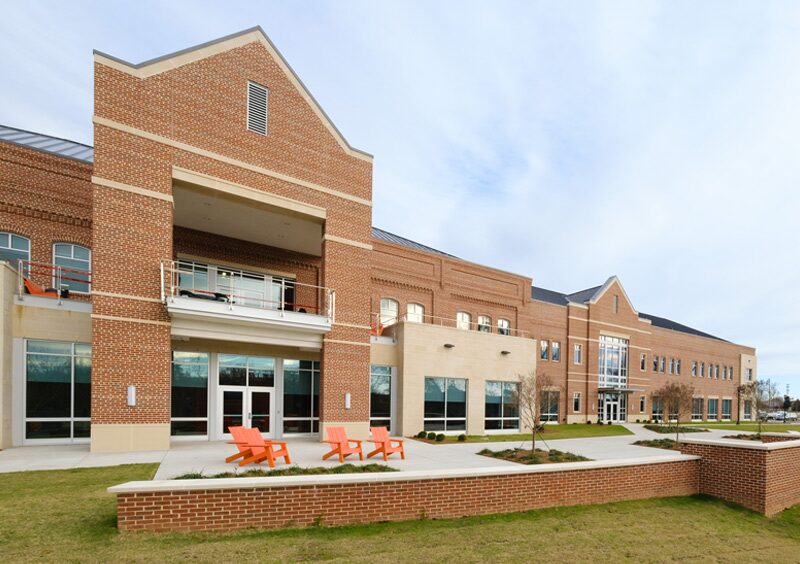
Mercer University School of Medicine (MUSM) is a distinguished medical institution located in Macon, Georgia. Founded in 1982, this private medical school has established itself as a leader in training physicians specifically to serve rural and medically underserved communities in Georgia.
Program Duration and Structure
Mercer University School of Medicine offers a traditional 4-year MD program structured as follows:
- Years 1-2: Problem-Based Learning (PBL) curriculum focusing on basic sciences
- Year 3: Core clinical clerkships (48 weeks)
- Year 4: Sub-internships, community medicine, and elective rotations
Location and Campus Details
The school operates across multiple campuses in Georgia:
- Primary Campus: Macon, GA (urban setting)
- Clinical Training Sites: Columbus, Savannah, and Valdosta
- Clinical Partners: Medical Center Navicent Health, HCA Coliseum Medical Centers, HCA Memorial Health University Medical Center, Piedmont Columbus Regional, and St. Francis Hospital
Accreditation Status
Mercer University School of Medicine holds full LCME (Liaison Committee on Medical Education) accreditation for granting the MD degree. The school is scheduled for LCME review for accreditation renewal in academic year 2028-2029. This accreditation ensures that graduates can sit for the USMLE and qualify for residency programs nationwide.
Unique Features and Mission Focus
Unlike most medical schools, Mercer has a highly specific mission: educating physicians to meet the primary care and healthcare needs of rural and medically underserved areas of Georgia. This mission-driven approach is reflected in:
- Exclusive acceptance of Georgia residents only
- Case-based curriculum emphasizing rural medicine
- Early patient experiences in community settings
- Strong emphasis on primary care training
Admission Requirements
Academic Prerequisites
Minimum Degree Requirements
- Bachelor’s degree from a regionally accredited college or university
- Degree must be completed by June of the intended year of matriculation
- Graduate and professional degrees are also acceptable
Required Courses
Applicants must complete a minimum of one year (or two semester-hour laboratory courses) in each of the following:
- General Biology (with lab)
- General or Inorganic Chemistry (with lab)
- Organic Chemistry (with lab) – A semester of Biochemistry with lab may substitute for one semester
- Physics (with lab) – AP credit may be used for one semester
Important Note: If AP credit was used for any required courses (except Physics), one year of advanced courses with lab in the same discipline must be completed.
GPA Requirements
- Median GPA: 3.79 (Class of 2027)
- Average Overall GPA: 3.70 (Class of 2027)
- Average BCPM GPA: 3.61 (Class of 2027)
While there’s no minimum GPA stated, successful applicants typically maintain competitive academic records well above 3.5.
Standardized Testing
MCAT Requirements
- Median MCAT Score: 503 (Class of 2027)
- Average MCAT Score: 504 (Class of 2027)
- Minimum Percentile: 24th percentile or higher required
- Test Date Requirements: Must be taken on or after April 1, 2022
- Score Consideration: Only the highest MCAT score is considered
- Retake Policy: Allowed, but only highest score reviewed
Residency and Citizenship Requirements
Eligibility Criteria
- Must be a U.S. citizen or permanent resident
- Must establish Georgia residency for at least 12 months prior to matriculation
- Successful applicants typically demonstrate significant roots in Georgia (residential, family, personal, or professional connections)
Non-Academic Requirements
The school takes a holistic approach evaluating:
- Clinical experience and exposure
- Research experience
- Community service and volunteering
- Leadership activities
- Commitment to serving rural and underserved populations
- Personal characteristics and motivations
Application Process & Timeline
Application System
Mercer University School of Medicine uses AMCAS (American Medical College Application Service) for primary applications.
- School Code: GA-832
- Application Opens: Early June
- Primary Application Deadline: November 1, 2025
Required Documents
- Completed AMCAS application
- Official transcripts through AMCAS
- Letters of recommendation (minimum 3 required)
- Personal statement
- Work and activities descriptions
- Secondary application (sent after primary review)
Secondary Application
The secondary application includes approximately 10 essay questions focusing on:
- Understanding of rural medicine
- Connection to medically underserved populations
- Alignment with Mercer’s mission
- Personal experiences and unique attributes
- Service experiences
- Academic explanations (if needed)
Essay Word Limit: Most essays limited to 230 words
Interview Process
- Interview Format: Traditional interviews (not MMI)
- Interview Season: Fall/Winter following application submission
- Interview Statistics: Approximately 89 candidates interviewed out of 209 applications (based on recent data)
- Interview Invitation: Sent based on holistic review of completed applications
Note: The school does not require CASPer testing, unlike many other medical schools.
Post-Interview Process
- Acceptance decisions communicated via email and applicant portal
- Rolling admissions process
- Deposit required to secure position
- Final acceptance deadline: varies by individual acceptance
Admission Statistics & Success Rates
Overall Acceptance Rate
Mercer University School of Medicine has an acceptance rate of approximately 14.4% based on recent data, making it moderately competitive among medical schools.
Application Volume and Class Size
- Applications Received: Approximately 1,211 annually
- Students Matriculated: 174 per year
- Class Size: 174 first-year students
Academic Statistics of Admitted Students
- Median MCAT: 503
- Average MCAT: 504
- Median GPA: 3.79
- Average Overall GPA: 3.70
- Average BCPM GPA: 3.61
Demographics and Background
As a Georgia-only school, all admitted students are:
- Georgia residents
- U.S. citizens or permanent residents
- Diverse academic backgrounds welcomed
- Strong commitment to serving rural/underserved populations
Comparison with National Averages
Mercer’s statistics are slightly lower than national averages (national median MCAT ~513, GPA ~3.8), reflecting its mission-focused approach and holistic evaluation process that prioritizes fit with the school’s rural medicine mission.
Tuition & Financial Information
Current Tuition Rates
2024-2025 Academic Year:
- Tuition: $45,763 annually
- Technology/Facilities Fee: $150 per semester (9+ credit hours)
Note: Mercer is a private institution, so tuition is the same for all students regardless of residency status.
Total Cost of Attendance
4-Year Program Total Estimated Cost: ~$260,000+
- Annual Tuition: $45,763
- Estimated Living Expenses: ~$18,000 annually
- Books and Supplies: ~$1,000-2,000 annually
- Health Insurance: $2,668-$10,308 annually (varies by age)
Financial Aid Options
- Federal Financial Aid: Available through FAFSA
- Merit-based Scholarships: Limited institutional scholarships available
- Need-based Aid: Federal loan programs
- External Scholarships: Students encouraged to apply for outside funding
Cost Comparison
At $45,763 annually, Mercer’s tuition is competitive with other private medical schools and significantly lower than some elite institutions that charge $60,000+ annually.
Click To See Hundreds Of Consultants Who Can Mentor You:
Curriculum & Program Structure
Program Duration and Structure
Mercer follows a traditional 4-year MD program with distinctive features:
Years 1-2: Pre-Clinical Education
- Problem-Based Learning (PBL) approach
- Small-group, student-centered learning
- Clinical skills development from Year 1
- Pass/fail grading system
- Early patient contact
Year 3: Core Clinical Clerkships (48 weeks)
- Internal Medicine: 12 weeks
- Surgery: 8 weeks
- Pediatrics: 8 weeks
- Family Medicine: 8 weeks
- Obstetrics and Gynecology: 6 weeks
- Psychiatry: 6 weeks
- Longitudinal Courses: Ethics, Quality Improvement, Healthcare Systems
Year 4: Advanced Clinical Training
- Sub-internship: 4 weeks (required)
- Community Medicine: 4 weeks (required)
- Selectives: 8 weeks in Critical Care, Emergency Medicine, Geriatrics, or Sub-specialty
- Electives: 16 weeks in area of interest
- Interview Time: 8 weeks for residency interviews
- Capstone Course: Final preparation for internship
Educational Philosophy
- Problem-Based Learning (PBL): Emphasis on small-group learning and critical thinking
- Patient-Centered Approach: Early clinical exposure and community-based learning
- Rural Medicine Focus: Curriculum designed to prepare physicians for rural and underserved practice
- Holistic Assessment: Evaluation based on problem-solving, collaboration, and professional development
Clinical Training Sites
Students train at prestigious affiliated hospitals:
- Macon: Atrium Health Navicent, Piedmont Macon Medical Center
- Columbus: Piedmont Columbus Regional, St. Francis Hospital
- Savannah: Memorial Health University Medical Center
- Rural Sites: Various locations throughout Georgia
Pre-Medical Preparation
Undergraduate Program Recommendations
Mercer welcomes students from diverse academic backgrounds. While there’s no preferred major, successful applicants typically:
- Complete required science courses with strong performance
- Maintain competitive GPA (3.5+ recommended)
- Gain significant clinical and community service experience
Academic Planning Strategies
- Early Planning: Begin prerequisite courses freshman/sophomore year
- MCAT Timing: Take MCAT during junior year or early senior year
- GPA Maintenance: Consistent performance throughout undergraduate career
- Advanced Coursework: Consider upper-level science courses beyond prerequisites
Clinical Experience Requirements
While not explicitly stated, successful applicants typically have:
- Clinical Exposure: Hospital volunteering, clinical research, or healthcare employment
- Rural/Underserved Experience: Particularly valued given school mission
- Quality over Quantity: Meaningful, sustained experiences preferred
Research Experience
- Not Required: But research experience can strengthen applications
- Types Valued: Community health, rural medicine, public health research
- Publications: Not necessary but beneficial
Community Service and Leadership
Essential for demonstrating mission alignment:
- Underserved Populations: Experience working with rural or underserved communities
- Leadership Roles: Demonstration of leadership potential
- Long-term Commitment: Sustained involvement preferred over short-term activities
MCAT Preparation
- Target Score: 500+ to be competitive (24th percentile minimum)
- Balanced Scores: All sections should meet minimum thresholds
- Retake Considerations: Consider retaking if below 500
Frequently Asked Questions
What is Mercer University School of Medicine’s average GPA and MCAT score?
The median GPA for admitted students is 3.79, and the median MCAT score is 503. The average MCAT is 504, making Mercer moderately competitive compared to other medical schools.
Does Mercer University School of Medicine accept out-of-state applicants?
No, Mercer exclusively accepts Georgia residents who are U.S. citizens or permanent residents. Applicants must establish Georgia residency for at least 12 months prior to matriculation.
How competitive is Mercer University School of Medicine?
With an acceptance rate of approximately 14.4%, Mercer is moderately competitive. However, the Georgia residency requirement significantly limits the applicant pool compared to schools that accept national applications.
What makes Mercer University School of Medicine different from other medical schools?
Mercer’s unique mission focuses specifically on training physicians for rural and medically underserved areas of Georgia. The curriculum emphasizes problem-based learning, early clinical exposure, and community-based medicine.
Does Mercer University School of Medicine require research experience?
Research experience is not required but can strengthen applications. The school values community health and rural medicine research that aligns with its mission.
What clinical experience do I need for Mercer University School of Medicine?
While specific hour requirements aren’t stated, successful applicants typically have significant clinical exposure, particularly in rural or underserved settings that align with the school’s mission.
Does Mercer University School of Medicine require CASPer testing?
No, Mercer does not require CASPer testing, unlike many other medical schools.
How many letters of recommendation does Mercer University School of Medicine require?
Mercer requires a minimum of three letters of recommendation, with at least one from a science faculty member who taught the applicant.
What is Mercer University School of Medicine’s curriculum like?
Mercer uses a problem-based learning (PBL) approach with small-group, student-centered education. The curriculum emphasizes early patient contact, rural medicine, and community-based learning experiences.
Where do Mercer University School of Medicine graduates match for residency?
Graduates typically match in primary care specialties and programs throughout the Southeast, with many choosing residencies that prepare them to serve rural and underserved communities. The school has strong partnerships with residency programs in Georgia.
How much does Mercer University School of Medicine cost?
Annual tuition for 2024-2025 is $45,763, with total annual costs including living expenses estimated at approximately $65,000-70,000.
What financial aid is available at Mercer University School of Medicine?
Students can access federal financial aid through FAFSA, including federal loans. The school offers limited merit-based scholarships and encourages students to apply for external funding opportunities.
When should I apply to Mercer University School of Medicine?
Primary applications through AMCAS should be submitted early in the cycle, with the final deadline of November 1. Early submission is recommended as the school practices rolling admissions.
Does Mercer University School of Medicine accept international students?
No, applicants must be U.S. citizens or permanent residents. International students are not eligible for admission.
Does Mercer University School of Medicine prefer in-state applicants?
Mercer exclusively accepts Georgia residents, so all applicants must establish Georgia residency. The school looks for candidates with significant ties to Georgia and commitment to serving the state’s rural and underserved populations.
Mercer University School of Medicine offers an exceptional opportunity for Georgia residents passionate about serving rural and underserved communities. With its mission-focused curriculum, problem-based learning approach, and strong clinical partnerships throughout Georgia, Mercer prepares physicians who make a meaningful difference in addressing healthcare disparities. While competitive, the school’s holistic evaluation process values mission alignment and community commitment alongside academic excellence, making it an ideal choice for applicants dedicated to rural medicine and community health.