Last updated on January 9th, 2026 at 06:32 am
Program Overview & Institution Identity
Official Program Name and Location
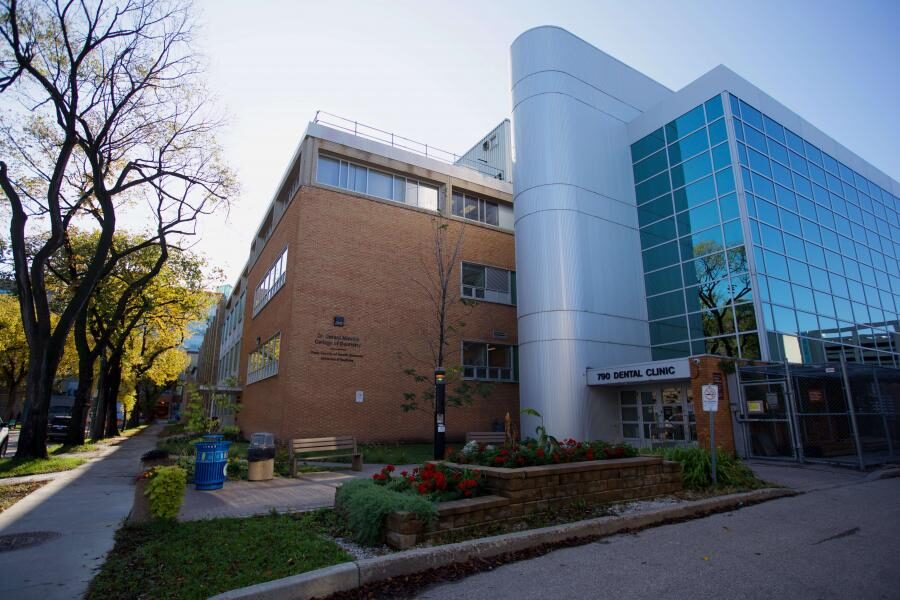
The Max Rady College of Medicine at the University of Manitoba is located in Winnipeg, Manitoba, Canada. As part of the Rady Faculty of Health Sciences at the University of Manitoba, this medical school has been providing quality medical education since 1883, making it one of Canada’s oldest medical schools.
Program Duration and Structure
The Max Rady College of Medicine offers a 4-year Doctor of Medicine (MD) program with a structured approach to medical education. The program includes pre-clinical years focused on foundational medical sciences and clinical years providing hands-on patient care experience.
Accreditation and Recognition
The Max Rady College of Medicine is fully accredited by the Committee on Accreditation of Canadian Medical Schools (CACMS), ensuring the program meets high standards for medical education in Canada. This accreditation allows graduates to practice medicine in Canada and makes them eligible for residency training programs across North America.
Unique Features
- Urban campus setting in Winnipeg, Manitoba’s largest city
- Combined MD/PhD program available for research-focused students
- Strong focus on Indigenous health and social justice initiatives
- Bilingual stream options available
- Extensive rural and remote training opportunities across Manitoba
Admission Requirements
Academic Prerequisites
Degree Requirements
All applicants must complete a Bachelor’s degree from a university recognized by the University of Manitoba by June 30, 2026 for the 2026-2027 application cycle.
GPA Requirements
- Minimum Adjusted Grade Point Average (AGPA): 3.30
- Median AGPA of admitted students: 4.28 (based on recent statistics)
- The AGPA includes all undergraduate university-level courses, including repeated courses and courses taken part-time or during spring/summer sessions
Course Prerequisites
While no specific prerequisite courses are mandated, the Association of American Medical Colleges (AAMC) recommends coursework in:
- Biology
- Chemistry
- Organic chemistry
- Physics
- Psychology
- Sociology
- Biochemistry
- Microbiology
- Research methods
Standardized Testing
MCAT Requirements
- MCAT required: Must be completed between April 2022 and September 13, 2025 for the 2026-2027 cycle
- Median MCAT score of admitted students: 514
- Results must be released to the University of Manitoba by October 15, 2025
- No minimum MCAT score specified, but the median provides a competitive benchmark
CASPer Test
The Situational Judgment Test (CASPer) is required for all applicants. This computer-based assessment evaluates personal and professional characteristics essential for success in medical school and practice.
Additional Requirements
Canadian Residency
Priority is given to:
- Manitoba residents
- Canadian Indigenous applicants
- Out-of-province Canadian applicants (limited to approximately 5% of available seats)
English Language Proficiency
International applicants and those whose first language is not English must demonstrate proficiency through accepted standardized tests.
Application Process & Timeline
Application Deadline
October 1, 2025 for the 2026-2027 admission cycle
Application System
The Max Rady College of Medicine uses a direct application system rather than OMSAS (Ontario Medical School Application Service). Applications are submitted directly to the University of Manitoba.
Required Documents
- Official transcripts from all post-secondary institutions
- MCAT scores
- CASPer test results
- Letters of reference
- Personal statement and essays
- Application fee
Interview Process
The school employs a Multiple Mini Interview (MMI) format for most applicants, with approximately 287 candidates invited to interview out of over 1,100 eligible applicants. Canadian Indigenous applicants may participate in a panel interview format.
Admission Statistics & Success Rates
Acceptance Rate
The Max Rady College of Medicine has an overall acceptance rate of approximately 11.8%, making it highly competitive among Canadian medical schools.
Application Volume and Class Size
- Total eligible applicants: Over 1,100 annually
- Interview invites: Approximately 287
- Class size: 140 students (increased from 110 in recent years)
Academic Statistics of Admitted Students
Class Profile Statistics:
- Median AGPA: 4.28
- AGPA Range: 3.38 – 4.50
- Median MCAT: 514
- MCAT Range: 480 – 526
Applicant Pool Breakdown
- Manitoba applicants: ~45% of total applicants
- Out-of-province applicants: ~50% of total applicants
- Canadian Indigenous applicants: ~5% of total applicants
Tuition & Financial Information
2024-2025 Tuition Fees
- Canadian students: $11,171 – $11,658 per year
- International students: Not currently accepted (enrollment limited to domestic students with priority given to domestic applicants)
Total Program Cost
- 4-year program total: Approximately $44,684 – $46,632 for Canadian students
- Additional costs include books, equipment, and living expenses
Financial Aid Options
- Merit-based scholarships
- Need-based financial assistance
- Government student loans (federal and provincial)
- Work-study opportunities
Living Expenses
Winnipeg offers a relatively affordable cost of living compared to other major Canadian cities, with reasonable housing options near campus.
Click To See Hundreds Of Consultants Who Can Mentor You:

Curriculum & Program Structure
Program Timeline
The 4-year MD program follows a traditional structure:
- Years 1-2: Pre-clinical education focused on basic medical sciences
- Years 3-4: Clinical rotations in various medical specialties
Educational Approach
- Multiple Mini Interview (MMI) assessment for admissions
- Problem-based learning approaches
- Early clinical exposure
- Research opportunities throughout the program
- Community-based learning experiences
Special Programs
- MD/PhD combined program for research-oriented students
- Bilingual stream for French-speaking students
- Rural medicine track with extensive training in rural and remote communities
- Indigenous health initiatives integrated throughout the curriculum
Clinical Training Sites
Students train at various affiliated hospitals and clinics throughout Manitoba, including urban, rural, and remote locations, providing diverse clinical experiences.
Pre-Medical Preparation
Academic Planning
- Complete a bachelor’s degree with strong academic performance (aim for AGPA above 4.0)
- Consider taking recommended science courses
- Maintain consistent academic excellence throughout undergraduate studies
MCAT Preparation
- Plan to take the MCAT well in advance of application deadlines
- Target a score of 514 or higher based on median admitted student statistics
- Allow time for retakes if necessary
Extracurricular Activities
- Gain clinical experience through volunteering or employment in healthcare settings
- Participate in research projects
- Demonstrate leadership and community service
- Show long-term commitment to chosen activities
CASPer Test Preparation
- Familiarize yourself with the CASPer format and expectations
- Practice ethical reasoning and situational judgment scenarios
- Complete the test well before application deadlines
Frequently Asked Questions
What is the Max Rady College of Medicine’s average GPA and MCAT score?
The median AGPA for admitted students is 4.28 and the median MCAT score is 514.
How competitive is the Max Rady College of Medicine?
Very competitive, with an acceptance rate of approximately 11.8% and over 1,100 eligible applicants competing for 140 seats.
Does the Max Rady College of Medicine prefer Manitoba applicants?
Yes, strong preference is given to Manitoba residents, followed by Canadian Indigenous applicants, with only about 5% of seats available to out-of-province applicants.
When should I apply to the Max Rady College of Medicine?
The application deadline is October 1st annually. Begin preparing at least one year in advance.
Does the Max Rady College of Medicine accept international students?
Currently, enrollment priority is given to domestic students, with very limited opportunities for international applicants.
What clinical experience do I need?
While no specific amount is required, competitive applicants typically have substantial clinical exposure through volunteering, employment, or research in healthcare settings.
Is research experience required?
Research experience is not mandatory but is valued in the holistic evaluation process and can strengthen your application.
How many letters of recommendation are required?
Specific requirements are outlined in the application materials, typically including academic and non-academic references.
What is the curriculum like at the Max Rady College of Medicine?
The 4-year program includes 2 years of pre-clinical education followed by 2 years of clinical rotations, with opportunities for rural and remote training.
Where do Max Rady College of Medicine graduates match for residency?
Graduates successfully match across various specialties in Canada and have opportunities for international residency programs.
How much does the Max Rady College of Medicine cost?
Annual tuition ranges from $11,171-$11,658 for Canadian students, with total program costs around $44,684-$46,632 over four years.
What financial aid is available?
Options include merit scholarships, need-based aid, government student loans, and work-study opportunities.
Does the Max Rady College of Medicine offer interviews to all qualified applicants?
No, approximately 287 candidates are invited to interview from over 1,100 eligible applicants, making interview selection highly competitive.
The Max Rady College of Medicine at the University of Manitoba offers excellent medical education with strong community connections and diverse training opportunities. Success requires exceptional academic performance, strong MCAT scores, meaningful extracurricular experiences, and careful application preparation. The school’s commitment to serving Manitoba and broader Canadian healthcare needs makes it an excellent choice for aspiring physicians dedicated to serving diverse communities.