Last updated on January 9th, 2026 at 06:32 am
Program Overview & Institution Identity
Official Program Name
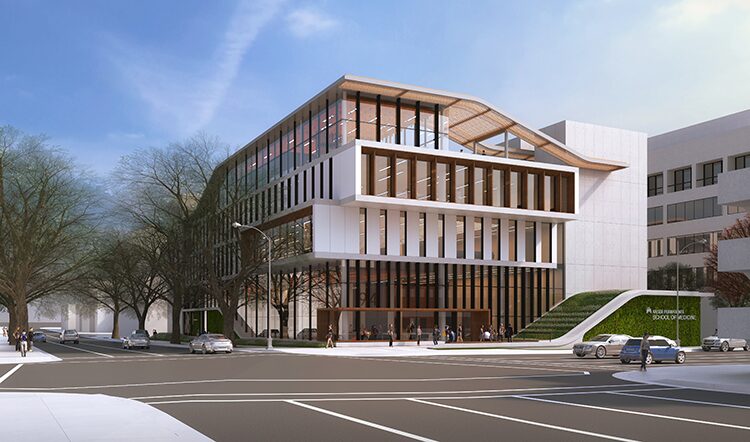
The Kaiser Permanente Bernard J. Tyson School of Medicine (KPSOM) is a private, non-profit medical institution located in Pasadena, California. Named after Bernard J. Tyson, the former chairman and CEO of Kaiser Permanente, this medical school represents a significant investment in training the next generation of physicians.
Program Duration and Structure
KPSOM offers a 4-year MD program with an innovative curriculum structure. The school follows a unique educational approach called the INSPIRE Curriculum, which encompasses the tenets of Integration, Nurturance, Scholarship, Population Health, Innovation, Resilience, and Equity.
The program features:
- Early Immersive Experience beginning in Year 1
- Longitudinal Integrated Clerkships (LICs)
- Case-based, spiral progression learning methodology
- Integration of Biomedical Science, Clinical Science, and Health Systems Science
- Students join clinical care teams from the beginning of their education
Location and Campus Details
Kaiser Permanente Bernard J. Tyson School of Medicine is located at 98 S. Los Robles Avenue, Pasadena, CA 91101. The campus is strategically positioned:
- 10 miles from downtown Los Angeles
- In the culturally rich San Gabriel Valley
- Near prestigious institutions like Caltech and NASA Jet Propulsion Laboratory
- In a walkable, bike-friendly city with year-round sunny weather
The medical education building is designed with future-focused technology, facilitating student collaboration and incorporating evolving best practices in medical education.
Accreditation Status
KPSOM holds full accreditation from multiple prestigious organizations:
- Liaison Committee on Medical Education (LCME) – Full accreditation for medical education programs leading to the MD degree
- WASC Senior College and University Commission (WSCUC) – Initial institutional accreditation awarded in 2024
- California Bureau for Private Postsecondary Education (BPPE) – Approval to offer degree programs
This comprehensive accreditation ensures that KPSOM graduates are eligible for USMLE examinations and residency training programs across the United States.
Ranking and Recognition
As a relatively new institution (first class matriculated in 2020), KPSOM is still establishing its presence in national rankings. However, the school has gained recognition for:
- 100% Match Rate for all graduating classes
- Strong residency placement at prestigious institutions including UCLA, UCSF, and University of Washington
- Exemplary commitment to equity, inclusion, and diversity (EID)
- Innovative curriculum emphasizing population health and community service
Admission Requirements
Academic Prerequisites
Minimum Degree Requirements
Applicants must hold a bachelor’s degree in any area of study from a regionally accredited college or university in the U.S. or Canada. Students in other degree-granting programs may not apply unless they will complete their degree before enrolling.
Required Courses
KPSOM requires completion of the following prerequisite courses:
Required Prerequisite Courses:
- Behavioral or social science (anthropology, economics, ethnic studies, psychology, sociology): one-half academic year (one quarter or one semester)
- General biology with laboratory: one academic year
- General or inorganic chemistry with laboratory: one academic year (three quarters or two semesters)
- General physics with laboratory: one academic year
- Humanities (art, English, history, literature, philosophy): one-half academic year
Recommended Courses:
- Organic chemistry and biochemistry
- Calculus
- Statistics
- Population health, epidemiology, or other public health course
- Language other than English (Spanish, Mandarin, American Sign Language, etc.)
GPA Requirements
Based on admission statistics:
- Median GPA: 3.92
- Average GPA: 3.85
- The school conducts holistic review, considering GPA in the context of other experiences and attributes
- Both overall GPA and science GPA are evaluated
Standardized Testing
MCAT Requirements
- Median MCAT Score: 517
- Average MCAT Score: 517
- MCAT must be taken no later than September 2025 for the 2026 application cycle
- Score Validity: Scores considered from July 2023 through September 2025 (3-year validity period)
- No minimum score requirement, but competitive applicants typically score well above 517
AAMC PREview Professional Readiness Exam
KPSOM requires the AAMC PREview Professional Readiness Exam for all MD Program and MD-PhD applicants:
- Deadline: November 1st
- No minimum score requirement
- Scores do not expire
- Required to complete the KPSOM application
Extracurricular Activities & Experience Requirements
Admissions Philosophy
KPSOM emphasizes a holistic review process that considers:
- Academic achievements in relation to experiences, milestones, and personal attributes
- Commitment to the school’s mission
- Intelligence, curiosity, and creativity
- Passion for learning and collaborative spirit
- Dedication to delivering outstanding patient care
Valued Experiences
The school looks for candidates with:
- Clinical exposure and patient care experience
- Research experience (basic science, clinical, public health)
- Community service and volunteering
- Leadership experience
- Cultural competency and diversity of perspectives
Eligibility Requirements
KPSOM accepts applications only from:
- U.S. citizens
- Permanent residents
- DACA recipients
Application Process & Timeline
Application System
KPSOM uses the AMCAS (American Medical College Application Service) for primary applications.
Key Deadlines for 2026 Admissions Cycle
- AMCAS Primary Application: Opens early May 2025
- Application Deadline: October 1, 2025
- AAMC PREview Exam Deadline: November 1, 2025
- MCAT Latest Date: September 2025
Required Documents
Primary Application (AMCAS):
- Personal information and background
- Academic transcripts (verified through AMCAS)
- MCAT scores
- Work and activities descriptions
- Personal statement
- Letters of recommendation
Secondary Application:
- School-specific essays and questions
- Additional documentation as requested
Letters of Recommendation:
- Number and specific requirements detailed in application materials
- Must be submitted through AMCAS letter service
Interview Process
KPSOM conducts interviews for selected candidates:
- Interview invitations sent after holistic review of applications
- Format and structure vary (may include traditional, MMI, or panel interviews)
- Both virtual and in-person options may be available
- Post-interview decisions communicated according to AAMC guidelines
Application Fees
- AMCAS primary application fee (standard AAMC fees apply)
- Secondary application fees as determined by the school
Admission Statistics & Success Rates
Overall Acceptance Rate
Based on recent data from multiple academic years:
- 2024-2025: 0.67% (51 matriculants from 7,593 applicants)
- 2023-2024: 0.65% (50 matriculants from 7,731 applicants)
- 2022-2023: 0.61% (50 matriculants from 8,229 applicants)
- 2021-2022: 0.43% (50 matriculants from 11,583 applicants)
KPSOM is extremely competitive, with acceptance rates consistently below 1%, making it one of the most selective medical schools in the country.
Application Volume and Class Size
- Current Class Size: 51 students (2024-2025)
- Target Class Size: 48-50 students per year
- Application Trend: Decreasing application volume from initial peak, suggesting more targeted applications
Demographics of Admitted Students
Gender Distribution (2024-2025)
- Male: 37.3% (19 students)
- Female: 60.8% (31 students)
- Trend shows slight preference for female applicants
Geographic Distribution (2024-2025)
- California Residents: 52.9% (27 students)
- Out-of-State: 47.1% (24 students)
- The school maintains relatively balanced in-state vs. out-of-state representation
Academic Statistics
- Median GPA: 3.92
- Median MCAT: 517
- These statistics represent highly competitive standards, well above national averages
Match Results and Residency Placement
100% Match Rate for all graduating classes:
2025 Match Results:
- Students matched at prestigious institutions including:
- Stanford Medical Center
- UCLA Medical Center
- UCSF Medical Center
- Massachusetts General Hospital
- Mount Sinai Hospital
- University of Washington
Top Specialties Matched:
- Internal Medicine
- Emergency Medicine
- Family Medicine
- 38% of graduates enter primary care specialties
Geographic Distribution of Matches:
- 62% remain in California for residency
- 19% match to Kaiser Permanente residency programs
- National distribution across 19 states and Washington, D.C.
Tuition & Financial Information
Current Tuition Structure
Revolutionary Tuition Model:
- Tuition for classes entering 2020-2026: $0 (FREE)
- All fees waived for four years of enrollment
- This applies to both in-state and out-of-state students
- Note: This free tuition model is scheduled to end with the class entering in Fall 2026
Post-2026 Tuition Expectations
For classes entering after Fall 2026:
- Projected Tuition: Approximately $61,494 annually
- Total 4-Year Program Cost: ~$245,976 (tuition only)
Additional Costs
While tuition may be free for current classes, students are responsible for:
- Living expenses (housing, food, transportation)
- Technology fees (if applicable)
- Health insurance (if not covered by family plan)
- Medical equipment and supplies
- Board examination fees (USMLE)
Living Expenses in Pasadena
- Cost of living: Moderate to high (Southern California market)
- Housing options: Campus-adjacent apartments and shared housing
- Transportation: Access to public transit and bike-friendly environment
Financial Aid Options
- Grant aid available for students with demonstrated financial need
- Federal financial aid programs (for eligible students)
- Merit-based scholarships (criteria and availability vary)
- Work-study opportunities within the Kaiser Permanente system
Click To See Hundreds Of Consultants Who Can Mentor You:
Curriculum & Program Structure
Program Duration and Philosophy
The 4-year MD program follows the INSPIRE Curriculum framework:
- Integration: Biomedical, Clinical, and Health Systems Sciences
- Nurturance: Supportive learning environment
- Scholarship: Research and scholarly projects
- Population Health: Focus on community health
- Innovation: Cutting-edge educational methods
- Resilience: Well-being and stress management
- Equity: Commitment to health equity and inclusion
Educational Methodology
Case-Based, Interactive Learning:
- Small-group approach throughout all four years
- Spiral progression: Concepts revisited with increasing complexity
- Problem-Based Learning (PBL) methodology
- Technology integration and simulation-based learning
Pre-Clinical Years (Years 1-2)
Year 1 Features:
- Early Immersive Experience: Clinical exposure from day one
- Integration of basic science concepts with clinical applications
- Anatomy Resource Center: State-of-the-art anatomical learning
- Simulation Center: Hands-on skill development
Assessment Methods:
- Comprehensive evaluation combining traditional and innovative assessment
- Focus on competency-based progression
Clinical Training (Years 3-4)
Clinical Rotation Structure:
- Longitudinal Integrated Clerkships (LICs)
- Core rotations in major specialties
- Elective opportunities for specialty exploration
- Clinical sites: Seven locations throughout Southern California
Clinical Partners:
- Kaiser Permanente medical centers and hospitals
- Community-based clinical sites
- Diverse patient populations and healthcare settings
Special Programs and Opportunities
Combined Degree Options
- MD/MPH: Joint degree in Public Health
- MD/PhD: Research-intensive dual degree program
Research and Scholarly Projects
- Mandatory scholarly project requirement
- Research opportunities in basic science, clinical research, and public health
- Faculty mentorship and guidance
Service-Learning Component
- Community engagement integrated into curriculum
- Focus on health equity and underserved populations
- Real-world application of public health principles
Residency Preparation
USMLE Support:
- Comprehensive preparation for all USMLE steps
- Strong pass rates (specific rates not published for new school)
- Match preparation and career counseling services
Career Services:
- Residency application support
- Interview preparation and coaching
- Specialty exploration and mentorship programs
Pre-Medical Preparation
Undergraduate Program Recommendations
Optimal Majors
While KPSOM accepts students from any undergraduate major, successful applicants often have backgrounds in:
- Biological Sciences (Biology, Biochemistry, Neuroscience)
- Physical Sciences (Chemistry, Physics)
- Health-Related Fields (Public Health, Health Sciences)
- Liberal Arts and Humanities (valued for diverse perspectives)
- Social Sciences (Psychology, Sociology, Anthropology)
Academic Planning Strategy
Course Sequencing:
- Complete prerequisite courses with strong performance
- Balance science requirements with diverse academic interests
- Consider taking recommended courses to strengthen application
GPA Optimization:
- Maintain consistently high academic performance
- Focus on both overall and science GPA
- Address any academic weaknesses through post-baccalaureate programs if necessary
Clinical Experience Planning
Types of Valued Clinical Exposure
- Direct patient contact through volunteering or employment
- Hospital volunteering in various departments
- Shadowing physicians in diverse specialties
- Clinical research with patient interaction components
- Community health initiatives and screenings
Quality vs. Quantity
KPSOM values meaningful, sustained clinical experiences over brief, superficial exposure:
- Long-term commitments demonstrate dedication
- Diverse patient populations align with school’s mission
- Leadership roles in clinical settings are particularly valued
Research Experience Strategy
Types of Research Valued by KPSOM
- Health systems research (aligns with curriculum focus)
- Population health and epidemiology studies
- Clinical research with direct patient impact
- Basic science research with translational applications
- Community-based participatory research
Research Outcomes
While publications are not required, they strengthen applications:
- Poster presentations at conferences
- Peer-reviewed publications (any authorship position)
- Research awards and recognition
Extracurricular Planning
Service and Volunteering
- Healthcare-related service (free clinics, health education)
- Community service addressing social determinants of health
- International service (medical missions, global health)
- Underserved population focus aligns with school values
Leadership Opportunities
- Student organization leadership positions
- Research project leadership roles
- Community initiative founding or coordination
- Healthcare advocacy and policy engagement
Standardized Test Preparation
MCAT Preparation Strategy
Timeline Planning:
- Begin preparation 6-12 months before test date
- Take practice exams to assess readiness
- Consider prep courses or tutoring for targeted improvement
- Plan for potential retakes if necessary (within 3-year validity window)
Score Improvement Focus:
- Target score above 517 for competitive application
- Balance all sections (no significant weaknesses)
- Consider school’s holistic review in context of other application elements
AAMC PREview Preparation
- Familiarize yourself with exam format and content
- Practice situational judgment scenarios
- No minimum score requirement, but preparation demonstrates commitment
Application Timeline Planning
Optimal Preparation Schedule
Junior Year:
- Complete majority of prerequisite courses
- Begin building clinical and research experiences
- Start MCAT preparation
- Begin exploring medical schools
Senior Year or Gap Year:
- Take MCAT and PREview exams
- Complete remaining prerequisites
- Finalize experiences and obtain letters of recommendation
- Submit applications early in cycle
Gap Year Considerations
Productive Gap Year Activities:
- Clinical employment (medical assistant, clinical research coordinator)
- Research positions (lab technician, research assistant)
- Service programs (AmeriCorps, Peace Corps, community health)