
Last updated on January 9th, 2026 at 06:32 am
Program Overview & Institution Identity
Official Program Name & Recognition
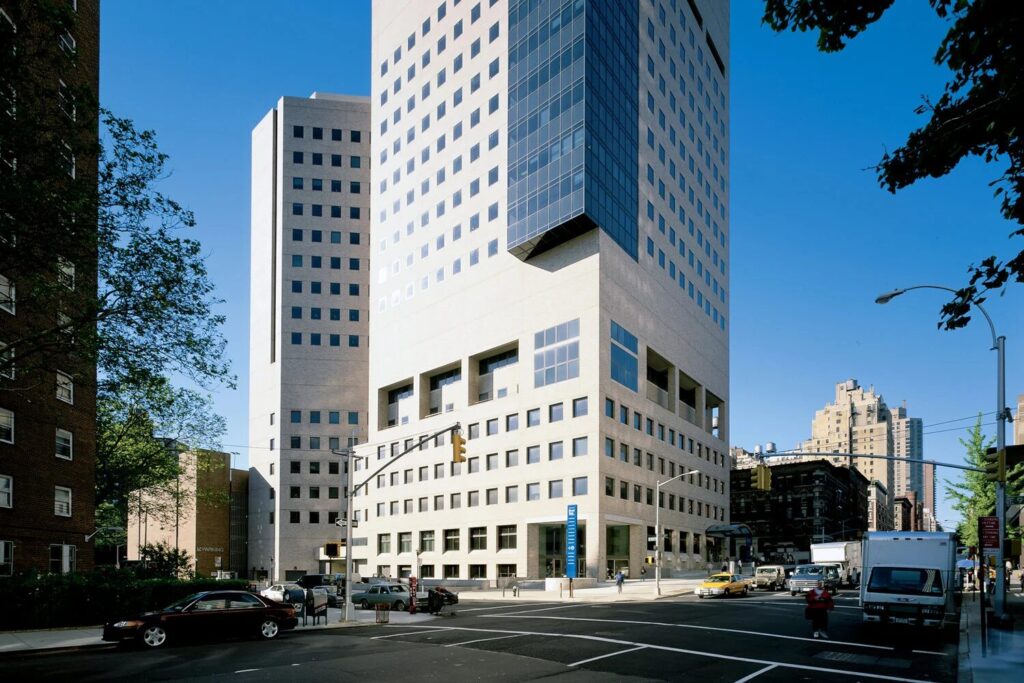
The Icahn School of Medicine at Mount Sinai, formerly known as Mount Sinai School of Medicine, stands as one of the most prestigious medical institutions in New York City. Founded in 1963, this private medical school has built a reputation for cutting-edge research, innovative medical education, and commitment to social justice in healthcare.
Program Duration & Structure
The Icahn School of Medicine offers a traditional 4-year MD program designed to prepare students for the evolving challenges of modern medicine. The curriculum integrates traditional medical education with state-of-the-art technologies and progressive teaching methods.
Location & Campus Details
Located in the heart of Manhattan at 1 Gustave L Levy Place, New York, NY 10029, the school sits on an urban campus in one of the world’s most vibrant cities. The prime Manhattan location provides students access to diverse clinical experiences across the Mount Sinai Health System, which comprises eight hospital campuses throughout New York City.
Accreditation Status
The Icahn School of Medicine at Mount Sinai is fully accredited by the Liaison Committee on Medical Education (LCME), the nationally recognized accrediting authority for MD programs in the United States. This accreditation ensures that graduates are eligible to sit for the USMLE examinations and apply for residency programs nationwide.
Ranking & Special Recognition
Notably, Icahn School of Medicine made headlines in 2023 when it withdrew from U.S. News & World Report medical school rankings, joining institutions like Harvard, Columbia, and Stanford in this decision. The school’s leadership cited concerns that rankings perpetuate systems of privilege and don’t adequately represent their commitment to diversity, equity, inclusion, and innovative research. Despite this withdrawal, the school maintains its reputation as a top-tier medical institution, consistently recognized for its research excellence and clinical innovation.
Admission Requirements
Academic Prerequisites
Degree Requirements
Applicants must have earned a bachelor’s degree from an accredited college or university in the United States or Canada. International students who received their undergraduate degree abroad must provide a course-by-course evaluation by a NACES member organization.
Required Coursework
The Icahn School of Medicine requires completion of the following prerequisite courses:
General Chemistry: One academic year
- Important: Students who received Advanced Placement (AP) credit in chemistry must take advanced science coursework in the corresponding area prior to enrollment
- Additional requirements: One semester of organic chemistry and one semester of biochemistry
Biology: One academic year
- Coursework should be completed within five years prior to application
- Students with AP credit in biology must take advanced science coursework in the corresponding area
Physics: One semester (AP exam with a score of 5 may fulfill this requirement)
Laboratory Work: One academic year in biology and/or chemistry
Mathematics: One semester of statistics (biostatistics preferred)
English: One academic year of English intensive writing courses
GPA Requirements & Statistics
While the school doesn’t publish a minimum GPA requirement, competitive applicants typically demonstrate exceptional academic performance:
- Median GPA: 3.95 (from provided data)
- Average GPA of admitted students: 3.81 (Class of 2027)
- Competitive Range: Most successful applicants have GPAs of 3.7 or higher
Standardized Testing
MCAT Requirements
The Medical College Admission Test (MCAT) is required for all applicants:
- Median MCAT Score: 520 (from provided data)
- Average MCAT Score: 519 (Class of 2027)
- Score Range: Competitive scores typically range from 515-525
- Validity Period: MCAT scores are considered relevant up to five years following the intended application cycle
Special Note on FlexMed Program
The Icahn School of Medicine offers a unique FlexMed Program (Donald and Vera Blinken FlexMed Program) for college sophomores, which does not require the MCAT. This early assurance program is open to students of any major who have completed one year of biology or chemistry.
Extracurricular Activities & Experience Requirements
The Icahn School of Medicine takes a holistic approach to admissions, evaluating candidates based on their diverse experiences and commitment to medicine and social justice. The admissions committee values:
- Clinical Experience: Direct patient care experience is highly valued
- Research Experience: The school’s strong research focus makes research experience beneficial
- Community Service: Commitment to underserved populations aligns with the school’s mission
- Leadership Experience: Demonstrated leadership capabilities in various settings
- Diversity of Experiences: The school celebrates diverse backgrounds and life experiences
Application Process & Timeline
Application System & Requirements
Icahn School of Medicine uses the AMCAS (American Medical College Application Service) for primary applications. Key components include:
Primary Application
- Deadline: October 1, 2025
- Application Fee: $110
- Required Documents:
- Official transcripts
- MCAT scores
- Letters of recommendation/evaluation
- Personal statement
- Work and activities descriptions
Secondary Application
After primary application review, qualified candidates receive secondary applications with school-specific essays:
- Deadline: November 1 (typically)
- Essay Prompts (2024-2025 cycle):
- Gap year activities description (100 words max)
- Adverse circumstances during pre-medical preparation (100 words max, optional)
- Community commitment or important identity aspects (150 words max, optional)
- Toughest feedback received and lessons learned (250 words max)
- Unfair or unjust situation experience (200 words max)
Financial Aid Application Process
Students must complete three financial aid applications:
- ISMMS Financial Aid Application
- FAFSA (Federal Application for Student Aid) – ISMMS code: G07026
- CSS Profile
- Priority Deadline: March 15 for incoming students
- Continuing Students: May 15
Interview Process
The interview process at Icahn is designed to assess candidates holistically:
- Format: Traditional one-on-one interviews (typically 30 minutes)
- Style: Open-file format where interviewers have access to applications
- Number of Interviewers: Typically 2 interviewers per candidate
- Stress Level: Generally low-stress environment (average stress level: 2.91/10)
- Interview Invitations: Sent on a rolling basis, typically beginning in fall
Admission Statistics & Success Rates
Overall Competitiveness
Icahn School of Medicine at Mount Sinai is extremely competitive, ranking among the most selective medical schools in the United States:
- Acceptance Rate: Approximately 1.34% (2025 cycle data)
- Total Applicants: 8,890 (2025 cycle)
- Students Enrolled: 119 per year
- Class Size: 119 first-year students
Academic Statistics of Admitted Students
GPA Statistics:
- Median GPA: 3.95
- Average GPA: 3.81
- Competitive Range: 3.7+ (most successful applicants)
MCAT Statistics:
- Median MCAT: 520
- Average MCAT: 519
- Score Range: 515-525 (competitive range)
- High-performing students often score 520+
Demographics & Diversity
The school is committed to creating a diverse student body and uses holistic admissions practices to consider:
- Geographic diversity (accepts out-of-state, Canadian, and international students)
- Diverse undergraduate majors and backgrounds
- Varied life experiences and perspectives
- Commitment to underserved populations and social justice
Tuition & Financial Information
Current Tuition Rates
As a private institution, Icahn School of Medicine charges the same tuition regardless of residency status:
- Annual Tuition: $70,653 (2025-2026)
- In-State Tuition: $70,653
- Out-of-State Tuition: $70,653
- International Student Tuition: $70,653
Additional Fees & Estimated Costs
Beyond tuition, students should budget for:
- Application Fee: $110
- Additional Fees: Technology fees, student services, health insurance
- Living Expenses: New York City living costs (housing, food, transportation)
- Total Estimated Cost of Attendance: Varies based on lifestyle and housing choices
Financial Aid & Scholarship Opportunities
Enhanced Scholarship Initiative (ESI)
The Icahn School of Medicine has implemented the Enhanced Scholarship Initiative to reduce debt burden for students with demonstrated financial need:
- Need-Blind Admissions: Admissions decisions are made without considering financial circumstances
- Need-Based Aid: Awards calculated based on demonstrated financial need
- Formula: Cost of Attendance – Expected Family Contribution = Financial Need
Types of Financial Aid
- Need-Based Scholarships: Institutional scholarships based on financial need
- Merit-Based Awards: Recognition of outstanding academic and personal achievements
- Federal Loan Programs: Access to federal student loan programs
- Work-Study Opportunities: On-campus employment opportunities
Cost of Living in New York City
Students should consider the high cost of living in Manhattan:
- Housing: On-campus housing available; off-campus options vary widely in price
- Transportation: Access to extensive NYC public transportation system
- Living Expenses: Estimated at significantly higher than national averages due to NYC location
Click To See Hundreds Of Consultants Who Can Mentor You:

Curriculum & Program Structure
Educational Philosophy & Approach
The Icahn School of Medicine employs innovative educational methods designed to prepare students for modern medical practice:
- Progressive Curriculum: Integration of traditional medical education with cutting-edge technologies
- Problem-Based Learning: Emphasis on critical thinking and clinical reasoning
- Technology Integration: State-of-the-art simulation-based learning
- Interdisciplinary Approach: Collaboration across medical specialties and disciplines
Program Structure
4-Year MD Program Timeline:
- Years 1-2: Pre-clinical foundation courses
- Years 3-4: Clinical rotations and electives
- Assessment: Mix of traditional grading and competency-based evaluation
Combined Degree Programs
The school offers several combined degree options for students interested in expanded career paths:
- MD/PhD Program: Combined medical and doctoral degree for aspiring physician-scientists
- MD/MPH Program: Integration of medical and public health education
Clinical Training Opportunities
Students gain clinical experience through the extensive Mount Sinai Health System:
- Hospital Network: Eight hospital campuses throughout New York City
- Diverse Patient Population: Exposure to varied clinical conditions and patient demographics
- Specialty Rotations: Access to top-ranked specialties and subspecialties
- Community-Based Rotations: Opportunities to serve underserved populations
Special Programs & Opportunities
FlexMed Program (Early Assurance)
- Target Audience: College sophomores
- Requirements: No MCAT required
- Flexibility: Open to students of any major
- Prerequisites: One year of biology or chemistry
Research Opportunities
As a research-intensive institution, students have access to:
- Cutting-Edge Research: Participation in groundbreaking medical research
- Faculty Mentorship: Work with world-renowned faculty researchers
- Publication Opportunities: Potential for peer-reviewed publications
- Research Funding: Access to research grants and funding opportunities
Pre-Medical Preparation
Optimal Undergraduate Preparation
Academic Planning
Major Selection:
- The school accepts students from any undergraduate major
- Strong foundation in sciences is important, but diverse academic backgrounds are welcomed
- FlexMed program specifically encourages non-science majors
Course Sequencing:
- Complete prerequisites early to allow for advanced coursework
- Consider taking additional upper-level science courses beyond minimums
- Statistics or biostatistics is particularly valuable for medical research
Clinical Experience Recommendations
Types of Clinical Exposure:
- Direct patient care experience through volunteering or employment
- Shadowing physicians across different specialties
- International medical missions or global health experiences
- Work in underserved communities aligns with school mission
Research Experience
Given the school’s research emphasis, prospective applicants should consider:
- Research Areas: Basic science, clinical research, public health, or translational research
- Duration: Long-term research commitments are viewed favorably
- Outcomes: Publications, presentations, or research awards strengthen applications
Community Service & Leadership
Service Learning:
- Commitment to underserved populations
- Healthcare access initiatives
- Social justice and health equity work
- Long-term community engagement rather than short-term volunteering
Leadership Development:
- Leadership roles in student organizations
- Initiative creation or program development
- Mentoring other students
- Advocacy for healthcare or social causes
Application Strategy & Timeline
Optimal Application Timeline
Junior Year:
- Complete MCAT preparation and testing
- Begin research on medical schools
- Cultivate relationships for letters of recommendation
- Continue clinical and research experiences
Senior Year/Gap Year:
- Submit AMCAS application by deadline (October 1)
- Complete secondary applications promptly
- Prepare for interviews
- Continue meaningful activities if taking gap year
MCAT Preparation Strategy
Study Timeline:
- Begin preparation 3-6 months before test date
- Take practice tests under timed conditions
- Consider retaking if score is below competitive range (515+)
- Plan test date to allow for potential retakes
Building a Competitive Application
Holistic Profile Development:
- Demonstrate genuine commitment to medicine and social justice
- Show progression and growth in experiences
- Articulate unique perspectives and contributions
- Align experiences with school’s mission and values
Frequently Asked Questions
What is Icahn School of Medicine’s acceptance rate?
Icahn School of Medicine at Mount Sinai has an extremely low acceptance rate of approximately 1.34%, making it one of the most competitive medical schools in the country.
Does Icahn School of Medicine accept international students?
Yes, Icahn School of Medicine accepts international students, Canadian students, and out-of-state applicants. The school values diversity and welcomes students from various backgrounds.
What are the average GPA and MCAT scores for Icahn School of Medicine?
The median GPA is 3.95 and median MCAT is 520. The average GPA of admitted students is 3.81 and average MCAT is 519.
When should I apply to Icahn School of Medicine?
The AMCAS application deadline is October 1, with secondary applications due November 1. Early submission is recommended due to rolling admissions.
What prerequisites does Icahn School of Medicine require?
Required courses include one year of general chemistry (plus organic chemistry and biochemistry), one year of biology, one semester of physics, one year of lab work, one semester of statistics, and one year of English.
Does Icahn School of Medicine require research experience?
While not explicitly required, research experience is highly valuable given the school’s strong research focus and competitive applicant pool.
How many letters of recommendation does Icahn School of Medicine require?
The school follows AMCAS requirements for letters of evaluation, typically requiring letters from science faculty and additional recommenders who can speak to your character and potential.
What makes Icahn School of Medicine different from other medical schools?
Icahn is known for its commitment to social justice, innovative research, diverse student body, prime NYC location, and progressive educational approach that integrates technology with traditional medical education.
What is Icahn School of Medicine’s curriculum like?
The school offers a 4-year MD program with innovative teaching methods, technology integration, problem-based learning, and extensive clinical training through the Mount Sinai Health System.
Where do Icahn School of Medicine graduates match for residency?
While specific match data wasn’t provided, as a highly-ranked institution with strong clinical training, graduates typically match into competitive residency programs across all specialties.
How much does Icahn School of Medicine cost?
Annual tuition is $70,653 for all students regardless of residency status. Total cost of attendance includes additional living expenses in New York City.
What financial aid is available at Icahn School of Medicine?
The school offers the Enhanced Scholarship Initiative (ESI) for students with demonstrated financial need, merit-based scholarships, federal loan programs, and work-study opportunities.
Does Icahn School of Medicine require interviews for all applicants?
No, interviews are by invitation only after review of primary and secondary applications. The school uses a holistic review process to select candidates for interviews.
What is the FlexMed Program?
FlexMed is an early assurance program for college sophomores that doesn’t require the MCAT. It’s open to students of any major who have completed one year of biology or chemistry.
What combined degree programs does Icahn School of Medicine offer?
The school offers MD/PhD and MD/MPH combined degree programs for students interested in research or public health careers.
This comprehensive guide provides prospective medical students with detailed information about the Icahn School of Medicine at Mount Sinai, from admission requirements and statistics to curriculum and financial aid opportunities. The school’s commitment to diversity, social justice, and innovative medical education makes it an attractive option for students seeking