Last updated on January 9th, 2026 at 06:33 am
Program Overview & Institution Identity
Official Program Name and Recognition
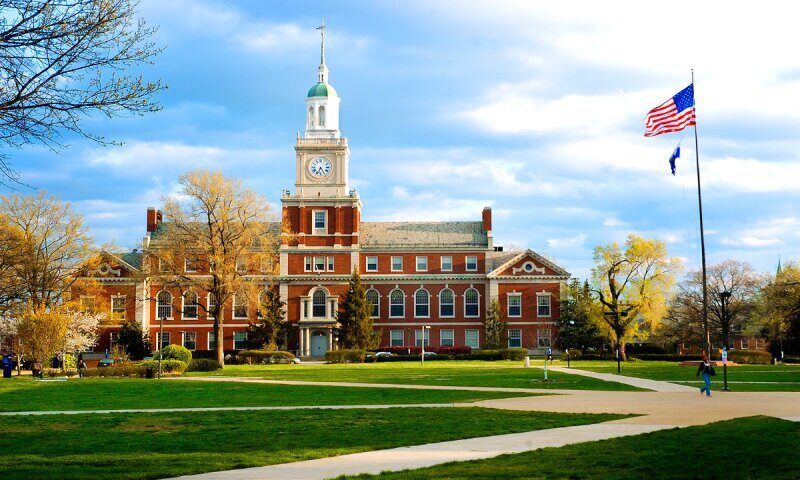
Howard University College of Medicine (HUCM), established in 1868, stands as the oldest and largest historically Black medical school in the United States and ranks as the 36th oldest medical school in the country. Located in Washington, DC, this prestigious private institution has played a pivotal role in medical education, contributing approximately half of the nation’s Black physicians until 1950.
Program Duration and Structure
Howard University College of Medicine offers a traditional 4-year MD program designed to produce physicians who are knowledgeable in modern medical science and skilled in critical clinical thinking. The curriculum follows an integrated approach that seamlessly blends theoretical learning with practical clinical experience.
Location and Campus Details
The medical school is situated on Howard University’s urban campus in Washington, DC, providing students with access to the nation’s capital and its rich healthcare infrastructure. The primary teaching hospital, Howard University Hospital, was completed in 1975 and serves as the main clinical training site. Students also complete rotations at affiliated hospitals including:
- Children’s National Medical Center
- MedStar Georgetown University Hospital
- MedStar Washington Hospital Center
- Johns Hopkins Hospital
- Memorial Sloan Kettering Cancer Center
- St. Elizabeth’s Hospital
- Washington Veterans Affairs Hospital
Accreditation Status
Howard University College of Medicine maintains full accreditation from the Liaison Committee on Medical Education (LCME). At its most recent LCME full survey visit in June 2017, the college received continued full accreditation for an 8-year period, demonstrating the institution’s commitment to meeting the highest educational standards.
Ranking and Recognition
While specific US News rankings vary annually, Howard University College of Medicine is consistently recognized for its commitment to training physicians who serve underserved communities. The institution has gained national recognition for its innovative educational approaches, including team-based learning and simulation-based training.
Admission Requirements
Academic Prerequisites
Minimum Degree Requirements
Prospective medical students must have earned 71 semester hours or the equivalent from an accredited US or Canadian college or university. While a bachelor’s degree is strongly preferred, the college may consider exceptional candidates who have completed the minimum credit requirements.
Required Courses with Credit Hour Requirements
- Biology/lab: 8 semester hours
- Inorganic Chemistry/lab: 8 semester hours
- Organic Chemistry/lab: 8 semester hours
- Physics/lab: 8 semester hours
- Mathematics/Statistics: 6 semester hours (any college-level math course)
- Biochemistry: 3 semester hours
- English: 6 semester hours
- Humanities Courses: 6 semester hours (includes additional English coursework, Languages, Art, Music, History, Philosophy, Religion)
Also Recommended Courses
- Anatomy & Physiology
- Cell Biology
- Developmental Biology & Embryology
- Genetics
- Neuroscience
- Microbiology
GPA Requirements
- Median GPA of admitted students: 3.67
- BS/MD Program requirements: Minimum science GPA of 3.25; minimum overall GPA of 3.5
- Competitive GPA range: While the median is 3.67, successful applicants typically demonstrate consistent academic excellence across all coursework
Standardized Testing
MCAT Requirements
- Required for all applicants: The MCAT is mandatory and can be taken any time but no later than January of the year seeking admission
- Median MCAT score of admitted students: 507
- Minimum MCAT score: 494 (scores below this threshold are not considered for interviews)
- BS/MD Program minimum: Total MCAT score of 504
- Validity period: Only MCAT scores taken within the last 3 years prior to matriculation will be considered
- Retake policy: The college considers all MCAT attempts, focusing on the highest scores while considering improvement trends
Extracurricular Activities & Experience Requirements
How Howard University College of Medicine Evaluates Non-Academic Criteria
HUCM uses a holistic evaluation system that considers:
- Clinical exposure and healthcare experience: Demonstrated commitment to healthcare through volunteer or paid positions
- Research experience: Basic science, clinical, or public health research
- Community service: Emphasis on service to underserved or disadvantaged populations
- Leadership capabilities: Evidence of leadership roles and initiative
- Personal qualities: Motivation, integrity, and commitment to the mission of serving underserved communities
Specific Mission Alignment
The college particularly values applicants who demonstrate:
- Experience working with medically underserved, economically disadvantaged, and/or educationally disadvantaged populations
- Plans to practice medicine in underserved or disadvantaged communities after residency
- Understanding of healthcare disparities and commitment to addressing them
Application Process & Timeline
Application System
Howard University College of Medicine participates in the American Medical College Application Service (AMCAS). All prospective applicants must submit their primary application through AMCAS.
Application Deadlines
- AMCAS Application Deadline: December 15 (of the year preceding intended matriculation)
- Secondary Application Deadline: January 15 (for applicants submitting AMCAS applications on or around December)
Required Documents
- AMCAS Application: Complete primary application with all required sections
- Official Transcripts: All college and university transcripts through AMCAS verification
- Letters of Recommendation: Minimum of three letters from science faculty, physicians, or supervisors
- Personal Statement: Demonstrating motivation for medicine and alignment with HUCM’s mission
- Secondary Application: School-specific essays and questions (sent after AMCAS verification)
Interview Process
- Interview Invitations: Sent from August through April
- Interview Volume: Approximately 300 students are interviewed annually out of over 8,000 applicants
- Interview Format: Traditional interviews with faculty, staff, and residents
- Timeline: Interviews are conducted from September through April
- Notification: Interview invitations are sent via email approximately one month prior to anticipated dates
Post-Interview Process
- First Acceptance Notifications: Begin October 15
- Interim Communications: Sent in mid-March to students not yet invited to interview
- Final Decisions: Final emails sent to non-interviewed applicants beginning in mid-March
Admission Statistics & Success Rates
Overall Acceptance Rate
Howard University College of Medicine has an acceptance rate of approximately 1.5%, making it a highly competitive medical school. With over 8,000 applications received annually for 125 available seats, the selectivity reflects the institution’s prestigious status and commitment to academic excellence.
Application Volume and Class Statistics
- Total Applications: Over 8,300 annually
- Interview Invitations: Approximately 300 students
- First-Year Class Size: 125 students
- Application to Interview Ratio: Approximately 3.6% of applicants receive interview invitations
Academic Statistics of Admitted Students
- Median MCAT Score: 507
- Median GPA: 3.67
- MCAT Range: While specific percentile ranges aren’t publicly available, competitive applicants typically score above 500
- GPA Range: Successful applicants generally maintain GPAs above 3.5
Geographic and Demographic Distribution
Howard University College of Medicine is friendly to:
- Out-of-State Applicants: Very friendly (accepts students from all states)
- Canadian Students: Yes, accepts Canadian applicants
- International Students: Yes, accepts international applicants with appropriate visa status
Comparison Data
Compared to other private medical schools, Howard University College of Medicine:
- Maintains competitive admission standards similar to top-tier institutions
- Offers relatively lower tuition compared to many private medical schools
- Demonstrates strong commitment to diversity and inclusion in medical education
- Provides exceptional training with focus on underserved populations
Tuition & Financial Information
Current Tuition Rates
Howard University College of Medicine charges the same tuition for all students regardless of residency status:
- In-State Tuition: $58,690
- Out-of-State Tuition: $58,690
- International Students: $58,690
This uniform pricing structure makes HUCM more accessible compared to many private medical schools that charge higher rates for out-of-state students.
Total Cost of Attendance (2020-2021 Academic Year)
Based on the most recent available data:
- Tuition: $46,610
- Fees: $1,790
- Books/Supplies: $1,900
- Room: $14,644
- Meals/Board: $5,150
- Personal Expenses: $3,670
- Transportation: $2,500
- Technology and Other Fees: $1,500+ (various fees)
- Equipment and Instruments: $870
- Total Estimated Cost: Approximately $81,000+ annually
Additional Fees Breakdown
- Technology Fee: $250
- Student Health Fee: $1,560
- Simulation Lab Fee: $300
- Standard Patient Fee: $300
- Comprehensive Fee: $506
- Uniform and Equipment Costs: $952
- Loan Processing Fees: $2,236
Financial Aid Options
Merit-Based Scholarships
The College of Medicine offers university scholarships based on both need and academic performance. These scholarships have specific eligibility criteria, and the Financial Aid Office determines student eligibility for those who apply for financial aid.
Need-Based Financial Aid
- Federal Financial Aid Programs: Students may qualify for federal loans and grants
- University Loans: Howard University offers institutional loan programs
- Work-Study Opportunities: Limited work-study positions available
Financial Planning Recommendations
The college advises students to:
- Develop a carefully planned expense budget
- Identify cost-reduction strategies (shared housing, etc.)
- Plan for summer employment before medical school
- Avoid planning to work during medical school
- Apply early for financial aid consideration
Living Expenses in Washington, DC
Washington, DC is known for its higher cost of living compared to many other cities. Medical students should budget carefully for:
- Housing: Room costs approximately $14,644 annually for on-campus housing
- Transportation: $2,500 annually (includes metro system access)
- Food: $5,150 annually for meal plans
- Personal Expenses: $3,670 annually for miscellaneous costs
Click To See Hundreds Of Consultants Who Can Mentor You:
Curriculum & Program Structure
Program Duration and Educational Philosophy
The 4-year MD program at Howard University College of Medicine follows an innovative integrated curriculum designed to produce physician-scientists. The educational philosophy emphasizes:
- Team-Based Learning (TBL): Small group collaborative learning
- Case-Based Learning: Real-world clinical scenarios
- Simulation-Based Training: State-of-the-art Clinical Skills and Simulation Center
- Holistic Medical Training: Focus on serving underserved communities
Pre-Clinical Years (Years 1-2)
First Year Curriculum
The first year features four instructional blocks:
Block 1: Molecules and Cells (2 units)
- Macromolecules and metabolism
- Molecular and cell biology
- Tissue histology
- Nutrition
- Basic microbiology
- Genetics and immunology
Block 2: Structure and Function (3 units)
- Bones, muscles, skin
- Head and neck anatomy
- Limbs
- Thorax, abdomen, and pelvis
Block 3-4: Medicine and Society (3 units)
- Clinical skills development
- Health services, policy, financing, and administration
- Nutritional determinants of health and disease
- Biological, psychosocial, and cultural influences on behavior, health, and disease
- Global health perspectives
Second Year Curriculum
The second year includes five instructional blocks:
Organ Systems Blocks (8 units total)
- First Semester: General principles, hematopoietic and lymphoreticular systems, cardiovascular system, respiratory system, renal and urinary systems
- Second Semester: Gastrointestinal, central nervous, endocrine, reproductive, and musculoskeletal systems; skin and related connective tissue
Physical Diagnosis Block
- Hands-on patient examination skills
- Clinical reasoning development
- Integration with simulated patient encounters
Medicine and Society Blocks (2 units)
- Complementary/alternative medicine
- Environmental and occupational health influences
- Measurement sciences, epidemiology, and biometrics
- Clinical preventive medicine
Clinical Training (Years 3-4)
Core Clinical Rotations
Students complete required clerkships in:
- Internal Medicine: Comprehensive adult medicine
- Surgery: General surgical principles and procedures
- Pediatrics: Child and adolescent healthcare
- Psychiatry: Mental health and behavioral medicine
- Neurology and Rehabilitation: Nervous system disorders
- Obstetrics and Gynecology: Women’s health
- Family Medicine: Comprehensive primary care
Clinical Training Sites
Students rotate through multiple hospital systems:
- Primary Site: Howard University Hospital
- Affiliated Sites: Children’s National Medical Center, MedStar Georgetown University Hospital, MedStar Washington Hospital Center, Johns Hopkins Hospital, Memorial Sloan Kettering Cancer Center
Elective Opportunities
The curriculum provides 24-28 weeks of elective opportunities in the final year, allowing students to:
- Explore specialty interests
- Gain additional research experience
- Complete international rotations
- Focus on underserved population care
- Prepare for residency applications
Special Programs and Combined Degrees
BS/MD Program
- Duration: 6 years total (2 years undergraduate + 4 years medical school)
- Entry Requirements: High school students accepted to Howard University as Biology or Chemistry majors
- Application: By invitation only, sent in mid-May
Dual Degree Programs
- MD/PhD: Joint program with the Graduate School
- MD/MBA: Partnership with the School of Business
- MS/PhD Programs: Available in Anatomy, Microbiology, Biochemistry, Pharmacology, and Physiology & Biophysics
Assessment Methods
- Pre-Clinical Years: Mix of traditional exams and competency-based assessments
- Clinical Years: Shelf exams, clinical evaluations, and OSCE assessments
- USMLE Preparation: Integrated USMLE preparation throughout curriculum
Pre-Medical Preparation
Undergraduate Program Recommendations
Best Majors for Medical School Preparation
Howard University College of Medicine welcomes students from diverse academic backgrounds. While there’s no preferred major, successful applicants commonly come from:
- Biological Sciences: Biology, Biochemistry, Molecular Biology
- Physical Sciences: Chemistry, Physics
- Health-Related Fields: Public Health, Exercise Science
- Liberal Arts: Psychology, Philosophy, English
- STEM Fields: Engineering, Mathematics
The key is demonstrating academic excellence while completing prerequisite courses and gaining meaningful healthcare experience.
Academic Planning Strategies
Freshman-Sophomore Years:
- Complete foundational science prerequisites (Biology, Chemistry, Physics)
- Maintain high GPA across all coursework
- Begin exploring healthcare through volunteering or shadowing
- Develop relationships with faculty for future recommendations
Junior Year:
- Complete advanced prerequisite courses (Organic Chemistry, Biochemistry)
- Take the MCAT (spring or summer)
- Gain substantial clinical experience
- Begin leadership roles in organizations
- Start AMCAS application preparation
Senior Year:
- Submit AMCAS application by December 15
- Complete secondary applications promptly
- Maintain academic performance
- Continue clinical and research activities
- Prepare for interviews
Clinical Experience Requirements
Types of Clinical Exposure Valued by HUCM
- Direct Patient Care: Hospital volunteering, clinical assistantships
- Shadowing Physicians: Especially those serving underserved populations
- Community Health Work: Public health initiatives, health screenings
- Healthcare Employment: Medical scribe, EMT, nursing assistant roles
- Global Health Experience: Medical missions or international healthcare work
Quality vs. Quantity Guidelines
Howard University College of Medicine emphasizes meaningful, sustained involvement over extensive hours. Key indicators include:
- Consistency: Long-term commitments showing dedication
- Impact: Measurable contributions to healthcare or community
- Reflection: Clear understanding of healthcare challenges and rewards
- Mission Alignment: Experience with underserved or disadvantaged populations
Research Experience
How HUCM Evaluates Research Backgrounds
Research experience, while valuable, is not mandatory. The college values:
- Basic Science Research: Laboratory experience in medical sciences
- Clinical Research: Patient-oriented research studies
- Public Health Research: Population-based health studies
- Community-Based Research: Research addressing healthcare disparities
Publication Expectations
While publications enhance applications, they are not required. The college values:
- Research Presentations: Conference posters or presentations
- Meaningful Participation: Substantial contribution to research projects
- Research Skills: Development of analytical and critical thinking abilities
Extracurricular Planning
Building a Well-Rounded Application Profile
Leadership Development:
- Student government participation
- Organization leadership roles
- Community initiative development
- Peer mentoring or tutoring