

Last updated on January 9th, 2026 at 06:33 am
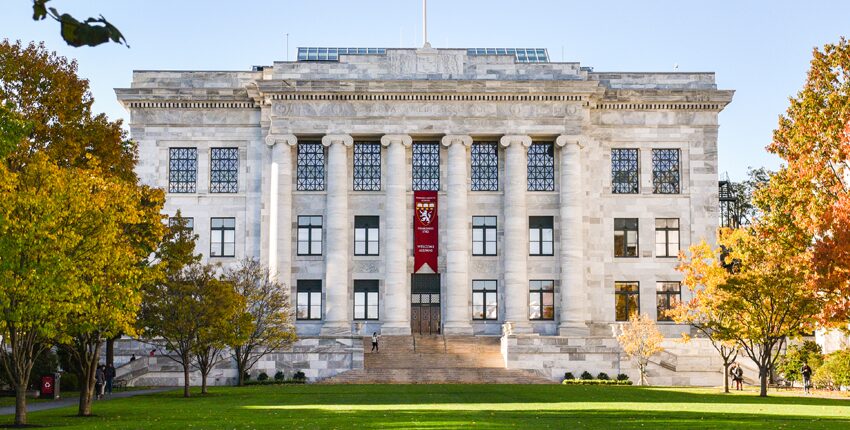
Program Overview & Institution Identity
Harvard Medical School stands as one of the most prestigious medical institutions in the world, consistently ranking at the top of U.S. News & World Report medical school rankings. Located in Boston, Massachusetts, this private institution operates on an urban campus in the heart of one of America’s leading medical hubs.
Program Duration and Structure
Harvard Medical School offers a 4-year MD program with a unique three-phase curriculum structure:
- Preclerkship Phase: Two parallel curricular tracks—Pathways (80% of students) and Health Sciences & Technology (HST) (20% of students)
- Principal Clinical Experience (PCE) Phase: 12-month core clerkship year
- Post-PCE Phase: Advanced courses, clerkships, subinternships, and required scholarly research projects
The school offers three distinct tracks:
- Pathways Track: Emphasizes active learning, critical thinking, early clinical experience (135 students)
- Health Sciences & Technology (HST) Track: Joint program with MIT for aspiring physician-scientists (30 students)
- MD-PhD Track: For students pursuing dual degrees in medicine and research
Location and Campus Details
HMS is situated in Boston’s Longwood Medical Area, providing students access to world-renowned affiliated hospitals including Massachusetts General Hospital, Brigham and Women’s Hospital, and Boston Children’s Hospital. The urban campus setting offers proximity to cutting-edge research facilities and clinical training sites.
Accreditation Status
Harvard Medical School maintains full accreditation from the Liaison Committee on Medical Education (LCME), the national accrediting body for MD degree programs in the United States and Canada. The school received its most recent full accreditation status in 2019, with the next formal LCME site visit scheduled for academic year 2026-2027.
Ranking and Recognition
HMS consistently ranks among the top medical schools nationally, particularly excelling in:
- Research rankings (typically #1)
- Primary care education
- Clinical training quality
- Graduate career outcomes
Admission Requirements
Academic Prerequisites
Minimum Degree Requirements: Applicants must complete at least three years of college work and earn a baccalaureate degree prior to matriculation at an accredited institution in the United States or Canada.
Required Courses:
- Biology: One year with laboratory experience (cellular and molecular aspects required). AP credits cannot be used, but upper-level biology courses can satisfy this requirement if students have AP credit.
- Chemistry: General chemistry with laboratory experience
- Organic Chemistry: One year with laboratory experience
- Physics: One year with laboratory experience
- Mathematics: Statistics and calculus recommended
- Behavioral Sciences: Coursework in psychology, sociology, or related fields is encouraged
Alternative Course Formats: HMS considers interdisciplinary courses and alternative combinations that demonstrate equivalent preparation. Students are encouraged to pursue integrated approaches across preclinical sciences.
GPA Requirements
- Median GPA: 3.97 for accepted students
- Competitive Range: While no minimum GPA is specified, successful applicants typically maintain GPAs well above 3.8
- Holistic Evaluation: HMS considers both science GPA and overall GPA, along with course rigor and academic trajectory
Standardized Testing
MCAT Requirements:
- Median MCAT Score: 521 total
- Section Breakdown for Class of 2028:
- BBFL (Biological and Biochemical Foundations): 130.31
- CARS (Critical Analysis and Reasoning): 128.84
- CPBS (Chemical and Physical Foundations): 130.41
- PSBB (Psychological, Social, and Biological Foundations): 130.86
- Validity Period: MCAT scores must be current according to AAMC guidelines
- Competitive Range: Most successful applicants score in the 95th percentile or higher
Extracurricular Activities & Experience Requirements
HMS uses a holistic evaluation system that considers:
- Research Experience: Highly valued, with opportunities for publication preferred
- Clinical Experience: Direct patient care or clinical exposure strongly recommended
- Community Service: Sustained volunteer activities demonstrating commitment to service
- Leadership: Evidence of leadership potential in academic, professional, or community settings
- Life Experiences: Diverse backgrounds and experiences that contribute to class diversity
The admissions committee seeks students demonstrating integrity, maturity, concern for others, leadership potential, and aptitude for working with people.
Application Process & Timeline
Application System
Harvard Medical School accepts applications through AMCAS (American Medical College Application Service) and does not pre-screen applications. All applicants who submit an AMCAS application designating HMS will receive the secondary application.
Application Deadlines (Based on Recent Cycles)
- AMCAS Application Opens: Early May
- AMCAS Submissions Begin: Late May
- HMS Secondary Application Opens: Early July
- AMCAS Application Deadline: October 15
- HMS Secondary Application Deadline: Late October
- Interview Season: September through January
- Final Admission Decisions: Early March
- Financial Aid Application Materials: Mid to late March
Required Documents
- Primary AMCAS Application: Including academic records, MCAT scores, and personal statement
- Secondary Application: HMS-specific essays and additional information
- Letters of Evaluation: Submitted through AMCAS
- Official Transcripts: Verified through AMCAS transcript service
- MCAT Scores: Current official scores
Application Fees
Specific fee information varies by cycle; students should consult current HMS admissions materials for exact amounts.
Interview Process
Interview Statistics for Class of 2028:
- Applications: 6,856
- Interviews Offered: 757
- Class Size: 165 students
HMS does not use rolling admissions, meaning application timing does not affect interview chances as long as materials are submitted by deadlines.
Admission Statistics & Success Rates
Overall Acceptance Rate
Harvard Medical School maintains an acceptance rate of approximately 2.4%, making it one of the most competitive medical schools in the United States.
Recent Acceptance Data:
- Applications: ~6,850 annually
- Matriculated Students: 165
- Interview Rate: Approximately 11% of applicants receive interviews
Class Demographics (Class of 2028)
- Total Students: 165
- Pathways Track: 135 students
- HST Track: 30 students
- Gender Distribution: 60% Female, 38% Male, 2% Different Identity
- Age Range: 21-34 years
- Underrepresented in Medicine: 17%
- Science Majors: 73%
- Geographic Diversity: 57 colleges, 35 states, 7 countries represented
Academic Statistics
- Average GPA: 3.9
- MCAT Score Distribution:
- Total: 520.42
- Detailed section scores provided above
- Academic Background: Students from diverse undergraduate institutions and majors
Comparison Data
HMS acceptance rates remain consistently among the lowest of all U.S. medical schools, reflecting its position as a top-choice institution for the highest-achieving pre-medical students nationally.
Tuition & Financial Information
Current Tuition Rates (2024-25 Academic Year)
- Annual Tuition: $71,032 (same for all students regardless of residency)
- Mandatory Fees: $2,189
- Health Insurance: $4,202
- Additional Fees: Loan fees, matriculation fees, and other miscellaneous charges
Total Cost of Attendance (Pathways Track, Year 1)
- Tuition and Fees: $77,423
- Living Expenses: $30,465
- Books and Supplies: $3,500
- Total Annual Cost: $108,138
Additional Cost Breakdown
Living Expenses Include:
- Housing: $13,670
- Food: $6,000
- Transportation: $1,500
- Personal expenses: $4,295
- Miscellaneous: $5,000
Financial Aid Excellence
HMS maintains one of the most generous financial aid programs among medical schools:
Financial Aid Statistics:
- 72% of students receive financial aid
- Average Annual Scholarship: $60,403
- Scholarship Range: $2,487 – $102,425
- Average Graduating Debt: $118,957 (compared to national average of $186,134 for public schools and $197,734 for private schools)
Special Programs:
- Middle Income Initiative: Benefits 50% of the student body
- Need-Based Aid: Available to students from families earning $75,000 or less (represents 1 in 3 scholarship recipients)
- International Student Aid: International students eligible for need-based institutional scholarships and loans
Program Length Cost Analysis
Total 4-Year Program Cost: Approximately $432,000
With Financial Aid: Average total debt significantly reduced due to generous scholarship programs
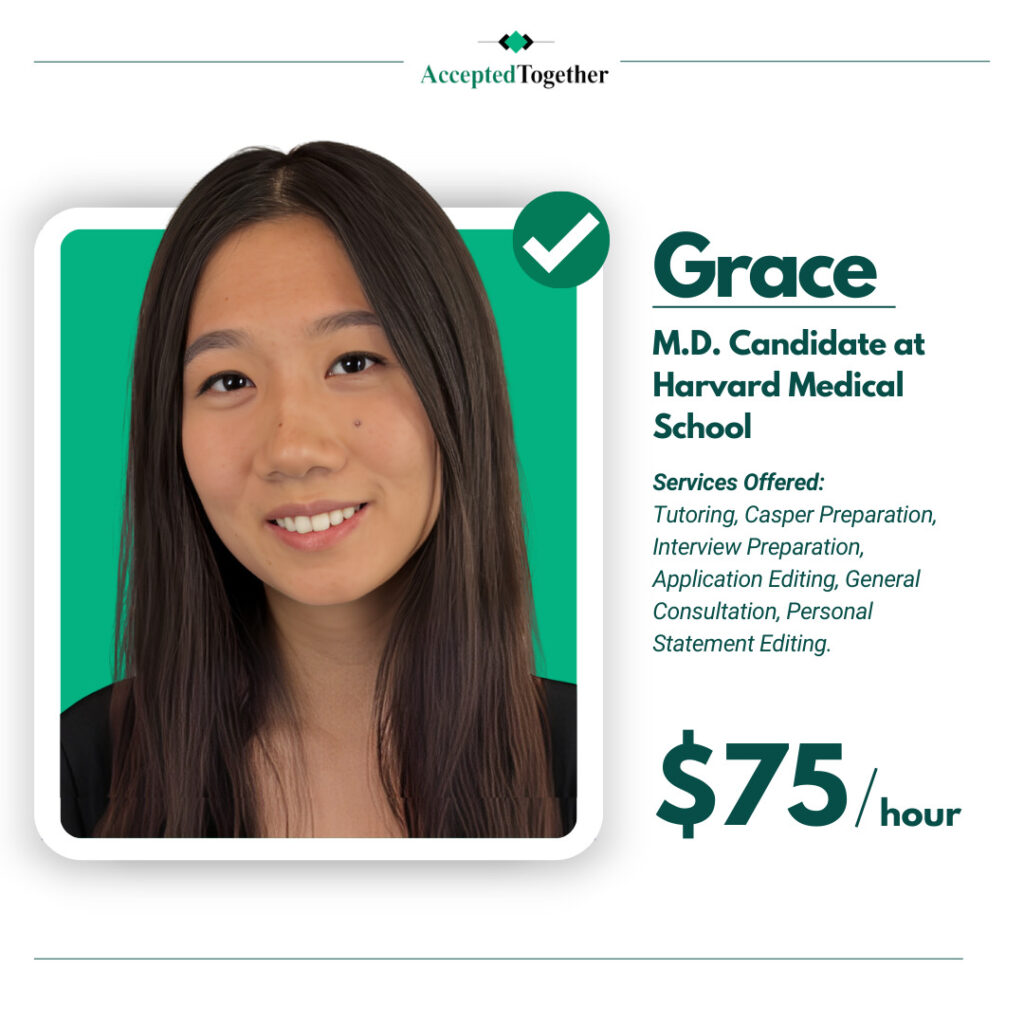
Click To See Hundreds Of Consultants Who Can Mentor You:

Curriculum & Program Structure
Educational Philosophy and Teaching Methods
Harvard Medical School employs innovative pedagogical approaches emphasizing:
- Active Learning: Problem-based and team-based learning methods
- Critical Thinking: Analytical skill development throughout curriculum
- Early Clinical Experience: Patient contact beginning in first year
- Advanced Scientific Experiences: Research integration across all phases
- Scholarly Projects: Required individual pathway projects
Pre-Clinical Years (Pathways Track)
The preclerkship phase features:
- Integrated Curriculum: Combining basic sciences with clinical applications
- Small Group Learning: Case-based discussions and collaborative problem-solving
- Skills Training: Early development of clinical skills and patient communication
- Assessment: Pass/fail grading system reducing competitive pressure
Clinical Training
Principal Clinical Experience (PCE):
- 12-month core clerkship year
- Rotation Sites: HMS-affiliated hospitals including:
- Massachusetts General Hospital
- Brigham and Women’s Hospital
- Boston Children’s Hospital
- Beth Israel Deaconess Medical Center
- Cambridge Health Alliance
Advanced Experiences (Post-PCE):
- Elective Rotations: Specialty exploration opportunities
- Research Projects: Required scholarly work completion
- Career Preparation: Residency application support and specialty advising
Special Programs
Combined Degree Options:
- MD/PhD: Physician-scientist training program
- MD/MPH: Master of Public Health integration
- MD/MBA: Business administration combined degree
Specialized Tracks:
- Health Sciences & Technology (HST): Joint program with MIT emphasizing quantitative sciences and biomedical engineering
- Global Health: International rotation and research opportunities
Residency Preparation and Match Rates
2024 Match Results:
- 181 graduating students
- 176 matched to clinical training programs (97% match rate)
- 93 students (52%) matched at HMS-affiliated programs
- Geographic Distribution: Students matched in 19 different states
Popular Specialties:
- Internal Medicine: 56 students
- Obstetrics/Gynecology: 13 students
- Pediatrics: 7 students
- Various other specialties across all medical disciplines
USMLE Performance: HMS students consistently achieve high pass rates on USMLE Step examinations, though specific statistics vary by year.
Pre-Medical Preparation
Undergraduate Program Recommendations
Academic Major Flexibility: HMS welcomes students from all undergraduate majors, with 73% science majors and 27% non-science majors in recent classes.
Strong Science Foundation: Regardless of major, students should complete rigorous coursework in:
- Advanced biology with molecular and cellular emphasis
- Chemistry through organic chemistry with laboratories
- Physics with mathematical applications
- Statistics and mathematics
Academic Planning Strategy
Optimal Course Sequencing:
- Complete prerequisite courses with strong performance (A/A- grades preferred)
- Take advanced science courses beyond minimums
- Maintain consistently high GPA throughout undergraduate career
- Consider gap years if academic preparation needs strengthening
Study Abroad Considerations: International coursework accepted on case-by-case basis, but majority of prerequisites should be completed at US/Canadian institutions.
Clinical Experience Development
Essential Clinical Exposure:
- Direct Patient Care: Hospital volunteering, EMT work, or clinical employment
- Shadowing: Observation of physicians in various specialties
- Long-term Commitment: Sustained involvement preferred over brief experiences
- Quality Over Quantity: Meaningful experiences with reflective learning
Research Experience Building
Research Importance: Highly valued by HMS admissions committee
Preferred Research Types:
- Basic science research with publication potential
- Clinical research in hospital/academic settings
- Public health and epidemiology projects
- Translational research bridging laboratory and clinical work
Publication Expectations: While not required, research leading to presentations or publications strengthens applications significantly.
Extracurricular Planning
Leadership Development: Demonstrate leadership in:
- Student organizations and governance
- Community service initiatives
- Research project management
- Workplace or volunteer settings
Community Service: Show sustained commitment to:
- Healthcare access and advocacy
- Educational outreach and tutoring
- Social justice and equity initiatives
- Environmental or global health causes
Standardized Test Preparation
MCAT Timeline: Plan 3-6 months of dedicated preparation
Target Scores: Aim for 95th percentile or higher (520+) to be competitive
Retake Considerations: Consider retaking if initial score below 515
Test Dates: Take MCAT by spring of application year for optimal timing
Application Timeline Planning
Junior Year:
- Complete prerequisite courses
- Begin MCAT preparation
- Develop research and clinical experiences
- Build relationships with potential recommenders
Senior Year/Gap Year:
- Submit applications
- Continue meaningful experiences
- Complete final prerequisites if needed
- Prepare for interviews
Frequently Asked Questions
Does Harvard Medical School look at extracurriculars?
Yes, HMS takes a holistic approach to admissions, heavily weighing extracurricular activities including research, clinical experience, community service, and leadership. These experiences are essential for demonstrating the personal qualities HMS seeks in future physicians.
What is Harvard Medical School’s average GPA and MCAT score?
The median GPA for accepted students is 3.97, and the median MCAT score is 521. These represent some of the highest academic standards among U.S. medical schools.
How competitive is Harvard Medical School compared to other medical schools?
HMS is among the most competitive medical schools in the United States, with an acceptance rate of approximately 2.4%. This makes it significantly more selective than the national average acceptance rate of around 41% for medical schools.
Does Harvard Medical School prefer in-state applicants?
As a private institution, HMS does not give preference to Massachusetts residents. The school accepts students from all 50 states and international applicants, with students representing 35 states in recent classes.
What makes Harvard Medical School different from other medical schools?
HMS offers unique features including the joint HST program with MIT, exceptional research opportunities, world-class affiliated hospitals, generous financial aid, innovative curriculum design, and access to a powerful alumni network in academic medicine and clinical practice.
When should I apply to Harvard Medical School?
Applications should be submitted as early as possible after AMCAS opens in May, with HMS’s deadline typically in mid-October. However, HMS does not use rolling admissions, so timing within the application period does not affect chances of admission.
Does Harvard Medical School accept international students?
Yes, HMS welcomes international students who have completed at least one year of study at an accredited U.S. or Canadian institution. International students are eligible for need-based financial aid.
What clinical experience do I need for Harvard Medical School?
While HMS doesn’t specify minimum hours, successful applicants typically have substantial clinical experience through hospital volunteering, direct patient care roles, shadowing physicians, and sustained healthcare-related activities demonstrating commitment to medicine.
Does Harvard Medical School require research experience?
Research experience is not explicitly required but is highly valued and present in most successful applicants’ backgrounds. HMS particularly values research leading to publications, presentations, or significant contributions to ongoing projects.
How many letters of recommendation does Harvard Medical School require?
HMS requires letters of evaluation submitted through AMCAS. Specific requirements may include letters from science faculty, clinical supervisors, and individuals who can speak to personal and professional qualities.
What is Harvard Medical School’s curriculum like?
HMS offers a three-phase curriculum with two tracks (Pathways and HST). The curriculum emphasizes active learning, early clinical experience, integrated basic and clinical sciences, and required scholarly projects, with pass/fail grading in preclinical years.
Where do Harvard Medical School graduates match for residency?
HMS graduates achieve excellent residency match rates (97% in 2024), with 52% matching at HMS-affiliated programs. Graduates match across all specialties and at top programs nationwide, with strong representation in competitive specialties.
How much does Harvard Medical School cost?
The total cost of attendance is approximately $108,138 per year.