

Last updated on January 9th, 2026 at 06:33 am
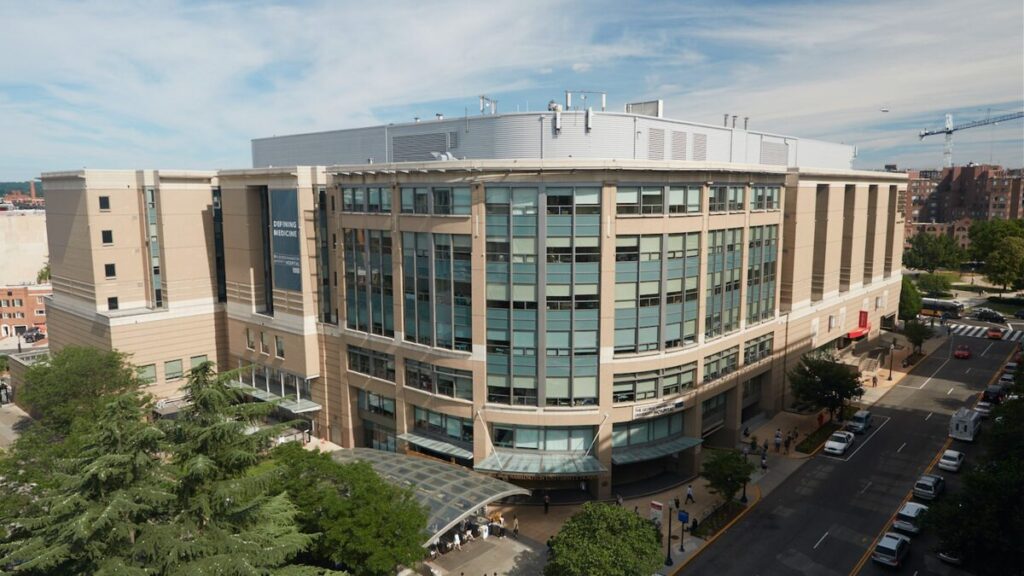
Program Overview & Institution Identity
George Washington University School of Medicine & Health Sciences stands as one of the most prestigious medical institutions in the United States, located in the heart of Washington, D.C. The GW School of Medicine was established with a mission to graduate “Physician Citizens” committed to local, national, and global public service through excellent patient care, leadership, advocacy for change and innovation, and scholarly inquiry.
Program Duration and Structure
The George Washington University MD program follows a traditional 4-year structure divided into distinct phases:
- Years 1-2: Fundamentals of Medicine (pre-clinical phase)
- Years 2-4: Fundamentals of Clinical Practice
- Year 4: Transition to Advanced Clinical Practice with capstone experience
Location and Campus Details
The GW Medical School is uniquely positioned in Washington, D.C., providing students access to major institutions and leading domestic and international health authorities. The urban campus setting offers unparalleled opportunities for involvement in health policy, public health, and government healthcare initiatives.
New Regional Medical Campus: GW recently opened a Regional Medical Campus at Sinai Hospital of Baltimore, part of the LifeBridge Health System. Students can choose to complete their clinical training at either the main D.C. campus or the Baltimore regional campus.
Accreditation Status
The George Washington University School of Medicine holds full accreditation from the Liaison Committee on Medical Education (LCME) through 2032. This 8-year accreditation ensures graduates can obtain medical licensure in all U.S. states and are eligible for residency programs accredited by the Accreditation Council for Graduate Medical Education.
Rankings and Recognition
- US News National Ranking: The university consistently ranks in the top tier of national universities
- Research Excellence: Strong reputation for biomedical, translational, and health services delivery research
- Location Advantage: Ranked among the best college locations in America due to its Washington, D.C. setting
Admission Requirements
Academic Prerequisites
Minimum Degree Requirements
George Washington Medical School requires completion of a bachelor’s degree from an accredited U.S. or Canadian college or university before matriculation. Online coursework or transfer coursework from foreign schools is not acceptable for prerequisite completion.
Required Competency-Based Courses
The GW School of Medicine admission requirements have moved from strict premedical requirements to competency-based recommendations:
Biology Competency
- Demonstrated emphasis on cellular and molecular aspects of living organisms
- May be met with one year of college biology (AP/IB credit not accepted)
Chemistry Competency
- Demonstrated emphasis on basic chemical principles related to living systems
- Sequence of general chemistry, organic chemistry, and biochemistry required
- Two years of college chemistry including coursework through biochemistry or second semester organic chemistry
Physics Competency
- Demonstrated emphasis on principles of physics with applications to living systems
- One year of college physics with laboratory experience
Mathematics/Statistics Competency
- Full year including calculus and statistics
- Biostatistics preferred for statistics portion
English/Communication Competency
- Analytical and writing skills/expository writing requirements
GPA Requirements
- Median GPA of Admitted Students: 3.88
- While no strict minimum GPA is published, competitive applicants typically maintain GPAs well above 3.7
- Both overall GPA and science GPA are evaluated holistically
Standardized Testing Requirements
MCAT Requirements
- Median MCAT Score: 514
- MCAT Validity: Scores must be from April 2021 through September 2024 for current cycle
- All four sections evaluated: BBLS, CPBS, PSBB, and CARS
- Competitive Range: Most admitted students score above the 85th percentile
Additional Testing
AAMC PREview Professional Readiness Exam: Recommended (not required) for the 2025 cycle. This situational judgment test assesses pre-professional competencies essential for success as a student and physician.
Extracurricular Activities & Experience Requirements
George Washington University School of Medicine uses a holistic evaluation system that considers:
Clinical Experience
- Sustained and meaningful clinical or non-clinical service experiences
- Demonstrated awareness of challenges in medical careers
- Quality of experience valued over quantity of hours
Research Experience
- Scholarly curiosity including research achievements in health services, public health, health policy, clinical care, humanities, or basic biomedical sciences
- While not strictly required, research experience significantly strengthens applications
Leadership and Service
- Evidence of sustained and effective leadership
- Commitment to advocacy and innovation to achieve change
- Experiences demonstrating cultural competency and teamwork abilities
Personal Attributes
- Evidence of altruism, integrity, respect, maturity, reliability, dependability, adaptability, and compassion
- Personal balance, self-awareness, and resilience
- Strong interpersonal and communication skills
Application Process & Timeline
Application System
George Washington Medical School participates in the American Medical College Application Service (AMCAS) for primary applications.
Key Application Deadlines
- AMCAS Primary Application Deadline: November 15, 2025
- Secondary Application Deadline: December 12, 2024
- Early Decision Program: Available with earlier deadlines
Required Documents
Primary Application (AMCAS)
- Official transcripts from all colleges/universities
- MCAT scores
- Personal statement
- Work and activities descriptions (15 entries maximum)
- Letters of recommendation
Secondary Application
GW does not screen applications – all AMCAS applicants receive secondary applications.
- Secondary Application Fee: $142 (FAP waiver available)
- Character Count: Does NOT include spaces
- Key essay topics include experiences with diverse populations, public health interests, and leadership examples
Letters of Recommendation
Standard medical school requirements typically include:
- Letters from science faculty (2-3 letters)
- Letters from non-science faculty
- Letters from clinical experience supervisors
- Pre-health committee letter (if available)
Interview Process
George Washington University School of Medicine interview process includes:
- Interview Format: Multiple Mini Interview (MMI) format or traditional panel interviews
- Interview Season: Typically October through March
- Interview Statistics: Approximately 800-1000 candidates interviewed from over 16,000+ applications
- Virtual Options: Available when necessary
Post-Interview Process
- Acceptance Timeline: Rolling admissions decisions from October through spring
- Waitlist Procedures: Active waitlist with movement through summer
- Deposit Requirements: Enrollment deposit required to hold seat
Admission Statistics & Success Rates
Overall Competitiveness
George Washington Medical School acceptance rate: Approximately 2.5%, making it highly competitive among U.S. medical schools.
Application Volume and Class Size
- Annual Applicants: 16,000+ applications received annually
- Class Size: 185 students per entering class
- Acceptance Rate Statistics:
- Overall acceptance rate: ~2.5%
- Multiple acceptance holders: Most admitted students hold multiple acceptances
Academic Statistics of Admitted Students
- Median GPA: 3.88
- Median MCAT: 514
- MCAT Range: Most admitted students score between 508-520
- GPA Range: Competitive applicants typically have GPAs between 3.7-4.0
Demographics and Geographic Distribution
- Geographic Diversity: Students from all 50 states and multiple countries
- International Students: Accepted on case-by-case basis (separate International Medicine Program available)
- Canadian Students: Welcomed as part of regular admissions
- Age Range: Mix of traditional students (22-24) and non-traditional applicants
- Undergraduate Majors: Diverse academic backgrounds welcomed beyond traditional science majors
Waitlist Statistics
- Waitlist Size: Typically several hundred candidates
- Waitlist Movement: Active throughout summer with significant movement
- Communication: Regular updates provided to waitlisted candidates
Tuition & Financial Information
Current Tuition Rates
George Washington University School of Medicine tuition for 2025:
- In-State Tuition: $71,159 per year
- Out-of-State Tuition: $71,159 per year
- International Student Tuition: $71,159 per year
Note: As a private institution, GW charges the same tuition regardless of residency status
Additional Fees and Costs
- Technology Fees: ~$1,500-2,000 annually
- Student Services Fees: ~$500-1,000 annually
- Health Insurance: ~$3,000-4,000 annually (if not covered by family plan)
- Clinical Rotation Fees: Included in tuition
- Equipment and Laboratory Fees: ~$1,000-2,000 annually
Total Cost of Attendance
4-Year Program Total: Approximately $340,000-360,000
- Annual Total Cost: $85,000-90,000 (including living expenses)
- Living Expenses in Washington, D.C.: $20,000-25,000 annually
- Housing Options: On-campus and nearby off-campus housing available
Financial Aid Options
Merit-Based Scholarships
- Dean’s Scholarships: Partial to full tuition scholarships for exceptional candidates
- Academic Achievement Awards: Based on MCAT scores, GPA, and overall application strength
- Diversity Scholarships: Supporting underrepresented students in medicine
Need-Based Financial Aid
- Federal Financial Aid: Stafford Loans, Grad PLUS loans
- Institutional Aid: GW-specific need-based grants and loans
- Work-Study Programs: Limited research and teaching assistantships
External Scholarship Opportunities
- National Health Service Corps: Loan repayment in exchange for service
- Military Health Professions Scholarships: Full tuition coverage
- Private Foundation Scholarships: Various specialty-specific awards
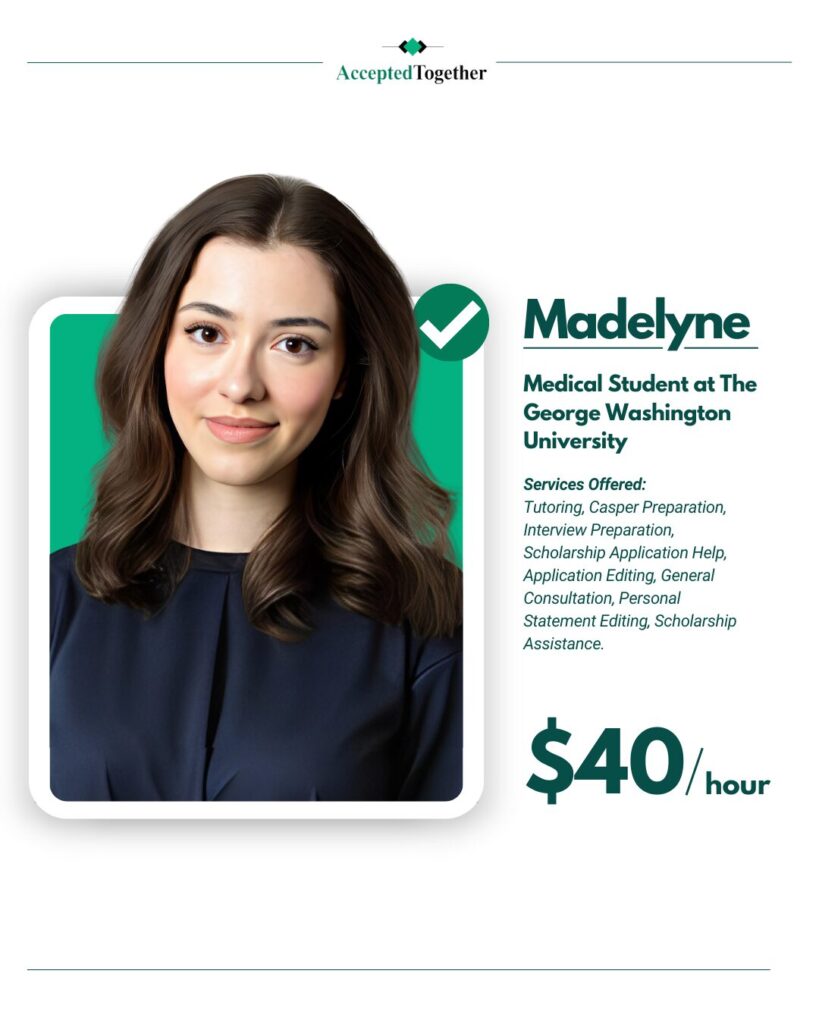
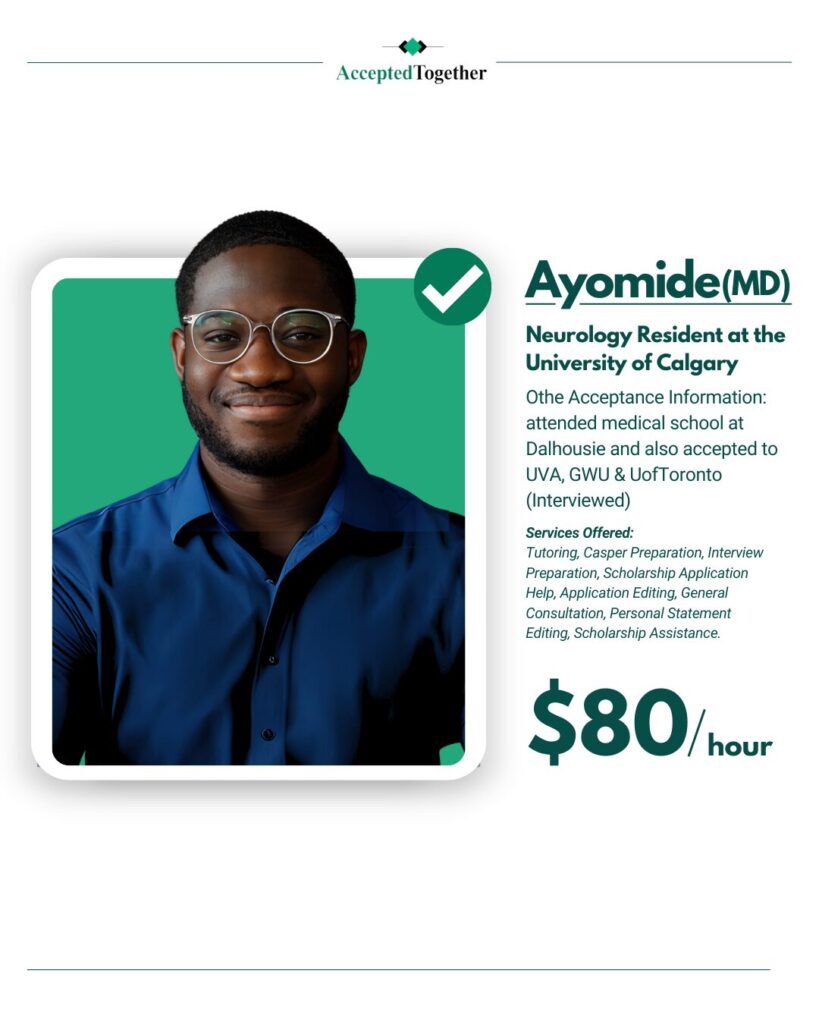
Click To See Hundreds Of Consultants Who Can Mentor You:
Curriculum & Program Structure
Educational Philosophy
The George Washington University MD curriculum emphasizes developing “Physician Citizens” through:
- Problem-Based Learning (PBL): Integrated throughout curriculum
- Clinical Integration: Early clinical exposure beginning first year
- Scholarly Projects: Required independent research experience
- Community Engagement: Emphasis on public health and service
Pre-Clinical Years (Years 1-2)
Fundamentals of Medicine Phase
Duration: August of Year 1 through January of Year 2
- Daily Schedule: 8 AM – 5 PM with protected study time
- Course Structure: Integrated organ system-based blocks
- Assessment: Pass/Conditional/Fail grading system
- USMLE Step 1 Preparation: February-March of Year 2
Key Pre-Clinical Courses
- Practice of Medicine (POM): Clinical skills development
- Patients, Populations, and Systems: Public health integration
- Clinical Apprenticeship Program (CAP): Early clinical exposure
- Physical Diagnosis: Hands-on clinical training
Clinical Training (Years 2-4)
Fundamentals of Clinical Practice
Duration: April of Year 2 through Year 3
- Core Rotations: Internal Medicine, Surgery, Pediatrics, OB/GYN, Psychiatry, Family Medicine, Emergency Medicine
- Rotation Length: 4-8 weeks per rotation
- Clinical Sites: GW Hospital, Children’s National Hospital, VA Medical Center, regional affiliates
- Grading: Honors/High Pass/Pass/Conditional/Fail
Advanced Clinical Practice
Year 4 Structure:
- Advanced Rotations: Acting internships, specialty electives
- Capstone Experience: Month-long culminating project
- Residency Preparation: Interview scheduling flexibility
- Elective Opportunities: International rotations, research months, specialty exploration
Special Programs and Tracks
Combined Degree Options
- BS/MD Program: Seven-year accelerated track for exceptional high school students
- MD/MBA: Partnership with GW Business School
- MD/MPH: Public health emphasis
Scholarly Concentrations
- Clinical and Translational Research
- Global Health
- Health Policy
- Medical Education
Residency Preparation and Match Rates
- Match Rate: 95-98% of graduates match annually
- Popular Specialties: Internal Medicine, Emergency Medicine, Pediatrics, Radiology, Anesthesiology
- Geographic Distribution: Graduates match nationwide with concentrations in Mid-Atlantic region
- Competitive Specialties: Strong match rates in dermatology, orthopedics, ophthalmology
Pre-Medical Preparation Guide
Undergraduate Planning
Recommended Academic Path
Best Majors for GW Medical School:
- Sciences: Biology, Chemistry, Biochemistry
- Non-sciences: Psychology, Public Health, Political Science, English
- Key Point: No preference for specific majors – academic excellence and competency demonstration most important
Course Sequencing Strategy
Optimal Timeline:
- Freshman Year: General chemistry, biology, calculus, English
- Sophomore Year: Organic chemistry, physics, statistics
- Junior Year: Biochemistry, upper-level sciences, MCAT preparation
- Senior Year: Advanced coursework, research, MCAT (if needed)
Gaining Clinical Experience
Types of Clinical Exposure Valued
- Direct Patient Care: Hospital volunteering, clinical internships
- Healthcare Settings: Private practice, community clinics, public health departments
- Quality over Quantity: Sustained, meaningful experiences preferred over brief exposures
- Minimum Recommendations: 100+ hours of clinical experience
Research Experience
Research Opportunities Valued by GW:
- Basic Science Research: Laboratory bench research
- Clinical Research: Patient-oriented studies
- Public Health Research: Population-based studies
- Health Policy Research: Government and policy analysis
- Community-Based Research: Service learning projects
Extracurricular Development
Leadership Opportunities
- Campus Organizations: Pre-med societies, student government
- Community Leadership: Volunteer coordination, non-profit board positions
- Professional Leadership: Healthcare organization involvement
- Duration: Sustained commitment valued over brief involvement
Service and Volunteering
- Clinical Service: Hospital and clinic volunteering
- Community Service: Tutoring, mentoring, community health programs
- Global Health: International service trips, refugee assistance
- Advocacy: Healthcare policy, social justice initiatives
Standardized Test Preparation
MCAT Preparation Strategy
Timeline Recommendations:
- Content Review: 3-4 months of systematic study
- Practice Testing: 2-3 months of full-length practice exams
- Optimal Test Date: January-April for same-year application
- Retake Considerations: Scores below 505 typically warrant retakes
CASPer and PREview Preparation
- PREview Exam: Recommended for GW (take by May/June)
- Preparation: Familiarize with situational judgment format
- Practice Materials: AAMC provides official preparation resources
Application Timeline Planning
Traditional Timeline (Senior Year Application)
- Junior Spring: MCAT preparation and testing
- Summer before Senior Year: AMCAS application completion, clinical experience
- Senior Fall: Secondary applications, interviews
- Senior Spring: Final coursework, acceptance decisions
Gap Year Considerations
Productive Gap Year Activities:
- Research Experience: Full-time research positions
- Clinical Work: Medical scribe, CNA, EMT positions
- Public Health: CDC fellowships, health department work
- International Experience: Peace Corps, global health initiatives
Frequently Asked Questions
Does George Washington University School of Medicine look at extracurriculars?
Yes, GW uses a holistic admissions process that heavily weighs extracurricular activities. The school seeks evidence of leadership, service, clinical experience, research, and cultural competency. Quality and sustained commitment are valued over quantity of activities.
What is George Washington University School of Medicine’s average GPA and MCAT score?
The median GPA for admitted students is 3.88, and the median MCAT score is 514. However, GW considers the full range of an applicant’s credentials, and students with slightly lower statistics may be competitive if they demonstrate exceptional qualities in other areas.
How competitive is George Washington University School of Medicine compared to other medical schools?
GW is highly competitive with an acceptance rate of approximately 2.5%. This places it among the more selective medical schools in the country, similar to other prestigious urban medical schools.
Does George Washington University School of Medicine prefer in-state applicants?
As a private institution, GW does not give preference to in-state applicants. The school welcomes students from all geographic locations and maintains a geographically diverse student body.
What makes George Washington University School of Medicine different from other medical schools?
GW’s unique location in Washington, D.C. provides unparalleled access to government