

Last updated on January 9th, 2026 at 06:33 am
Program Overview & Institution Identity
Official Program Name and Identity
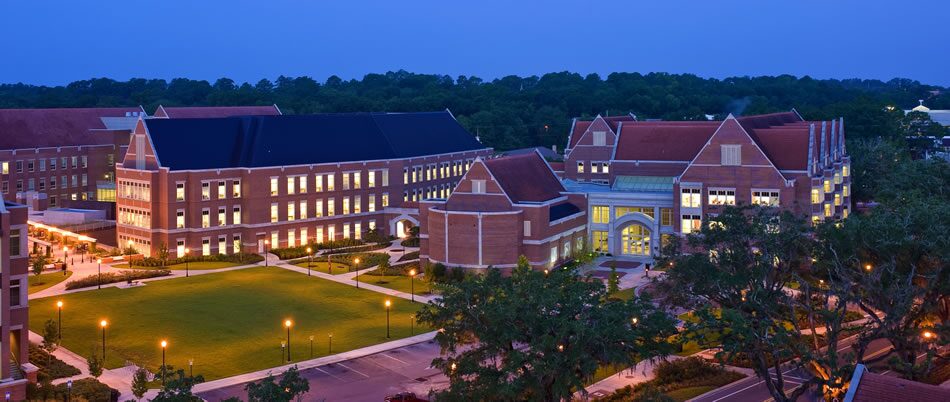
Florida State University College of Medicine (FSU College of Medicine or FSU COM) is a public medical school located in Tallahassee, Florida. Established in August 2000, FSU COM is one of the younger medical schools in the United States but has quickly established itself as an innovative leader in medical education.
Program Duration and Structure
FSU College of Medicine offers a 4-year MD program with a unique community-based educational model that sets it apart from traditional medical schools. The program follows a comprehensive curriculum designed to prepare students for any medical specialty while maintaining special focus on primary care and service to underserved populations.
Location and Campus Details
The main campus is located in Tallahassee, Florida, serving as a public institution in an urban campus setting. However, FSU COM’s distinctive feature is its multi-campus structure with regional campuses located in:
- Daytona Beach
- Fort Pierce
- Orlando
- Pensacola
- Sarasota
- Rural training sites in Marianna and Immokalee
This distributed model allows students to complete their clinical rotations across more than 90 medical facilities throughout Florida.
Accreditation Status
FSU College of Medicine is fully accredited by the Liaison Committee on Medical Education (LCME). This accreditation ensures that graduates are eligible to take the United States Medical Licensing Examination (USMLE) and apply for residency programs. The college’s next scheduled LCME site visit will occur during the 2026-27 academic year.
Mission and Educational Philosophy
The FSU College of Medicine’s mission is “to educate and develop exemplary physicians who practice patient-centered health care, discover and advance knowledge, and are responsive to community needs, especially through service to elder, rural, minority, and underserved populations.”
This mission-driven approach influences every aspect of the program, from student selection to curriculum design. The college emphasizes:
- Community-based medical education
- Service to underserved populations
- Cultural diversity and inclusivity
- Primary care focus
- Rural health initiatives
Admission Requirements
Academic Prerequisites
Minimum Degree Requirements
Applicants must have earned a bachelor’s degree from an accredited college or university in the United States by July 15 of the year they will begin medical school. The degree may be in any discipline, as long as prerequisite coursework is completed.
Required Prerequisite Courses
While specific credit hour requirements aren’t detailed in available sources, FSU COM requires completion of standard pre-medical prerequisite courses including:
- Biology: 2 semesters with laboratory
- General Chemistry: 2 semesters with laboratory
- Organic Chemistry: 2 semesters with laboratory
- Physics: 2 semesters
- Mathematics: College-level mathematics (calculus not required; statistics acceptable)
- Biochemistry: Recommended (with or without lab)
Advanced Placement (AP) courses fulfill prerequisites if individual courses and credits are detailed on college transcripts. Additional recommended courses include Immunology, Anatomy, Physiology, and Genetics.
GPA Requirements
While FSU COM employs a holistic admissions approach that makes it difficult to establish minimum academic standards, successful applicants typically have strong academic credentials:
- Median GPA: 3.87
- The admissions committee evaluates course load, undergraduate rigor, and post-baccalaureate coursework
- Few grades of C are acceptable, with preferably nothing lower
Standardized Testing
MCAT Requirements
- Median MCAT Score: 510
- The MCAT is required for admission
- If taken multiple times, total scores should improve with each retake
- Recent scores are preferred, though specific validity periods aren’t detailed in available sources
Additional Testing
FSU COM does not require additional standardized tests such as CASPer, unlike some other medical schools.
Extracurricular Activities & Experience Requirements
FSU COM uses a holistic evaluation system that considers multiple non-academic factors:
Medical Experience
- Significant medically related experience is required
- Some experience should involve direct patient interaction
- Physician shadowing is expected
- Applicants must demonstrate knowledge of the medical field
Service and Volunteer Experience
- Significant and sustained service experience is mandatory
- Preference for “hands-on” service rather than just fundraising
- Community service demonstrates commitment to serving others
Leadership and Research
- Leadership experience is expected but not required
- Research experience is considered a bonus and may be required for some specialty tracks
- Applicants must be able to discuss research knowledgeably
Work Experience
- Public sector work experience is viewed positively
- Admissions committees understand if work necessities limited time for other activities
Application Process & Timeline
Application System
FSU College of Medicine participates in the American Medical College Application Service (AMCAS), the centralized application system for most US medical schools.
Application Deadlines
- AMCAS Application Deadline: November 15, 2025
- Secondary application deadlines typically follow primary applications by several weeks
Required Documents
- Transcripts: All college-level coursework must be verified through AMCAS
- MCAT Scores: Official scores reported through AMCAS
- Letters of Recommendation: Required (specific number not detailed in available sources)
- Personal Statement: Required through AMCAS
- Secondary Application: School-specific essays and requirements
Interview Process
FSU COM’s admissions committee consists of approximately 70 members, including:
- Faculty from all departments and regional campuses
- Fourth-year medical students
- Community physicians
The committee evaluates applicants using academic, personal, experiential, and demographic data. Personal qualities receiving particular attention include:
- Motivation and maturity
- Sensitivity to others’ needs
- Excellent oral communication skills
- Compassion and altruism
- Demonstration of service to underserved populations
Application Statistics
- Over 6,500 applications are reviewed annually to select admitted students
- First Year Class Size: 120 students
- The school accepts both in-state and out-of-state applicants
Admission Statistics & Success Rates
Competitiveness and Acceptance Rate
With over 6,500 applications for 120 seats, FSU College of Medicine is highly competitive. Based on the application volume and class size, the acceptance rate is approximately 1.8%, making it one of the more selective medical schools in Florida.
Academic Statistics of Admitted Students
- Median GPA: 3.87
- Median MCAT: 510
- These statistics reflect successful applicants who demonstrate strong academic preparation
Geographic and Demographic Distribution
FSU medical students come from diverse backgrounds:
- Students from all over Florida
- Culturally diverse student body
- Many from small towns and rural areas
- Major metropolitan areas also well represented
- Mix of traditional and non-traditional students
- Some older than average with professional/life experience
- Others come directly from undergraduate programs
Residency Match Results
Recent Match Day results show strong outcomes for FSU graduates:
- 52 of 113 graduates (46%) stayed in Florida for residency
- 57 students (51%) matched in primary care specialties, including:
- Family Medicine: 10%
- Internal Medicine: 22%
- Pediatrics: 4%
- Obstetrics & Gynecology: 12%
This high primary care match rate reflects the school’s mission-driven focus on training physicians for underserved communities.
Tuition & Financial Information
Current Tuition Rates
- In-State Tuition: $28,987 per year
- Out-of-State Tuition: $68,619 per year
Total Cost of Attendance
Beyond tuition, students should budget for:
- Living expenses in Tallahassee and regional campus locations
- Books and educational materials
- Clinical supplies and equipment
- Health insurance
- Transportation between campuses and clinical sites
Cost Analysis Over Program Duration
- 4-Year Total for In-State Students: Approximately $115,948 (tuition only)
- 4-Year Total for Out-of-State Students: Approximately $274,476 (tuition only)
Financial Aid Options
FSU College of Medicine offers various financial assistance programs:
- Merit-based scholarships with specific criteria
- Need-based financial aid programs
- Federal loan programs available to eligible students
- Work-study opportunities may be available
Students should complete the FAFSA (Free Application for Federal Student Aid) to determine eligibility for federal financial assistance programs.
Click To See Hundreds Of Consultants Who Can Mentor You:


Curriculum & Program Structure
Program Duration and Structure
The 4-year MD program follows an innovative curriculum structure that differs significantly from traditional medical schools:
Years 1-2: Pre-Clinical Phase
- Community-based clinical education begins in the first two years
- Students learn in physician practices in the Tallahassee area
- Training includes the Clinical Skills and Simulation Center
- Subjects like anatomy and pathology presented in clinically relevant contexts using medical cases
- Problem-based learning (PBL) and small-group learning experiences
- Latest educational technologies integrated throughout
Years 3-4: Clinical Phase
Students complete required clinical rotations at one of the regional campuses:
- Daytona Beach
- Fort Pierce
- Orlando
- Pensacola
- Sarasota
- Tallahassee (separate from main campus)
- Rural sites in Marianna and Immokalee
Educational Philosophy and Teaching Methods
FSU COM employs several innovative educational approaches:
- Problem-Based Learning (PBL)
- Team-Based Learning (TBL)
- Case-based instruction
- Small-group learning
- Simulation-based training
- Medical informatics integration
Clinical Training Structure
The clinical program extends across multiple settings:
- Hospitals
- Skilled nursing facilities
- Managed-care organizations
- Private clinics
- Outpatient settings
- Community health centers
Special Programs and Tracks
While specific details aren’t available in current sources, FSU COM offers:
- Rural health concentration opportunities
- Primary care focus tracks
- Cultural diversity training
- Geriatrics emphasis
- Service learning opportunities
Assessment and Grading
The curriculum includes various assessment methods designed to evaluate clinical competency and knowledge application in real-world settings.
Pre-Medical Preparation
Undergraduate Program Recommendations
FSU College of Medicine accepts students from any undergraduate major, but recommends:
- Strong science foundation through prerequisite courses
- Diverse academic experiences beyond just science courses
- Rigorous course load (typically full-time, 14+ credit hours per semester)
- Upper-level biomedical science courses in addition to prerequisites
Academic Planning Strategy
- Maintain strong GPA with few grades of C or lower
- Complete prerequisites early to allow time for MCAT preparation
- Take challenging courses to demonstrate academic rigor
- Consider post-baccalaureate programs if academic enhancement is needed
Clinical Experience Requirements
Given FSU COM’s community-based mission, significant medical experience is essential:
- Direct patient interaction experience required
- Physician shadowing to understand medical practice
- Healthcare volunteer work in various settings
- Experience with underserved populations strongly valued
Research Experience
While not required, research experience can strengthen applications:
- Basic science research opportunities
- Clinical research participation
- Public health projects
- Community-based participatory research
- Must be able to discuss research experiences knowledgeably
Service and Leadership Activities
FSU COM particularly values:
- Sustained community service over multiple years
- Hands-on service rather than just fundraising
- Leadership roles in service organizations
- Work with underserved populations
- Rural community involvement (especially for applicants interested in rural medicine)
MCAT Preparation
- Plan adequate study time (typically 3-6 months)
- Take practice tests to gauge readiness
- Consider prep courses if self-study isn’t sufficient
- Retake if necessary, ensuring score improvement
Pre-Medical Advising
FSU offers pre-medical advising services:
- Pre-health advisors available at 850-644-7678 or 850-644-1843
- Guidance on course selection and timeline planning
- Application process support
- Letters of recommendation coordination
Frequently Asked Questions
What makes FSU College of Medicine different from other medical schools?
FSU COM’s community-based, multi-campus model sets it apart. Unlike traditional medical schools anchored by academic medical centers, FSU students train in over 90 community medical facilities across Florida, providing exposure to typical patient populations rather than rare diseases.
Does FSU College of Medicine prefer in-state applicants?
While FSU COM is a public institution that accepts both in-state and out-of-state students, Florida residents likely have an advantage due to the school’s mission to serve Florida’s underserved populations and the significant tuition difference.
What is FSU College of Medicine’s acceptance rate?
With over 6,500 applications for 120 seats, the acceptance rate is approximately 1.8%, making it highly competitive.
What are FSU College of Medicine’s average GPA and MCAT scores?
Median GPA: 3.87
Median MCAT: 510
Does FSU College of Medicine require research experience?
Research experience is not required but is considered a bonus. Applicants must be able to discuss any research experiences knowledgeably.
What clinical experience do I need for FSU College of Medicine?
Significant medically-related experience is required, including direct patient interaction and physician shadowing. Experience with underserved populations is particularly valued.
How many letters of recommendation does FSU College of Medicine require?
Specific numbers aren’t detailed in available sources, but letters of recommendation are required and should be from people who know you well, like you, and can compare you to others successful in professional programs.
Does FSU College of Medicine accept international students?
While not explicitly stated in available sources, as a public institution, FSU COM likely prioritizes US citizens and permanent residents.
Where do FSU College of Medicine graduates match for residency?
Recent data shows:
46% stay in Florida for residency
51% match in primary care specialties
Strong match rates across various specialties
Good preparation for any medical specialty
How much does FSU College of Medicine cost?
In-state tuition: $28,987 per year
Out-of-state tuition: $68,619 per year
Additional costs include living expenses, books, and clinical supplies
What financial aid is available at FSU College of Medicine?
Financial aid options include:
Merit-based scholarships
Need-based financial aid
Federal loan programs
Work-study opportunities
When should I apply to FSU College of Medicine?
The AMCAS application deadline is November 15 for the following year’s entering class. Start preparing your application materials at least 6-12 months in advance.
Does FSU College of Medicine use a holistic admissions process?
Yes, FSU COM employs a holistic approach evaluating academic credentials, clinical experience, service record, research activities, likelihood of practicing in Florida, and fit with the school’s mission.
What is FSU College of Medicine’s curriculum like?
The curriculum features:
4-year program with community-based clinical education
Problem-based and team-based learning
Multi-campus clinical rotations
Early clinical exposure starting in years 1-2
Focus on primary care and underserved populations
This comprehensive guide provides prospective applicants with essential information about FSU College of Medicine’s admission requirements, application process, and program structure. The school’s unique community-based model and mission-driven approach make it an excellent choice for students committed to serving Florida’s diverse patient populations, particularly in underserved areas.