Last updated on January 9th, 2026 at 06:33 am
Program Overview & Institution Identity
Creighton University School of Medicine stands as one of the most respected medical institutions in the Midwest, rooted in Jesuit Catholic traditions since its establishment in 1892. Located in Omaha, Nebraska, this private medical school has earned recognition for its commitment to compassionate, patient-centered medical education and its mission to improve the human condition.
Official Program Name & Duration
The Creighton University School of Medicine MD Program is a comprehensive 4-year Doctor of Medicine degree program that follows a traditional medical education structure. The program is designed around four components, with each component corresponding to the year of matriculation, leading students from foundational sciences through advanced clinical training.
Unique Program Features & Campuses
What sets Creighton apart is its dual-campus approach, offering students the opportunity to complete their medical education at either:
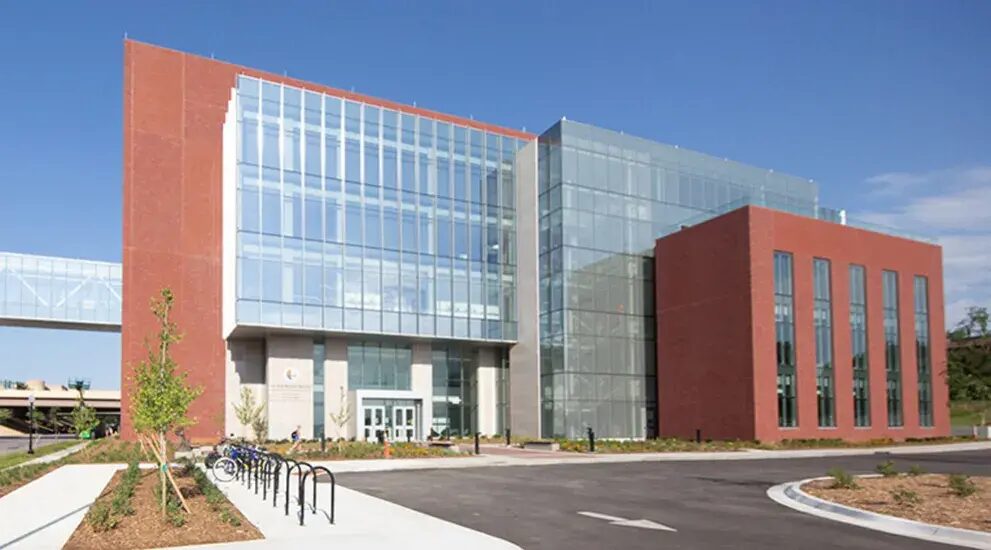
- Omaha Campus: The original campus featuring the new CL and Rachel Werner Center for Health Sciences Education (opened 2023), a 145,000-square-foot facility with state-of-the-art simulation labs, exam rooms, and collaborative learning spaces
- Phoenix Campus: Located in the Phoenix Medical Quarter, housed in the 195,000-square-foot Virginia G. Piper Charitable Trust Health Sciences Building (opened 2021) with cutting-edge technology and equipment
Accreditation & Recognition
Creighton University School of Medicine maintains full accreditation from the Liaison Committee on Medical Education (LCME), ensuring that graduates are eligible for residency training and medical licensure throughout the United States. As one of only four Jesuit medical schools in the nation, Creighton emphasizes service to humanity alongside academic excellence.
Combined Degree Programs
The school offers several combined degree options for students seeking additional expertise:
- MD/MPH (Master of Public Health)
- MD/MBA (Master of Business Administration)
- MD/PhD (Doctor of Philosophy)
Admission Requirements
Academic Prerequisites
Creighton University School of Medicine takes a flexible approach to prerequisite requirements, focusing on competency-based preparation rather than strict course mandates.
Minimum Degree Requirements
- Bachelor’s degree from an accredited four-year institution in the United States or Canada
- No specific major required – the school welcomes students from diverse academic backgrounds
Required Coursework Foundation
While Creighton has no defined prerequisite course requirements, they recommend a minimum of 40-45 credit hours in biology, chemistry, physics, and mathematics. The recommended coursework includes:
Biology Foundation:
- Strong background in biology including introductory and advanced courses
- Recommended: physiology, immunology, genetics
- Laboratory experience essential
Chemistry Foundation:
- General chemistry with laboratory (8 semester hours)
- Organic chemistry with laboratory (8 semester hours)
- Biochemistry strongly recommended
Physics & Mathematics:
- General physics with laboratory (8 semester hours)
- Statistics and/or calculus recommended
GPA Requirements
- Median GPA of admitted students: 3.9
- While no minimum GPA is specified, competitive applicants typically maintain GPAs of 3.85 or higher
- Both cumulative and science GPAs are evaluated holistically
- The Class of 2029 had an average cumulative GPA of 3.86
Standardized Testing Requirements
MCAT Requirements
- Minimum MCAT score: 500
- Median MCAT score of admitted students: 515
- Average MCAT for Class of 2029: 513
- All sections of the MCAT are considered
- Recent scores (within the validity period) strongly preferred
- Multiple attempts are considered with focus on highest score
Additional Testing
Creighton does not require CASPer or other additional standardized tests beyond the MCAT.
Extracurricular Activities & Experience Requirements
The Committee on Admissions requires applicants to demonstrate a foundation in the following areas:
Service & Volunteerism
- Commitment to “service of others” through non-medical volunteer activities
- Long-term, meaningful community service preferred over short-term activities
- Alignment with Jesuit values of social justice and service
Clinical Experience
- Diverse clinical experiences including direct physician shadowing
- Patient contact through clinical and/or medical experiences
- Both inpatient and outpatient exposure valued
- Quality and reflection on experiences more important than quantity of hours
Research Experience
- Scientific research, while not required, is highly valued by the Committee
- Basic science, clinical, or public health research all considered valuable
- Publications and presentations enhance applications but are not required
Residency Preferences
As a private institution, Creighton does not show preference for in-state vs. out-of-state applicants. The school accepts students from all 50 states and considers international applicants on a case-by-case basis.
Application Process & Timeline
Application System & Deadlines
Creighton University School of Medicine participates in the American Medical College Application Service (AMCAS), which serves as the centralized application system.
Key Application Deadlines
- June 1: AMCAS application opens
- November 1, 2025: AMCAS application deadline
- November 15: Final deadline for transcript submission to AMCAS
- January 15: Secondary application deadline for Regular MD and MD/PhD applicants
Required Documents
Primary Application Components (AMCAS)
- Official transcripts from all colleges attended
- MCAT scores
- Personal statement (5,300 character limit)
- Work and activities section (up to 15 experiences)
- Letters of evaluation/recommendation
Letters of Recommendation
- Letters of evaluation through AMCAS
- Committee letter preferred when available
- Individual letters accepted from:
- Science faculty (2 recommended)
- Non-science faculty (1 recommended)
- Physician or healthcare professional (1 recommended)
Secondary Application
Following AMCAS submission, qualified applicants receive secondary applications with school-specific essay prompts focusing on:
- Commitment to Jesuit values and service
- Understanding of Creighton’s mission
- Specific experiences that demonstrate fit with the program
Application Fees
Current application fees include both primary AMCAS fees and secondary application fees (specific amounts vary annually).
Interview Process
Interview Format & Timeline
- Interview invitations begin: September
- Interview season runs: September through March
- Interview format: Multiple Mini Interview (MMI) format
- Interview options: Both virtual and in-person interviews available
Interview Statistics
For the Class of 2029:
- 6,170 applications received
- 955 applicants interviewed
- 250 students ultimately enrolled
Post-Interview Process
- October 15: Regular MD applicants begin receiving admission decisions
- Decisions include: Accept, Reject, or Alternate List (Waitlist)
- April 30: Final deadline to withdraw acceptance and receive deposit refund
Admission Statistics & Success Rates
Overall Competitiveness
Creighton University School of Medicine is highly competitive, with an acceptance rate of approximately 3.25%, making it one of the more selective private medical schools in the United States.
Application Volume & Class Size
- Annual applications: Approximately 6,000+ applications
- Interview invitations: ~955 candidates (15.5% of applicants)
- Class size: 250 students annually
- Campus distribution: Students are distributed between Omaha and Phoenix campuses
Academic Statistics of Admitted Students
Class of 2029 Profile
- Average MCAT: 513
- Average GPA: 3.86
- MCAT Range: Most admitted students score between 510-518
- GPA Range: Most admitted students have GPAs between 3.75-3.95
Demographics & Background
- Average age: 23 years
- Age range: 21 students are 26 years or older
- Gender distribution: 43% male, 57% female
- First-generation college students: 15% (34 students)
- Underrepresented in medicine: 8% (20 students)
- Languages spoken: 24 different languages
- Birth countries: 13 different countries represented
Academic Diversity
Students in the Class of 2029 represent:
- 46 different undergraduate majors
- 94 different undergraduate institutions
- 19 students with advanced degrees
Top Undergraduate Majors:
- Biology: 68 students
- Neuroscience: 29 students
- Molecular Biology: 24 students
- Biochemistry: 21 students
- Non-STEM fields: 18 students
Waitlist Information
Creighton maintains an alternate list (waitlist) for qualified candidates who are not initially accepted. Waitlisted applicants are reviewed again later in the admissions cycle, with decisions based on:
- Space availability due to deposit withdrawals
- Addressing any application deficiencies
- Continued demonstration of interest in the program
Tuition & Financial Information
Current Tuition Rates
As a private institution, Creighton University School of Medicine charges the same tuition for all students regardless of residency status:
- Annual tuition: $68,772 (in-state and out-of-state)
- Estimated total cost of attendance: Approximately $99,825 per year
Total Program Investment
- 4-year total tuition: Approximately $275,000
- 4-year total cost of attendance: Approximately $400,000
Additional Fees & Expenses
Beyond tuition, students should budget for:
- Technology fees and student services
- Health insurance (required)
- Laboratory fees and equipment costs
- Clinical rotation fees
- Books and educational materials
- Housing and living expenses in Omaha or Phoenix
Financial Aid Options
Federal Financial Aid
- Percentage of students receiving aid: 83%
- Average graduating debt: $29,647 (significantly lower than national averages)
National average debt comparison:
- Public medical schools: $175,607
- Private medical schools: $184,892
Financing Programs Available
- Federal Direct Unsubsidized Loans
- Graduate PLUS Loans
- Primary Care Loan (PCL) – requires parental information on FAFSA
- Private alternative loans
Scholarship Opportunities
Creighton offers 500+ scholarships across all schools, including:
- Merit-based scholarships
- Need-based financial aid
- Service-commitment scholarships
- Research fellowships
- External scholarship programs
Financial Aid Application Process
- Complete the Free Application for Federal Student Aid (FAFSA)
- Creighton University Federal Student Code: 002542
- No CSS Profile required
- Early FAFSA submission recommended for priority consideration
Click To See Hundreds Of Consultants Who Can Mentor You:

Curriculum & Program Structure
Program Duration & Philosophy
The Creighton University School of Medicine follows a traditional 4-year curriculum structured around competency-based medical education. The program emphasizes the Jesuit value of “cura personalis” (care for the whole person) while preparing students for successful careers as empathic physicians.
Educational Approach
- Holistic medical education integrating science with humanistic values
- Problem-based learning components
- Early clinical exposure beginning in the first year
- Simulation-based training in state-of-the-art facilities
- Collaborative learning environment reducing competition between students
Pre-Clinical Years (Components I & II)
Component I (First Year)
Focus: Foundation in basic medical sciences and introduction to clinical skills
- Human anatomy and physiology
- Biochemistry and molecular biology
- Histology and pathology fundamentals
- Medical ethics and professionalism
- Early patient interaction and clinical skills
- Introduction to physical examination
Component II (Second Year)
Focus: Advanced basic sciences and systems-based learning
- Pathophysiology of major organ systems
- Pharmacology and therapeutics
- Microbiology and immunology
- Advanced clinical skills training
- Problem-based learning cases
- Preparation for USMLE Step 1
Clinical Years (Components III & IV)
Component III (Third Year)
Focus: Core clinical rotations and clerkships
Required core clerkships typically include:
- Internal Medicine
- Surgery
- Pediatrics
- Obstetrics and Gynecology
- Psychiatry
- Family Medicine
- Emergency Medicine
Component IV (Fourth Year)
Focus: Advanced clinical training and specialty exploration
Required coursework (40 weeks total):
- 4-week Step 2 CK Review Course
- 4-week critical care selective
- 4-week sub-internship or second critical care selective
- 4-week capstone selective
- 28 weeks of electives (minimum 20 weeks clinical)
Elective Opportunities:
- Up to 12 weeks of extramural rotations at other institutions
- Research electives and scholarly projects
- International rotation opportunities
- Specialty exploration rotations
- Rural medicine and underserved population rotations
Clinical Training Sites
Omaha Campus Affiliations
- CHI Health hospitals
- Nebraska Medicine
- Children’s Hospital & Medical Center
- Veterans Affairs Medical Center
Phoenix Campus Affiliations
Through the Creighton University Arizona Health Education Alliance:
- Dignity Health St. Joseph’s Hospital and Medical Center
- Valleywise Health
- District Medical Group
- Banner Health System facilities
Assessment & Grading
- Honors/Pass/Fail system in most courses
- Reduces competitive pressure between students
- Focus on mastery learning and collaboration
- USMLE Step examinations required for graduation
Research Opportunities
- Scholarly project requirement
- Summer research programs
- MD/PhD pathway available
- Faculty mentorship in various research areas
- Opportunities for publication and presentation
Pre-Medical Preparation
Recommended Academic Planning
Undergraduate Major Selection
Creighton welcomes students from all academic backgrounds. While no specific major is required:
- 68 students in Class of 2029 majored in Biology
- 18 students came from non-STEM backgrounds
- Choose a major that aligns with your interests and strengths
- Maintain strong academic performance regardless of major
Course Sequencing Strategy
For optimal MCAT preparation and medical school readiness:
Years 1-2:
- Complete general biology and chemistry with labs
- Begin building research experience
- Start volunteer and service activities
Years 3-4:
- Complete organic chemistry, physics, and advanced biology
- Take MCAT after completing core prerequisite courses
- Gain substantial clinical experience through shadowing and healthcare work
- Develop leadership experiences
GPA Optimization
- Target GPA: 3.75 or higher for competitive consideration
- Both cumulative and science GPAs matter
- Grade trends are important – consistent improvement is valued
- Address any academic weaknesses early
Clinical Experience Recommendations
Types of Valued Clinical Exposure
- Direct patient care: Hospital volunteering, EMT work, medical assistant roles
- Physician shadowing: Both primary care and specialty physicians
- Healthcare settings diversity: Inpatient, outpatient, emergency, specialty clinics
- Underserved populations: Community health centers, free clinics
Quality vs. Quantity
- Focus on meaningful, long-term commitments over short-term experiences
- Reflection and learning from experiences more important than hours
- Demonstrate growth and understanding of healthcare challenges
Research Experience Planning
Types of Research Valued
- Basic science research: Laboratory-based investigations
- Clinical research: Patient-oriented studies
- Public health research: Population health and epidemiology
- Quality improvement projects: Healthcare systems research
Research Timeline
- Start early: Begin research by sophomore or junior year
- Consistency: Maintain involvement for multiple semesters/summers
- Mentorship: Develop relationships with research faculty
- Dissemination: Present at conferences or publish when possible
Service & Leadership Development
Service Alignment with Jesuit Values
- Service to others: Focus on helping underserved or vulnerable populations
- Social justice: Address healthcare disparities and community needs
- Long-term commitment: Sustained involvement showing genuine dedication
- Leadership roles: Taking initiative and responsibility in service activities
MCAT Preparation Strategy
Optimal Timing
- Take MCAT after completing prerequisite coursework
- Allow adequate study time (3-6 months of dedicated preparation)
- Consider your academic schedule and other commitments
- Plan for potential retakes if necessary
Study Approach
- Content review: Thorough understanding of biological, chemical, and physical sciences
- Practice testing: Regular full-length practice exams
- Analytical skills: Critical thinking and reasoning practice
- Test-taking strategy: Time management and question approach techniques
Application Timeline Planning
Junior Year
- Fall: Begin MCAT preparation, finalize clinical experiences
- Spring: Take MCAT, start drafting personal statement
- Summer: Primary applications open, complete AMCAS application
Senior Year
- Fall: Complete secondary applications, interview preparation
- Spring: Final interviews, make enrollment decisions
- Summer: Graduation, prepare for medical school matriculation