

Last updated on January 9th, 2026 at 06:34 am
Program Overview & Institution Identity
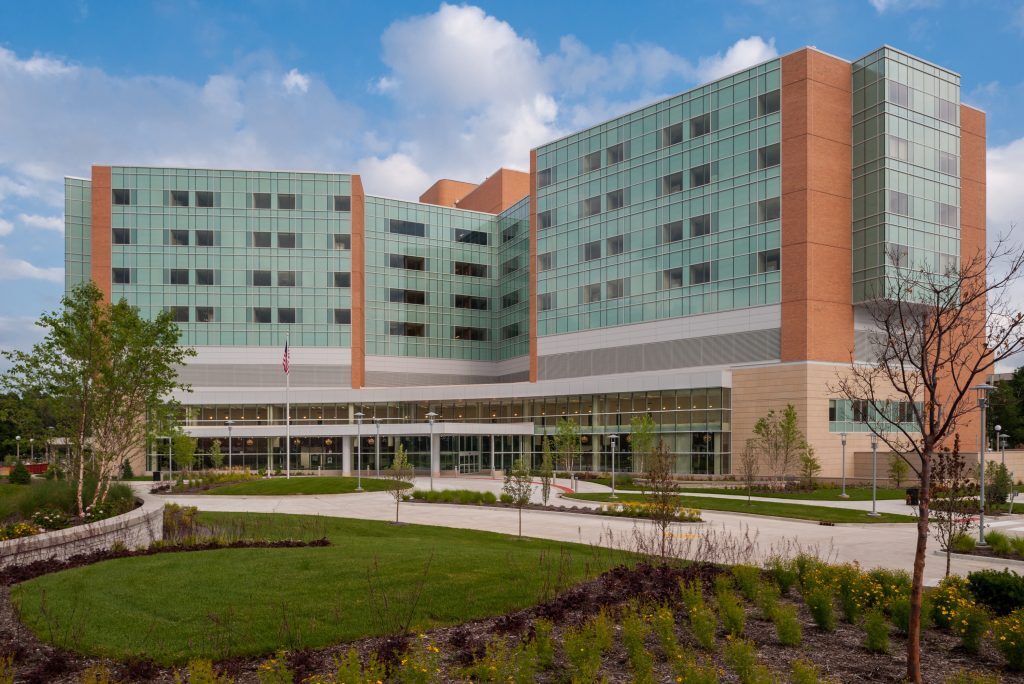
Carle Illinois College of Medicine at the University of Illinois at Urbana-Champaign stands as the world’s first engineering-based medical school, representing a revolutionary approach to medical education. Founded in 2017 through a partnership between Carle Health and the University of Illinois at Urbana-Champaign, this innovative institution has achieved full LCME accreditation as of 2025, cementing its position as a pioneer in medical education.
Program Duration: The Carle Illinois College of Medicine offers a traditional 4-year MD program with a unique curriculum structure that integrates engineering principles with medical training from day one.
Location and Campus: Located in Urbana, Illinois, the college operates on the University of Illinois Urbana-Champaign campus, providing students access to state-of-the-art facilities including advanced simulation labs and cutting-edge research centers.
Accreditation Status: Carle Illinois College of Medicine holds full accreditation from the Liaison Committee on Medical Education (LCME), having achieved this milestone in 2025 after operating under provisional accreditation since 2021.
Unique Distinction: As the world’s first fully accredited engineering-based medical school, Carle Illinois trains “physician-innovators” who are equipped to develop transformative healthcare solutions at the intersection of engineering, science, and medicine.
Admission Requirements
Academic Prerequisites
Minimum Degree Requirements: All applicants must have a bachelor’s degree or higher from an accredited U.S. or Canadian college or university prior to matriculation. There is no preferred major, reflecting the school’s commitment to diversity in academic backgrounds.
Required Competency Areas: Unlike traditional prerequisite courses, Carle Illinois evaluates competency in 11 key areas. Applicants must demonstrate competency in at least 9 of the 11 areas to receive a secondary application. These competencies can be met through:
- Undergraduate coursework
- Research publications
- Professional experiences
- Certificates
- Alternative documented experiences
GPA Requirements:
- No minimum GPA requirement (holistic evaluation approach)
- Median GPA of admitted students: 3.88
- Average GPA: 3.83
Standardized Testing
MCAT Requirements:
- Minimum MCAT score: 498 out of 528
- Median MCAT score of admitted students: 516
- Average MCAT score: 515
- MCAT scores must be no more than 3 years old as of January of the expected enrollment year
- The best eligible score will be used in the admission process
- Individual section scores are not considered
Additional Testing: Carle Illinois does not currently require situational judgment tests (SJT) like CASPer, although they are collecting data for potential future implementation.
Extracurricular Activities & Experience Requirements
Carle Illinois uses a holistic evaluation system that considers:
- Research experience (particularly valued given the engineering focus)
- Clinical exposure and patient interaction
- Leadership roles and community service
- Innovation and entrepreneurship experiences
- Engineering or technical project involvement
The admissions committee seeks candidates who demonstrate not only academic excellence but also a strong commitment to innovation and improving patient care through technology and engineering solutions.
Application Process & Timeline
Application System: AMCAS (American Medical College Application Service)
Application Deadline: October 31, 2025
Required Documents:
- AMCAS primary application
- Official transcripts
- MCAT scores
- Letters of recommendation
- Personal statement
- Work and activities descriptions
Secondary Application: Carle Illinois offers a unique, innovative secondary application process that includes:
- Portfolio submission reflecting three core values: Compassion, Curiosity, and Creativity
- Video essay responses to specific questions
- No cost for secondary applications
Citizenship Requirements: Currently, only U.S. citizens or permanent residents are considered for admission.
Admission Statistics & Success Rates
Overall Acceptance Rate: 2.55% (highly competitive)
Application Volume:
- 2,507 applicants for the 2025 admission cycle
- 64 students enrolled (first-year class size)
Demographics of Admitted Students:
- Gender distribution: 53% men, 47% women (matriculants)
- Residency status: 23.4% Illinois residents, 76.6% out-of-state students
- Acceptance rates by residency: In-state (3.28%), Out-of-state (2.39%)
Competitiveness: Carle Illinois has a significantly lower acceptance rate (2.55%) compared to the national average for medical schools (4.02%), making it highly competitive among medical schools in Illinois and nationally.
Tuition & Financial Information
Current Tuition Rates:
- Illinois residents: $54,415 per year
- Out-of-state students: $67,533 per year
Total Program Cost: Approximately $217,660 for in-state students and $270,132 for out-of-state students over four years (tuition only)
Financial Aid Options:
- Merit scholarships: All admitted students are automatically considered with no separate application required
- Scholarship renewal: Merit scholarships are automatically renewed for all four years as long as students remain in good academic standing
- Federal financial aid: Students must complete the FAFSA using school code 001775
- Need-based aid: Available through federal programs
- Institutional support: Limited scholarship funding from institutional sources and philanthropic support
Financial Aid Process: Only the FAFSA is required; no supplemental financial aid application is necessary. Parental information is not required on the FAFSA for medical students.
Click To See Hundreds Of Consultants Who Can Mentor You:

Curriculum & Program Structure
Program Duration: 4-year MD program with innovative curriculum structure
Educational Philosophy: Integration of engineering principles with traditional medical education, emphasizing the development of “physician-innovators” who can create transformative healthcare solutions.
Curriculum Design: Each course is designed by interdisciplinary teams of basic scientists, clinicians, and engineers, ensuring comprehensive integration of:
- Basic sciences
- Clinical sciences
- Engineering and innovation
- Medical humanities
- Health systems science
Year-by-Year Breakdown:
Years 1-2 (Foundational Science):
- Orientation and Foundations
- Organ system-based courses (Cardiovascular, Respiratory, Renal, Clinical Neuroscience, etc.)
- Innovation methodologies including BioDesign and empathic design
- BiCEP sessions (Basic Science integrated with Clinical Science, Engineering, and Professionalism)
- Discovery Learning Periods for electives and research
Year 3 (Clinical Immersion):
- Core clerkships via lottery system:
- 5 weeks each: Psychiatry, Neurology, Pediatrics, Obstetrics & Gynecology
- 10 weeks each: Internal Medicine, Surgery
- 10 weeks: Electives, Family Medicine Continuity Clinic, and vacation
Year 4 (Final Year):
- Sub-internships
- Capstone or Data Science project completion
- Career Boot Camp
- Electives and away rotations
Clinical Training Sites:
- Primary: Carle Foundation Hospital (Urbana)
- Secondary: Carle BroMenn Medical Center (Normal)
- Level I Trauma Center experience
- Comprehensive stroke center rotations
Pre-Medical Preparation
Recommended Academic Planning:
- Focus on demonstrating competency in the required areas rather than specific prerequisite courses
- Strong foundation in sciences, mathematics, and engineering
- Experience with innovation, research, or engineering projects
Clinical Experience: While specific hour requirements aren’t mandated, clinical exposure is highly valued and demonstrates commitment to patient care.
Research Experience: Particularly important given the school’s innovation focus. Research publications, engineering projects, or innovation experiences are highly valued.
Extracurricular Planning:
- Leadership in engineering or healthcare innovation
- Community service demonstrating compassion
- Activities showing curiosity and creativity
- Entrepreneurial or startup experience
Residency Match Results
Match Rate: Carle Illinois has achieved impressive residency placement results:
- Inaugural class (2022): 100% match rate
- Class of 2025: Successfully matched into 13 different specialties across 20 states
Top Specialties Matched:
- Internal Medicine
- General Surgery
- Emergency Medicine
- Anesthesiology
- Family Medicine
Prestigious Programs: Graduates have matched at top-tier institutions including:
- Yale University
- Stanford Health Care
- Johns Hopkins Hospital
- University of California San Francisco
- Mayo Clinic
Frequently Asked Questions
Does Carle Illinois look at extracurriculars?
Yes, Carle Illinois uses a holistic evaluation that highly values research experience, clinical exposure, innovation projects, leadership, and community service, particularly those demonstrating the core values of compassion, curiosity, and creativity.
What is Carle Illinois’s average GPA and MCAT score?
The median GPA is 3.88 and median MCAT score is 516, with an average GPA of 3.83 and average MCAT of 515.
How competitive is Carle Illinois compared to other medical schools?
With a 2.55% acceptance rate, Carle Illinois is significantly more competitive than the national average (4.02%) and most medical schools in Illinois.
Does Carle Illinois prefer in-state applicants?
While Illinois residents have a slightly higher acceptance rate (3.28% vs 2.39%), the majority of students (76.6%) are from out-of-state, indicating strong consideration for non-residents.
What makes Carle Illinois different from other medical schools?
As the world’s first engineering-based medical school, Carle Illinois uniquely integrates engineering principles throughout its curriculum, training physician-innovators to develop transformative healthcare solutions.
When should I apply to Carle Illinois?
The application deadline is October 31, with applications processed through AMCAS. Students should begin preparing well in advance given the innovative secondary application requirements.
Does Carle Illinois accept international students?
Currently, only U.S. citizens or permanent residents are eligible for admission.
What clinical experience do I need for Carle Illinois?
While no specific hour requirement exists, clinical experience demonstrating patient interaction and healthcare understanding is important for competitive applicants.
Does Carle Illinois require research experience?
While not explicitly required, research experience is highly valued, particularly projects involving innovation, engineering, or healthcare technology development.
What is Carle Illinois’s curriculum like?
The curriculum uniquely integrates engineering with traditional medical education through organ system-based courses designed by interdisciplinary teams, emphasizing innovation and problem-solving from day one.
Where do Carle Illinois graduates match for residency?
Graduates have achieved a 100% match rate and have been accepted into competitive specialties at prestigious programs including Yale, Stanford, Johns Hopkins, and UCSF.
How much does Carle Illinois cost?
Annual tuition is $54,415 for Illinois residents and $67,533 for out-of-state students, with automatic consideration for merit scholarships for all admitted students.
What financial aid is available at Carle Illinois?
Merit scholarships are available and renewable for four years, plus federal financial aid through FAFSA completion. No supplemental financial aid application is required.
Does Carle Illinois offer interviews to all qualified applicants?
No specific interview statistics are published, but the low acceptance rate indicates that interviews are highly selective, likely offered only to the most competitive applicants who demonstrate strong alignment with the school’s mission of training physician-innovators.