

Last updated on January 9th, 2026 at 06:34 am
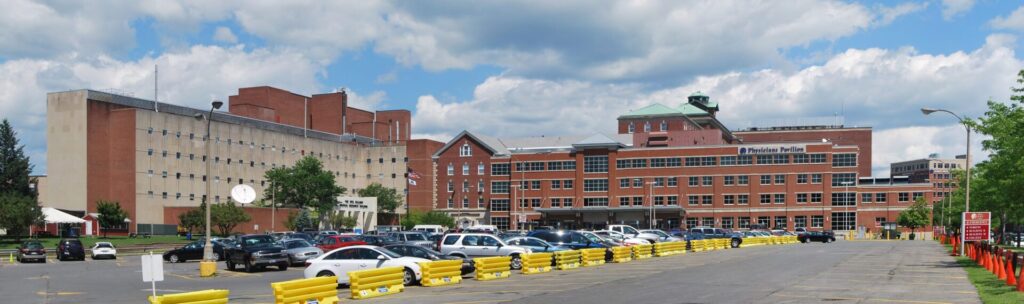
Program Overview & Institution Identity
Albany Medical College stands as one of America’s oldest private medical institutions, founded in 1839 with a rich heritage spanning over 180 years of medical education excellence. Located in Albany, New York, the school operates as a private institution situated on an urban campus in the heart of New York’s capital city.
Program Duration and Structure
Albany Medical College offers a traditional 4-year MD program designed to transform students from learners into competent physicians. The program maintains an intimate learning environment with approximately 140-145 diverse and multi-talented students in each first-year class, ensuring personalized attention and strong faculty-student relationships.
Location and Campus Details
Albany Medical College is strategically positioned in Albany, New York, providing students access to both urban medical facilities and the broader Capital Region. The institution is integrated with Albany Medical Center, a 766-bed academic medical center that serves as the cornerstone of the Albany Med Health System, which includes Columbia Memorial Health, Saratoga Hospital, and Glens Falls Hospital. Combined, these facilities offer 1,520 beds, more than 800 physicians, and 125 outpatient locations throughout the Capital Region.
Accreditation Status
Albany Medical College holds full accreditation from the Liaison Committee on Medical Education (LCME) of the American Association of Medical Colleges, ensuring the program meets the highest standards for medical education. The institution is also accredited by the Commission on Higher Education of the Middle States Association of Colleges and Schools.
Special Programs and Distinctions
The school offers multiple combined degree options including BS/MD, MD/MPH, MD/MBA, and MD/PhD programs, providing pathways for students interested in leadership, public health, business, or research careers. Albany Medical College is one of only 135 nationwide chapters of the Alpha Omega Alpha medical honor society, reflecting its commitment to upholding the highest standards in medical education.
Admission Requirements
Academic Prerequisites
Degree Requirements
Albany Medical College requires applicants to possess a bachelor’s degree from an accredited institution before matriculation. The admissions committee encourages applicants to demonstrate competency in the Association of American Medical Colleges’ Core Competencies, including mathematics, behavioral and social sciences, and English composition.
GPA Requirements
– Median GPA: 3.8
– Competitive Range: While no minimum GPA is specified, successful applicants typically maintain GPAs above 3.7
– The school takes a holistic approach, considering academic achievements in relation to life experiences and circumstances
Standardized Testing
MCAT Requirements
– Median MCAT Score: 511
– Score Validity: MCAT scores must be no more than 3 years old at time of application
– Latest Acceptable Score: For August 2026 enrollment, the latest acceptable MCAT is from September 30, 2025
– Oldest Acceptable Score: For August 2026 enrollment, January 2022 MCAT scores are still accepted
– All MCAT scores are automatically sent to medical schools by AAMC
Extracurricular Activities & Experience Requirements
Albany Medical College’s holistic admissions philosophy emphasizes the evaluation of non-academic criteria alongside academic achievements. The school particularly values:
– Clinical Experience: Direct patient care exposure demonstrating commitment to healthcare
– Service and Volunteering: Community engagement and service-oriented activities
– Leadership Experience: Demonstrated leadership capabilities in various settings
– Research Experience: While not required, research involvement enhances applications
The admissions committee considers these experiences as demonstrations of the Albany Medical College Pre Med Competencies for Entering Medical Students.
Application Process & Timeline
Application System
Albany Medical College participates in the American Medical College Application Service (AMCAS), the centralized application processing service of the Association of American Medical Colleges.
Key Deadlines
– AMCAS Application Deadline: November 1, 2025
– Latest MCAT Date: September 30, 2025 (for current cycle)
Required Documents
Letters of Recommendation
Albany Medical College accepts recommendations only through the AMCAS letter service, with the following options:
1. Premedical advisory committee letter (preferred)
2. Letter packet from college letter service
3. Individual letters from faculty and supervisors (for schools without committee letters)
Application Components
– Completed AMCAS primary application
– Official transcripts (verified through AMCAS)
– MCAT scores
– Personal statement
– Work and activities descriptions
– Secondary application (school-specific essays and requirements)
Interview Process
The interview process is designed to assess personal characteristics, communication skills, and fit with the school’s mission. Specific interview format details vary, but the school emphasizes getting to know applicants beyond their academic credentials.
Admission Statistics & Success Rates
Overall Competitiveness
Albany Medical College is highly competitive, with an acceptance rate of approximately 1.08% for the 2024-2025 entering class.
Application Volume and Outcomes
– Total Applicants: 12,973 (2024-2025 cycle)
– Students Matriculated: 140
– Acceptance Ratio: Approximately 1 in 93 applicants
Geographic Preferences
While Albany Medical College is a private institution that officially welcomes out-of-state applicants, geographic data reveals interesting trends:
– New York Residents: Comprised 50% of the incoming class despite being only 15.9% of applicants
– New York Resident Acceptance Rate: ~2.38%
– Out-of-State Acceptance Rate: ~0.83%
Academic Statistics of Admitted Students
Current Class Profile:
– Median GPA: 3.8
– Median MCAT: 511
– Class Size: 140 students
These statistics position Albany Medical College just below national averages for matriculating MD students (3.84 GPA and 511.7 MCAT nationally), making it moderately competitive among private medical schools.
Tuition & Financial Information
Tuition Structure
Albany Medical College charges the same tuition for all students regardless of residency status, reflecting its private institution status.
2024-2025 Academic Year Costs:
– Annual Tuition: $58,750 (all years)
– In-State Tuition: $58,750
– Out-of-State Tuition: $58,750
Additional Fees by Year
Year 1 Total: $61,675
– Tuition: $58,750
– Books, Supplies & Equipment: $1,000
– Technology Allowance: $1,800
– Student Health Fee: $125
Year 2 Total: $60,645
– Tuition: $58,750
– Books, Supplies & Equipment: $1,100
– Step Exam Fees: $670
– Student Health Fee: $125
Year 3 Total: $59,795
– Tuition: $58,750
– Books, Supplies & Equipment: $250
– Step Exam Fees: $670
– Student Health Fee: $125
Year 4 Total: $58,875
– Tuition: $58,750
– Student Health Fee: $125
Total Program Cost
The total cost for the 4-year MD program is approximately $240,990 in tuition and fees, not including living expenses.
Financial Aid Options
Albany Medical College provides comprehensive financial aid services through the Office of Financial Aid, located in the ME Building, Floor 7. Services include:
– Federal student loan programs
– Merit-based scholarships
– Need-based financial aid programs
– Financial literacy counseling
– Walk-in consultations (9 a.m. to 3 p.m., Monday-Friday)
Financial Aid Priority Deadline: February 15
Living Expenses
Students should budget for additional living expenses in Albany, New York, including housing, food, transportation, and personal expenses. The school provides standard student budgets for living costs in their financial aid guides.
Curriculum & Program Structure
Program Duration and Philosophy
Albany Medical College offers a comprehensive 4-year MD program recently renewed to accommodate changes in medical education standards, MCAT exam updates, and graduate medical education competencies.
Educational Approach
The curriculum reflects a commitment to creating future healthcare leaders who can improve both health status and health equity in their communities. The program emphasizes the transformation from student to healer, expecting graduates to:
– Possess expert knowledge and skills
– Demonstrate caring, compassionate, and collaborative qualities
– Engage actively in their communities and advocate for patients
Three-Phase Curriculum Structure
Phase 1: Foundations of Medical Science (18 months)
– Focused, shortened phase emphasizing integrated medical science rather than traditional discipline-specific courses
– Early, meaningful clinical care experiences integrated throughout
– Foundation building in chemistry, physics, and biology applications
Phase 2: Patient Care
– Full complement of required clinical clerkships
– Competency-based learning objectives
– Clinical core flexibility allowing students to meet competencies in settings relevant to career goals
– Active, guided learning rather than passive shadowing
Phase 3: Advanced Patient Care
– Career exploration opportunities
– Scholarly pursuits prior to residency applications
– Preparation for residency interviews and applications
– Advanced clinical experiences and electives
Clinical Training Facilities
Students train at Albany Medical Center and affiliated institutions throughout the Albany Med Health System, including:
– Albany Medical Center: 766-bed flagship facility
– Bernard & Millie Duker Children’s Hospital: Region’s only children’s hospital
– Massry Family Children’s Emergency Center: Region’s only Level 1 pediatric trauma center
– 125 outpatient locations throughout the Capital Region
Special Academic Programs
– MD with Distinction: Advanced academic recognition program
– Service Learning: Community engagement integrated into curriculum
– Research Opportunities: Available throughout all phases of education
– Dual Degree Programs: MD/MPH, MD/PhD, MD/MBA options
Pre-Medical Preparation
Academic Planning
Prospective Albany Medical College applicants should focus on building a strong foundation in the sciences while developing the competencies valued by the admissions committee.
Recommended Academic Approach:
– Complete all AAMC Core Competencies including mathematics, behavioral and social sciences, and English composition
– Maintain strong performance in prerequisite science courses
– Consider diverse academic experiences that demonstrate intellectual curiosity
Clinical Experience Development
Albany Medical College values applicants who demonstrate genuine commitment to healthcare through clinical exposure:
– Seek direct patient care experiences
– Focus on quality over quantity in clinical encounters
– Document meaningful interactions and learning experiences
– Consider various healthcare settings (hospitals, clinics, community health centers)
Research Experience
While not mandatory, research experience enhances applications by demonstrating:
– Scientific inquiry skills
– Ability to contribute to medical knowledge
– Commitment to evidence-based medicine
– Various research types are valued (basic science, clinical, public health, health services)
Service and Leadership
The school’s holistic approach values:
– Community Service: Sustained involvement in community improvement
– Leadership Roles: Demonstrated ability to guide and inspire others
– Service Learning: Experiences that combine service with educational reflection
MCAT Preparation Strategy
Given the median MCAT score of 511:
– Plan adequate preparation time (typically 3-6 months of dedicated study)
– Consider the 3-year validity period when scheduling
– Latest test date for current cycle: September 30, 2025
– Retake policies allow for score improvement if necessary
Application Timeline Planning
Junior Year:
– Complete prerequisite courses
– Begin clinical and research experiences
– Start building relationships for letters of recommendation
Senior Year or Gap Year:
– Take MCAT by September 30
– Submit AMCAS application by November 1
– Complete secondary applications promptly
– Prepare for interviews
What is Albany Medical College’s average GPA and MCAT score?
Albany Medical College’s median GPA is 3.8 and median MCAT score is 511. These statistics represent the middle 50% of accepted students, meaning competitive applicants typically score at or above these levels.
How competitive is Albany Medical College compared to other medical schools?
Albany Medical College is highly competitive with a 1.08% acceptance rate, making it one of the more selective medical schools nationally. It’s considered moderately competitive based on academic statistics, but highly selective based on acceptance rates.
Does Albany Medical College prefer in-state applicants?
While Albany Medical College is private and officially welcomes out-of-state applicants, data shows New York residents have higher acceptance rates (2.38% vs 0.83% for out-of-state applicants) and comprise 50% of each class.
What makes Albany Medical College different from other medical schools?
Key distinguishing features include:
– One of America’s oldest medical schools (founded 1839)
– Small, intimate class size (140-145 students)
– Integrated curriculum with early clinical exposure
– Strong community focus and service learning emphasis
– Comprehensive health system for clinical training
When should I apply to Albany Medical College?
The AMCAS application deadline is November 1, but successful applicants typically submit their applications in June when the cycle opens to ensure early review and interview consideration.
Does Albany Medical College accept international students?
Albany Medical College does not accept Canadian or international students, focusing exclusively on U.S. citizens and permanent residents.
What clinical experience do I need for Albany Medical College?
While no specific hour requirements exist, Albany Medical College values meaningful clinical exposure demonstrating commitment to healthcare. Quality experiences with direct patient interaction are preferred over high hours in non-clinical settings.
Does Albany Medical College require research experience?
Research experience is not required but is valued as part of the holistic evaluation process. The school appreciates various types of research including basic science, clinical, and public health research.
How many letters of recommendation does Albany Medical College require?
Albany Medical College accepts recommendations through AMCAS letter service, preferring either a premedical advisory committee letter or letter packet from college letter services. For schools without committee services, individual letters from faculty and supervisors are acceptable.
What is Albany Medical College’s curriculum like?
The curriculum follows a three-phase structure: Foundations of Medical Science (18 months with early clinical exposure), Patient Care (core clerkships), and Advanced Patient Care (electives and career preparation). The program emphasizes integrated learning rather than traditional lecture-based courses.
Where do Albany Medical College graduates match for residency?
Albany Medical College has strong match results, with 40% of recent graduates pursuing primary care specialties. The 2025 Match Day saw 123 students successfully match to residency programs across the nation, with 41 students matching to programs in New York State.
How much does Albany Medical College cost?
The total 4-year program costs approximately $240,990 in tuition and fees, with annual tuition of $58,750 remaining constant across all four years. Additional living expenses in Albany should also be budgeted.
What financial aid is available at Albany Medical College?
Albany Medical College offers federal student loans, merit-based scholarships, need-based financial aid, and comprehensive financial counseling through their Office of Financial Aid. The priority deadline for financial aid applications is February 15.
Does Albany Medical College offer interviews to all qualified applicants?
No, Albany Medical College practices selective interview invitation based on holistic application review. With over 12,000 applicants and only 140 spots, interview invitations are extended to a small percentage of applicants who best match the school’s mission and demonstrate competitive qualifications.