

Last updated on January 9th, 2026 at 06:32 am
Program Overview & Institution Identity
Official Program Name
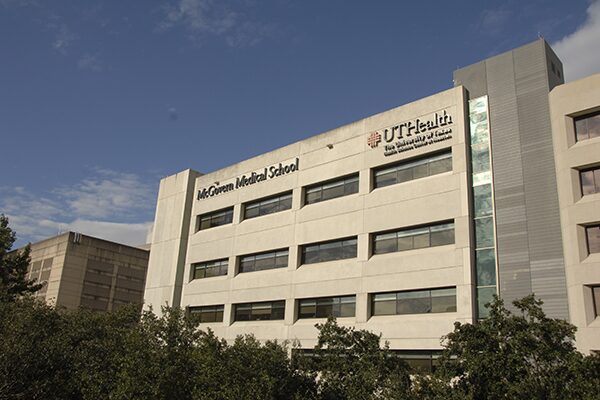
McGovern Medical School at the University of Texas Health Science Center at Houston, officially known as John P. and Kathrine G. McGovern Medical School, offers a comprehensive 4-year Doctor of Medicine (MD) program. The school was renamed in 2015 following a transformational $75 million gift from the John P. McGovern Foundation, marking the largest gift in the university’s history.
Program Duration and Structure
The McGovern Medical School MD program follows a traditional 4-year curriculum structure:
- Years 1-2 (Pre-Clinical): Integrated Medical Science curriculum with early clinical exposure
- Years 3-4 (Clinical): Core clerkship rotations and electives
The program also offers combined degree options including MD/MPH, MD/MBA, and MD/PhD pathways for students seeking dual credentials.
Location and Campus Details
Located in the heart of the Texas Medical Center in Houston, Texas, McGovern Medical School operates as a public institution with an urban campus setting. The school benefits from its strategic location within the world’s largest medical complex, providing unparalleled access to clinical training opportunities and collaborative partnerships.
Primary Teaching Hospitals:
- Memorial Hermann-Texas Medical Center
- Children’s Memorial Hermann Hospital
- Harris Health Lyndon B. Johnson Hospital
- John S. Dunn Behavior Sciences Center
Accreditation Status
McGovern Medical School is fully accredited by the Liaison Committee on Medical Education (LCME), the nationally recognized accrediting authority for medical education programs leading to the MD degree in the United States and Canada. This accreditation ensures that graduates are eligible to take the United States Medical Licensing Examination (USMLE) and apply for residency positions.
Ranking and Recognition
- Ranked #91 in Best Medical Schools by US News & World Report
- #10 in Largest Medical Schools nationwide
- #46 in Public Medical Schools
- The 11th-largest medical school in the United States
- Consistently rated as one of the best values in medical education
Admission Requirements
Academic Prerequisites
Minimum Degree Requirements
All applicants must complete a Bachelor’s degree from an accredited institution prior to matriculation. While there is no preference for specific undergraduate majors, the school values diverse academic backgrounds that demonstrate intellectual breadth and depth.
Required Courses
McGovern Medical School requires completion of prerequisite coursework, though specific course requirements are evaluated holistically. The admissions committee considers:
- Strong foundation in biological sciences
- Physical sciences background
- Mathematics and statistics
- Humanities and social sciences for well-rounded education
GPA Requirements
- Median GPA: 3.91
- Minimum competitive threshold: Students should aim for a GPA above 3.7 to be competitive
- Science GPA: Evaluated separately with emphasis on prerequisite performance
- GPA calculation: Both cumulative and science GPAs are considered in the holistic review process
Standardized Testing
MCAT Requirements
- Median MCAT Score: 514
- Competitive Range: Successful applicants typically score above 510
- Section Requirements: No specific section minimums, but balanced performance across all sections is preferred
- Validity Period: MCAT scores must be taken within reasonable timeframe of application
- Retake Policy: Multiple attempts are considered with focus on highest score achieved
Additional Testing
CASPer Test Required: All applicants must complete the Computer-Based Assessment for Sampling Personal Characteristics (CASPer):
- Tests non-cognitive skills and interpersonal characteristics
- Required for all McGovern Medical School applicants
- Must register using TMDSAS ID at takealtus.com
- Test Code: CSP-10111 – U.S. Medicine
- Technical requirements: Laptop/desktop with webcam, microphone, and reliable internet
Extracurricular Activities & Experience Requirements
McGovern Medical School uses a holistic evaluation system that equally weighs:
- Clinical Experience: Direct patient care exposure highly valued
- Research Experience: Basic science, clinical, or public health research
- Community Service: Volunteer work, particularly serving underserved populations
- Leadership Experience: Demonstrated leadership in various capacities
- Work Experience: Professional experience that demonstrates maturity and interpersonal skills
Texas Residency Preference: As a public institution, McGovern Medical School gives strong preference to Texas residents, with approximately 95% of matriculants being Texas residents.
Application Process & Timeline
Application System
Primary Application: Texas Medical and Dental School Application Service (TMDSAS)
- All applicants except MD/PhD candidates use TMDSAS
- MD/PhD candidates must apply through AMCAS
Application Deadlines
- Primary Application Deadline: October 1, 2025
- Secondary Application: Sent after primary application review
- CASPer Test: Must be completed as part of application requirements
Required Documents
- Transcripts: Official transcripts from all institutions attended
- Letters of Evaluation: Multiple letters required (specific number determined by committee)
- Personal Statement: Required through TMDSAS application
- Secondary Application: McGovern-specific essays and questions
- CASPer Test Score: Required for all applicants
Interview Process
- Format: Multiple Mini Interview (MMI) format typically used
- Interview Season: Invitations typically sent in fall/winter months
- Virtual Options: Available as determined by admissions committee
- Post-Interview Timeline: Decisions communicated through TMDSAS system
Post-Interview Process
McGovern Medical School operates on a rolling admissions basis:
- Match Participation: Participates in TMDSAS Match system
- Match Date: February each year
- Waitlist Process: Continued consideration after initial match
- Deposit Requirements: Required to secure position upon acceptance
Admission Statistics & Success Rates
Overall Acceptance Rate
McGovern Medical School maintains a highly competitive acceptance rate of approximately 4.21%:
- Total Applicants (2025 cycle): 5,699
- Matriculated Students: 240
- Class Size: 240 students annually
Application Volume Trends
As one of the most popular medical schools in Texas, McGovern consistently receives more applications than any other public medical school in the state, reflecting its reputation for quality education and affordable tuition.
Demographics of Admitted Students
- Texas Residents: Approximately 95% of matriculated students
- Out-of-State Students: Limited acceptance, highly competitive
- International Students: Minimal acceptance rate
- Academic Background: Diverse undergraduate majors represented
Academic Statistics
Admitted Student Profiles:
- Median GPA: 3.91
- Median MCAT: 514
- GPA Range (25th–75th percentile): Competitive range above 3.7–4.0
- MCAT Range (25th–75th percentile): Typically 510–518
Waitlist Statistics
- Rolling Admissions: Continued consideration throughout cycle
- Post-Match Selection: Waitlist candidates selected after February match
- Timeline: Waitlist movement continues through summer months
Performance Outcomes
USMLE Pass Rates:
- Step 1: 94% (compared to national average of 92%)
- Step 2 CK: 99% (compared to national average of 98%)
Residency Match Rates:
- Overall Match Rate: 99% (2024)
- National Average: 97.4%
- Graduates successfully match in competitive residency programs nationwide
Tuition & Financial Information
Current Tuition Rates by Residency Status
Texas Residents (2025–2026)
- Year 1: $29,603.27
- Year 2: $28,749.27
- Year 3: $29,928.02
- Year 4: $29,712.02
- Base Tuition: $21,083 per year
Out-of-State Residents (2025–2026)
- Year 1: Approximately $37,258 (including base tuition of $28,738)
- Years 2–4: Similar structure with non-resident tuition rate
- Base Tuition: $28,738 per year
Additional Fees Breakdown
Common Fees (All Years):
- Information Technology Access Fee: $126
- Computer Resource Fee: $200
- Technology Resource Fee: $1,551
- Library Resource Fee: $165
- Simulation and Skills Fee: $1,375
- Health Insurance: $2,574–$4,012 (varies by year)
- Malpractice Insurance: $25
Year-Specific Fees:
- Year 1: Course Fee BSCI 1100 ($675), Orientation Fee ($162)
- Years 2–3: UWorld Fee ($499–$569)
- Year 4: Graduation Fee ($150)
Total Cost of Attendance
Estimated Annual Total Cost:
- Texas Residents: $56,614–$69,714 (including living expenses)
- Out-of-State: $69,714+ (including living expenses)
Living Expenses (Houston, TX):
- Room and Board: $21,250
- Transportation: $3,686
- Personal/Miscellaneous: $3,458
- Books/Supplies: $3,500
Program Length Cost Analysis
4-Year Total Estimated Cost:
- Texas Residents: $226,456–$278,856
- Out-of-State: $278,856+
Financial Aid Options
Federal Financial Aid:
- Federal Direct Unsubsidized Loans (7.94% interest rate)
- Federal Direct PLUS Loans
- Work-study opportunities
Scholarship Opportunities:
- Merit-based scholarships available
- Need-based financial aid programs
- External scholarship opportunities encouraged
- Texas-specific scholarship programs
- Harris County Medical Society Alliance Scholarships
Special Programs:
- Armed Forces Health Professions Program
- National Health Service Corps
- National Medical Fellowships for underrepresented minorities
Click To See Hundreds Of Consultants Who Can Mentor You:

Curriculum & Program Structure
Program Duration and Structure
McGovern Medical School operates a traditional 4-year MD program structure designed to provide comprehensive medical education rooted in scientific and clinical excellence.
Educational Philosophy and Teaching Methods
The curriculum integrates multiple teaching methodologies:
- Integrated Medical Science: Combining basic sciences with clinical applications
- Problem-Based Learning: Small group sessions and case-based learning
- Early Clinical Exposure: Longitudinal preceptor relationships beginning in Year 1
- Simulation-Based Learning: Extensive use of standardized patients and simulation technology
Pre-Clinical Years (Years 1–2)
Year 1 Curriculum
Foundations of Medicine Modules:
- Cellular mechanisms and disease processes
- Structure and function for physical examination
- Introduction to clinical skills
System-Based Modules:
- Hematology and Introduction to Pathology
- Cardiovascular System
- Pulmonary System
- Nervous System & Behavior
Year 2 Curriculum
Continued Systems-Based Learning:
- Musculoskeletal and Dermatology
- Endocrine System
- Gastrointestinal System
- Reproductive Systems
- Renal System
Clinical Integration:
- Doctoring 1: History and Physical Examination Skills (Semester 1)
- Longitudinal Preceptor Program: Clinical experience in Semesters 2–3
Clinical Training (Years 3–4)
Year 3 Core Clerkships
Required clinical rotations in major specialties:
- Internal Medicine
- Surgery
- Pediatrics
- Obstetrics and Gynecology
- Psychiatry
- Neurology
- Family Medicine
Assessment: Comprehensive Clinical Competency Examination at the end of Year 3
Year 4 Structure
Career Focus Tracks (CFT):
- Primary Care Track: Internal Medicine, Pediatrics, Family Medicine, Psychiatry
- Acute Care Track: Emergency Medicine, Anesthesia
- Applied Anatomy Track: Surgery, Radiology, Pathology
- Academic Career Track: Research-focused with additional elective time
Required Year 4 Courses:
- Ambulatory Medicine Selective
- Critical Care rotation
- Additional specialty-specific electives
Elective Opportunities
- Research Electives: Scholarly project requirements
- International Rotations: Global health opportunities
- Community-Based Rotations: Underserved population focus
- Specialty Exploration: Exposure to various medical specialties
Special Programs
Combined Degree Options:
- MD/MPH: Master of Public Health
- MD/MBA: Master of Business Administration
- MD/PhD: Research-focused physician-scientist training
Other Programs:
- Joint Admissions Medical Program (JAMP)
- Summer Research Program
- Scholarly Concentrations Program
Residency Preparation
McGovern Medical School provides excellent residency placement support:
- Match Rate: 99% (2024)
- USMLE Preparation: Built-in board exam preparation
- Career Counseling: Specialty-specific mentoring
- Research Opportunities: Scholarly activity requirements
Pre-Medical Preparation
Undergraduate Program Recommendations
Academic Foundation:
- Strong science background in biology, chemistry, physics, and mathematics
- Diverse academic experiences beyond science requirements
- Liberal arts exposure for well-rounded perspective
- Research experience in basic science, clinical, or public health settings
Major Selection:
McGovern Medical School values academic diversity and does not prefer specific undergraduate majors. Successful applicants come from various backgrounds including:
- Biological Sciences
- Chemistry and Biochemistry
- Engineering
- Liberal Arts and Humanities
- Social Sciences
- Business and Economics
Academic Planning
Course Sequencing:
- Complete prerequisite courses with strong performance (B or better)
- Plan for MCAT preparation timing
- Consider research opportunities throughout undergraduate years
- Maintain high GPA while pursuing diverse interests
GPA Optimization:
- Target cumulative GPA above 3.7
- Strong performance in science prerequisite courses
- Consistent academic performance across all years
- Grade improvement trends valued over single semester performance
Clinical Experience Requirements
Types of Clinical Exposure:
- Direct patient care experience (volunteering, employment)
- Healthcare shadowing across multiple specialties
- Clinical research participation
- Healthcare administration or support roles
Quality vs. Quantity:
- Sustained, meaningful experiences preferred over brief exposures
- Leadership roles within clinical settings
- Understanding of healthcare delivery systems
- Exposure to underserved populations valued
Research Experience
Research Opportunities:
- Basic science laboratory research
- Clinical research and trials
- Public health and epidemiological studies
- Community-based participatory research
Publications and Presentations:
- While not required, research productivity demonstrates scholarly ability
- Conference presentations and peer-reviewed publications strengthen applications
- Independent research projects showcase initiative
Extracurricular Planning
Community Service:
- Long-term commitment to service organizations
- Focus on underserved populations
- Healthcare-related volunteer work
- Leadership roles in service activities
Leadership Development:
- Student organization leadership
- Community organization involvement
- Work experience with supervisory responsibilities
- Athletic team leadership or similar activities
Standardized Test Preparation
MCAT Preparation:
- Plan 3–6 months of dedicated study time
- Target score above 510 for competitive consideration
- Consider retake if initial score below competitive range
- Register early for desired test dates
CASPer Preparation:
- Practice online situational judgment scenarios
- Review ethical principles in healthcare
- Develop clear communication strategies
- Ensure technical requirements are met
Gap Year Considerations
Beneficial Gap Year Activities:
- Research positions in academic or industry settings
- Clinical work experience (medical assistant, scribe, etc.)
- Graduate coursework to strengthen academic profile
- Healthcare-related volunteer service (AmeriCorps, Peace Corps)
- Teaching or mentoring experiences
Application Timeline:
- Begin application preparation during junior year
- Complete MCAT by spring of application year
- Gather letters of recommendation well in advance
- Submit applications early in application cycle
Frequently Asked Questions
Does McGovern Medical School look at extracurriculars?
Yes, McGovern Medical School takes a holistic approach to admissions and heavily weighs extracurricular activities. The admissions committee looks for evidence of interpersonal skills, community service, leadership experience, healthcare exposure, and research accomplishments. Clinical experience, volunteer work, and leadership positions are particularly valued.
What is McGovern Medical School’s average GPA and MCAT score?
The median GPA for admitted students is 3.91, and the median MCAT score is 514. These represent competitive benchmarks, though the school considers applications holistically, meaning students with slightly lower stats but strong extracurriculars and experiences may still be competitive.
How competitive is McGovern Medical School compared to other medical schools?
McGovern Medical School is highly competitive with an acceptance rate of approximately 4.21%.