

Last updated on January 9th, 2026 at 06:32 am
Program Overview & Institution Identity
Official Program Name and Identity
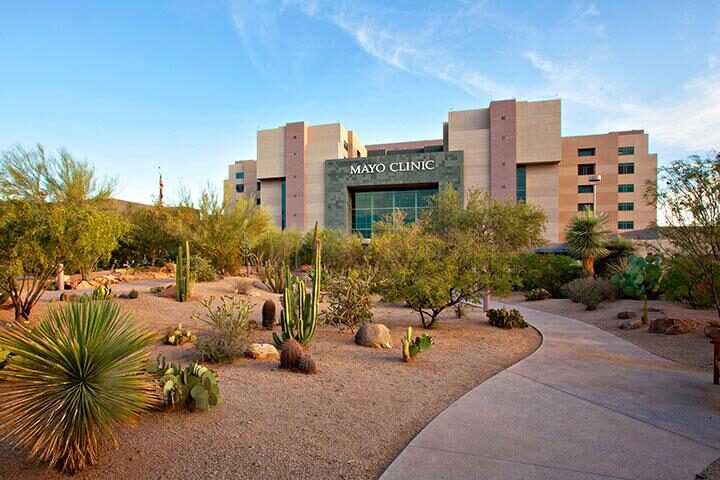
Mayo Clinic Alix School of Medicine stands as one of the most prestigious medical education institutions in the United States, operating as part of the Mayo Clinic College of Medicine and Science. Located primarily in Rochester, Minnesota, with additional campuses in Arizona and Florida, this private medical school has earned a reputation for excellence that extends far beyond its geographic boundaries.
Program Duration and Structure
The Mayo Clinic Alix School of Medicine offers a traditional 4-year MD program designed to produce exceptional physicians prepared for the challenges of modern healthcare. The program follows an innovative curriculum structure that integrates clinical experience early and emphasizes the “Science of Health Care Delivery”—a unique approach that sets Mayo apart from other medical schools.
Campus Locations and Training Sites
- Rochester, Minnesota (Primary Campus): Urban setting in southeastern Minnesota
- Arizona Campus: Expanding clinical opportunities in the Southwest
- Florida Campus: Providing diverse patient populations and tropical medicine exposure
Accreditation Status
Mayo Clinic Alix School of Medicine is fully accredited by the Liaison Committee on Medical Education (LCME), ensuring that graduates meet the highest standards for medical practice and are eligible for residency training throughout the United States.
Rankings and Recognition
- Ranked #13 among medical schools by U.S. News & World Report
- Consistently rated among the top 20 medical schools nationally
- 94% of students report satisfaction with their medical education
- 96% of residents from Mayo meet or exceed performance expectations according to the AAMC Resident Readiness Survey
Admission Requirements
Academic Prerequisites
Bachelor’s Degree Requirements
Applicants must have completed a bachelor’s degree from an accredited institution before matriculation. Mayo Clinic Alix School of Medicine accepts students from diverse academic backgrounds, though science majors are not required.
Required Coursework
All applicants must complete the following prerequisite courses with laboratory components:
- Biology with Lab: One full year (8 credit hours)
- General Chemistry with Lab: One full year (8 credit hours)
- Organic Chemistry with Lab: One full year (8 credit hours)
- Physics with Lab: One full year (8 credit hours)
- Biochemistry: One course (minimum 3 credit hours)
GPA Requirements
- Median GPA of Admitted Students: 3.95
- Competitive GPA Range: 3.85–4.0
- While there is no strict minimum GPA requirement, successful applicants typically maintain GPAs well above 3.7
- Both overall and science GPAs are evaluated in the holistic review process
Standardized Testing Requirements
MCAT Requirements
- Median MCAT Score: 522
- Competitive MCAT Range: 518–528 (95th–99th percentile)
- MCAT Validity: Scores must be no more than three years old at the time of application
- Retake Policy: Multiple attempts are considered, with emphasis on the most recent score
- Section Requirements: Strong performance across all sections is expected, particularly in biological and physical sciences
Additional Testing
Mayo Clinic Alix School of Medicine does not currently require the CASPer test, unlike some other highly competitive medical schools. However, this policy may change, so applicants should verify current requirements.
Extracurricular Activities & Experience Requirements
Clinical Experience
- Requirement Level: Strongly recommended but not specified minimum hours
- Types Valued: Direct patient care, shadowing physicians, hospital volunteering
- Quality vs. Quantity: Mayo emphasizes meaningful, long-term clinical experiences over high hour counts
Research Experience
- Expectation: Highly valued, with many admitted students having significant research backgrounds
- Types: Basic science, clinical, translational, and health services research all considered valuable
- Publications: Not required but can strengthen applications significantly
Leadership and Service
- Community Service: Demonstrated commitment to serving others
- Leadership Roles: Experience leading teams, organizations, or initiatives
- Diversity and Inclusion: Activities demonstrating commitment to healthcare equity and inclusion
Application Process & Timeline
Application System
Mayo Clinic Alix School of Medicine participates in the American Medical College Application Service (AMCAS) for primary applications.
Application Timeline
| Date | Requirement |
|---|---|
| Early May | AMCAS application opens |
| June 1 | Application submission window opens |
| October 1 | Primary application deadline |
| October 15 | Transcript submission deadline |
| October 15 | Secondary application deadline |
| October 15 | MCAT score submission deadline |
| August–November | Interview invitations extended |
| September–December | Interview season |
| February | Initial acceptances offered |
| April–June | Waitlist movement |
| July | Orientation begins |
Required Documents
Primary Application Components
- AMCAS Application: Complete online application through AMCAS
- Official Transcripts: All post-secondary transcripts submitted through AMCAS
- MCAT Scores: Official scores reported through AMCAS
- Personal Statement: 5,300-character essay describing motivation for medicine
Secondary Application
- Application Fee: $120 (waived for AMCAS fee waiver recipients)
- School-Specific Essays: Two prompts, 500 words each
- Why Mayo Clinic and selected track
- Personal experiences shaping identity and contribution to collaborative learning
Letters of Recommendation
- Minimum Requirement: 3 letters
- Recommended: Letter packet from pre-health committee or 3–4 individual letters
- Sources: Academic faculty, physicians, research supervisors, employers
- Content: Should address academic ability, personal character, and suitability for medicine
Interview Process
- Format: Multiple Mini Interviews (MMI) and traditional panel interviews
- Duration: Full-day experience including campus tour
- Virtual Options: Available in certain circumstances
- Timeline: Invitations typically sent August through November
- Statistics: Approximately 800–1,000 applicants receive interview invitations
Admission Statistics & Success Rates
Overall Acceptance Rates
- Overall Acceptance Rate: 4.5% (2024–2025 cycle)
- Applications Received: ~5,900 applications annually
- Interview Invitations: ~1,000 (17% of applicants)
- Class Size: 106 students per year
- Trend: Acceptance rate has decreased from ~6% to ~4.5% over recent years
Academic Profile of Admitted Students
- Median GPA: 3.95
- GPA Range (25th–75th percentile): 3.85–4.0
- Median MCAT: 522
- MCAT Range (25th–75th percentile): 518–528
Demographics and Geographic Distribution
- Geographic Diversity: Students from all 50 states
- In-State vs. Out-of-State: No preference (private institution)
- International Students: Accepted on case-by-case basis
- Gender Distribution: Approximately 49% male, 51% female
- Diversity: 13% underrepresented minorities
Waitlist Information
- Waitlist Size: Approximately 200–300 candidates
- Waitlist Acceptance Rate: 10–15% historically
- Timeline: Movement occurs April through July
- Communication: Regular updates provided to waitlisted candidates
Tuition & Financial Information
Tuition Rates
- Annual Tuition: $65,920 (same for all students regardless of residency)
- 4-Year Total: $263,680
- Fee Structure: No differentiation between in-state and out-of-state students
Additional Costs
- Student Fees: Technology, health services, and activity fees (~$2,500 annually)
- Living Expenses:
- Rochester, MN: $15,000–$18,000 annually
- Arizona: $16,000–$20,000 annually
- Florida: $17,000–$21,000 annually
- Books and Supplies: $2,500–$3,000 per year
- Clinical Equipment: $1,500–$2,000 total program cost
Total Cost of Attendance
- Annual COA: $85,000–$90,000 depending on campus and lifestyle
- 4-Year Total COA: $340,000–$360,000
Financial Aid Options
- Aid Recipients: 100% of students receive some form of financial aid
- Average Aid Package: $66,000 annually
- Merit Scholarships: Limited number of full and partial scholarships available
- Need-Based Aid: Federal loans, institutional grants, and work-study opportunities
- Loan Programs: Federal Direct Loans, Graduate PLUS loans
- Scholarship Opportunities: Mayo Clinic Alumni Association scholarships, external medical school scholarships
Living Expenses by Location
The cost of living varies significantly between Mayo Clinic’s campuses, with Rochester, Minnesota typically being the most affordable option for students.
Click To See Hundreds Of Consultants Who Can Mentor You:
Curriculum & Program Structure
Program Philosophy
Mayo Clinic Alix School of Medicine employs a patient-centered, science-based approach to medical education. The curriculum emphasizes the integration of basic sciences, clinical practice, and the unique “Science of Health Care Delivery.”
4-Year Curriculum Structure
Pre-Clerkship Years (Years 1–2)
- Year 1: Foundational sciences including anatomy, physiology, biochemistry, and pathology
- Year 2: Advanced pathophysiology, pharmacology, and introduction to clinical skills
- Teaching Methods: Small-group learning, problem-based learning, early clinical exposure
- Assessment: Pass/fail system for most courses, reducing competition among students
Clerkship Year (Year 3)
- Core Rotations: Internal medicine, surgery, pediatrics, obstetrics/gynecology, psychiatry, neurology
- Duration: 8–12 weeks per rotation
- Sites: Mayo Clinic campuses and affiliated hospitals
- Assessment: Honors/pass/fail grading system
Post-Clerkship Year (Year 4)
- Required Rotations: Emergency medicine, critical care, advanced clinical rotations
- Electives: Extensive flexibility for specialty exploration and research
- Away Rotations: Opportunities at other institutions for residency preparation
- Capstone Project: Research or quality improvement project requirement
Special Programs and Tracks
- MD/PhD Program: Medical Scientist Training Program (MSTP) available
- Research Tracks: Opportunities for extended research experiences
- Global Health: International rotation opportunities
- Rural Medicine: Training in underserved communities
- Leadership Development: Mayo Clinic Leadership Institute programs
Clinical Training Excellence
- Patient-to-Student Ratio: High-quality clinical experiences with close supervision
- Technology Integration: Cutting-edge simulation centers and virtual reality training
- Multi-Campus Experience: Exposure to different patient populations and healthcare systems
Residency Preparation and Match Results
- Overall Match Rate: 97% (2024 results)
- Top Specialties:
- Surgical specialties: 31 students (Ophthalmology, Orthopedics, Neurosurgery, etc.)
- Internal Medicine: 14 students
- Specialty Distribution: Strong placement in competitive specialties
- Geographic Distribution:
- 31% matched to Mayo Clinic programs
- 37% West Coast
- 31% Midwest
- 16% South
- 15% East Coast
Pre-Medical Preparation
Undergraduate Planning
- Major Selection: No preference for specific majors; diversity of academic backgrounds welcomed
- Course Load: Balance science requirements with Liberal Arts coursework
- GPA Optimization: Maintain consistent high performance throughout undergraduate career
- Study Abroad: Considered positively, especially programs with healthcare or research components
Clinical Experience Recommendations
- Direct Patient Care: Volunteer in hospitals, clinics, or healthcare facilities
- Physician Shadowing: Observe various medical specialties to understand physician roles
- Long-term Commitment: Sustained involvement preferred over short-term experiences
- Leadership in Healthcare: Take on supervisory or teaching roles in clinical settings
Research Experience Expectations
- Research Background: Highly valued, with most admitted students having significant research experience
- Publication Record: Not required but strengthens application significantly
- Research Types: Basic science, clinical, translational, health services, and policy research all valued
- Presentation Experience: Conference presentations and poster sessions demonstrate commitment
Extracurricular Development
- Leadership Roles: Demonstrate ability to lead teams and initiatives
- Community Service: Show commitment to serving others, particularly underserved populations
- Diversity and Inclusion: Activities promoting healthcare equity and cultural competency
- Unique Experiences: Non-medical pursuits that demonstrate well-roundedness and unique perspectives
MCAT Preparation Strategy
- Timeline: Plan for 3–6 months of intensive preparation
- Target Score: Aim for 520+ to be competitive
- Practice Tests: Regular full-length practice examinations
- Retake Considerations: Retake if first score is below 515
Application Strategy
- Early Application: Submit AMCAS application on June 1st opening day
- School List Balance: Include reach, match, and safety schools
- Secondary Turnaround: Complete secondaries within 2–3 weeks of receipt
- Interview Preparation: Practice MMI formats and traditional interview questions
Frequently Asked Questions
Does Mayo Clinic Alix School of Medicine look at extracurriculars?
Yes, Mayo Clinic employs a holistic admissions process that heavily weighs extracurricular activities. They specifically look for clinical experience, research involvement, leadership roles, and community service. The admissions committee values applicants who demonstrate the Mayo values of compassion, innovation, and teamwork through their activities.
What is Mayo Clinic Alix School of Medicine’s average GPA and MCAT score?
The median GPA for admitted students is 3.95, with most successful applicants having GPAs between 3.85–4.0. The median MCAT score is 522, with competitive applicants typically scoring between 518–528. These statistics place Mayo among the most academically selective medical schools in the country.
How competitive is Mayo Clinic Alix School of Medicine compared to other medical schools?
Mayo Clinic is extremely competitive, with an acceptance rate of approximately 4.5%. This places it among the top 10 most selective medical schools in the United States, comparable to Harvard, Johns Hopkins, and Stanford Medical Schools. The combination of high academic standards and limited class size makes admission highly competitive.
Does Mayo Clinic Alix School of Medicine prefer in-state applicants?
No, as a private institution, Mayo Clinic does not give preference to in-state applicants. Students are accepted from all 50 states, with the majority coming from out-of-state. Geographic diversity is actually valued in the admissions process.
What makes Mayo Clinic Alix School of Medicine different from other medical schools?
Mayo Clinic’s unique features include:
Integration with the world-renowned Mayo Clinic healthcare system
“Science of Health Care Delivery” curriculum
Multi-campus training opportunities (Minnesota, Arizona, Florida)
Small class sizes with exceptional faculty-to-student ratios
97% residency match rate with strong placement in competitive specialties
Emphasis on teamwork, innovation, and patient-centered care
When should I apply to Mayo Clinic Alix School of Medicine?
Submit your AMCAS application as early as possible, ideally on June 1st when applications open. Mayo operates on rolling admissions, so early applicants have an advantage. Secondary applications should be completed within 2–3 weeks of receipt, typically by mid-August for optimal consideration.
Does Mayo Clinic Alix School of Medicine accept international students?
Yes, but on a very limited, case-by-case basis. International students must demonstrate exceptional academic credentials and typically need to show strong ties to the United States or specific circumstances that align with Mayo’s mission. Canadian citizens may have slightly better chances given proximity and healthcare system similarities.
What clinical experience do I need for Mayo Clinic Alix School of Medicine?
While Mayo doesn’t specify minimum hours, successful applicants typically have extensive clinical exposure through hospital volunteering, direct patient care roles, or shadowing experiences. Quality and depth of experience matter more than hours. Long-term commitments and leadership roles in clinical settings are particularly valued.
Does Mayo Clinic Alix School of Medicine require research experience?
Research experience is not required but is highly recommended. The vast majority of admitted students have significant research backgrounds, including publications and conference presentations. Mayo values both basic science and clinical research, as well as quality improvement and health services research.