
Last updated on January 9th, 2026 at 06:32 am
Program Overview & Institution Identity
Official Program Name & Structure
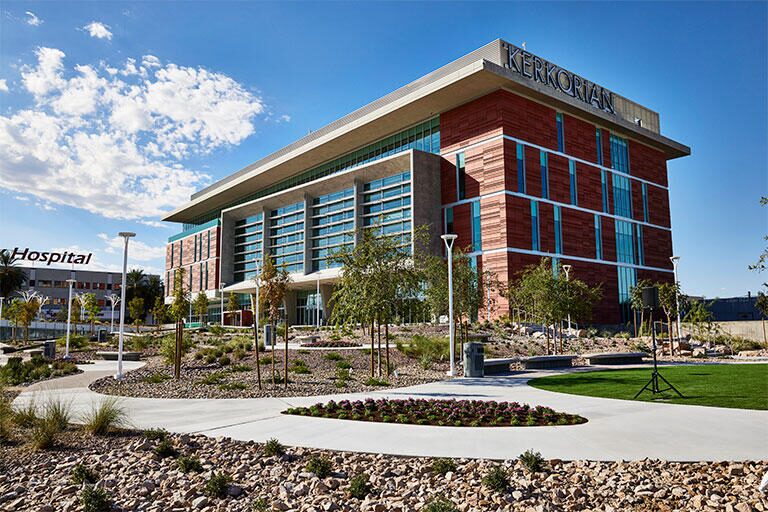
The Kirk Kerkorian School of Medicine at UNLV is Nevada’s public medical school, established in 2014 and located in Las Vegas, Nevada. The school operates as a traditional 4-year MD program leading to the Doctor of Medicine degree. As a relatively new institution, Kirk Kerkorian School of Medicine represents Nevada’s commitment to addressing the state’s physician shortage while providing innovative medical education in an urban setting.
Location and Campus Details
The school is situated in Las Vegas, Nevada, operating on an urban campus that provides students with access to one of the fastest-growing metropolitan areas in the United States. The unique Las Vegas location offers students exposure to diverse patient populations and healthcare challenges specific to Nevada’s demographics. The school is strategically positioned to serve the entire state of Nevada, which has historically faced physician shortages.
Accreditation Status
Kirk Kerkorian School of Medicine at UNLV holds full accreditation from the Liaison Committee on Medical Education (LCME), the nationally recognized accrediting authority for MD programs in the United States. This accreditation ensures that graduates are eligible to take the USMLE examinations and apply for residency programs throughout the country.
Program Duration and Distinctive Features
The Kirk Kerkorian School of Medicine offers a traditional 4-year MD program with several distinctive characteristics:
- Combined degree programs: MD/MBA and MD/MPH options for students seeking dual credentials
- Community-focused mission: Strong emphasis on serving Nevada’s healthcare needs
- Population health focus: Integration of public health principles throughout the curriculum
- Research opportunities: Independent research projects incorporated into the educational experience
- Cultural competence emphasis: Training designed to address Nevada’s diverse population
Admission Requirements
Academic Prerequisites
Minimum Degree Requirements
Kirk Kerkorian School of Medicine requires applicants to complete a bachelor’s degree from an accredited institution prior to matriculation. The school evaluates applicants based on comprehensive academic preparation rather than specific major requirements.
Required Prerequisite Courses
Based on standard medical school requirements, applicants must complete:
- Biology: 8 semester hours with laboratory
- General Chemistry: 8 semester hours with laboratory
- Organic Chemistry: 4 semester hours with laboratory
- Physics: 8 semester hours with laboratory
- Mathematics: Including statistics and calculus
- English: 6 semester hours of composition and literature
- Behavioral and Social Sciences: Coursework in psychology, sociology, or anthropology
GPA Requirements
- Median GPA: 3.85 for admitted students
- Minimum competitive range: While no strict minimum is published, successful applicants typically maintain GPAs well above 3.5
- Science GPA: Strong performance in prerequisite science courses is essential
- The school employs a holistic review process that considers both overall and science GPAs in context
Standardized Testing
MCAT Requirements
- Median MCAT score: 512 for admitted students
- Competitive range: Students should aim for scores at or above the 80th percentile
- Validity period: MCAT scores must be taken within three years of the application deadline
- Retake policy: Multiple MCAT attempts are accepted, with most recent scores typically given primary consideration
Additional Testing Requirements
Kirk Kerkorian School of Medicine does not require additional standardized tests beyond the MCAT for most applicants.
Extracurricular Activities & Experience Requirements
Clinical Experience
The school highly values meaningful clinical exposure through:
- Physician shadowing: Direct observation of physicians in various specialties
- Clinical volunteering: Hospital or clinic volunteer work
- Healthcare employment: Paid positions in healthcare settings
- Patient interaction: Demonstrated commitment to patient care
Research Experience
While not strictly required, research experience is valuable and can include:
- Basic science research: Laboratory research in biological sciences
- Clinical research: Patient-oriented research projects
- Public health research: Community health and epidemiological studies
- Publication potential: Though not required, publications strengthen applications
Community Service and Leadership
The school seeks applicants who demonstrate:
- Community involvement: Sustained volunteer service
- Leadership experience: Roles demonstrating initiative and responsibility
- Commitment to Nevada: Preference for applicants with Nevada ties or commitment to serving the state
Application Process & Timeline
Application System
Kirk Kerkorian School of Medicine participates in the American Medical College Application Service (AMCAS), the centralized application system for most US medical schools.
Key Deadlines
- AMCAS Application Deadline: October 1, 2025
- Secondary Application: Typically due 4–6 weeks after AMCAS submission
- Application Fee: Standard AMCAS fees plus institutional secondary fees
- Early Decision Program: Not offered
Required Documents
- Official Transcripts: All post-secondary coursework
- MCAT Scores: Official scores reported through AMCAS
- Letters of Recommendation: Typically 3–4 letters, including science faculty
- Personal Statement: AMCAS personal statement
- Activities List: Comprehensive listing of experiences
- Secondary Application Essays: School-specific prompts
Interview Process
Kirk Kerkorian School of Medicine conducts interviews for selected candidates:
- Interview format: Multiple Mini Interview (MMI) format is commonly used
- Interview timeline: Typically from October through March
- Virtual vs. In-person: Format may vary by year and circumstances
- Interview invitation: Extended to approximately 10–15% of applicants
Post-Interview Process
- Acceptance notifications: Rolling admissions from December through April
- Waitlist procedures: Applicants may be placed on an alternate list
- Deposit requirements: Accepted students must submit enrollment deposits
Admission Statistics & Success Rates
Overall Acceptance Rate
Kirk Kerkorian School of Medicine maintains a highly competitive acceptance rate of approximately 3.8%, making it one of the more selective medical schools in the region. This selectivity reflects both the school’s commitment to academic excellence and the limited class size.
Application Volume and Class Size
- Annual applicants: Approximately 1,732 applications per cycle
- Class size: 66 students per entering class
- Application-to-acceptance ratio: Highly competitive with only 66 positions available for over 1,700 applicants
Academic Statistics of Admitted Students
- Median GPA: 3.85
- GPA range: Successful applicants typically have GPAs between 3.7–4.0
- Median MCAT: 512
- MCAT range: Competitive applicants score between 508–516
Geographic Distribution
Kirk Kerkorian School of Medicine prioritizes Nevada residents and those with strong ties to Nevada:
- Nevada resident preference: Strong preference given to in-state applicants
- Out-of-state acceptance: Limited, case-by-case consideration
- Regional preference: Some consideration for western region applicants
- International students: Generally not accepted
Demographics and Background
The school actively seeks to build a diverse class that reflects Nevada’s population and addresses healthcare disparities.
Tuition & Financial Information
Current Tuition Rates
- Nevada residents: $37,306 per year
- Out-of-state students: $69,944 per year
Total 4-year cost:
- Nevada residents: Approximately $149,224
- Out-of-state students: Approximately $279,776
Additional Fees and Expenses
- Technology fees: Included in tuition
- Student services fees: Incorporated into annual costs
- Health insurance: Required for all students
- Clinical rotation fees: May apply during clinical years
- Equipment and instruments: Medical supplies and equipment costs
Total Cost of Attendance (Estimated)
- Nevada residents: $78,486 per year
- Out-of-state students: $111,125 per year
These estimates include:
- Living expenses: $34,500 per year
- Books and supplies: $1,970 per year
- Personal expenses: $4,711 per year
Living Expenses in Las Vegas
Las Vegas offers relatively affordable living compared to other major metropolitan areas:
- Housing costs: Variable based on location and housing type
- Transportation: Public transit available, many students own cars
- Food and dining: Wide range of options at various price points
- Entertainment: Access to diverse recreational opportunities
Financial Aid Options
Federal Financial Aid
- Federal Direct Loans: Available to eligible students
- Graduate PLUS Loans: For additional funding needs
- Work-study programs: Limited opportunities during academic year
Institutional Aid
- Merit-based scholarships: Available for high-achieving students
- Need-based aid: Financial assistance based on demonstrated need
- Nevada-specific programs: State-sponsored aid for Nevada residents
External Funding
- Private scholarships: Numerous opportunities from medical organizations
- Professional organization funding: Support from medical societies
- Community foundations: Local scholarship opportunities
Click To See Hundreds Of Consultants Who Can Mentor You:

Curriculum & Program Structure
Program Philosophy and Educational Approach
The Kirk Kerkorian School of Medicine curriculum integrates foundational sciences with clinical practice while emphasizing:
- Patient-centered care: Focus on comprehensive patient care approaches
- Community service: Integration of community health and service learning
- Research integration: Independent research projects throughout the program
- Cultural competence: Training in healthcare disparities and cultural sensitivity
- Professional development: Emphasis on professionalism and lifelong learning
Pre-Clinical Years (Years 1–2)
Educational Methods
- Integrated curriculum: Organ system-based learning approach
- Problem-based learning: Small group case-based discussions
- Technology integration: Advanced simulation and digital learning tools
- Assessment methods: Mix of traditional testing and competency-based evaluation
Core Subject Areas
- Basic medical sciences: Anatomy, physiology, pathology, pharmacology
- Behavioral sciences: Medical psychology and social determinants of health
- Clinical skills: Early patient interaction and examination skills
- Research methodology: Introduction to research design and biostatistics
Clinical Years (Years 3–4)
Core Clinical Rotations
Students complete required rotations in:
- Internal Medicine
- Surgery
- Pediatrics
- Obstetrics and Gynecology
- Psychiatry
- Family Medicine
- Emergency Medicine
Clinical Training Sites
- University Medical Center (UMC): Primary teaching hospital and trauma center
- VA Medical Center: Veterans healthcare facility
- Community partnerships: Various healthcare systems throughout Nevada
- Rural rotations: Opportunities in rural Nevada communities
Elective Opportunities
- Specialty electives
- Research electives
- International experiences (when available)
- Community health rotations
Special Programs and Tracks
Combined Degree Programs
- MD/MBA
- MD/MPH
Scholarly Concentrations
- Research tracks (basic or clinical)
- Public health
- Rural health
- Healthcare leadership
Assessment and Evaluation
- Step 1 preparation
- Step 2 requirements
- Competency-based evaluation
- Portfolio development
Pre-Medical Preparation Guidance
Undergraduate Planning
Recommended Academic Majors
While Kirk Kerkorian School of Medicine accepts students from diverse academic backgrounds:
- Science majors: Biology, chemistry, biochemistry
- Non-science majors: Psychology, sociology, liberal arts
- Engineering and mathematics: Quantitative backgrounds are valued
- Diverse perspectives: Varied academic experiences are valued
Optimal Course Sequencing
- Freshman/Sophomore years: Complete foundational science prerequisites
- Junior year: Advanced science courses, begin MCAT preparation
- Senior year: Complete remaining prerequisites, finalize applications
Clinical Experience Development
Types of Valued Clinical Exposure
- Physician shadowing: 100+ hours across multiple specialties
- Hospital volunteering: Direct patient interaction preferred
- Clinical employment: EMT, CNA, medical scribe
- Healthcare missions: Domestic or international
Quality vs. Quantity Considerations
Kirk Kerkorian School of Medicine emphasizes meaningful engagement over extensive hours:
- Depth of involvement: Long-term commitments preferred
- Learning outcomes: Ability to articulate lessons learned
- Patient interaction: Direct patient contact when possible
- Professional relationships: Building mentorship connections
Research Experience
Research Opportunities
- University research (UNLV and beyond)
- Summer research programs (NIH and others)
- Independent projects with faculty mentorship
- Community-based research
Research Skills Development
- Methodology understanding
- Presentation skills
- Writing abilities
- Critical thinking
Standardized Test Preparation
MCAT Preparation Strategy
- Timeline: 6–12 months of dedicated preparation
- Baseline assessment: Initial practice test
- Study materials: Mix of commercial and free resources
- Practice testing: Regular full-length exams
Test-Taking Strategies
- Content review
- Critical reasoning
- Time management
- Stress management
Extracurricular Planning
Leadership Development
- Student government
- Professional organizations
- Community organizations
- Team activities
Service Commitment
- Long-term engagement
- Diverse populations
- Nevada connections
- Reflection and growth
Application Timeline Planning
Junior Year Preparation
- Course completion
- MCAT scheduling
- Experience building
- Recommendation sources
Senior Year Application Process
- AMCAS submission (early summer)
- Secondary applications (prompt completion)
- Interview preparation
- Continued engagement
Frequently Asked Questions
What is Kirk Kerkorian School of Medicine’s average GPA and MCAT score?
The median GPA for admitted students is 3.85, and the median MCAT score is 512. Successful applicants typically have GPAs above 3.7 and MCAT scores above 508.
Does Kirk Kerkorian School of Medicine require specific undergraduate courses?
Yes, the school requires standard medical school prerequisites including biology, chemistry, organic chemistry, physics, mathematics, English, and behavioral sciences courses.
Does Kirk Kerkorian School of Medicine prefer in-state applicants?
Yes, as a public medical school, Kirk Kerkorian School of Medicine gives strong preference to Nevada residents and applicants with significant ties to Nevada. Out-of-state applications are considered on a case-by-case basis.
When should I apply to Kirk Kerkorian School of Medicine?
The AMCAS application deadline is October 1st. However, it’s recommended to submit applications early in the cycle (June–July) as the school practices rolling admissions.
Does Kirk Kerkorian School of Medicine accept international students?
The school generally does not accept international students, focusing primarily on training physicians to serve Nevada’s healthcare needs
How competitive is Kirk Kerkorian School of Medicine compared to other medical schools?
With an acceptance rate of approximately 3.8%, Kirk Kerkorian School of Medicine is highly competitive, comparable to other state medical schools.
Does Kirk Kerkorian School of Medicine look at extracurricular activities?
Yes, the school uses a holistic review process that heavily weighs clinical experience, community service, research, and leadership activities alongside academic metrics.
What clinical experience do I need for Kirk Kerkorian School of Medicine?
While specific hour requirements aren’t published, successful applicants typically have substantial clinical exposure through shadowing, volunteering, or healthcare employment.